
Paus en zijn gevolg te paard — History & Facts
Can paint confess what words never could? In Paus en zijn gevolg te paard, Lucas Cranach (I) captures a moment that transcends time, revealing layers of history with every brushstroke. Look closely at the central figure, the Pope, mounted gracefully upon his horse. The artist's meticulous attention to detail is evident in the rich textures of the garments, painted with vibrant reds and golds that shimmer under the soft glow of light. As your gaze moves outward, note the entourage of courtiers and attendants; their expressions and postures convey a mix of reverence and intrigue, inviting contemplation of their roles in this momentous procession. Delve deeper into the nuanced interplay between authority and humility present in the gathering.
The juxtaposition of the Pope’s majestic attire against the more modest garb of his followers hints at the complexities of power dynamics during this era. Additionally, the careful arrangement of the figures creates a sense of movement, suggesting that this event is not merely a static portrayal but a celebration of faith and influence set against the backdrop of an evolving world. Created in 1521-1522, Cranach worked during a tumultuous period in Europe, marked by religious reform and shifting political landscapes. In Wittenberg, he was closely aligned with Martin Luther and the burgeoning Reformation.
This painting reflects the duality of admiration and critique that characterized the church's role at the time, encapsulating both the reverence for papal authority and the questioning spirit that would soon reshape society.
More Artworks by Lucas Cranach (I)
Browse all →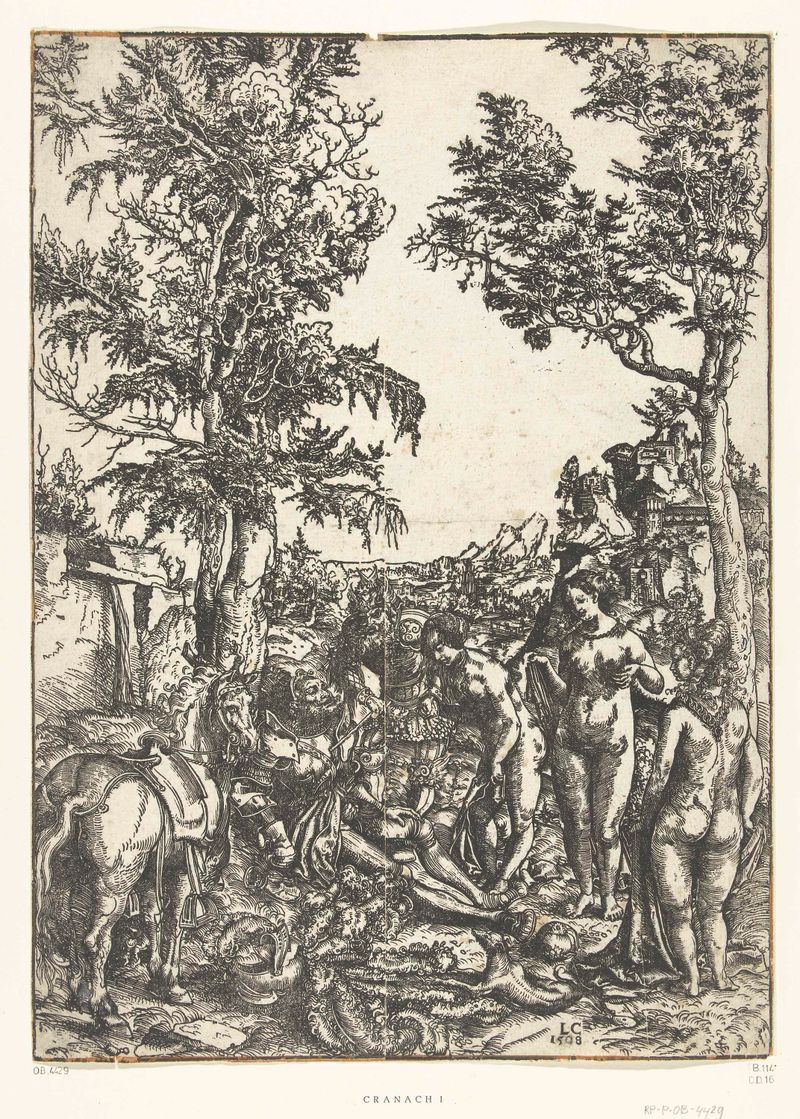
Oordeel van Paris
Lucas Cranach (I)
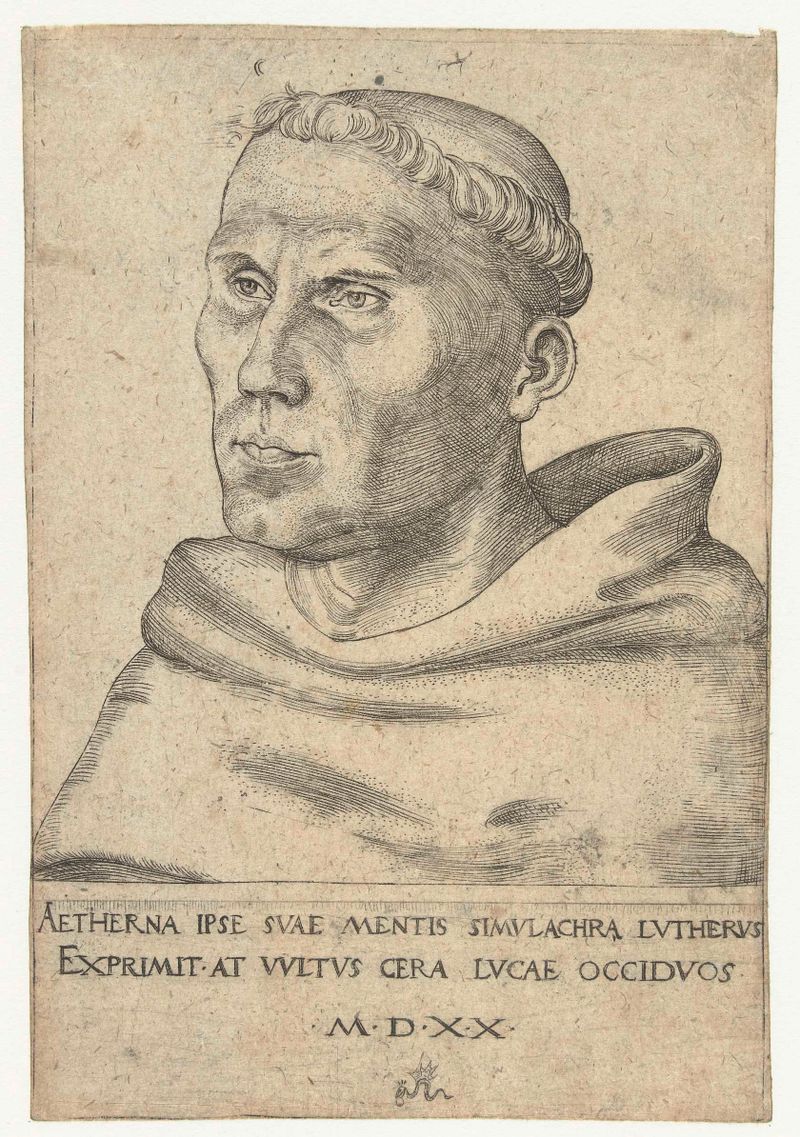
Portret van Martin Luther als Augustijner monnik
Lucas Cranach (I)
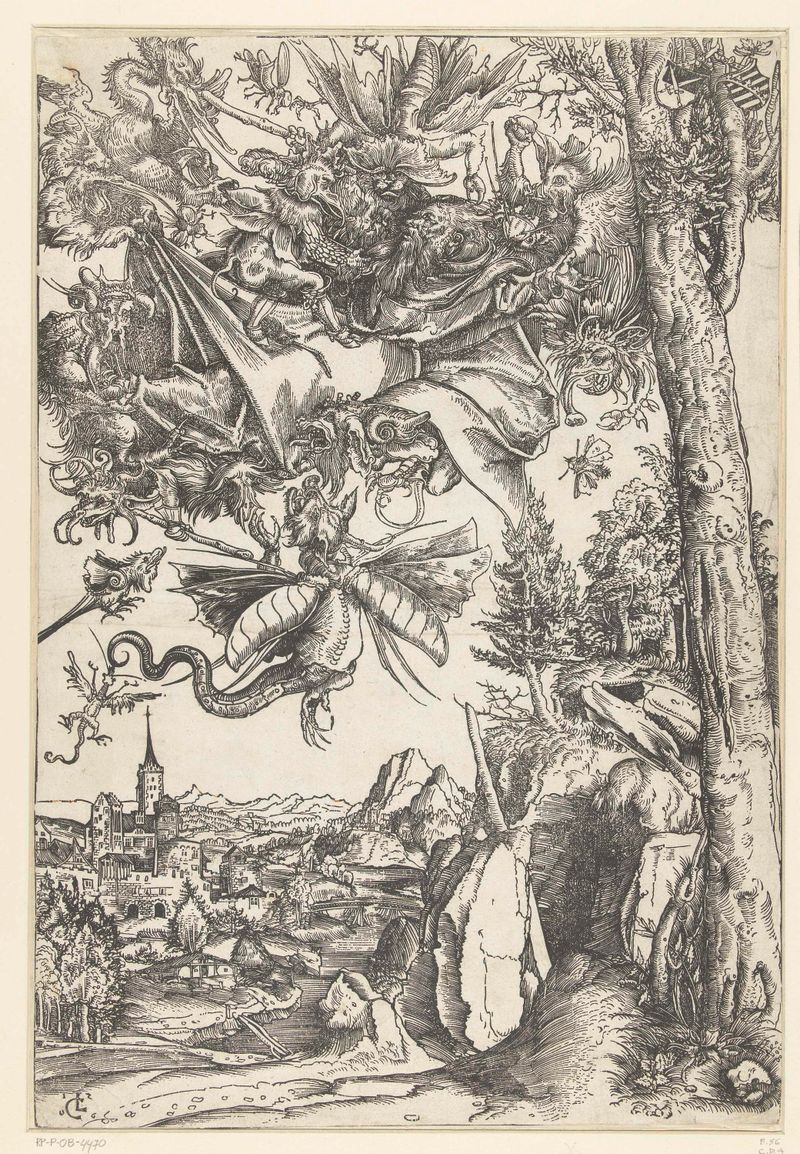
Verzoeking van Antonius met aanval door demonen
Lucas Cranach (I)

Christus en de Samaritaanse vrouw
Lucas Cranach (I)

Duits toernooi met twee edelmannen als ridders te paard
Lucas Cranach (I)
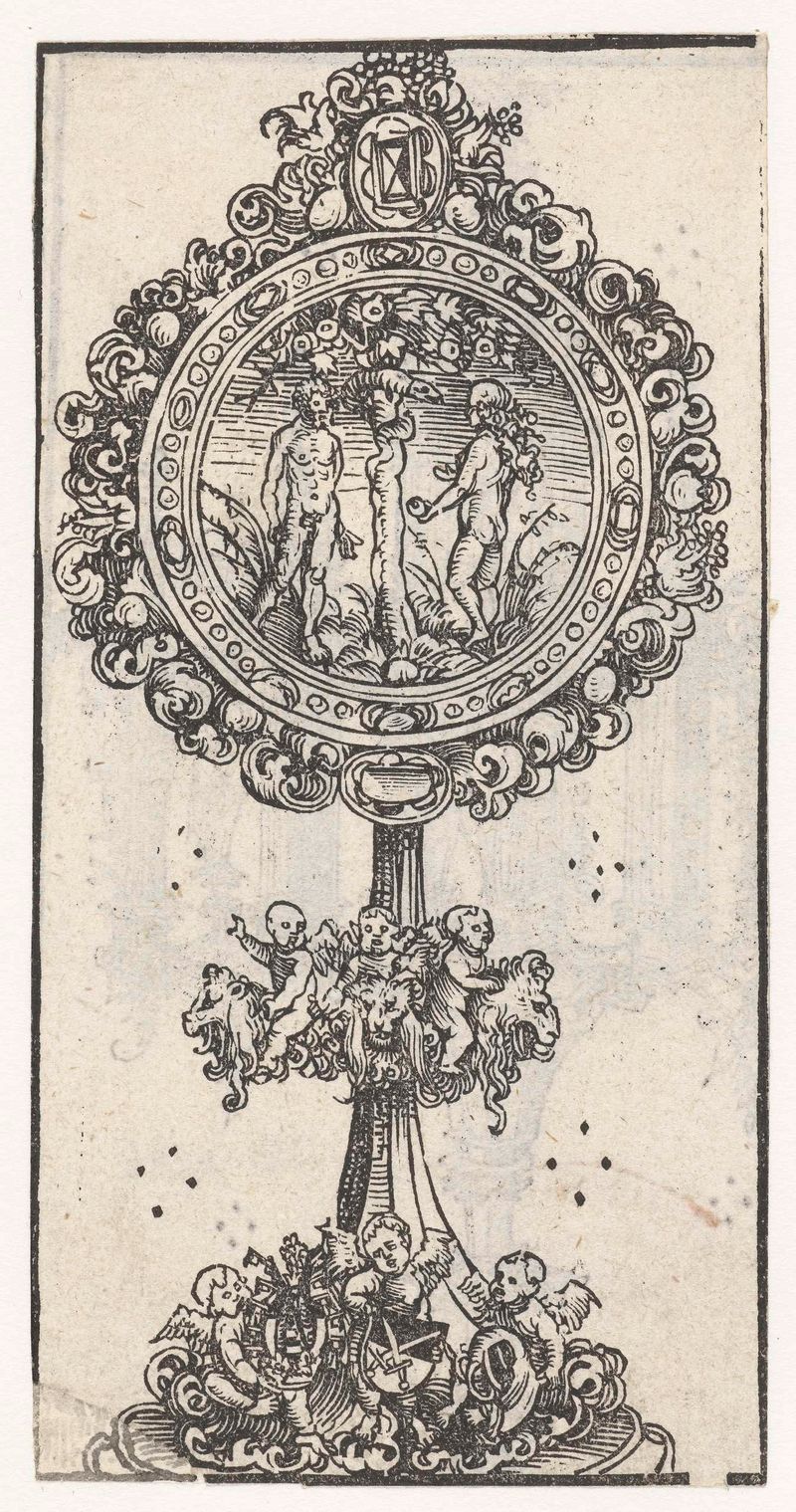
Reliekhouder met de verzoeking van Adam en Eva
Lucas Cranach (I)

Intocht van Christus in Jerusalem
Lucas Cranach (I)
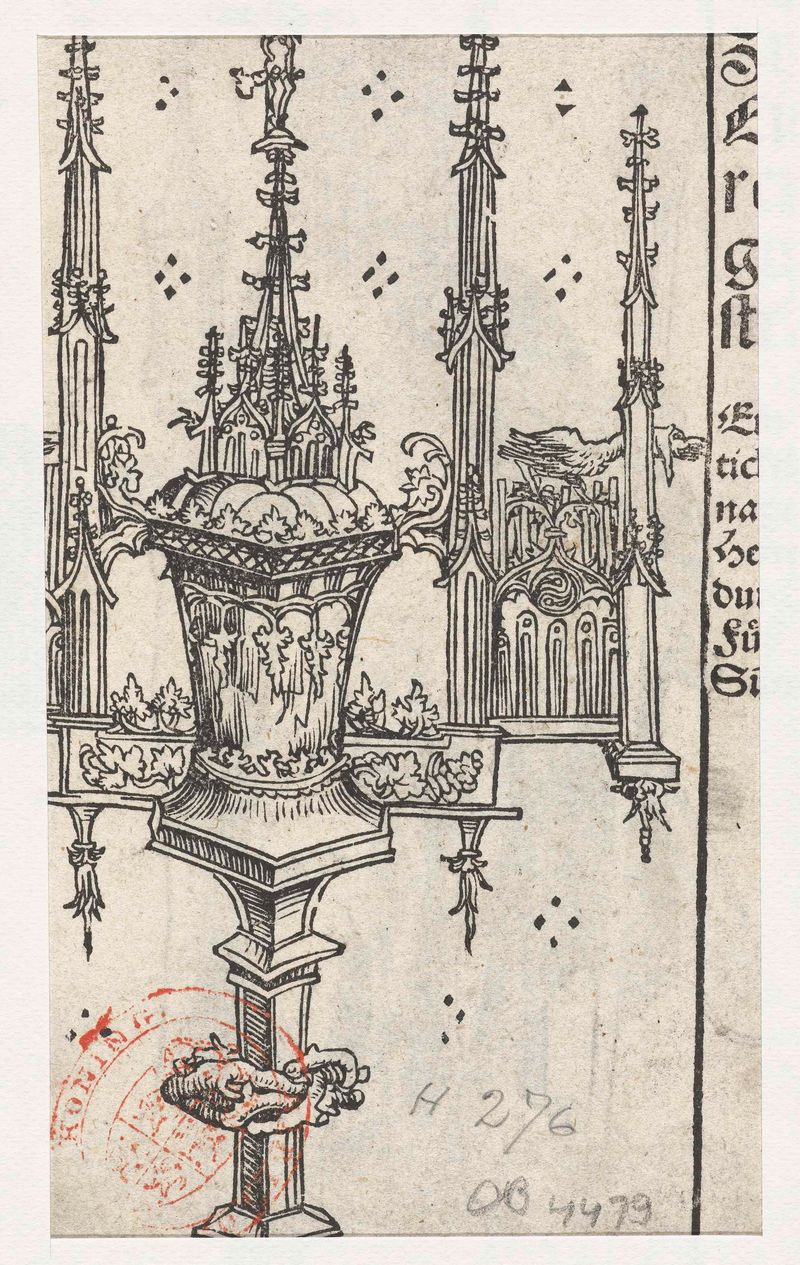
Monstrans met vogel (pelikaan)
Lucas Cranach (I)
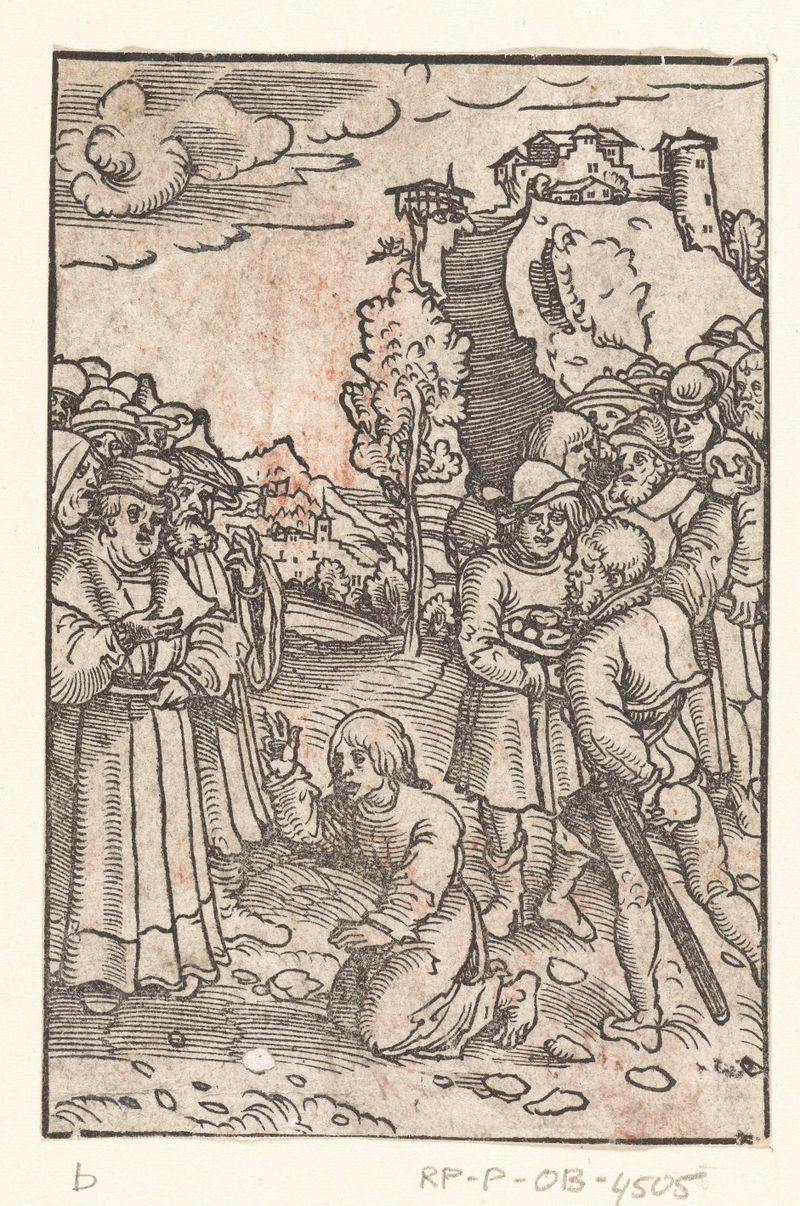
Steniging van Stefanus
Lucas Cranach (I)
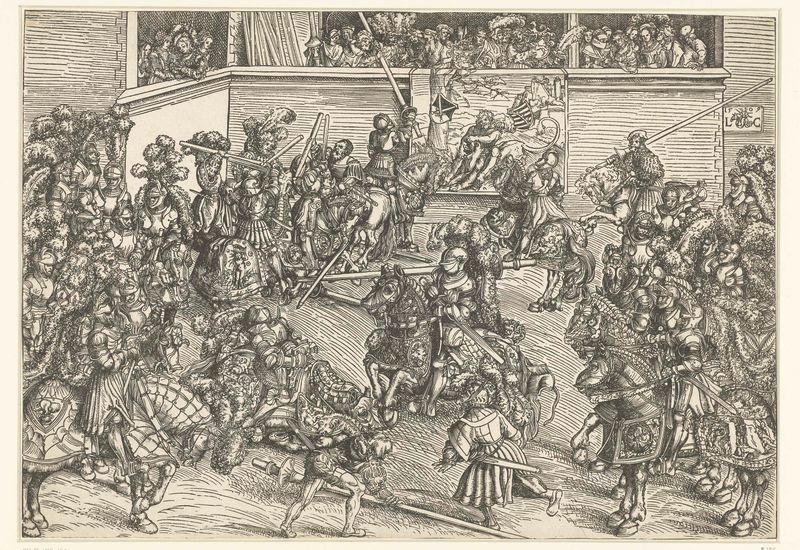
Toernooi van het keurvorstelijk hof van Saksen met wandtapijt Simson doodt de leeuw
Lucas Cranach (I)
More Historical Art
Browse all →
The Night Watch Militia Company of District II under the Command of Captain Frans Banninck Cocq
Rembrandt van Rijn

Lincoln Memorial
Henry Bacon

The Third of May 1808
Francisco de Goya

Isaac and Rebecca, Known as ‘The Jewish Bride’
Rembrandt van Rijn

The Charge of the Mamelukes (1814)
Francisco de Goya

De vier ruiters van de apocalyps
Albrecht Dürer