
Paus wordt gedragen in een draagstoel — History & Facts
Did the painter know this moment would outlive them? In Paus wordt gedragen in een draagstoel, the weight of history hangs palpably in the air, a scene suspended between reverence and treachery. The image strikes a delicate chord, echoing the whispered betrayals of power and faith that ripple through time. One can’t help but ponder the duality of loyalty and deception, held together in this vivid portrayal of a papal procession. Look to the center of the composition where the pope, ensconced in his ornate chair, commands the viewer’s attention.
His garments—richly colored, heavy with symbolism—seem to shimmer in the light. The artist employs contrasting hues to enhance the gravity of the moment; the dark cloaks of the bearers seemingly absorb the light while the pope radiates an aura of authority. Notice how the elaborate details of the background, from the figures in the distance to the towering architecture, frame the subject, grounding this sacred procession in a specific historical context. Beneath the surface of this grand display lies an undercurrent of tension.
The juxtaposition of the pope's exalted position against the subservience of those carrying him invites a reflection on the nature of power itself. Furthermore, the solemn expressions of the onlookers suggest an uneasy blend of admiration and skepticism. The intricate details of the procession echo the paradox of faith—how devotion can flourish alongside the seeds of betrayal that threaten to unravel it. Lucas Cranach (I) painted this piece between 1521 and 1522 during a period of profound change in both his life and the art world.
He was deeply engaged with the Reformation's theological debates, which influenced his artistic perspective. The painting emanates from his workshop in Wittenberg, a city at the heart of Martin Luther's revolutionary ideas. This vibrant historical backdrop imbues the work with layers of meaning, reflecting both Cranach's personal convictions and the shifting dynamics between church and society.
More Artworks by Lucas Cranach (I)
Browse all →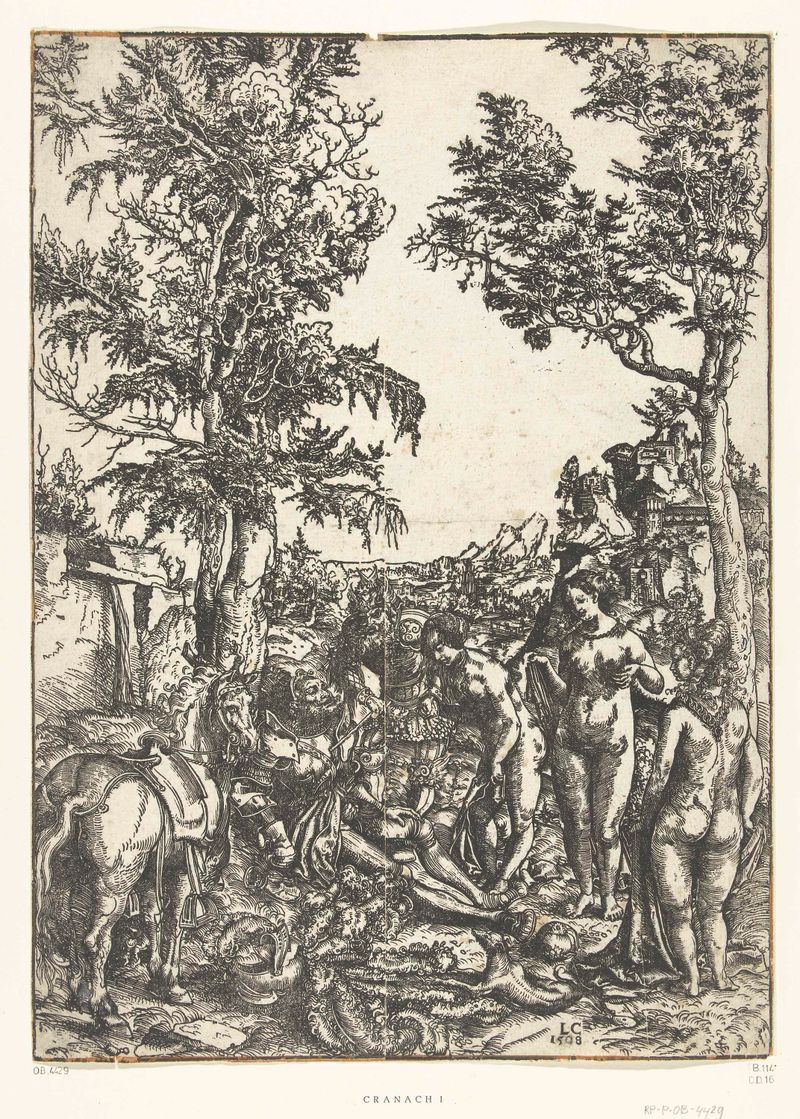
Oordeel van Paris
Lucas Cranach (I)
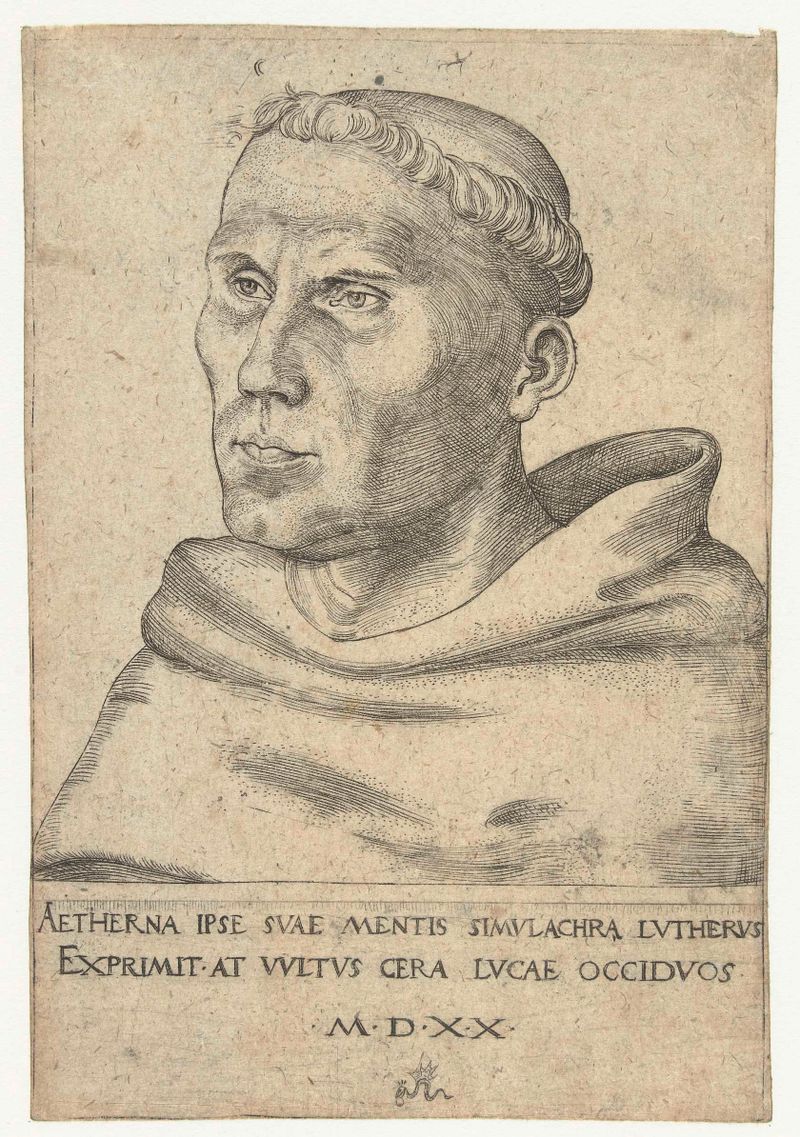
Portret van Martin Luther als Augustijner monnik
Lucas Cranach (I)
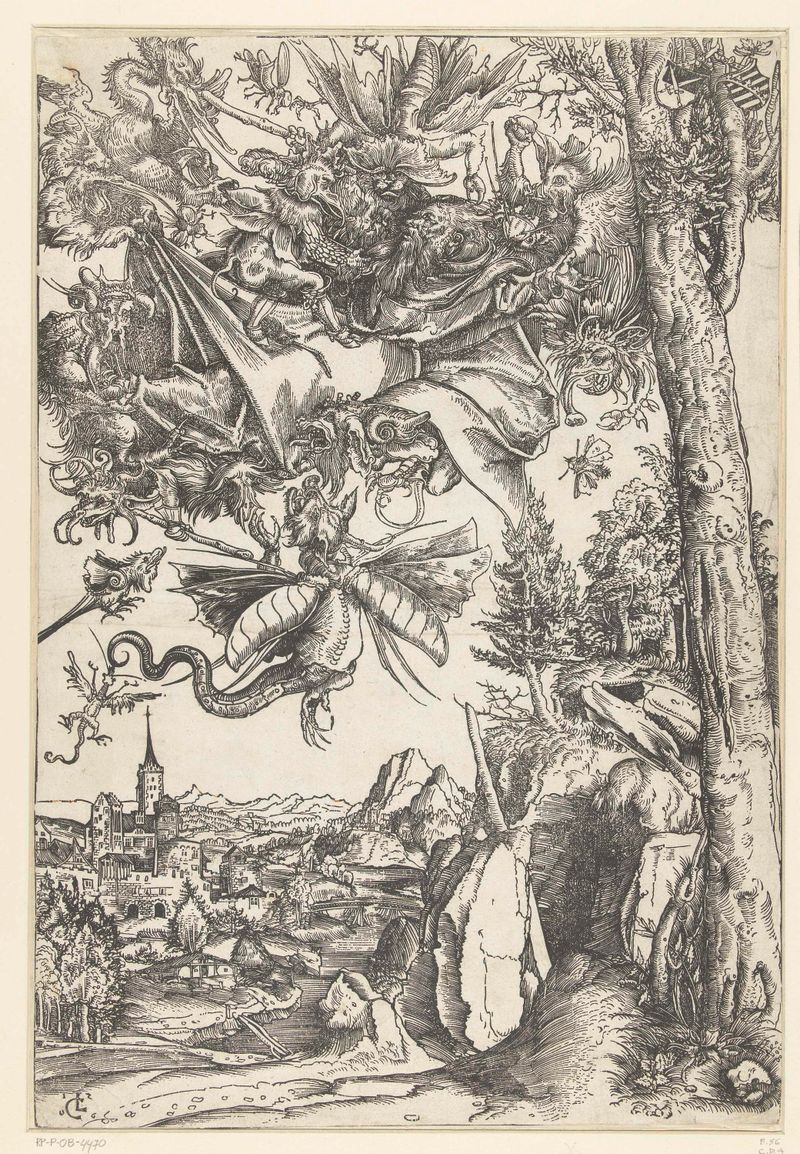
Verzoeking van Antonius met aanval door demonen
Lucas Cranach (I)

Christus en de Samaritaanse vrouw
Lucas Cranach (I)

Duits toernooi met twee edelmannen als ridders te paard
Lucas Cranach (I)
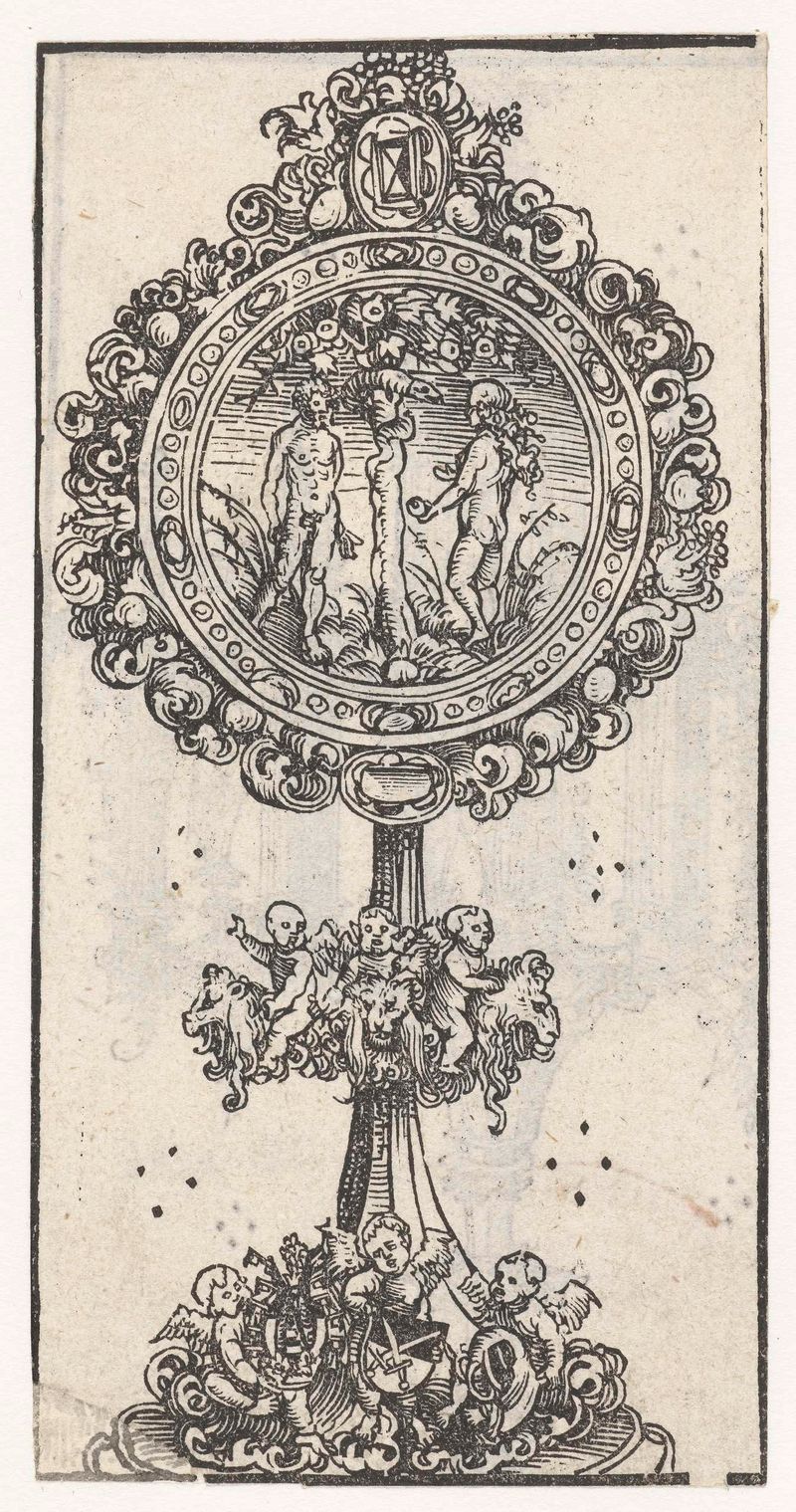
Reliekhouder met de verzoeking van Adam en Eva
Lucas Cranach (I)

Intocht van Christus in Jerusalem
Lucas Cranach (I)
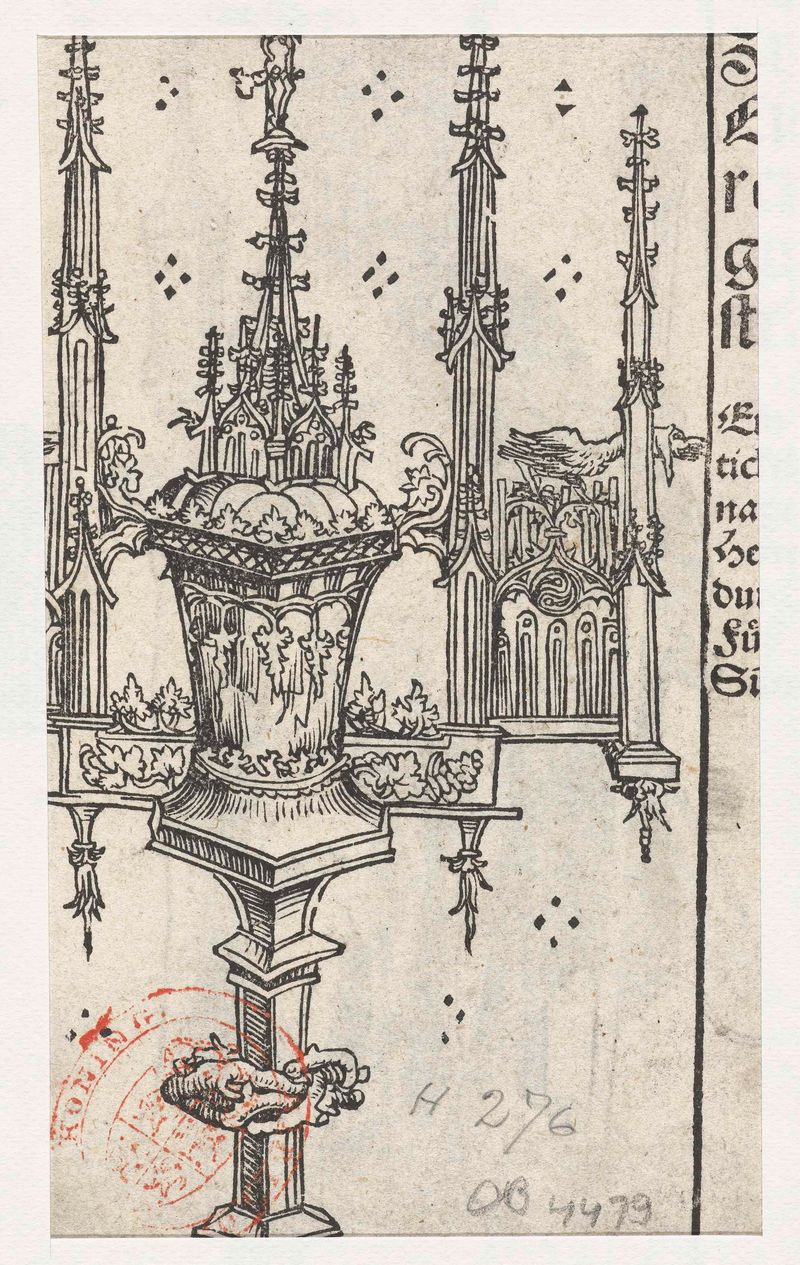
Monstrans met vogel (pelikaan)
Lucas Cranach (I)
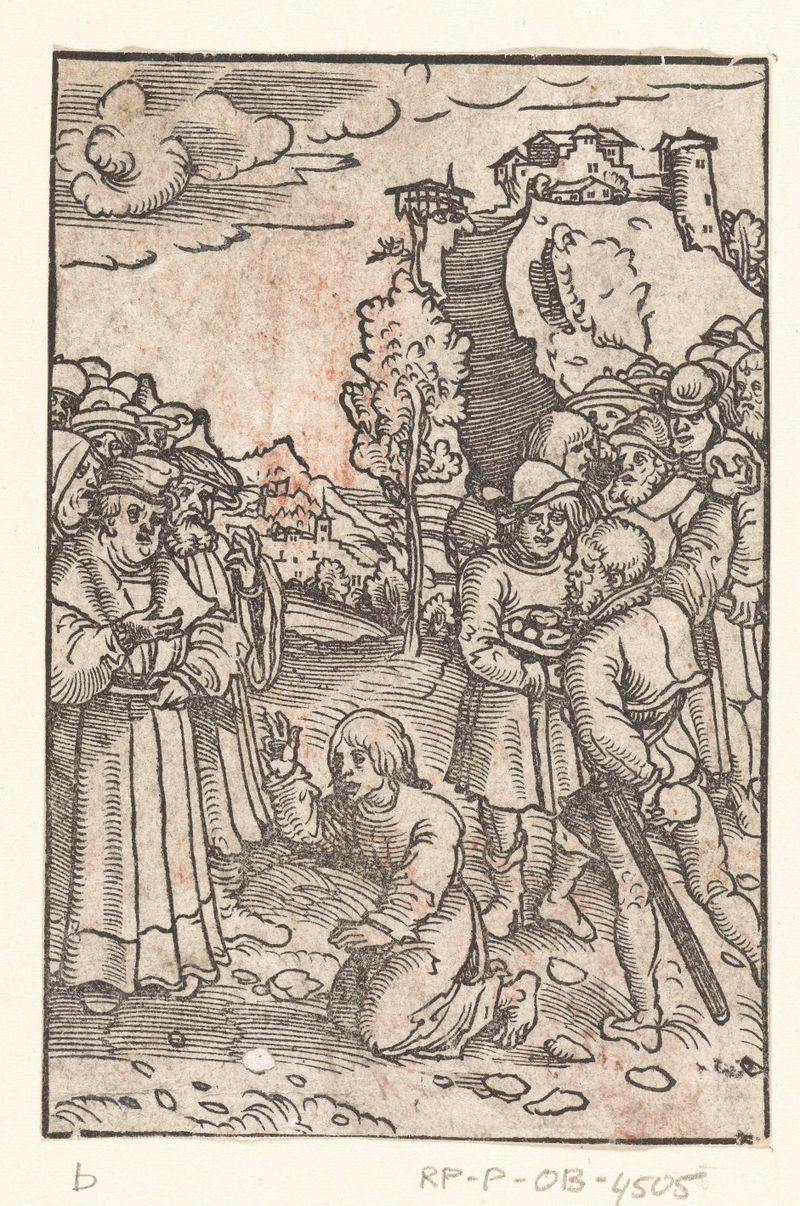
Steniging van Stefanus
Lucas Cranach (I)
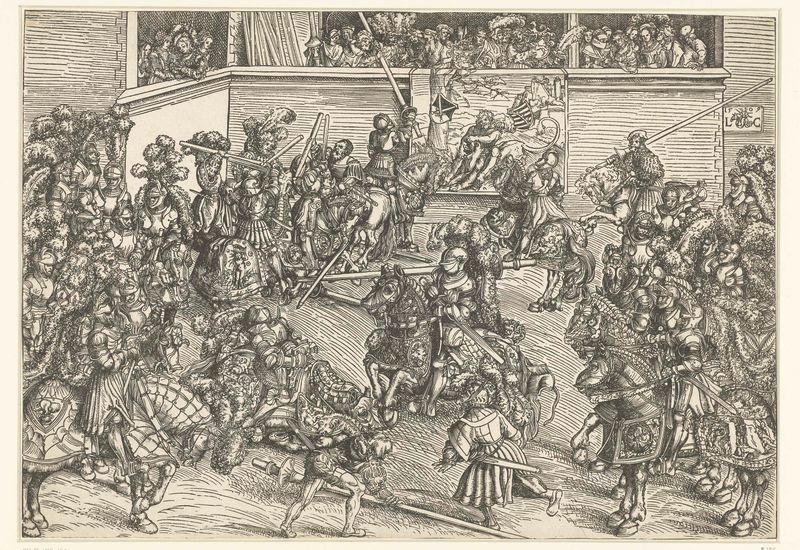
Toernooi van het keurvorstelijk hof van Saksen met wandtapijt Simson doodt de leeuw
Lucas Cranach (I)
More Historical Art
Browse all →
The Night Watch Militia Company of District II under the Command of Captain Frans Banninck Cocq
Rembrandt van Rijn

Lincoln Memorial
Henry Bacon

The Third of May 1808
Francisco de Goya

Isaac and Rebecca, Known as ‘The Jewish Bride’
Rembrandt van Rijn

The Charge of the Mamelukes (1814)
Francisco de Goya

De vier ruiters van de apocalyps
Albrecht Dürer