
Pax Vobis — History & Facts
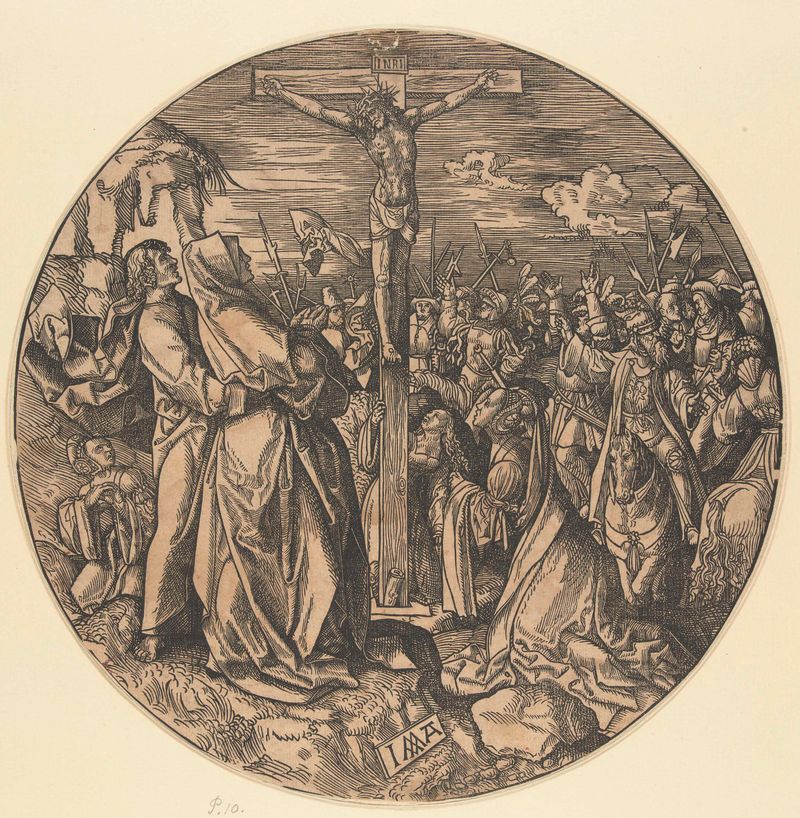
This thought lingers in the air as we confront the delicate interplay of faces and gestures in Pax Vobis. Here lies a testament to the power of quiet reflection, a pause in the cacophony of life, urging us to listen to the whispers of the heart. Focus first on the central figures, their expressions a blend of serenity and contemplation. Notice how the soft light illuminates their faces, highlighting the tender bonds between them.
The muted palette, punctuated by the subtle warmth of ochre and the coolness of blue, draws us into their intimate dialogue. Each character is meticulously detailed, their clothing rich with texture, guiding our eyes from the ornate folds of a robe to the gentle grasp of a hand, inviting us to witness a moment frozen in time. Yet, beneath the tranquil surface lies a deeper emotional current—an acknowledgement of the human condition. The juxtaposition of stillness and the potential for turmoil hints at a world outside the frame, perhaps reflecting the anxieties of the Reformation period.
The positioning of the figures speaks to themes of unity and separation, inviting viewers to ponder not only their connection but the distance that often accompanies human relationships. Created in 1520, during a time of significant religious upheaval in Europe, the artist found himself navigating a rapidly changing cultural landscape. Working in Amsterdam, he was influenced by both the innovations of Northern Renaissance art and the spiritual shifts of his time. In Pax Vobis, this tension manifests as a serene yet poignant exploration of faith, togetherness, and the enduring quest for peace amid chaos.
More Artworks by Jacob Cornelisz van Oostsanen
Browse all →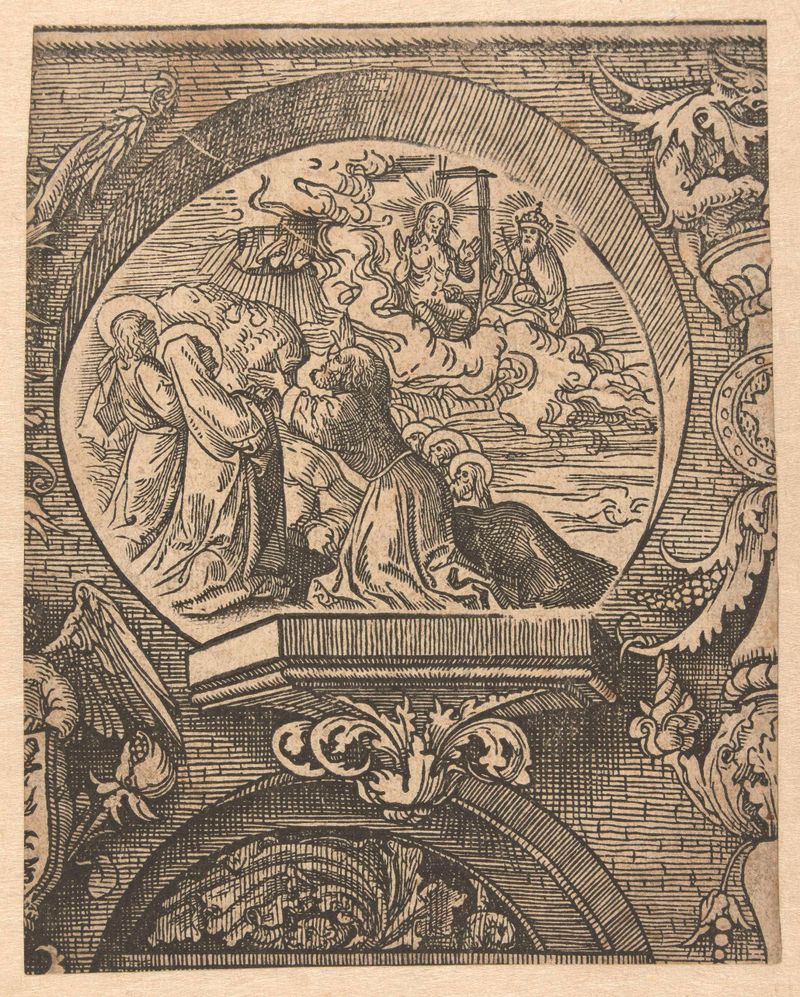
De hemelvaart en Christus voor God de Vader
Jacob Cornelisz van Oostsanen
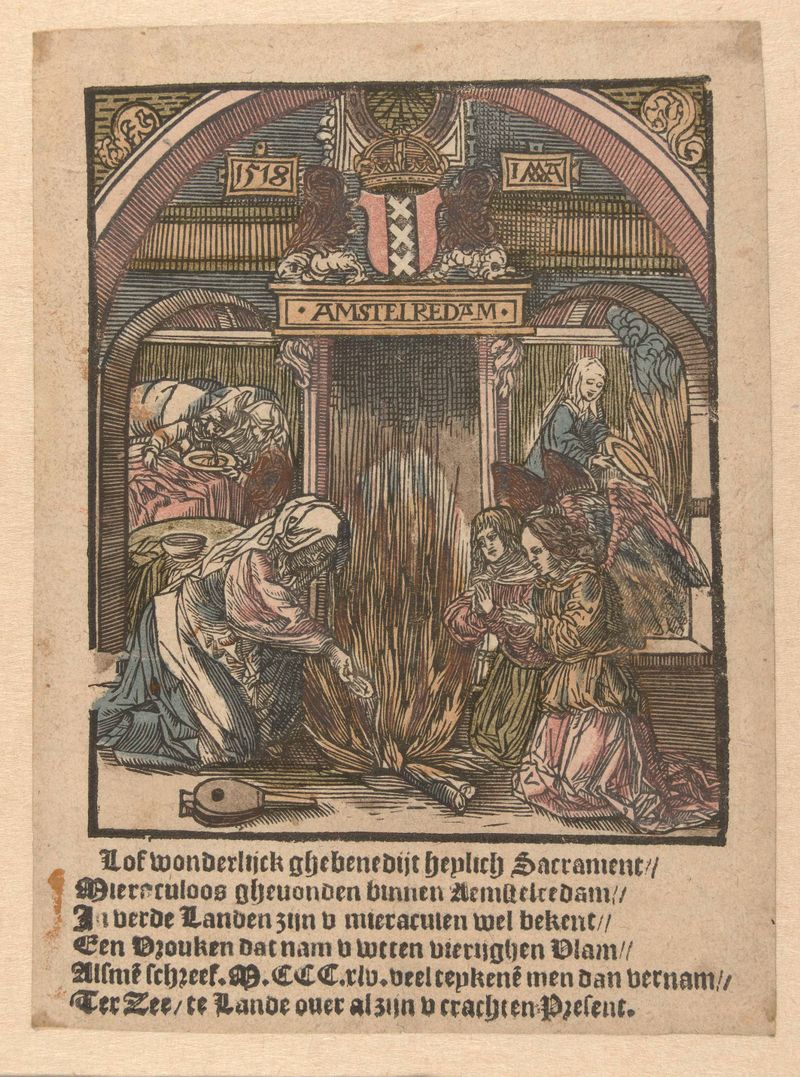
Het hostiewonder van Amsterdam
Jacob Cornelisz van Oostsanen
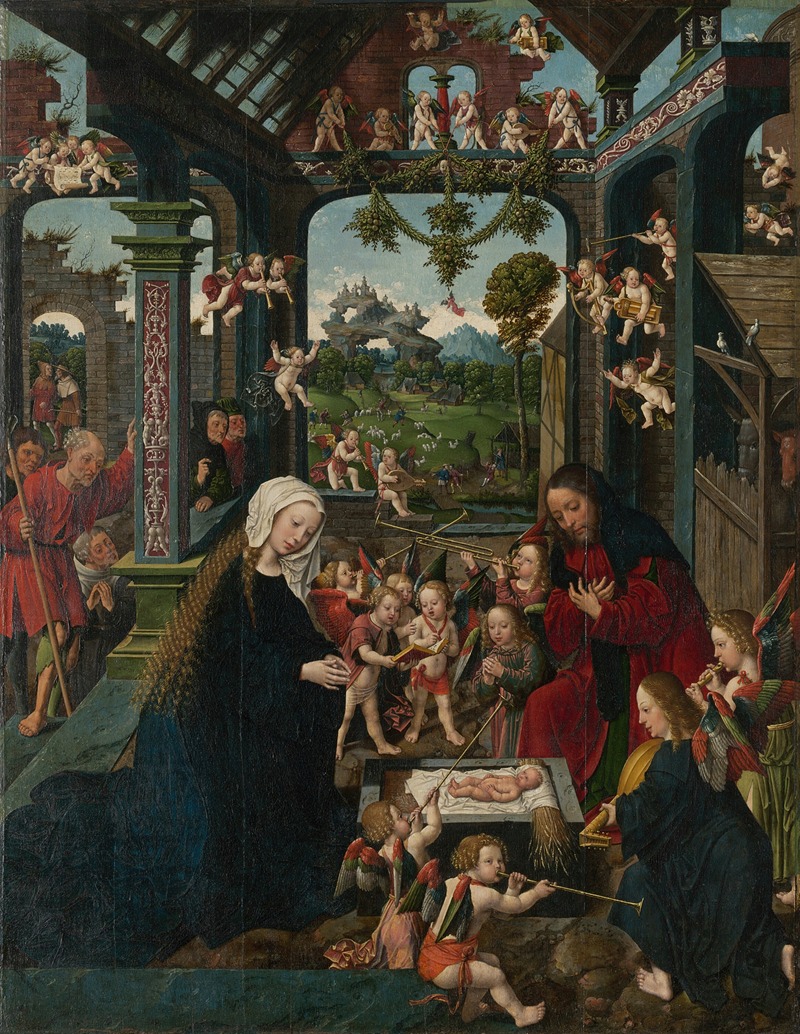
The Adoration of the Christ Child
Jacob Cornelisz van Oostsanen
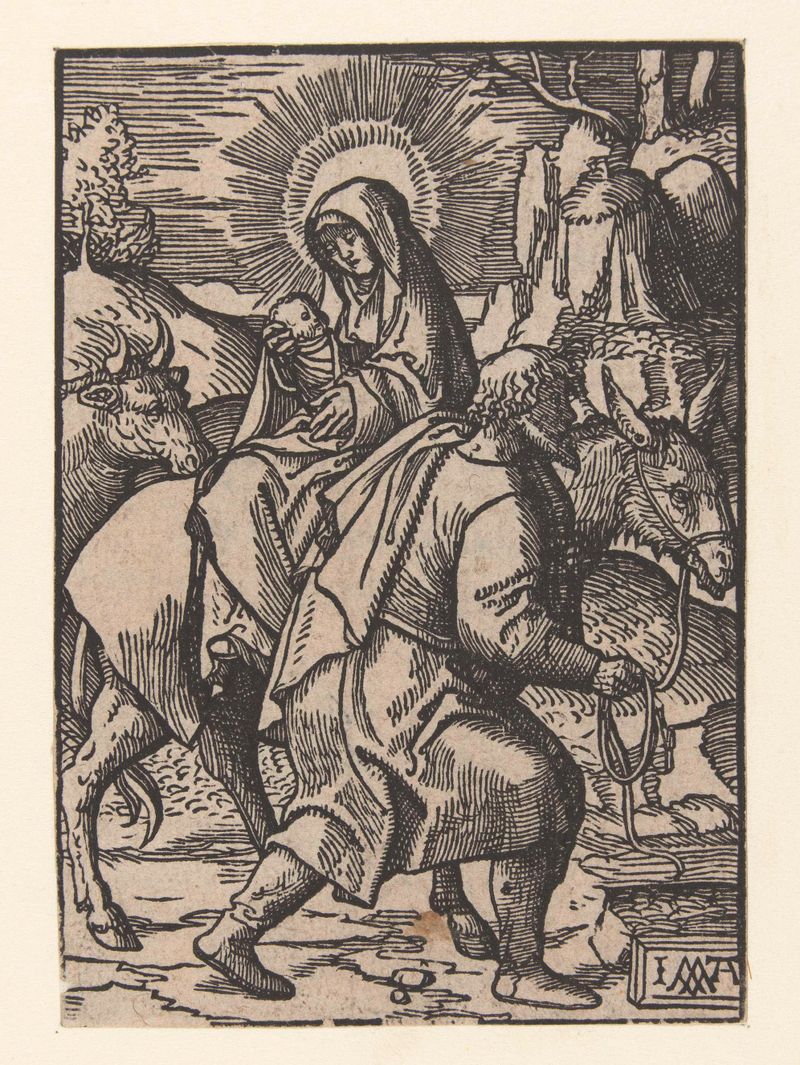
Vlucht naar Egypte
Jacob Cornelisz van Oostsanen
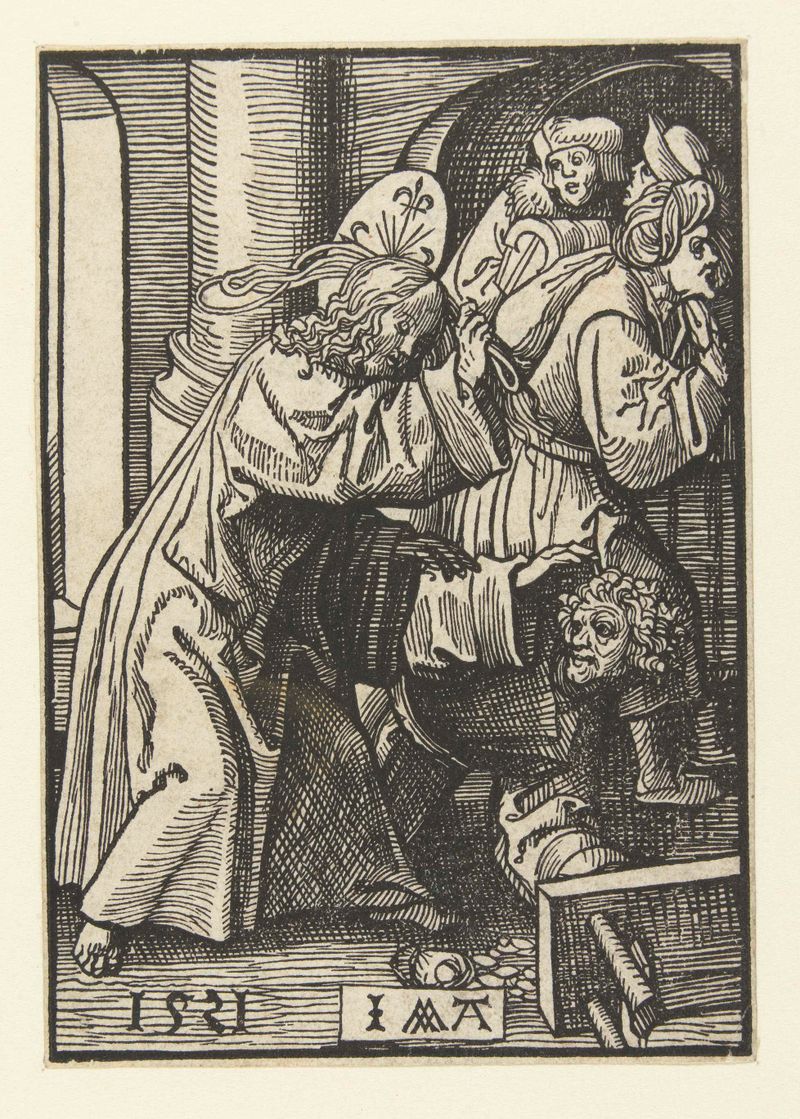
Verdrijving van de handelaren uit de tempel
Jacob Cornelisz van Oostsanen
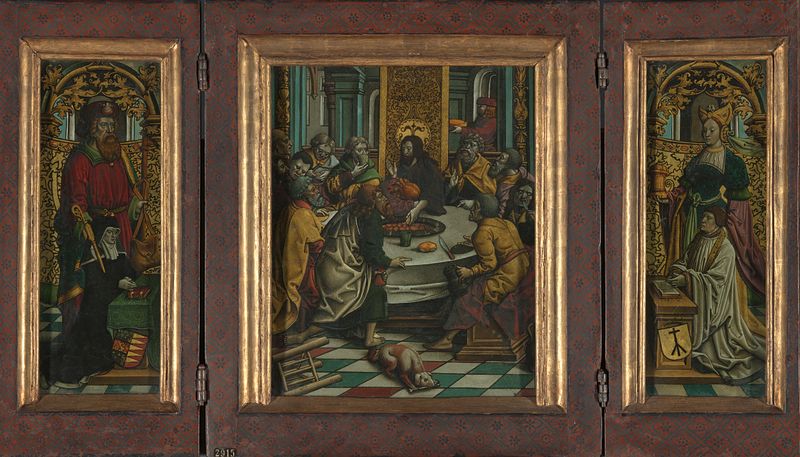
Triptych with the Last Supper and Donors
Jacob Cornelisz van Oostsanen
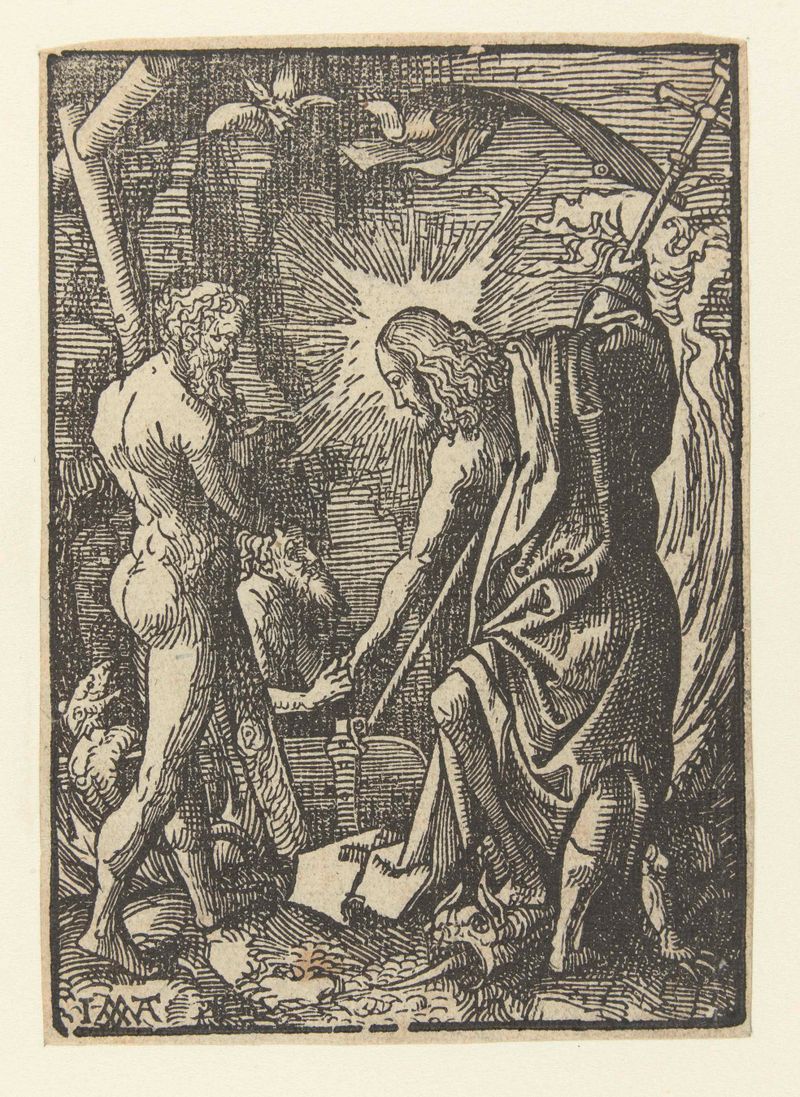
Christus in het voorgeborchte
Jacob Cornelisz van Oostsanen
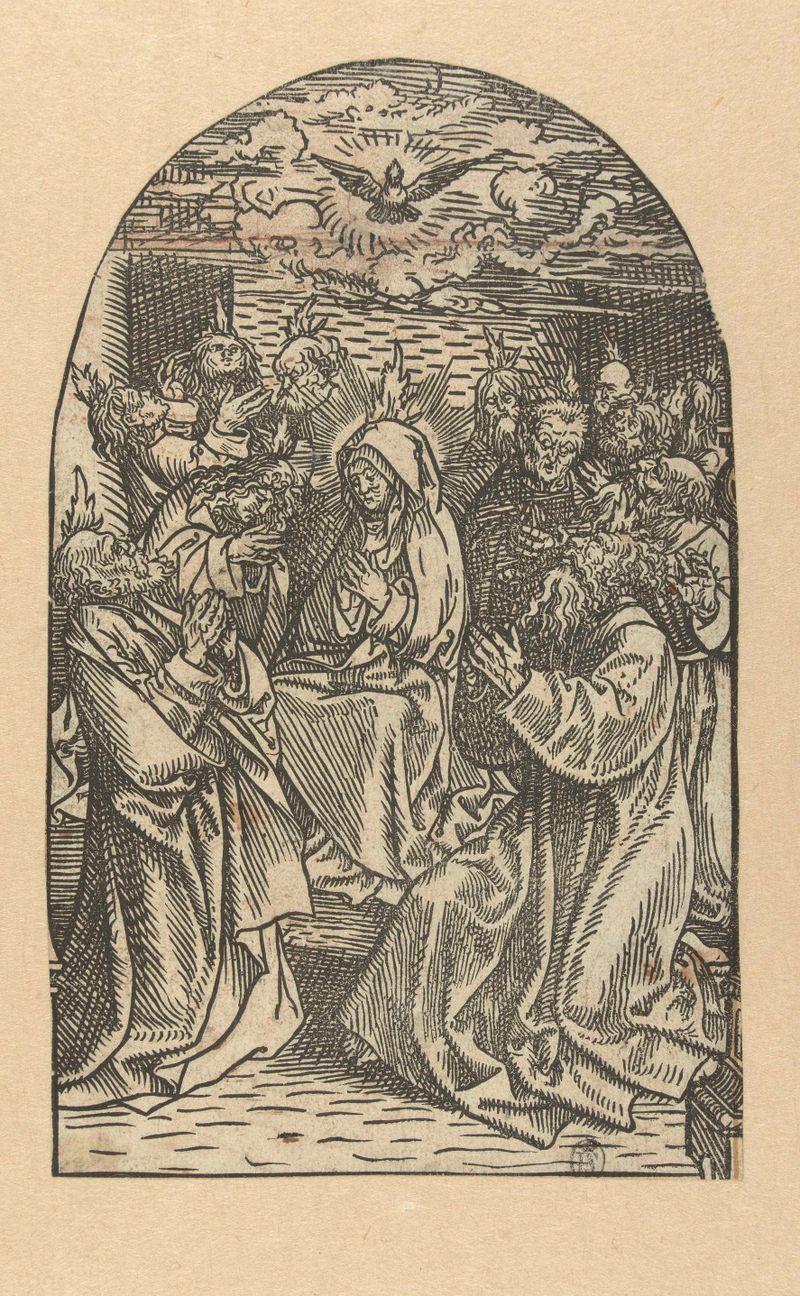
Uitstorting van de Heilige Geest
Jacob Cornelisz van Oostsanen
Christus aan het kruis
Jacob Cornelisz van Oostsanen

De kruisiging en de graflegging van Christus
Jacob Cornelisz van Oostsanen
More Religious Art
Browse all →
The Return of the Prodigal Son
Rembrandt van Rijn

The Garden of Earthly Delights
El Bosco

Count Orgaz’ funeral
El Greco

The Hundred Guilder Print: the central piece with Christ preaching, the plate arched
Rembrandt van Rijn

The Descent from the Cross
Rogier van der Weyden

The return of the prodigal son
Rembrandt van Rijn