
Paysage — History & Facts
When did color learn to lie? In the realm of nature's beauty, the hues we encounter can mask the deeper sorrows that lie beneath their surface. The stunning colors of a landscape often evoke joy, yet they can whisper of loss and longing, igniting the heart's ache. Focus on the vibrant yellows and greens that dominate the canvas, inviting the eye to explore the lush foliage. Look closely at the brush strokes that dance together, creating a shimmering effect, almost as if the landscape breathes with life.
Notice how the light filters through the trees, casting dappled shadows that play upon the ground, suggesting a fleeting moment forever captured. It’s a captivating visual harmony that lures you in while simultaneously hinting at the transient nature of beauty itself. Amidst the tranquility, there is an undercurrent of melancholy. The bright colors clash subtly with darker undertones, hinting at the impermanence of life.
One can sense the weight of nostalgia in the scene, as if it holds memories of what once was. The serene landscape may reflect beauty, yet the choices in color and form also evoke the grief that accompanies every cherished moment, illustrating the duality of existence. During a period in which artistic movements were transitioning between romanticism and impressionism, the artist created this work amidst personal and historical upheaval. Harpignies, whose career flourished in the late 19th century, navigated a world that was rapidly evolving, both socially and artistically.
As he painted, he was part of a shifting dialogue that sought to capture not only the beauty of nature but the profound emotions that it can stir within us.
More Artworks by Henri-Joseph Harpignies
Browse all →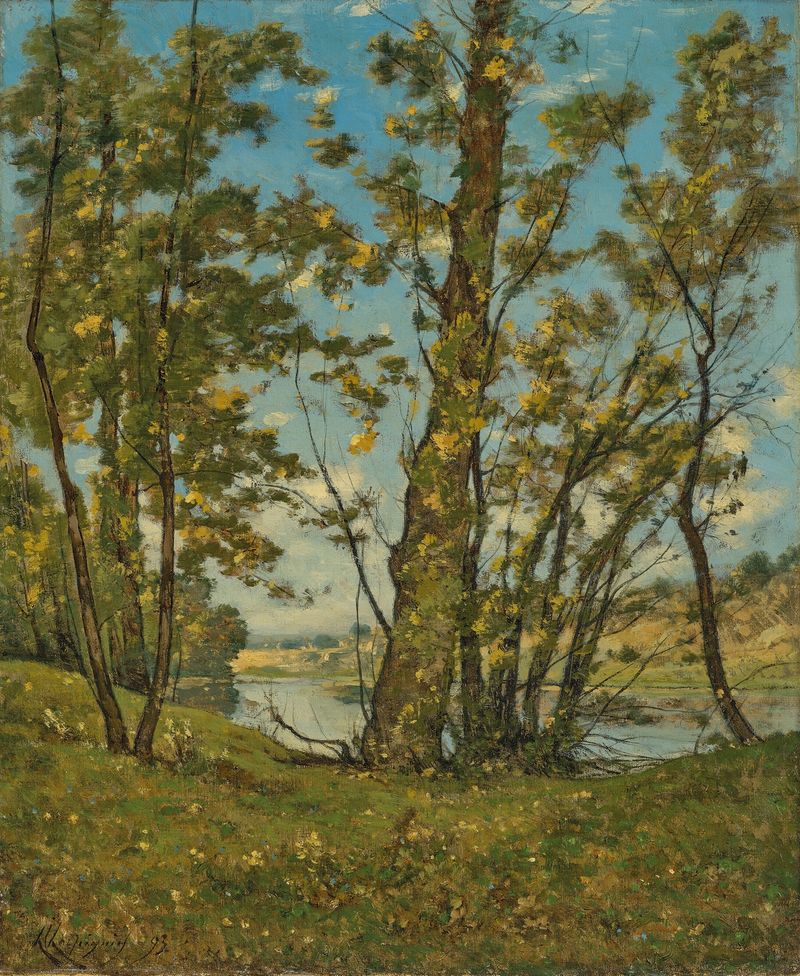
La Loire à Bonny
Henri-Joseph Harpignies
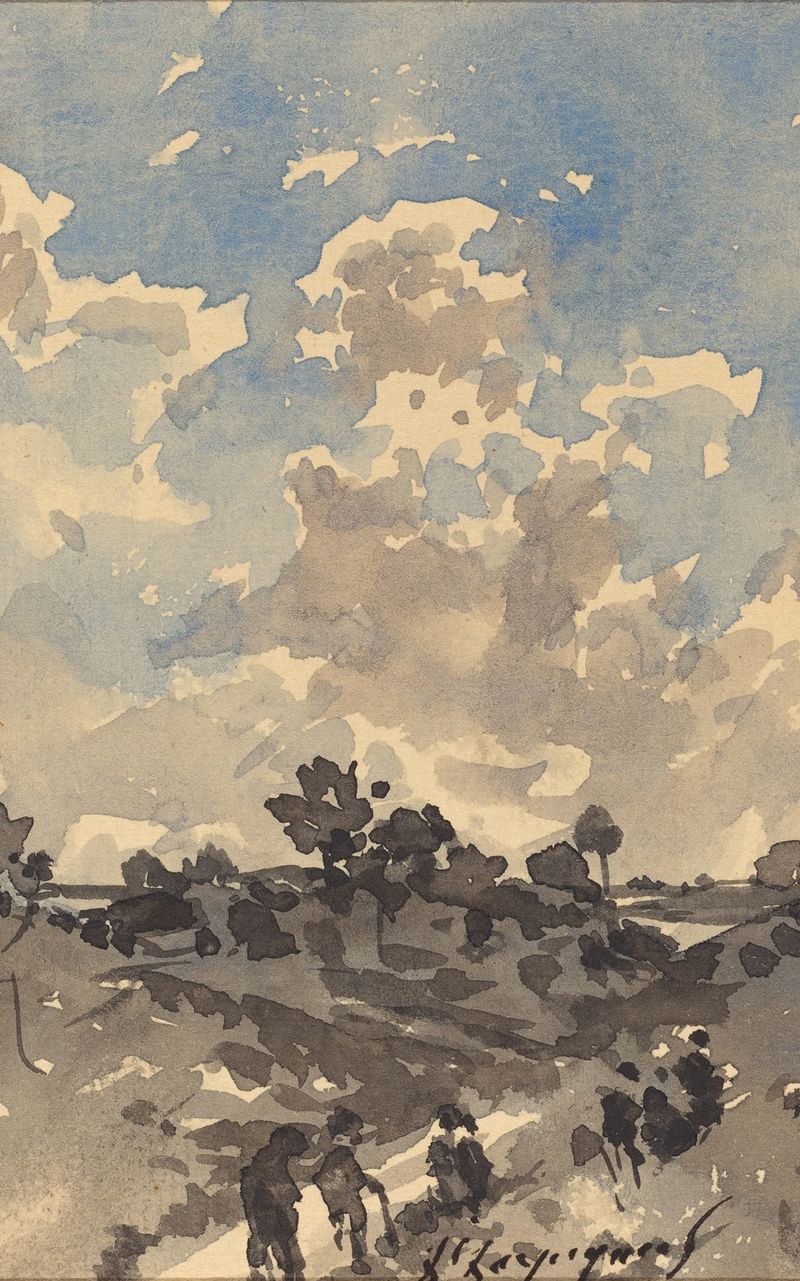
A Landscape with Figures Walking along a Path
Henri-Joseph Harpignies
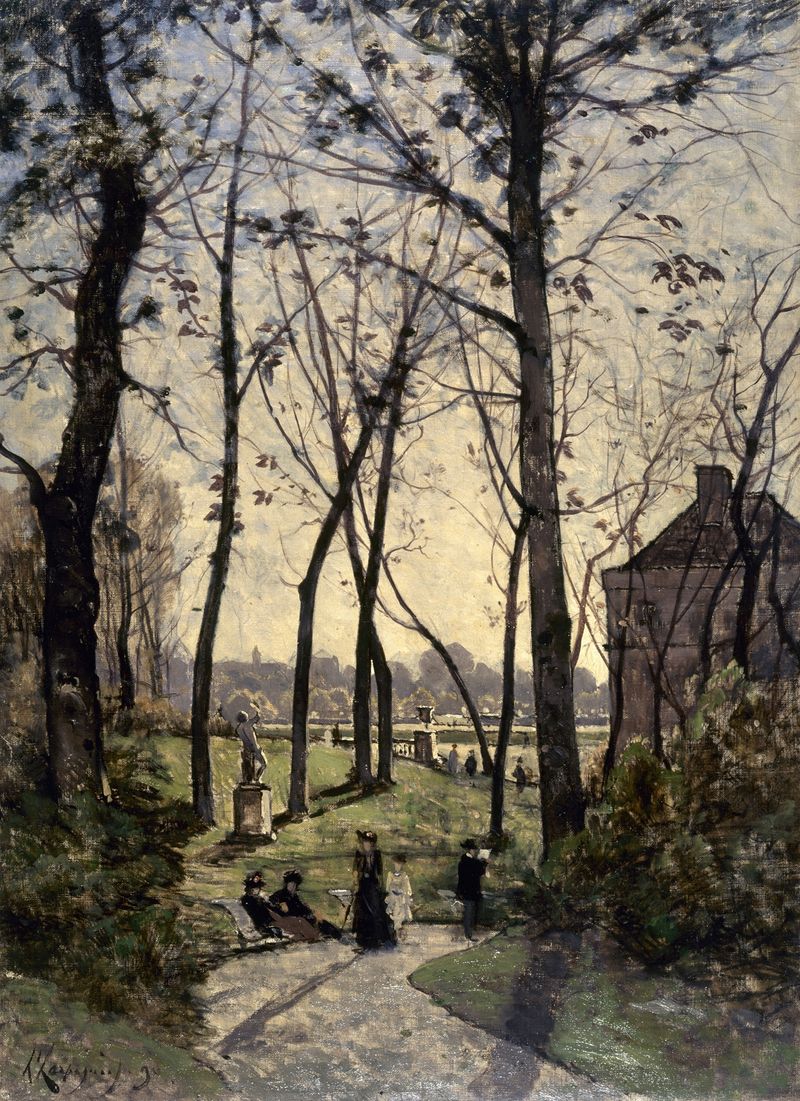
Le jardin du Luxembourg
Henri-Joseph Harpignies
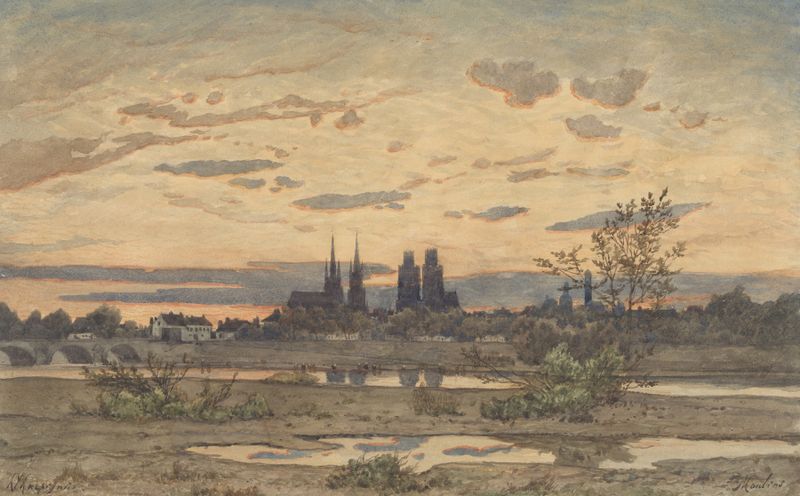
A View of Moulins
Henri-Joseph Harpignies
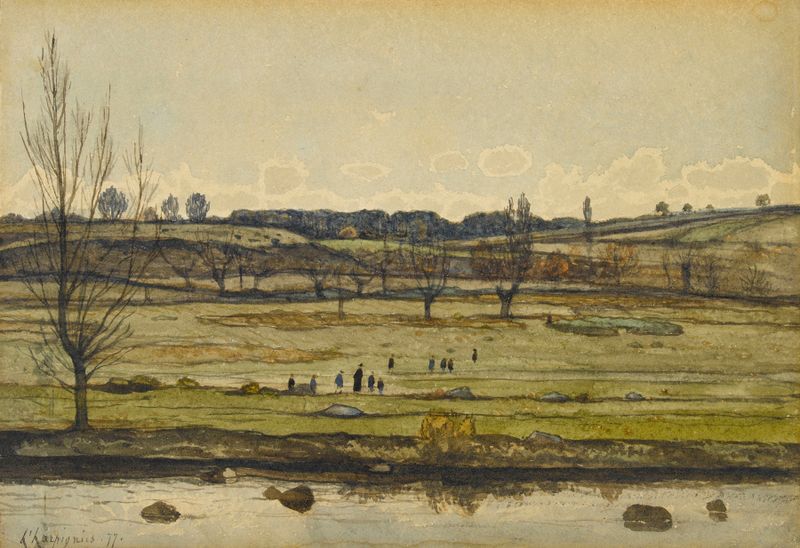
Paysage
Henri-Joseph Harpignies
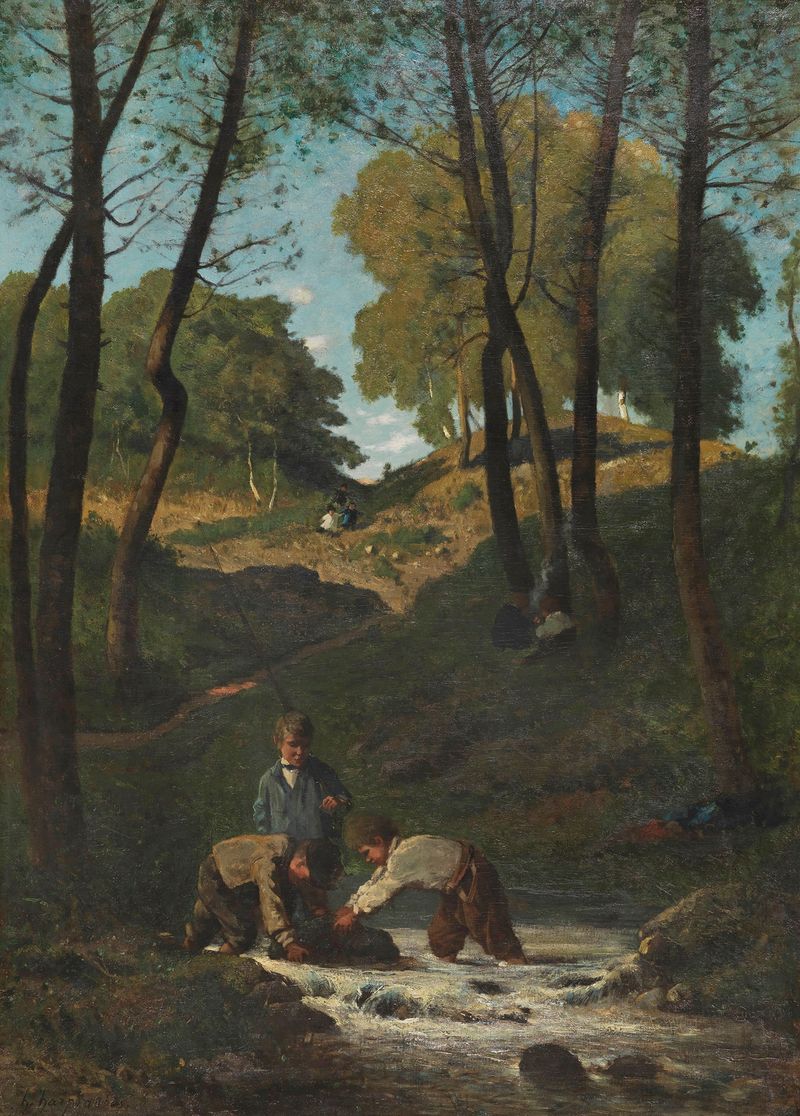
Chercheurs d’écrevisses
Henri-Joseph Harpignies
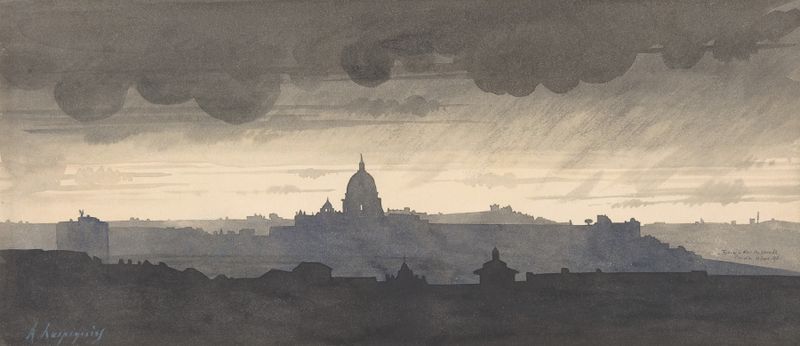
Saint Peter’s Seen From the Pincio, Rome
Henri-Joseph Harpignies
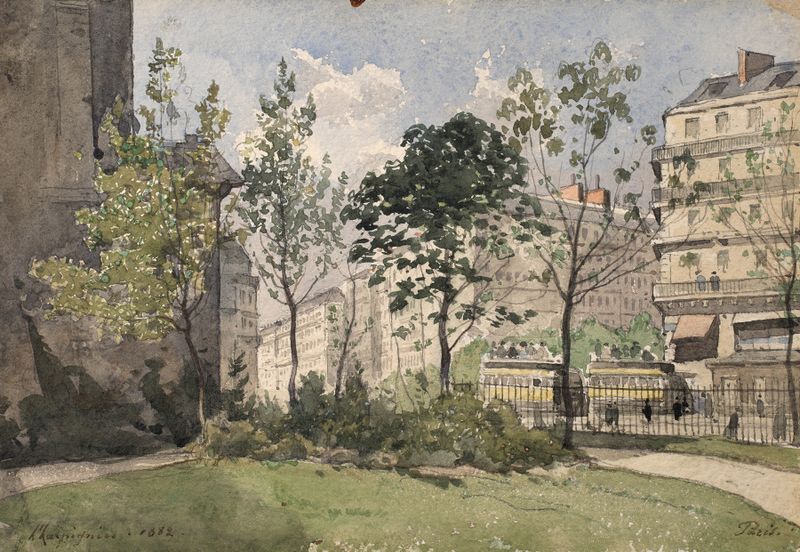
View of the forecourt of the Saint-Germain-des-Prés church
Henri-Joseph Harpignies
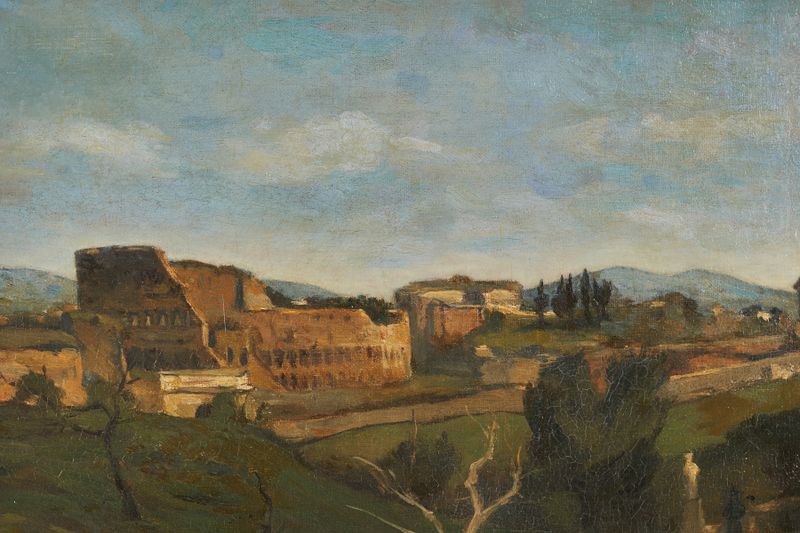
Le Colisée à Rome
Henri-Joseph Harpignies

Villefranche
Henri-Joseph Harpignies





