
Paysage — History & Facts
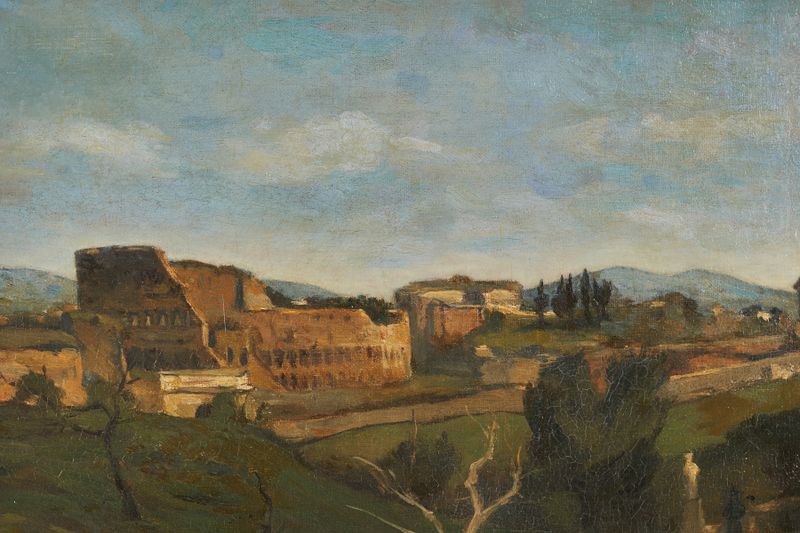
In the ebb and flow of memory, landscapes emerge as quiet witnesses to our past, evoking nostalgia that lingers long after the viewing. Look closely at the horizon where the sky meets the earth. The soft, muted tones of dusk blend seamlessly, creating a delicate gradient that draws the eye upward. Notice how the trees, silhouetted against this backdrop, seem to sway gently in the cool breeze, their leaves whispering secrets of bygone days.
The gentle brushstrokes provide a sense of movement yet instill a stillness; everything feels suspended in time. As you explore further, pay attention to the interplay of light and shadow, revealing an emotional tension between the present and a world that feels just out of reach. The subtle variations in color suggest a passage of time—warm hues signaling the day’s end while cooler tones usher in the approaching night. This duality encapsulates both comfort and melancholy, reminding us that beauty is often tinged with longing. During a period marked by rapid industrialization in France, the artist created this work amidst a flourishing of impressionistic thought.
Living in the late 19th century, Harpignies was influenced by the natural world and sought to capture its essence as society raced forward. His landscapes are a testament to the serene beauty of rural life, serving as both homage and a gentle reminder of what we might lose in the pursuit of progress.
More Artworks by Henri-Joseph Harpignies
Browse all →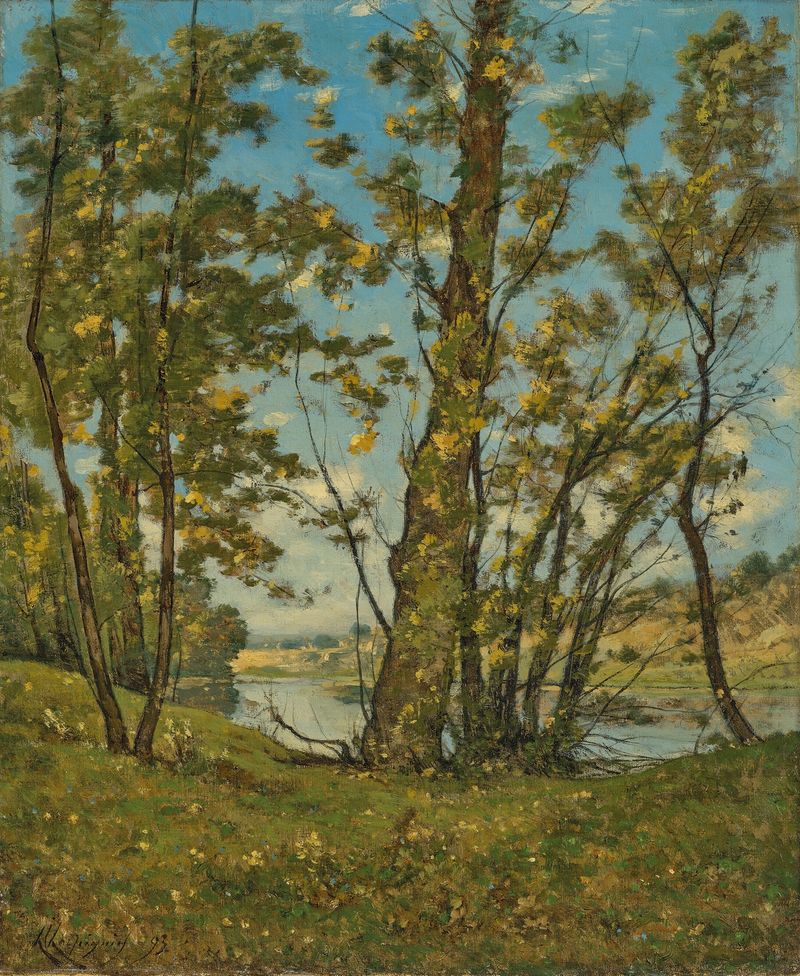
La Loire à Bonny
Henri-Joseph Harpignies
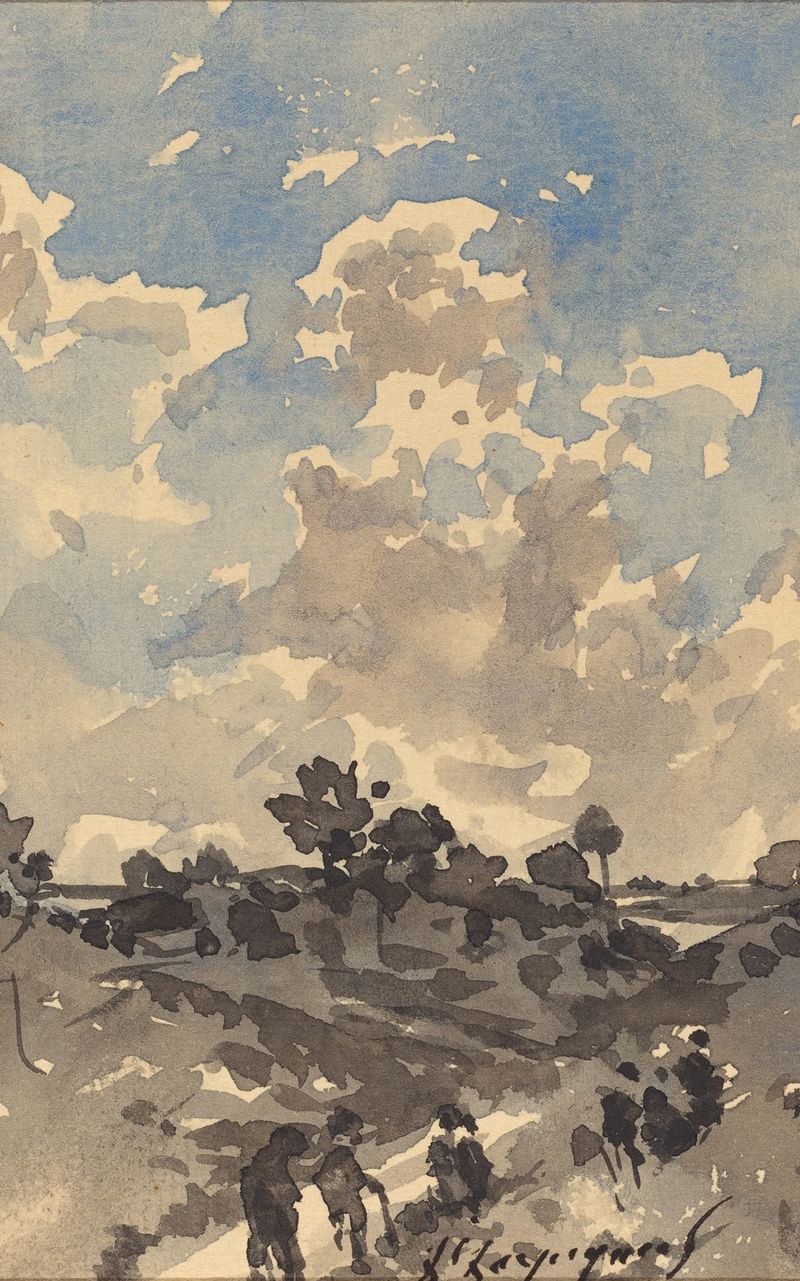
A Landscape with Figures Walking along a Path
Henri-Joseph Harpignies
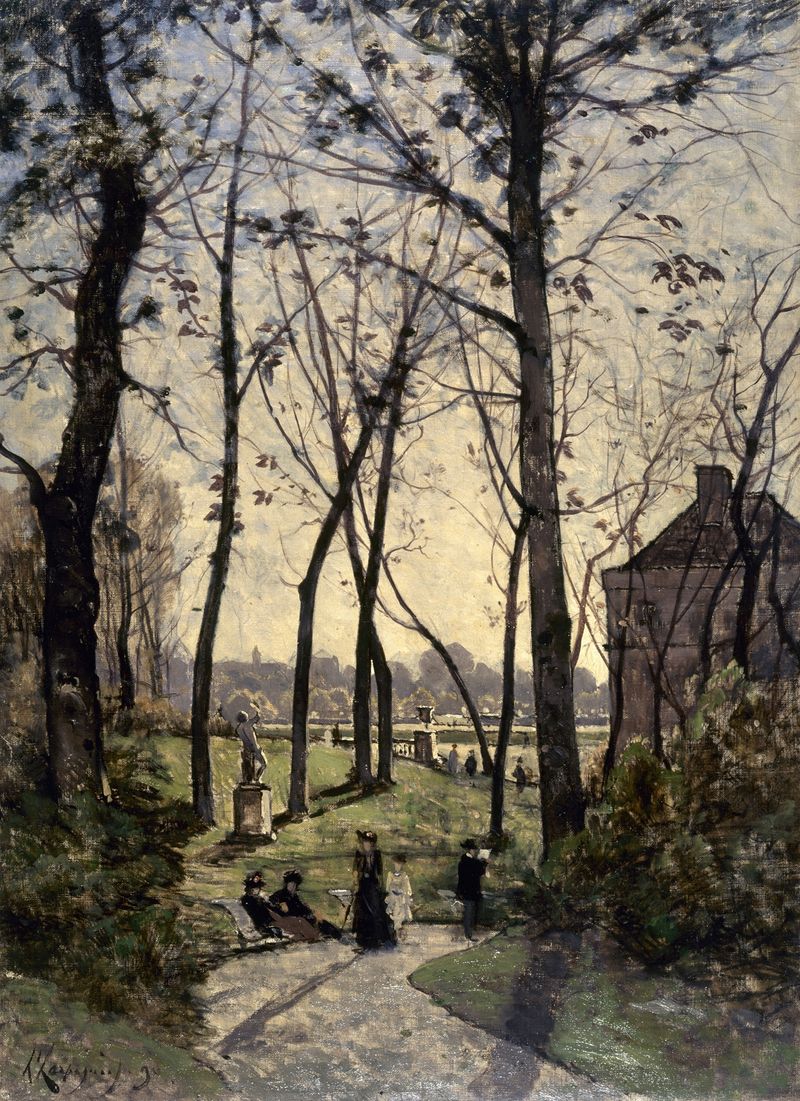
Le jardin du Luxembourg
Henri-Joseph Harpignies
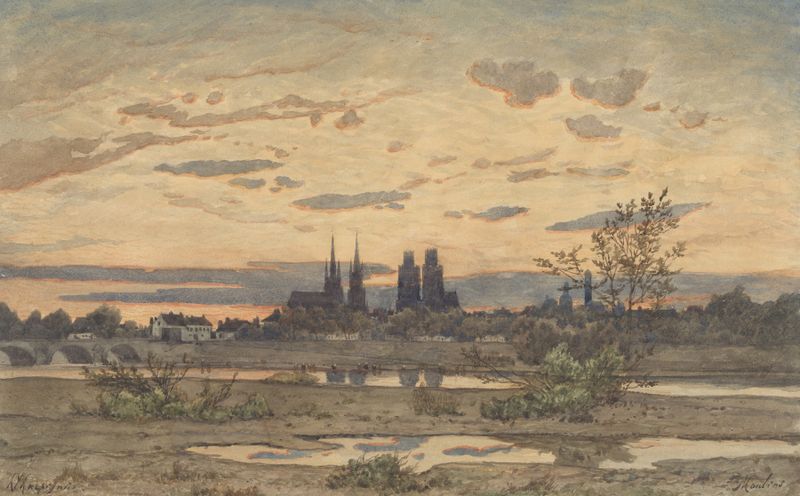
A View of Moulins
Henri-Joseph Harpignies
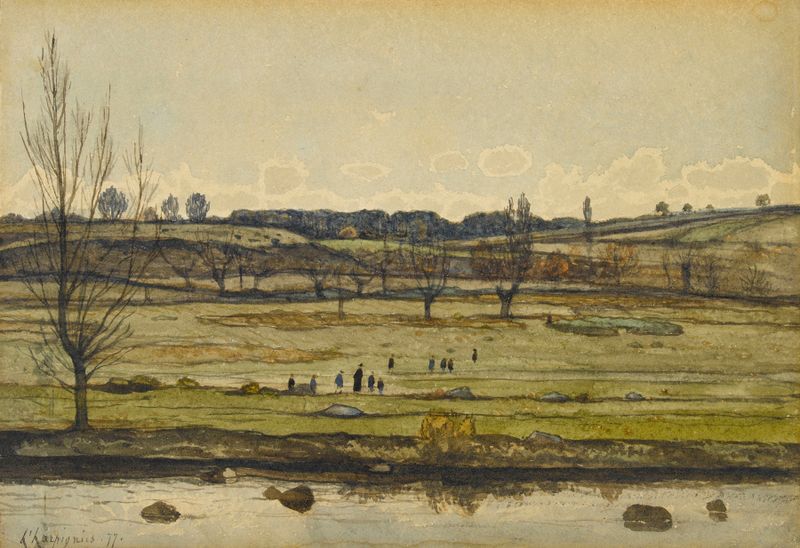
Paysage
Henri-Joseph Harpignies
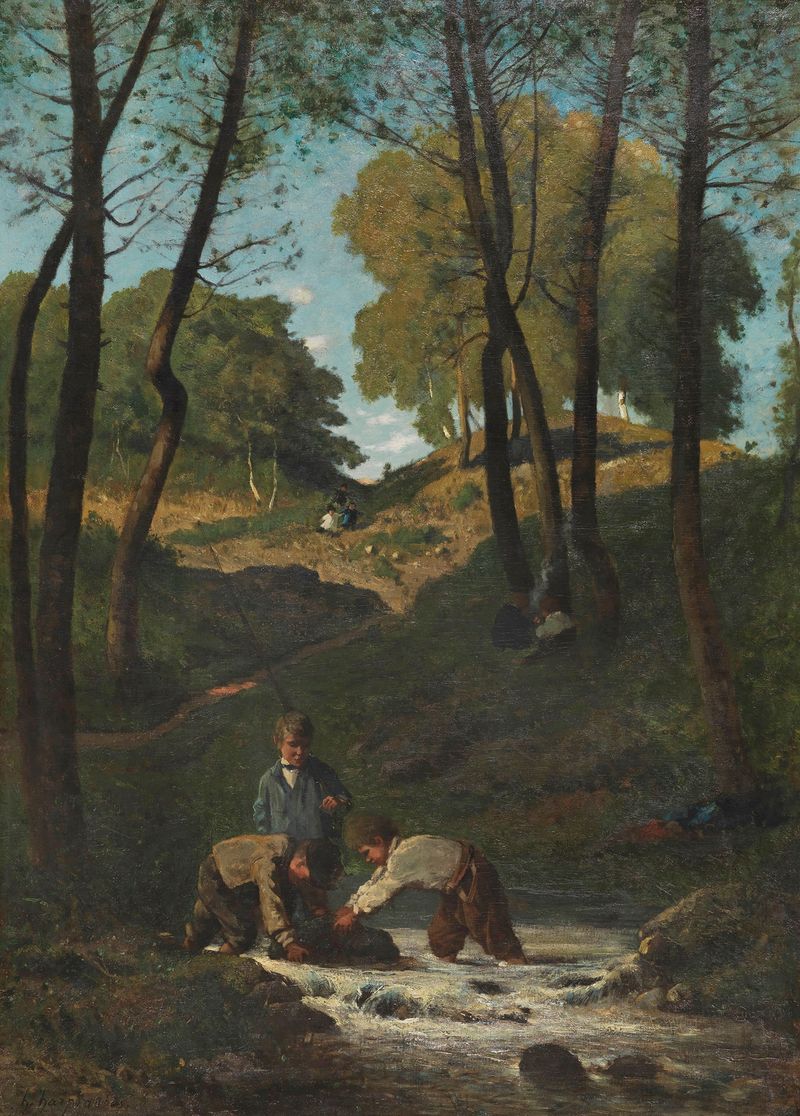
Chercheurs d’écrevisses
Henri-Joseph Harpignies
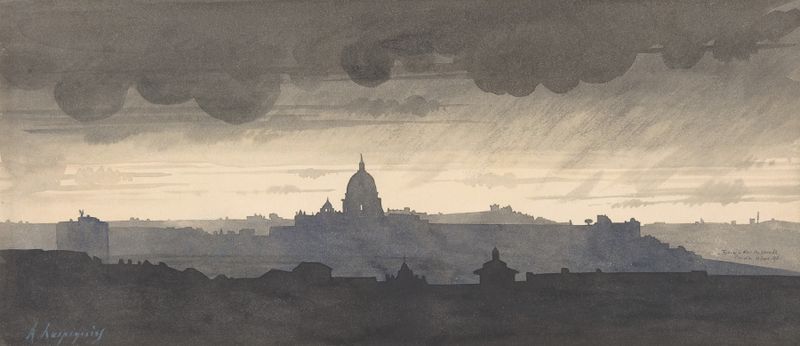
Saint Peter’s Seen From the Pincio, Rome
Henri-Joseph Harpignies
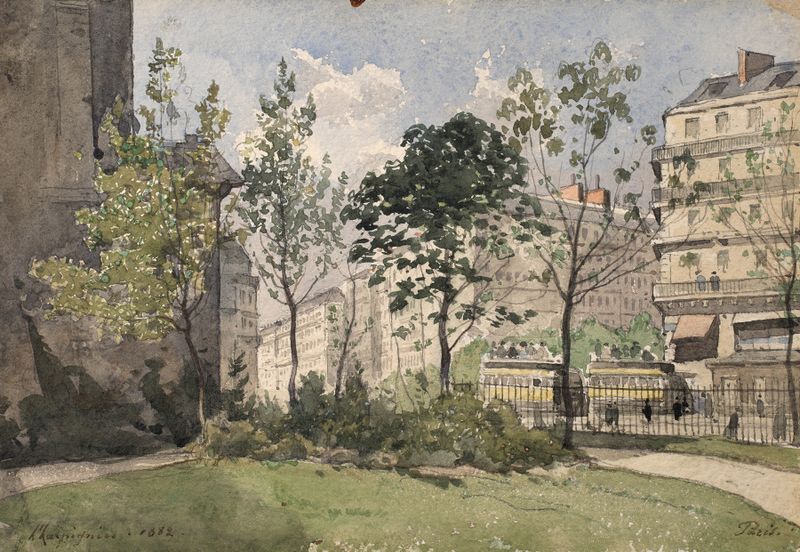
View of the forecourt of the Saint-Germain-des-Prés church
Henri-Joseph Harpignies
Le Colisée à Rome
Henri-Joseph Harpignies

Villefranche
Henri-Joseph Harpignies





