
Paysage (arbustes) — History & Facts
What secret hides in the quiet of the canvas? In the stillness of Paysage (arbustes), beauty whispers through the foliage, inviting the viewer to pause and reflect on nature's subtle elegance. Look to the left at the delicate swath of green, where the bristling shrubs emerge gently from the canvas. The artist's brushstrokes create a lush tapestry of texture, inviting your eye to dance along the layered dimensions of leaves and petals. Notice how the light filters through, illuminating the foliage in soft, dappled hues of emerald and sage, while earthy browns ground the composition, offering a tranquil contrast to the vibrant greens. The emotional tension lies in the interplay between the wildness of nature and the serenity it embodies.
Each shrub seems alive, yet simultaneously evokes a sense of stillness, as if time momentarily pauses in this verdant sanctuary. There is a subtle dialogue between light and shadow, suggesting both the fleeting nature of beauty and the enduring presence of the natural world. This duality invites contemplation on the intimate relationship humans share with their environment. In 1912, Harpignies was deeply engaged with the Impressionist movement and was painting primarily in France.
At this time, he was exploring the nuances of light and color, influenced by the ideals of capturing the ephemeral qualities of landscapes. His work reflected a shift in the art world, as artists began to embrace the beauty of the ordinary, revealing the profound within the mundane and reaffirming nature as a source of inspiration.
More Artworks by Henri-Joseph Harpignies
Browse all →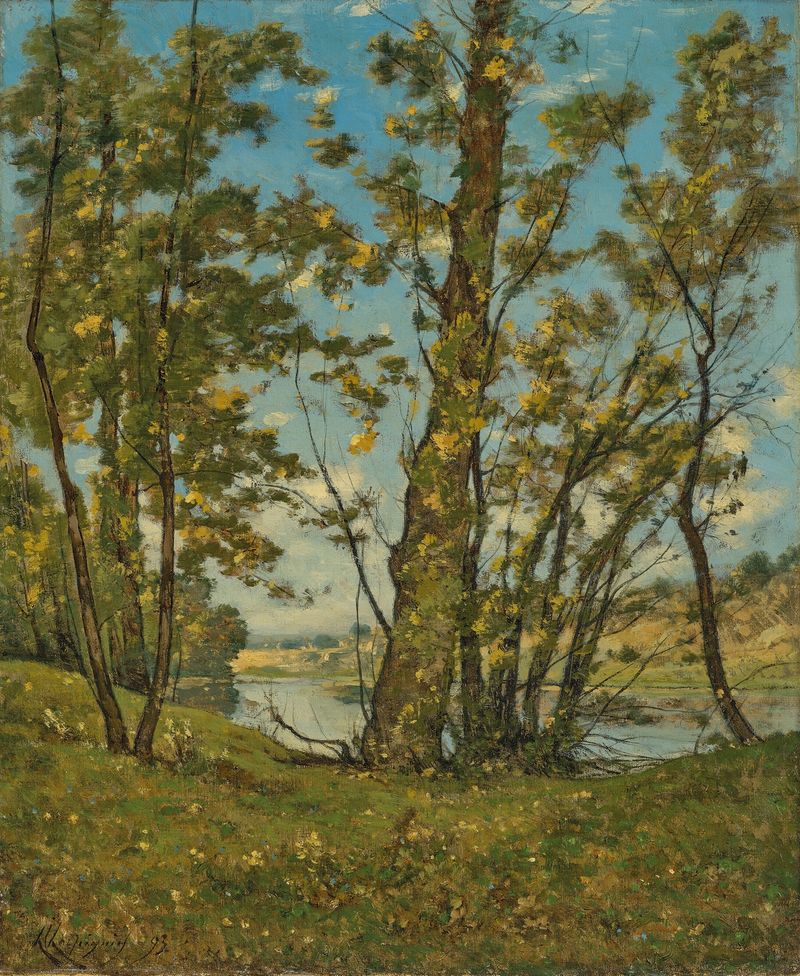
La Loire à Bonny
Henri-Joseph Harpignies
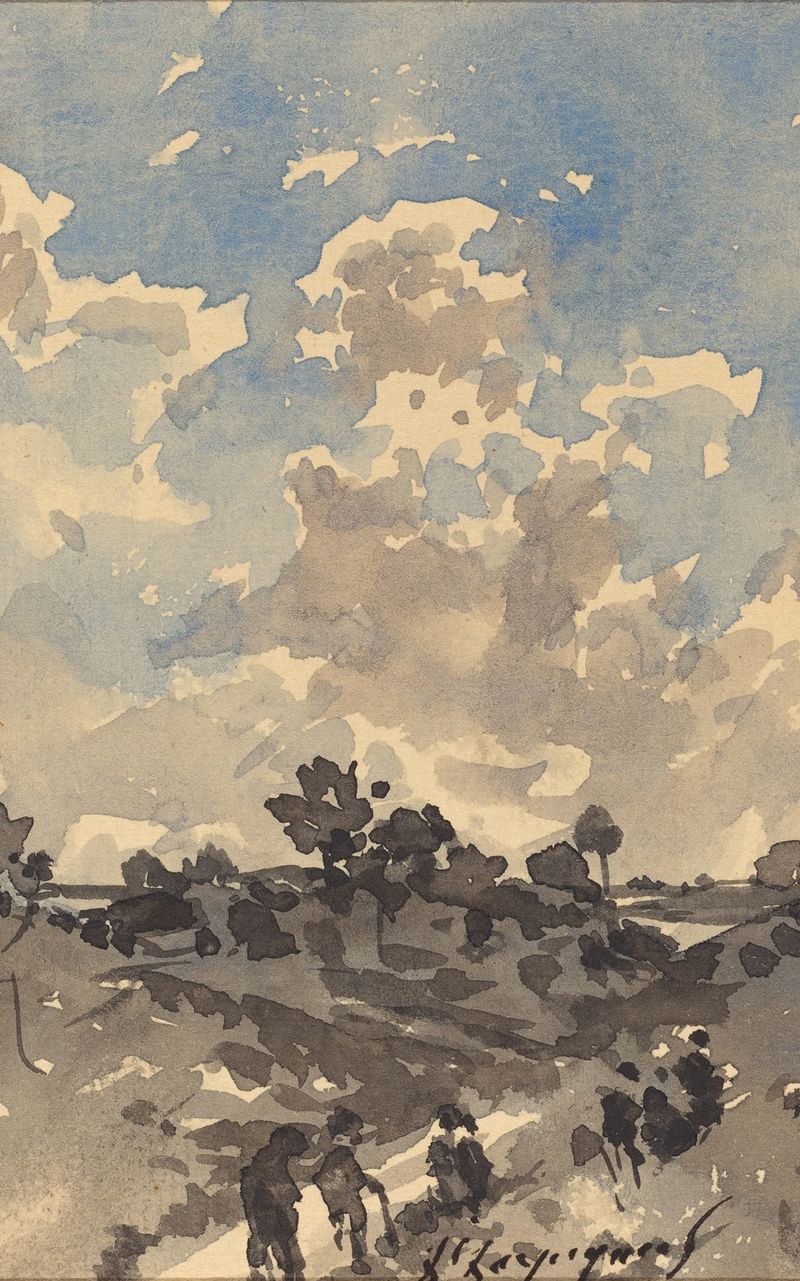
A Landscape with Figures Walking along a Path
Henri-Joseph Harpignies
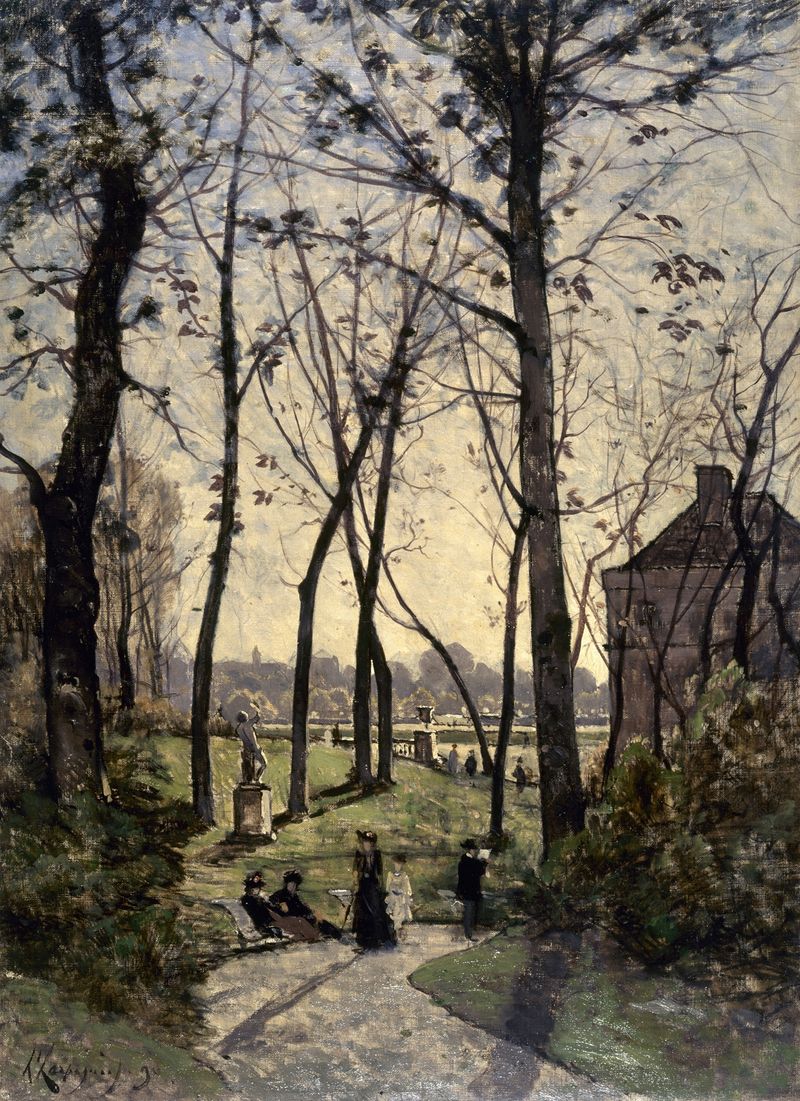
Le jardin du Luxembourg
Henri-Joseph Harpignies
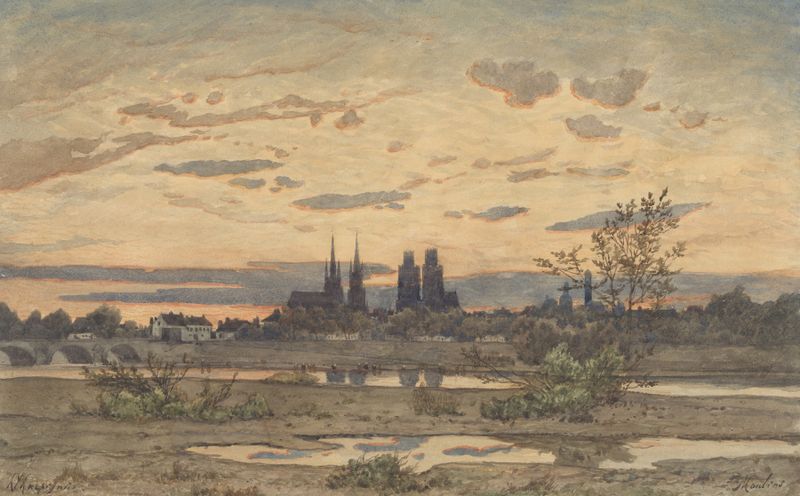
A View of Moulins
Henri-Joseph Harpignies
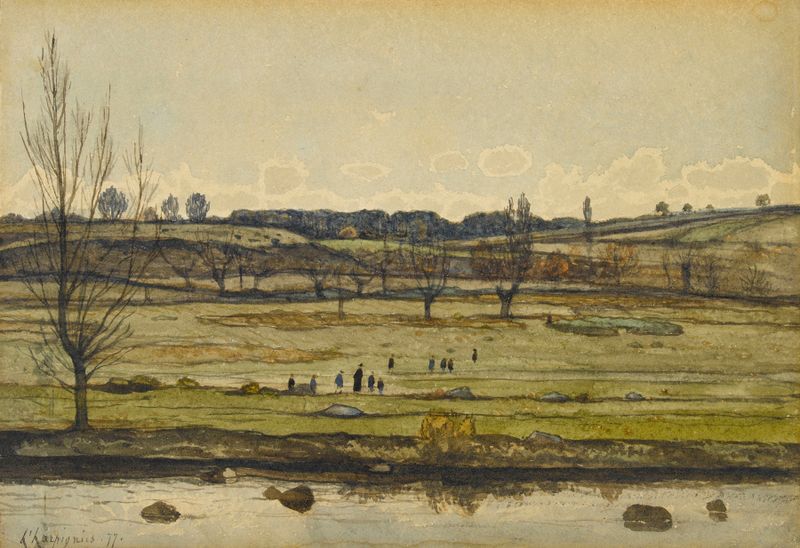
Paysage
Henri-Joseph Harpignies
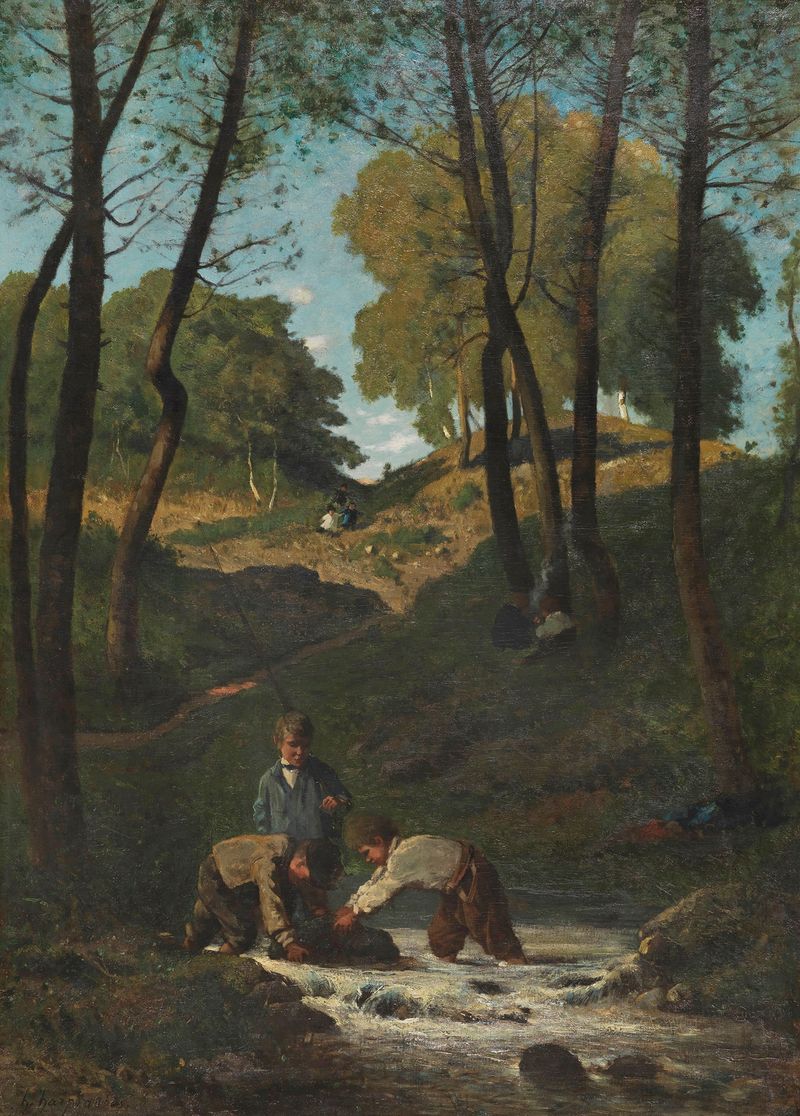
Chercheurs d’écrevisses
Henri-Joseph Harpignies
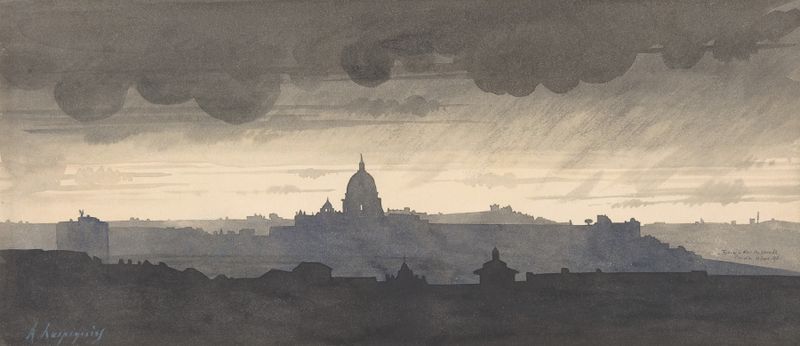
Saint Peter’s Seen From the Pincio, Rome
Henri-Joseph Harpignies
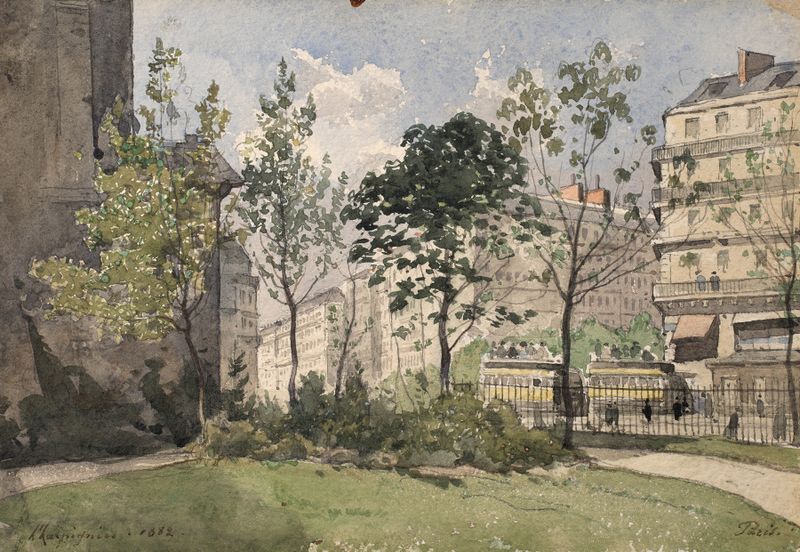
View of the forecourt of the Saint-Germain-des-Prés church
Henri-Joseph Harpignies
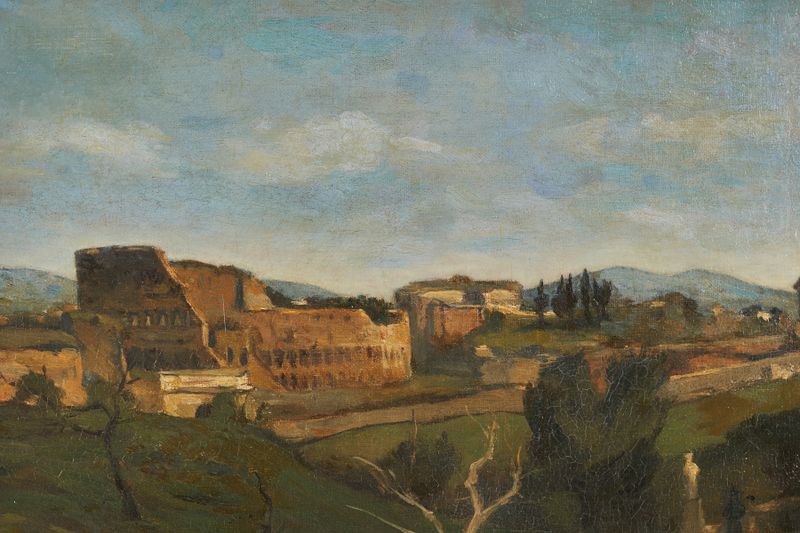
Le Colisée à Rome
Henri-Joseph Harpignies

Villefranche
Henri-Joseph Harpignies





