
Paysage au crépuscule — History & Facts
Could beauty survive in a century of chaos? In Paysage au crépuscule, the answer lies in the delicate balance of light and shadow, where nature reveals both its fragility and resilience. Look to the horizon, where a warm, golden glow bathes the landscape, illuminating the soft outlines of trees and fields. The sky, a canvas of deep oranges and muted purples, draws your gaze upward, while the foreground features lush greens that whisper of late summer’s abundance. Notice how the artist’s gentle brushstrokes evoke a sense of tranquility, contrasting with the encroaching darkness that hints at the inevitable nightfall, instilling an emotional tension between the ephemeral beauty of dusk and the permanence of twilight’s approach. Within the painting, subtle details convey deeper meanings: the way the silhouettes of the trees stand resolute against the fading light speaks of endurance, while the blending colors suggest a fleeting moment, a reminder of life's transience.
The quietness of the scene embodies a longing for connection with the natural world, revealing how these serene landscapes capture not only beauty but also the fragility of time itself. Created in 1909, this piece reflects Harpignies' desire to depict the transformative power of light in his landscapes. At this point in his life, he was deeply engaged with the Impressionist movement, which emphasized capturing fleeting moments in nature. The world was rapidly changing, yet through his work, the artist sought to preserve the ephemeral splendor of the landscape, inviting viewers to pause and appreciate its fragile beauty amidst rising chaos.
More Artworks by Henri-Joseph Harpignies
Browse all →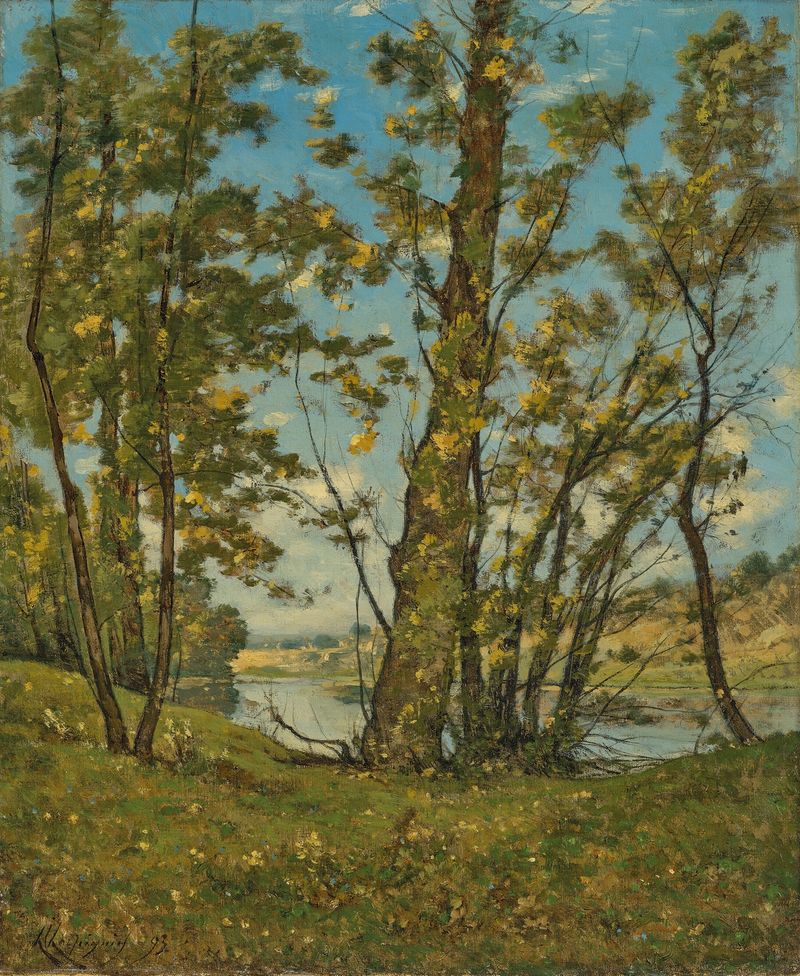
La Loire à Bonny
Henri-Joseph Harpignies
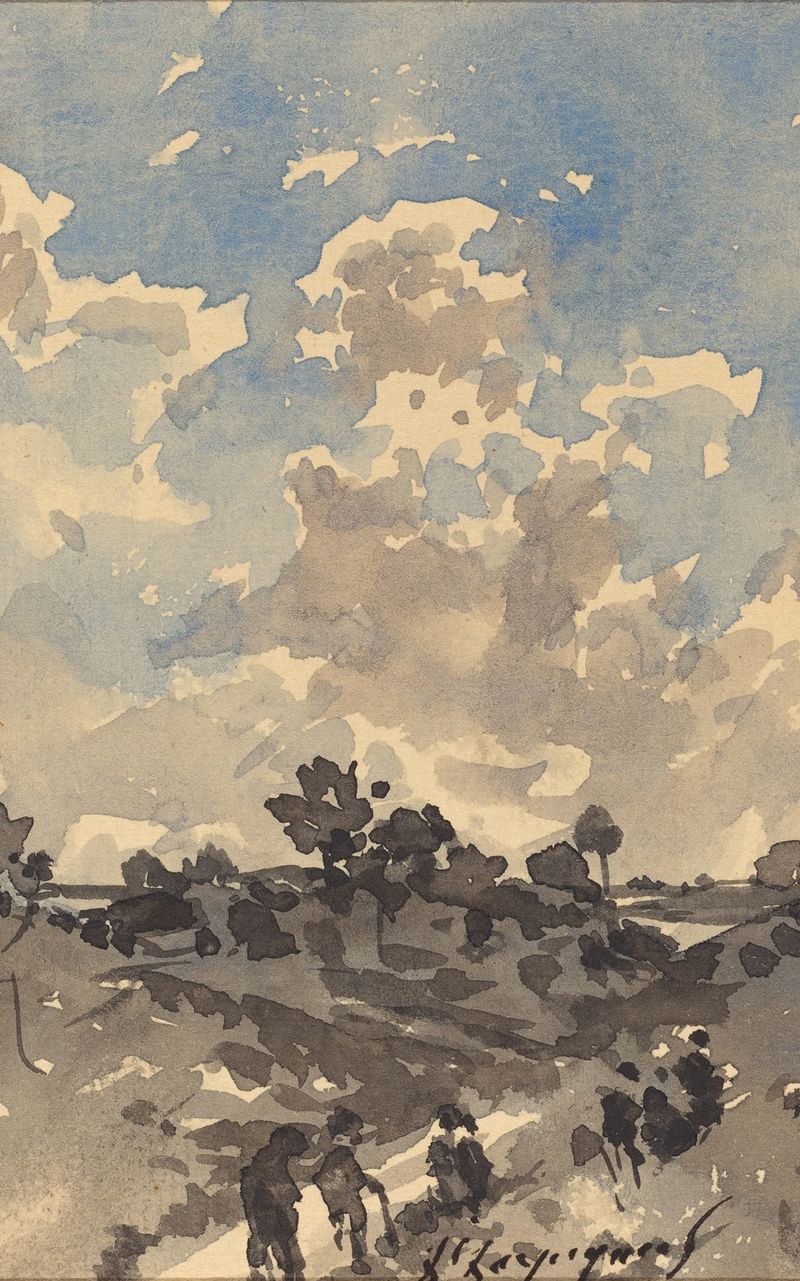
A Landscape with Figures Walking along a Path
Henri-Joseph Harpignies
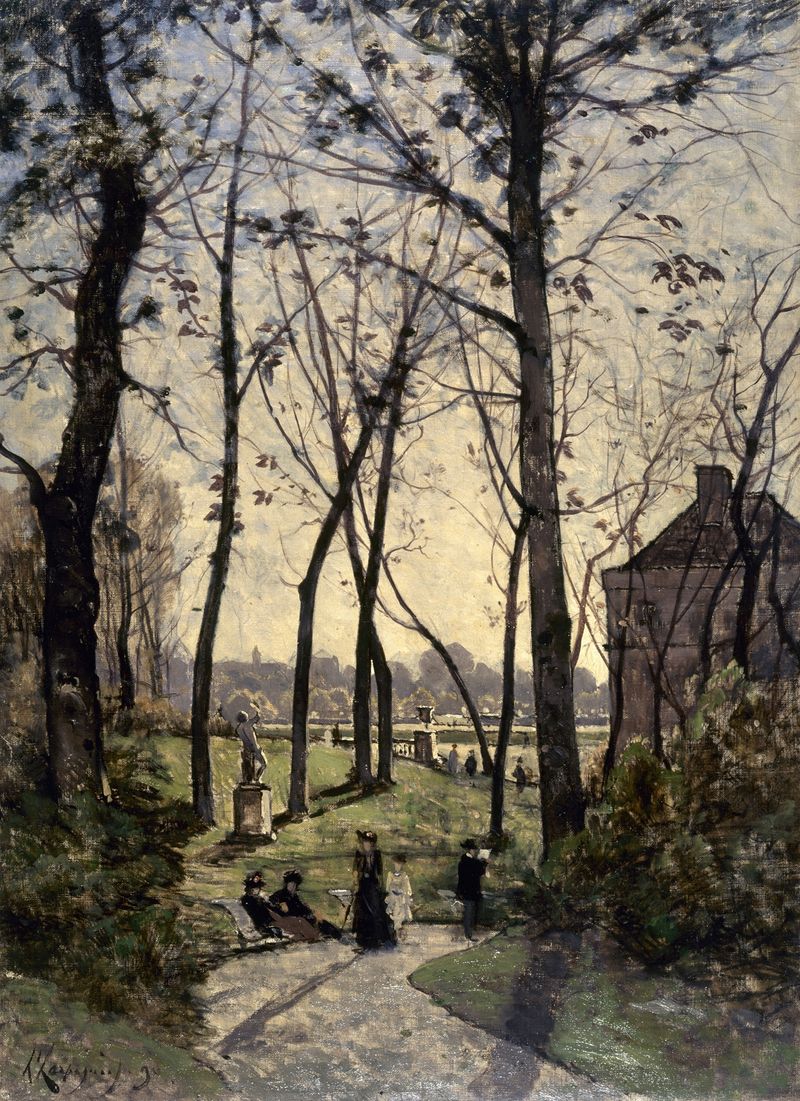
Le jardin du Luxembourg
Henri-Joseph Harpignies
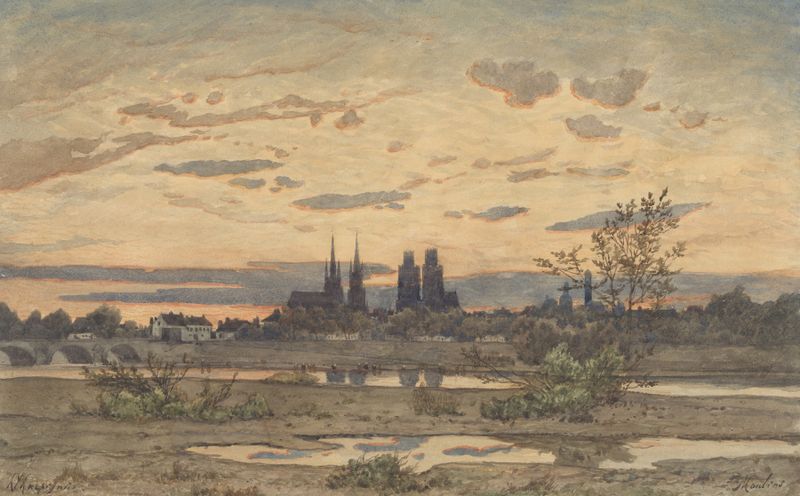
A View of Moulins
Henri-Joseph Harpignies
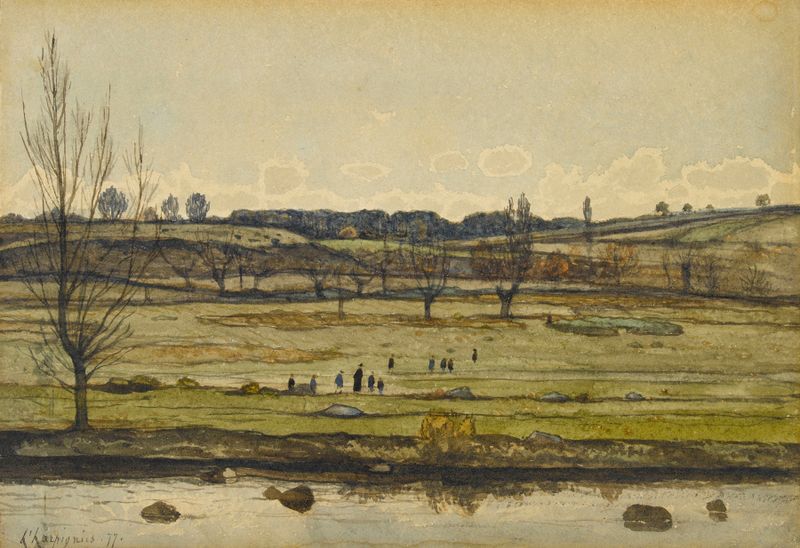
Paysage
Henri-Joseph Harpignies
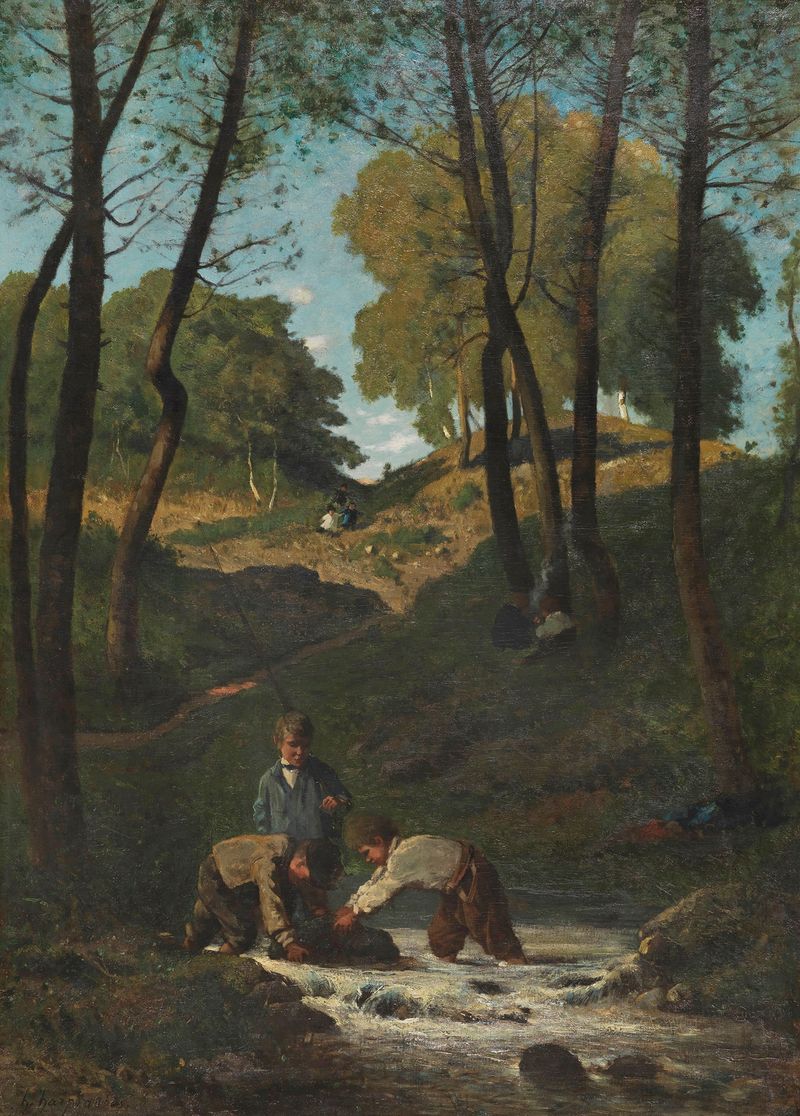
Chercheurs d’écrevisses
Henri-Joseph Harpignies
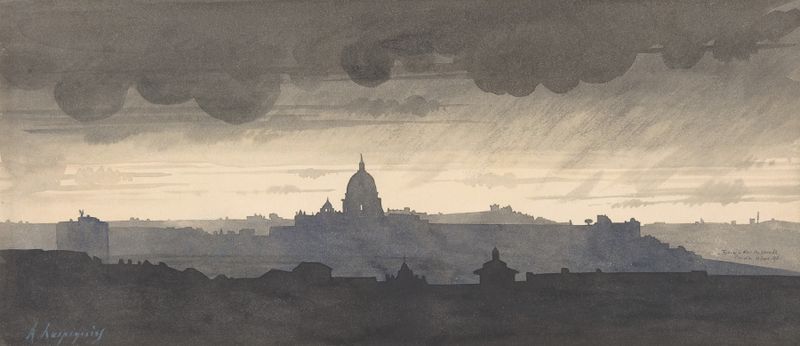
Saint Peter’s Seen From the Pincio, Rome
Henri-Joseph Harpignies
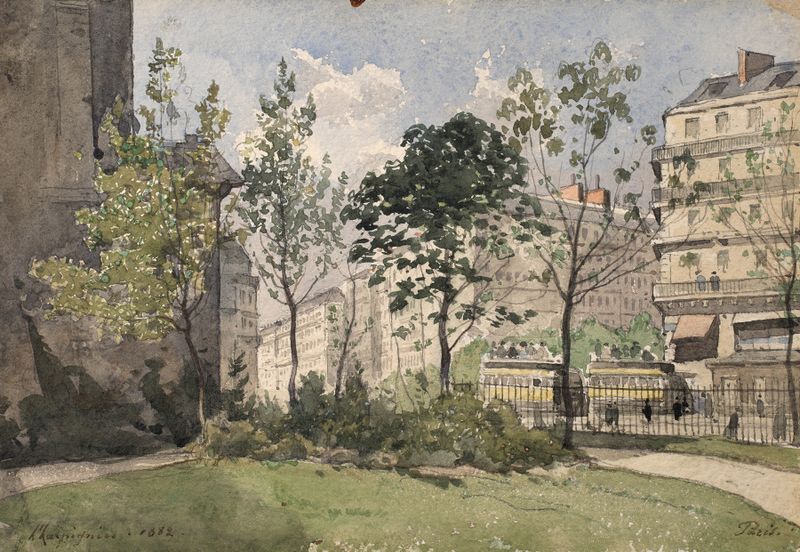
View of the forecourt of the Saint-Germain-des-Prés church
Henri-Joseph Harpignies
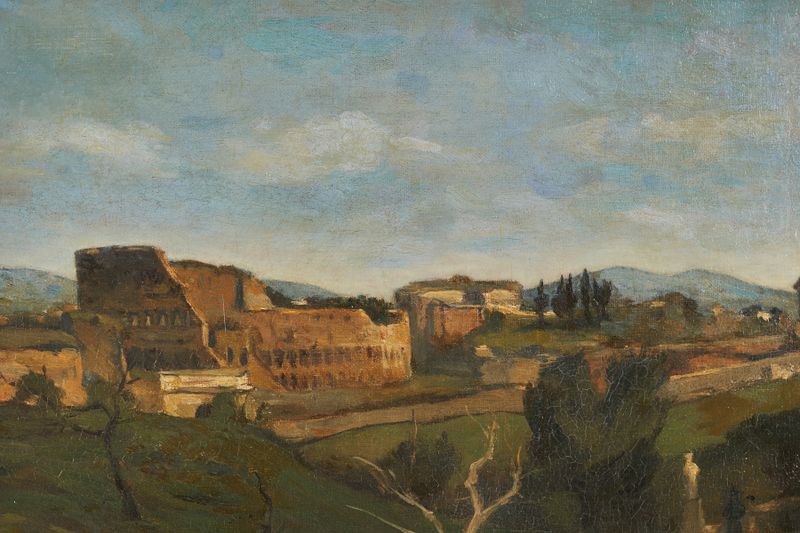
Le Colisée à Rome
Henri-Joseph Harpignies

Villefranche
Henri-Joseph Harpignies





