
Paysage au crépuscule — History & Facts
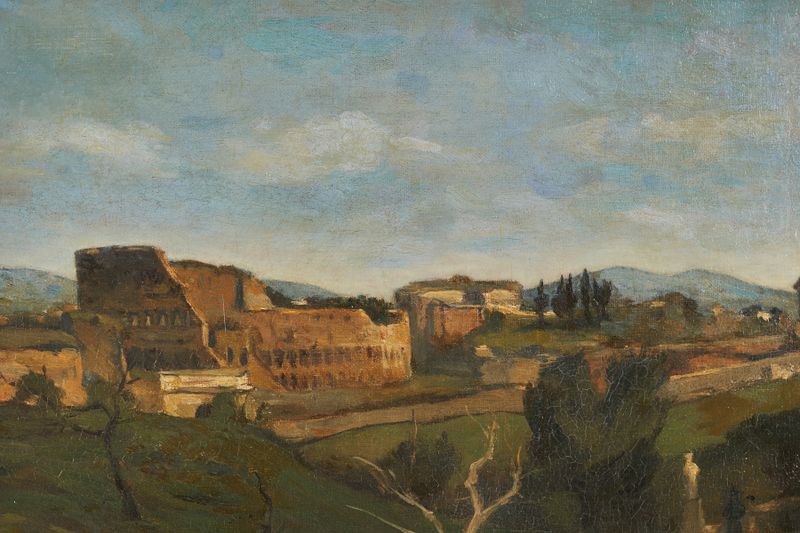
When did color learn to lie? A question lingers in the air, calling us to ponder the divine whispers hidden in the hues of twilight. In Paysage au crépuscule, a rich tapestry of nature unfolds, inviting viewers to explore the depths of its serene yet vibrant world. Look to the left at the rolling hills, draped in a luscious green that contrasts starkly against the fading light. The soft, glowing oranges and pinks of the sky spill over the horizon, illuminating the scene with a gentle warmth.
Notice how the delicate brushstrokes blend seamlessly, creating a dreamlike quality that blurs the line between reality and imagination. Each element is a testament to the artist’s mastery of color and light, meticulously balanced to evoke both peace and a subtle sense of longing. Beneath the tranquil surface, there lies a tension between the natural beauty of the landscape and the encroaching dusk. The silhouette of the trees, reaching out with elongated shadows, hints at the passage of time, suggesting that even the most picturesque moments are fleeting.
The contrast between light and dark serves not only to highlight the divine beauty of the scene but also to remind us of our own transient existence within it. In 1910, Harpignies created this work during a period marked by the shift towards modernity in the art world, as Impressionism faced new challenges. Living primarily in France, he drew inspiration from the changing landscapes around him, celebrating the divine in nature as the world rapidly transformed. His commitment to capturing the essence of light in a serene moment speaks volumes about his dedication to translating the emotional experience of the viewer into his art.
More Artworks by Henri-Joseph Harpignies
Browse all →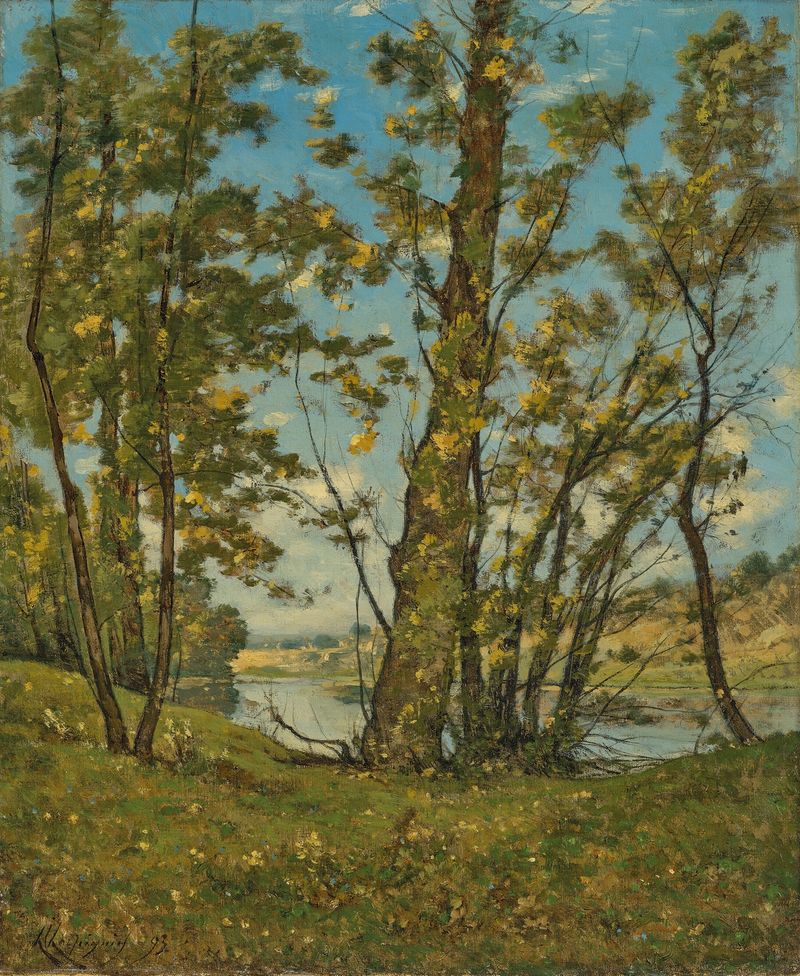
La Loire à Bonny
Henri-Joseph Harpignies
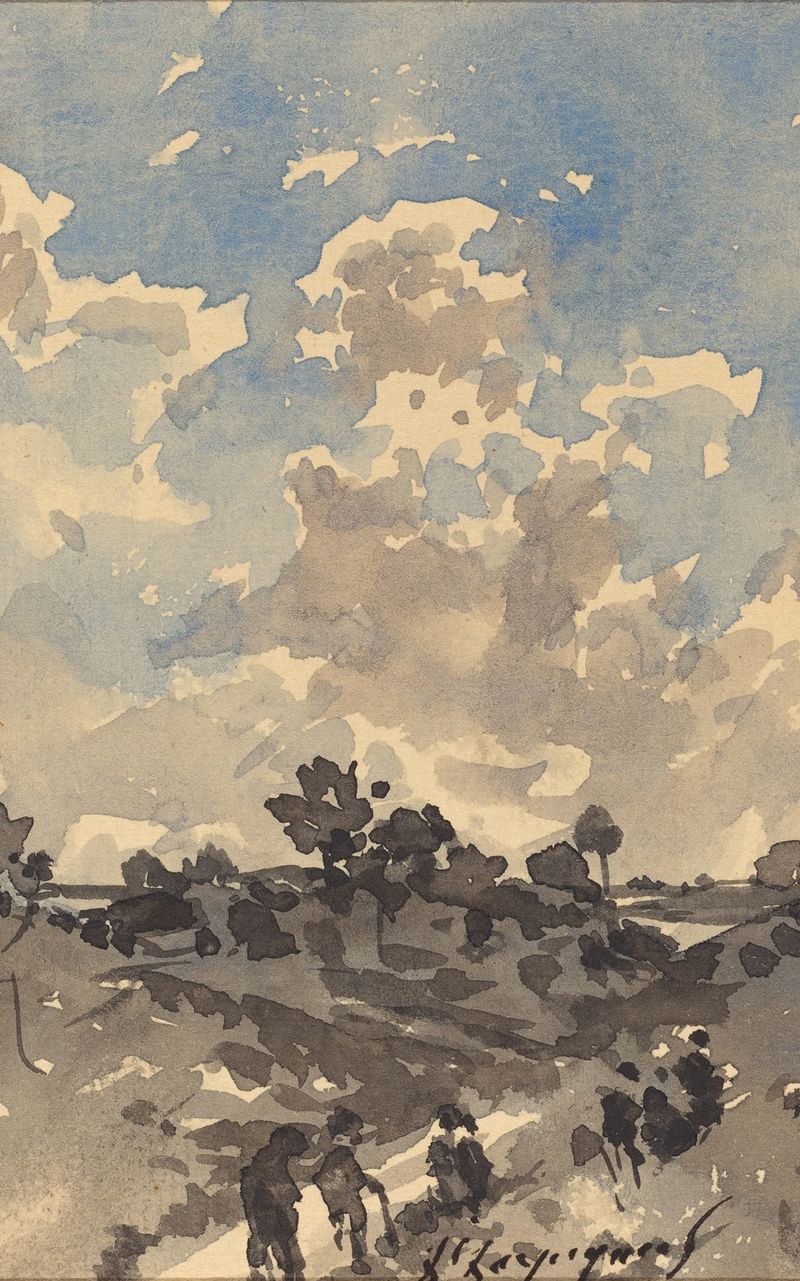
A Landscape with Figures Walking along a Path
Henri-Joseph Harpignies
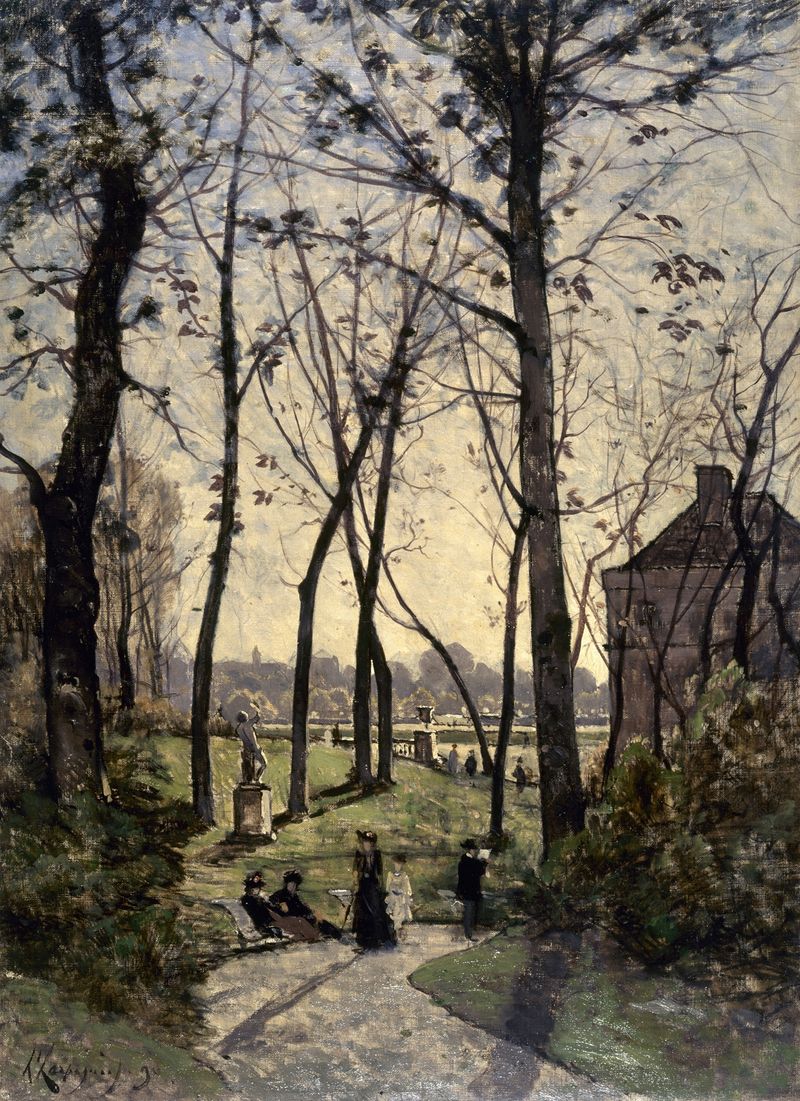
Le jardin du Luxembourg
Henri-Joseph Harpignies
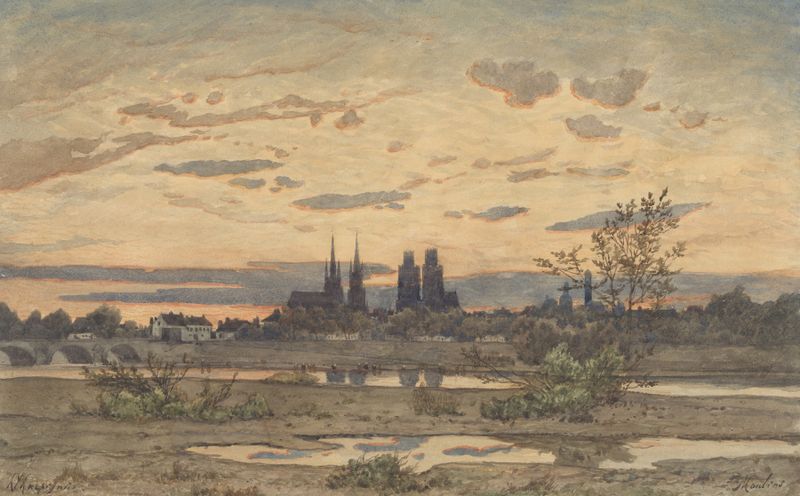
A View of Moulins
Henri-Joseph Harpignies
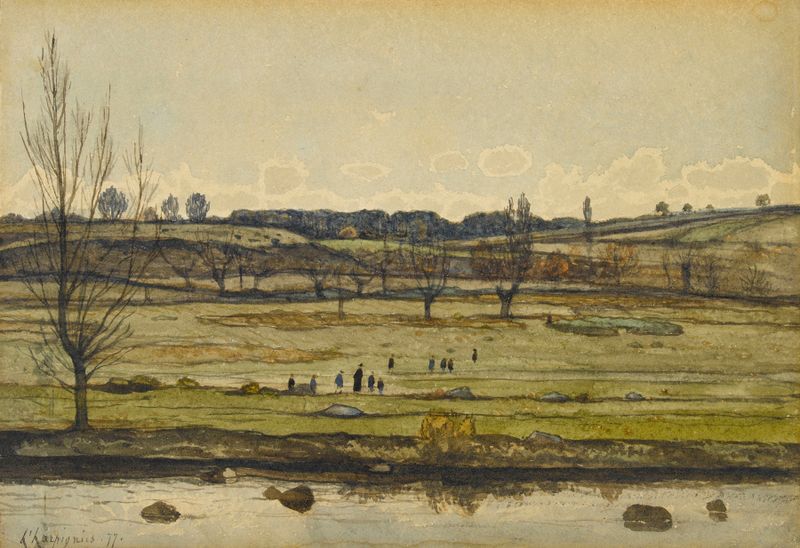
Paysage
Henri-Joseph Harpignies
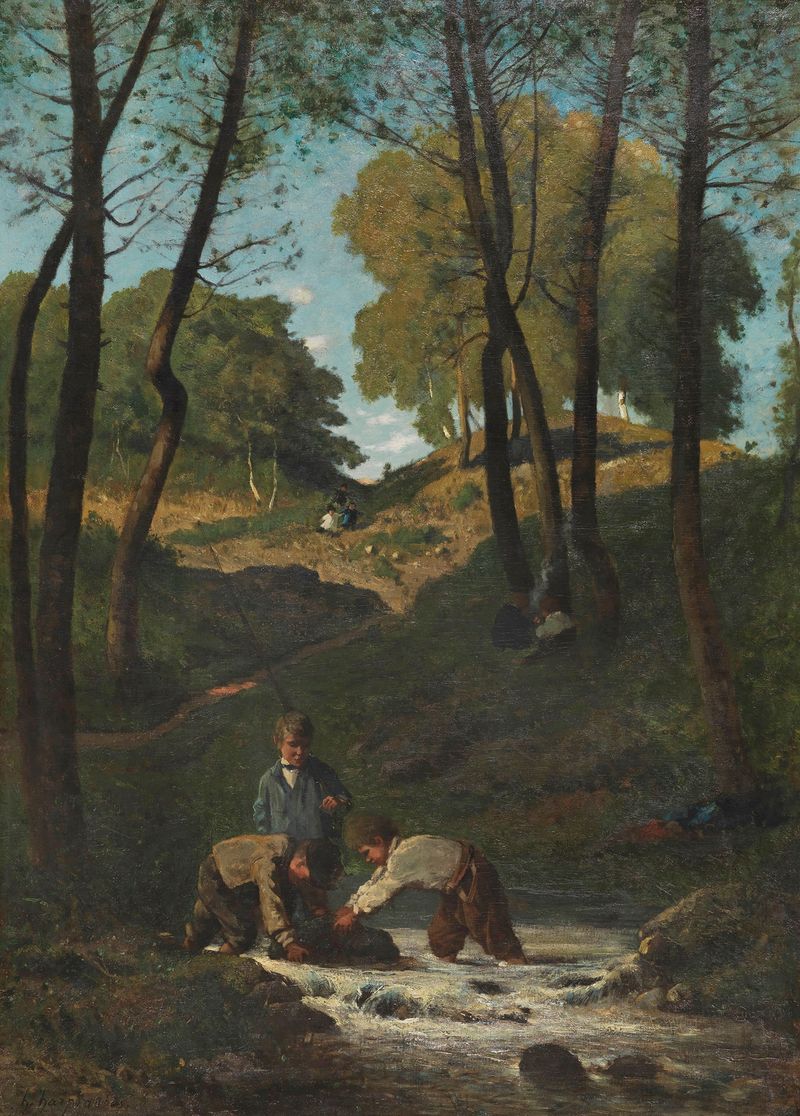
Chercheurs d’écrevisses
Henri-Joseph Harpignies
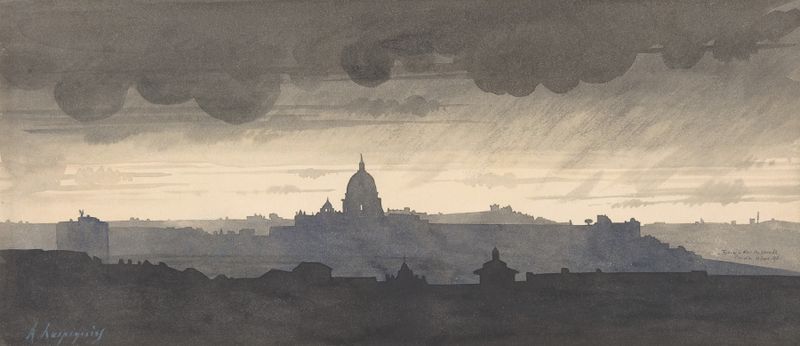
Saint Peter’s Seen From the Pincio, Rome
Henri-Joseph Harpignies
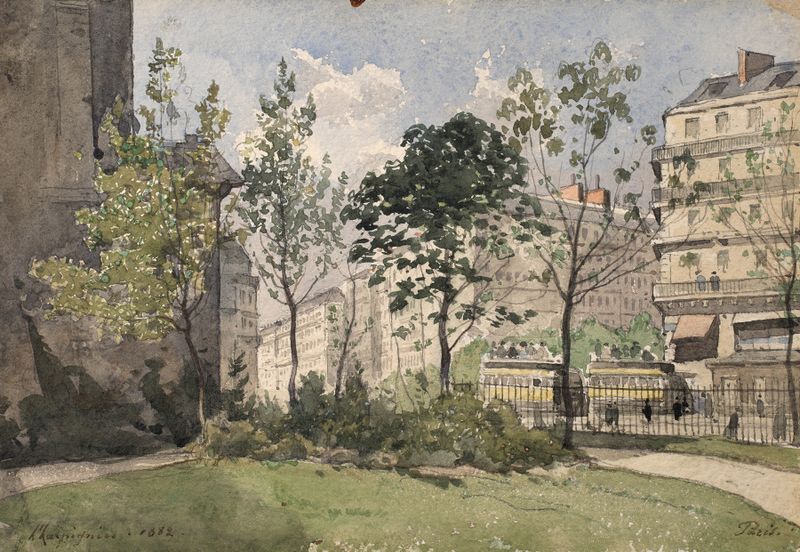
View of the forecourt of the Saint-Germain-des-Prés church
Henri-Joseph Harpignies
Le Colisée à Rome
Henri-Joseph Harpignies

Villefranche
Henri-Joseph Harpignies





