
Paysage aux Moissonneurs — History & Facts
Can paint confess what words never could? In the quiet embrace of nature, Paysage aux Moissonneurs captures a moment suspended in time—an invitation to breathe in the serenity of harvest. Focus on the expansive fields stretching across the canvas, brushed with hues of gold and green, a harmonious blend that beckons the eye. Notice how the gentle strokes delineate figures working in the distance, their forms softened by light and shadow, creating a sense of tranquility amidst labor. The horizon line is low, allowing the sky—a tapestry of soft blues and whites—to unfold majestically above, enveloping the scene in a peaceful atmosphere. Delve deeper into the painting, where the contrast between the laborers and the idyllic landscape speaks volumes about the relationship between humanity and nature.
The horizontal lines draw the viewer's gaze outward, suggesting a continuity that transcends the moment depicted. Here, labor is not a burden but a serene communion with the earth, each figure a part of the larger canvas of life, merging seamlessly into the landscape they cultivate. The light, warm and inviting, adds a layer of emotional depth, evoking feelings of harmony and fulfillment. In 1875, Daubigny painted this piece while residing in France, amidst a burgeoning Impressionist movement that sought to capture the ephemeral beauty of everyday life.
It was a period marked by artistic experimentation and a push against traditional forms. As he embraced the tranquility of rural scenes, Daubigny contributed to a growing recognition of the significance of landscapes, blending realism with an impressionistic touch that captured the fleeting qualities of light and atmosphere.
More Artworks by Charles François Daubigny
Browse all →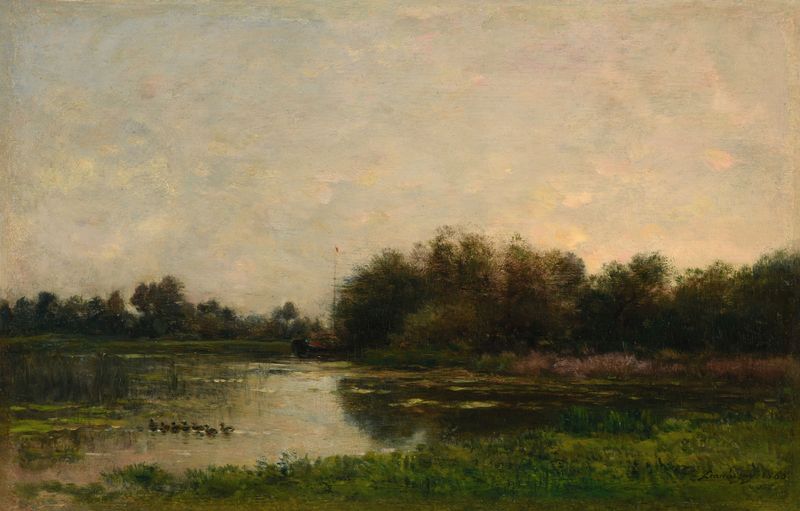
Bords de l’Oise
Charles François Daubigny
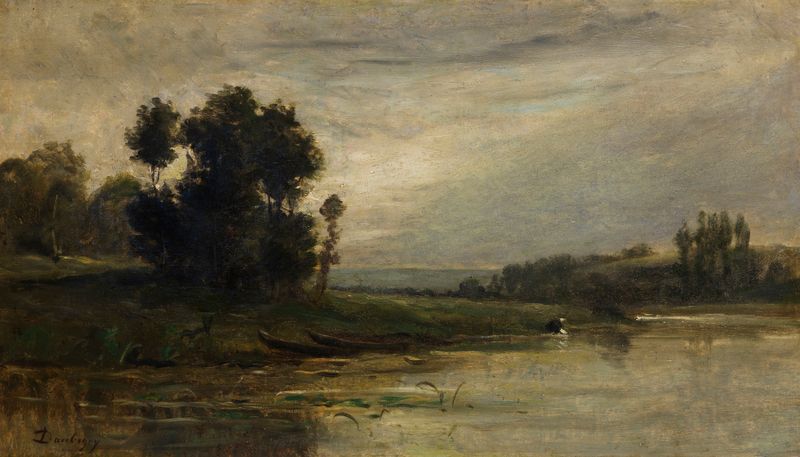
Bords de l’Oise
Charles François Daubigny
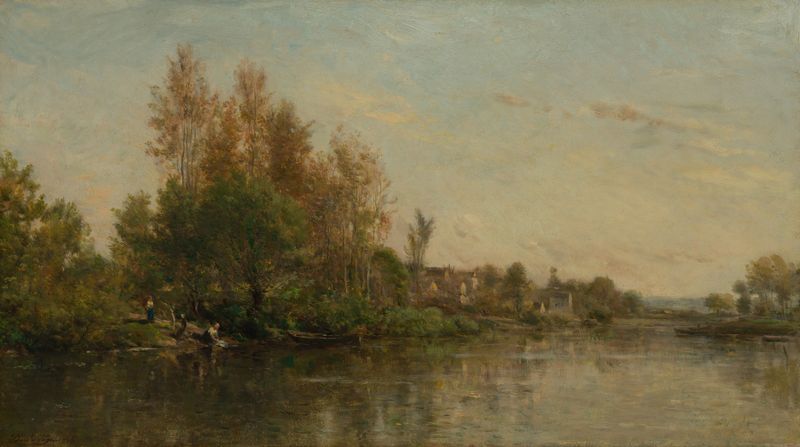
The Banks of the Oise
Charles François Daubigny
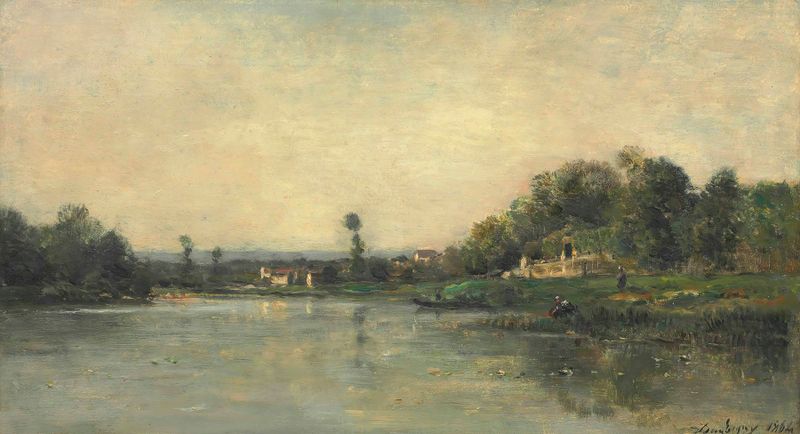
Les Bords De L’oise
Charles François Daubigny
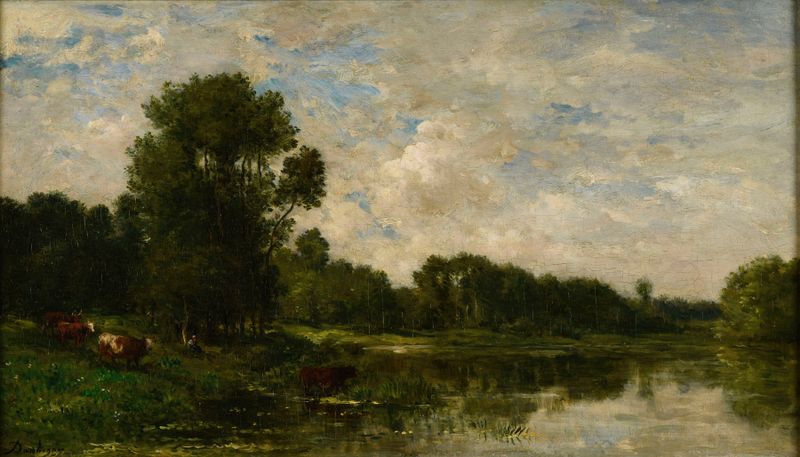
Bords de l’Oise
Charles François Daubigny
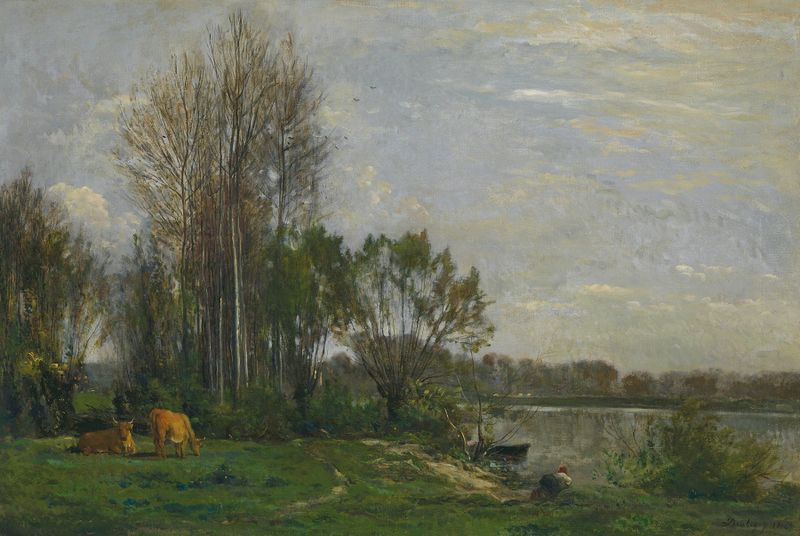
Les Bord De L’oise
Charles François Daubigny
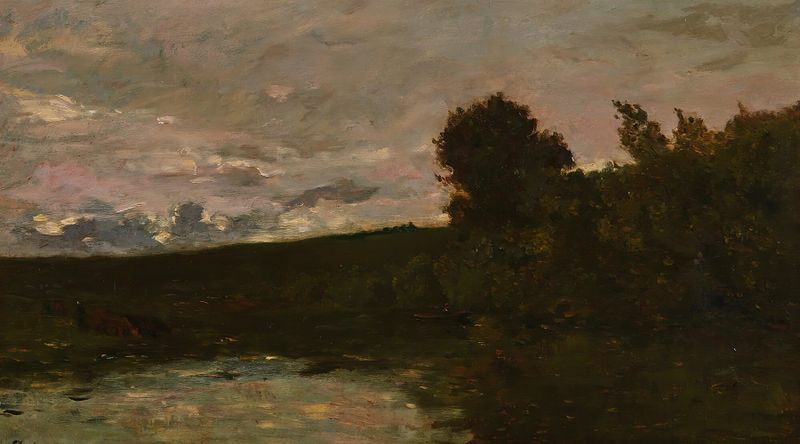
Bord De Riviére
Charles François Daubigny
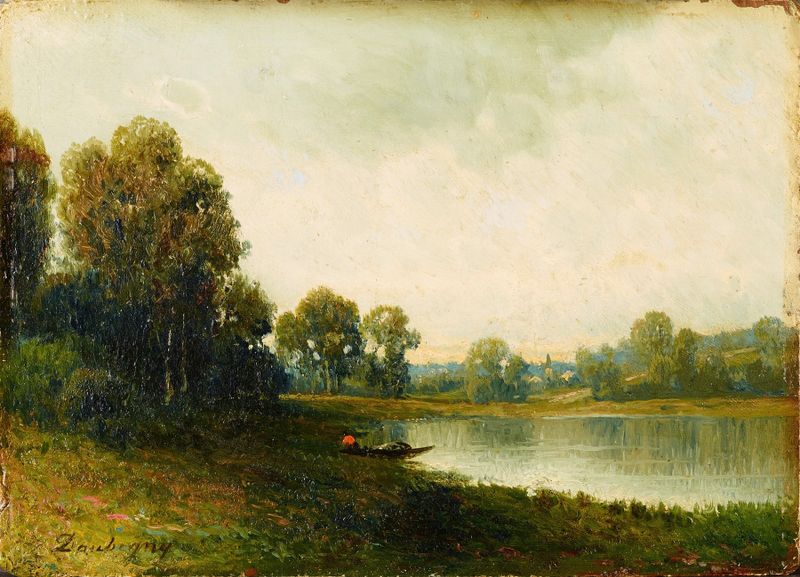
Landscape
Charles François Daubigny
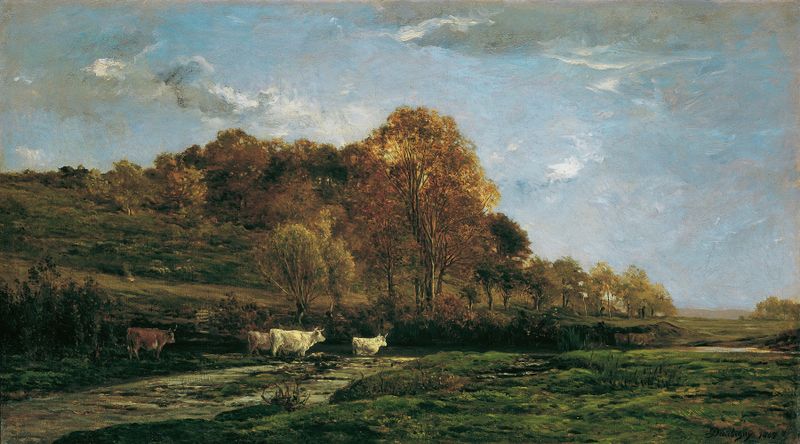
Herbstliche Aulandschaft Abendstimmung
Charles François Daubigny
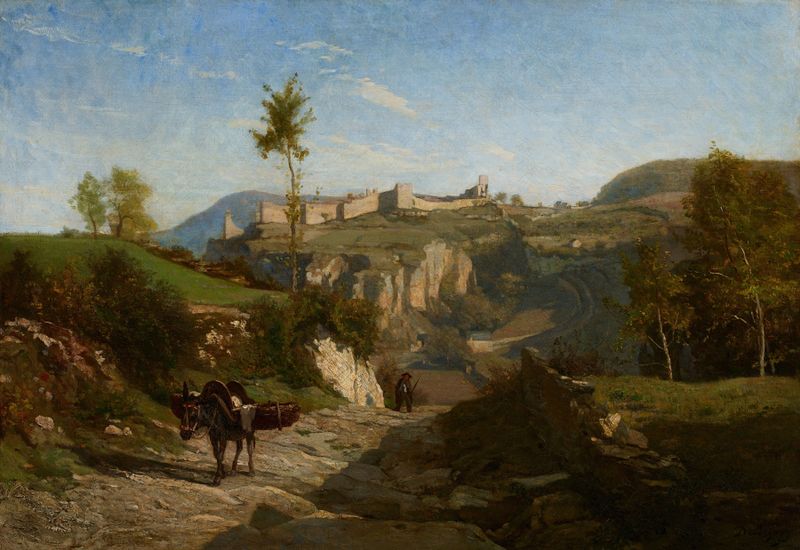
Landscape near Crémieu
Charles François Daubigny





