
Paysage de bord de mer — History & Facts
This thought lingers like a whisper, echoing through the brushstrokes of Paysage de bord de mer, where a tranquil seascape masks the deeper, tumultuous transformations of life. Look closely at the gentle waves rolling into shore, their rhythmic dance harmonizing with the soft, pastel sky. The subtle interplay of light on the water captures your gaze, drawing you to the horizon where azure meets gold. Notice how vibrant greens frame the sandy beach, allowing the viewer to feel both the warmth of the sun and the coolness of the breeze, creating a sense of serene contemplation. Hidden within this idyllic scene are layers of emotional tension.
The juxtaposition of the bright, carefree atmosphere with the fleeting nature of beauty hints at the transience of joy. Each brushstroke represents not only a moment of calm but also the artist’s struggle to convey the ephemeral quality of existence. The lush vegetation that spills over the foreground may symbolize growth and change, reminding us that transformation is often accompanied by uncertainty and melancholy. In 1884, Renoir was immersed in the Impressionist movement, working in France where he sought to capture the essence of modern life and nature.
This period was marked by both personal and professional challenges, as the artist explored innovative techniques and confronted the evolving dynamics of art in a rapidly changing society. Paysage de bord de mer reflects not just a scene, but a moment of profound introspection and artistic maturation.
More Artworks by Pierre-Auguste Renoir
Browse all →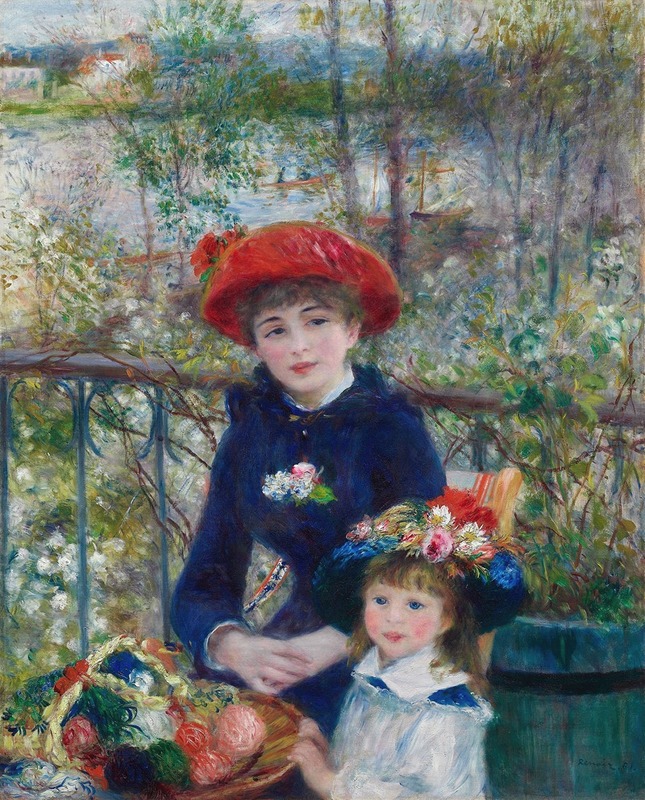
Two Sisters (On the Terrace)
Pierre-Auguste Renoir
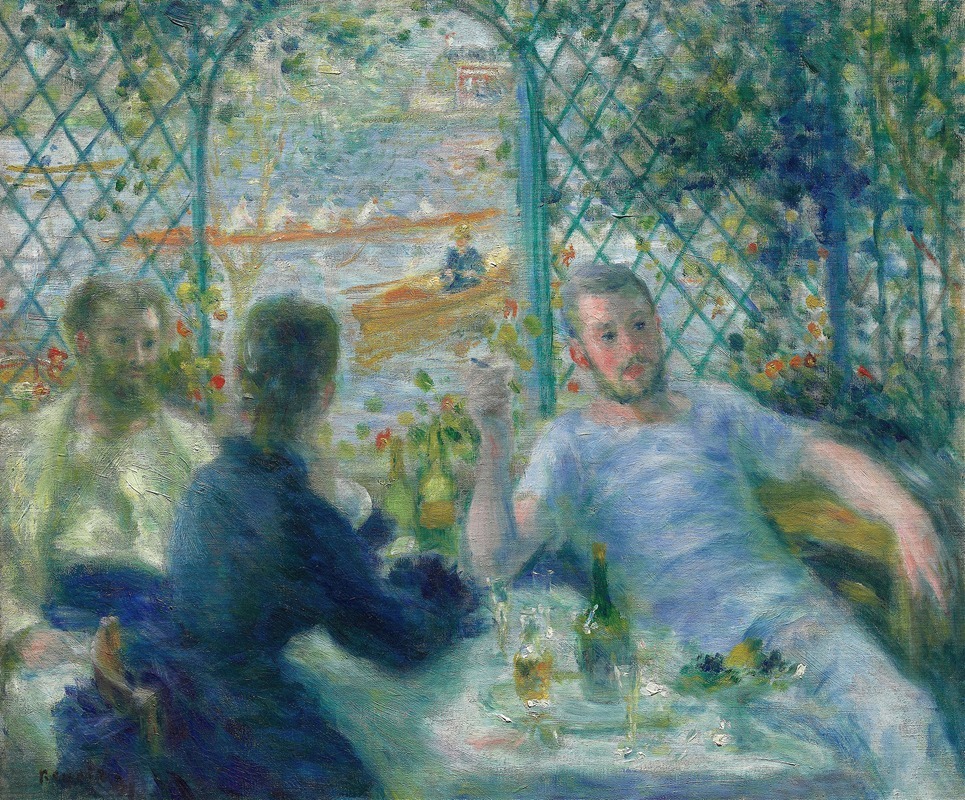
Lunch at the Restaurant Fournaise (The Rowers' Lunch)
Pierre-Auguste Renoir
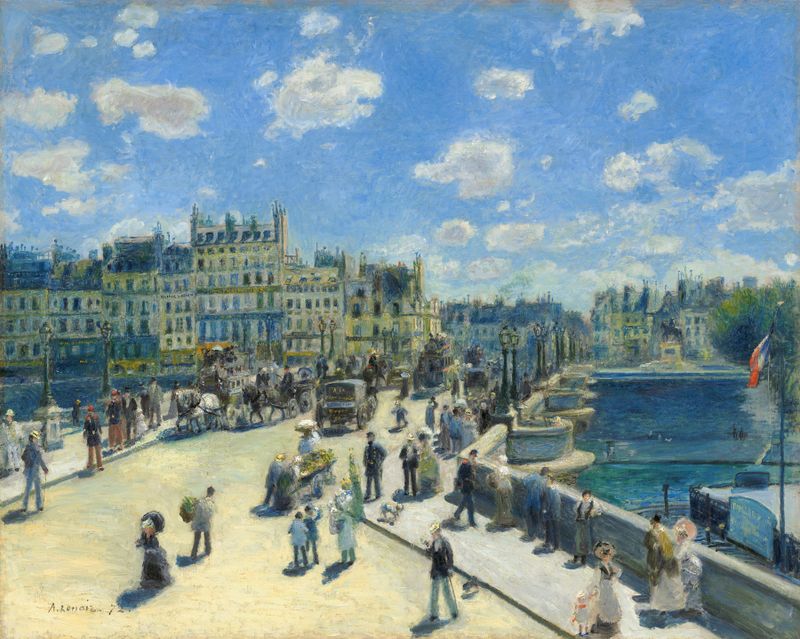
Pont Neuf, Paris
Pierre-Auguste Renoir
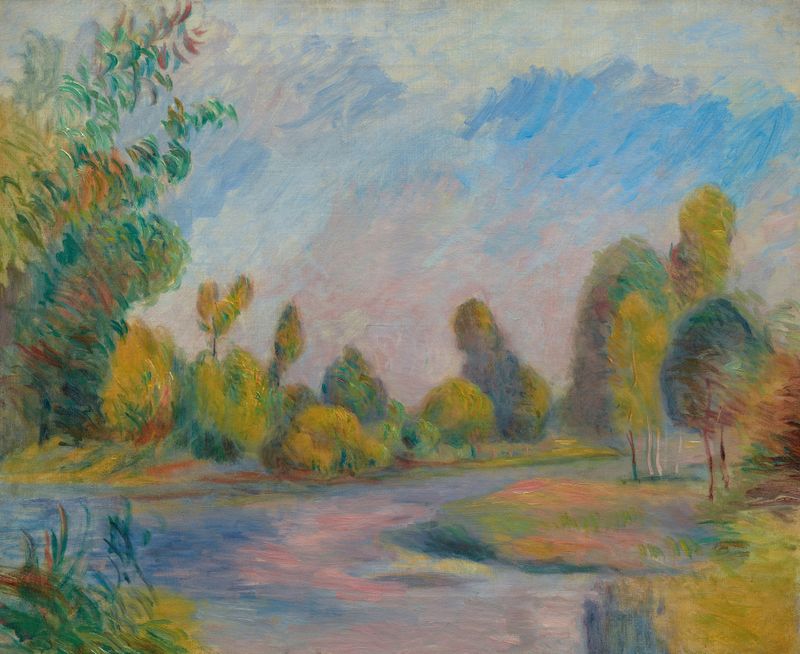
Au bord de la rivière
Pierre-Auguste Renoir

Near the Lake
Pierre-Auguste Renoir
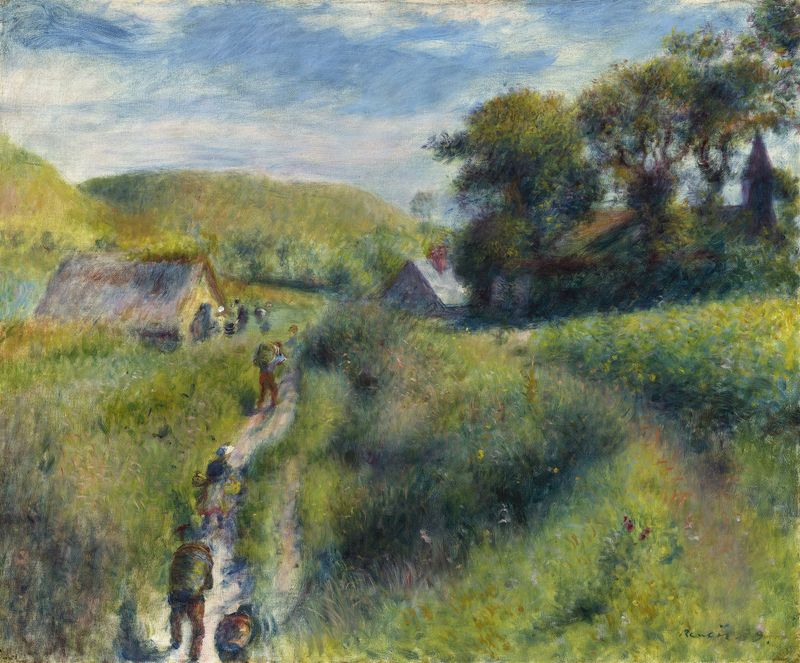
The Mussel Harvest
Pierre-Auguste Renoir

The Seine at Chatou
Pierre-Auguste Renoir
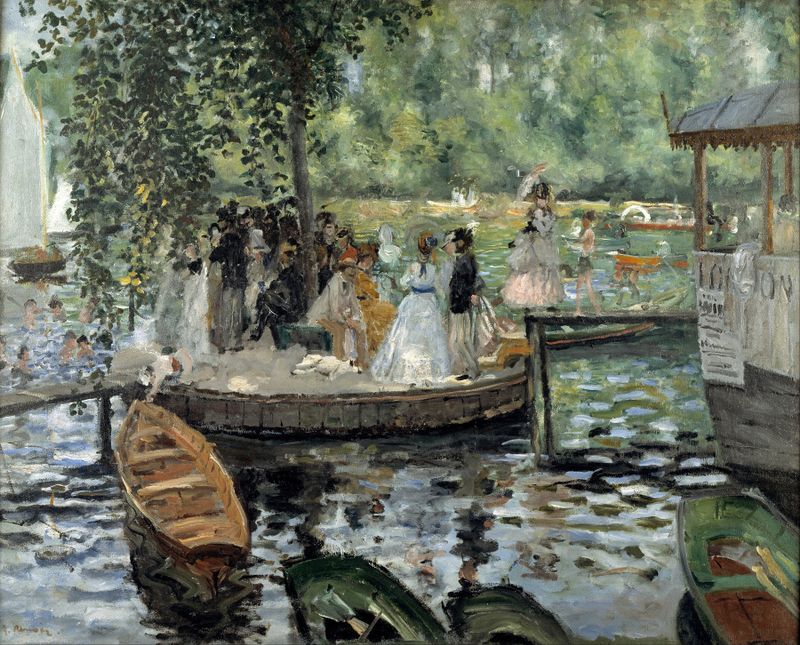
La Grenouillère
Pierre-Auguste Renoir
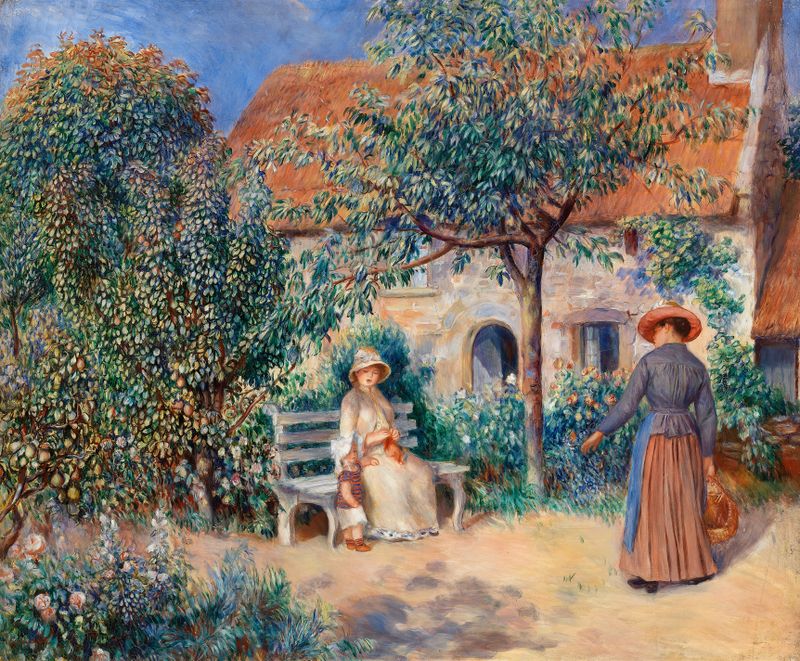
In Brittany (En Bretagne)
Pierre-Auguste Renoir
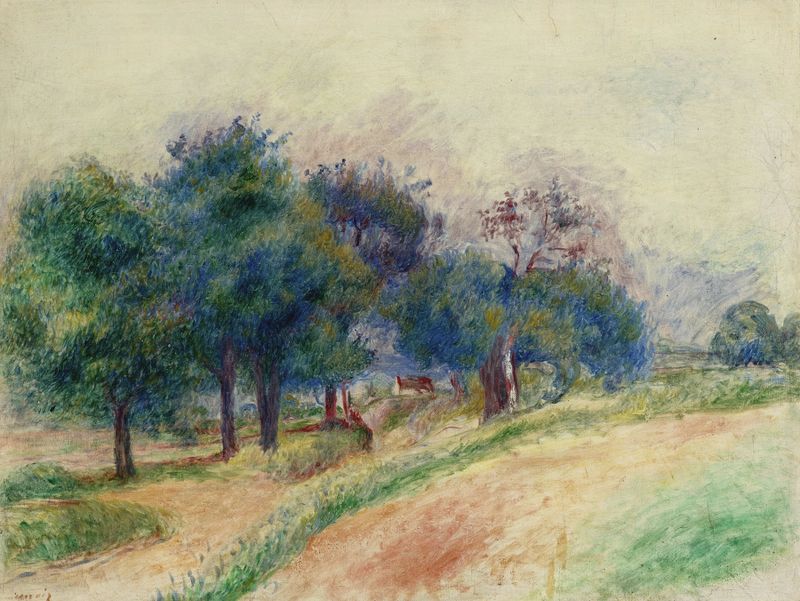
Paysage d’Essoyes
Pierre-Auguste Renoir





