
Paysage de collines — History & Facts
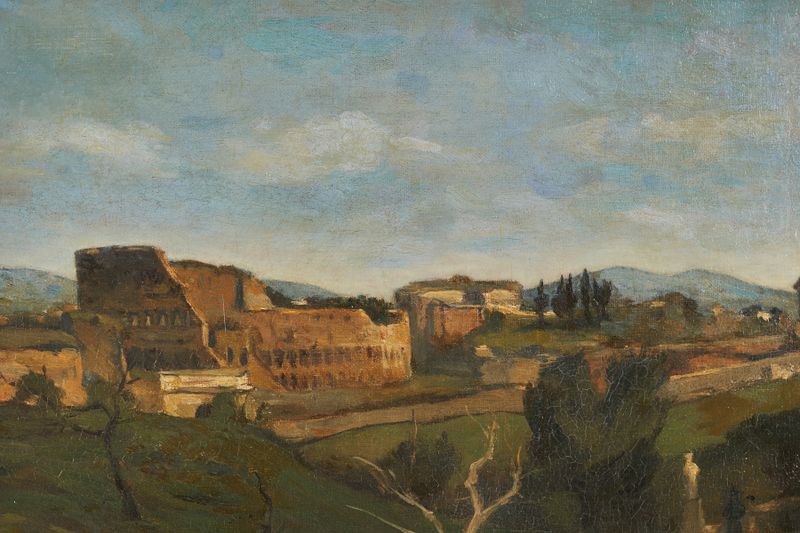
In the folds of a landscape, beauty emerges as an eternal whisper against the relentless march of time. Here, in a serene embrace of nature, lies a world where each brushstroke captures ephemeral moments, immortalizing the delicate balance between memory and the present. Look to the horizon where rolling hills undulate in a soft, tranquil rhythm. The gentle hues of greens and browns blend seamlessly, inviting the eye to wander across the canvas like a leisurely stroll through the countryside.
Notice how the dappled sunlight filters through the trees, casting intricate shadows that dance upon the earth, enhancing the sense of depth and tranquility. The harmonious palette evokes a profound sense of calm, while the meticulous attention to detail reveals an artist's reverence for the natural world. Delve deeper into the interplay of light and shadow, where pockets of sunlight suggest warmth and promise, contrasting with the cooler tones of the shaded areas that hint at secrets kept by the land. The layered textures evoke a tactile sensation, as if one could reach out and feel the grass beneath their fingers.
Such contrasts not only breathe life into the scene but also reflect the artist's inner contemplation—an exploration of beauty intertwined with the passage of time. Harpignies painted this work in 1858, a period marked by his growing recognition in the French art scene. At that time, he was deeply influenced by the Barbizon School, which emphasized landscape painting from nature. Living amidst the changes of a rapidly industrializing France, he found solace and inspiration in the quiet beauty of rural landscapes, capturing their essence in a way that would resonate for generations to come.
More Artworks by Henri-Joseph Harpignies
Browse all →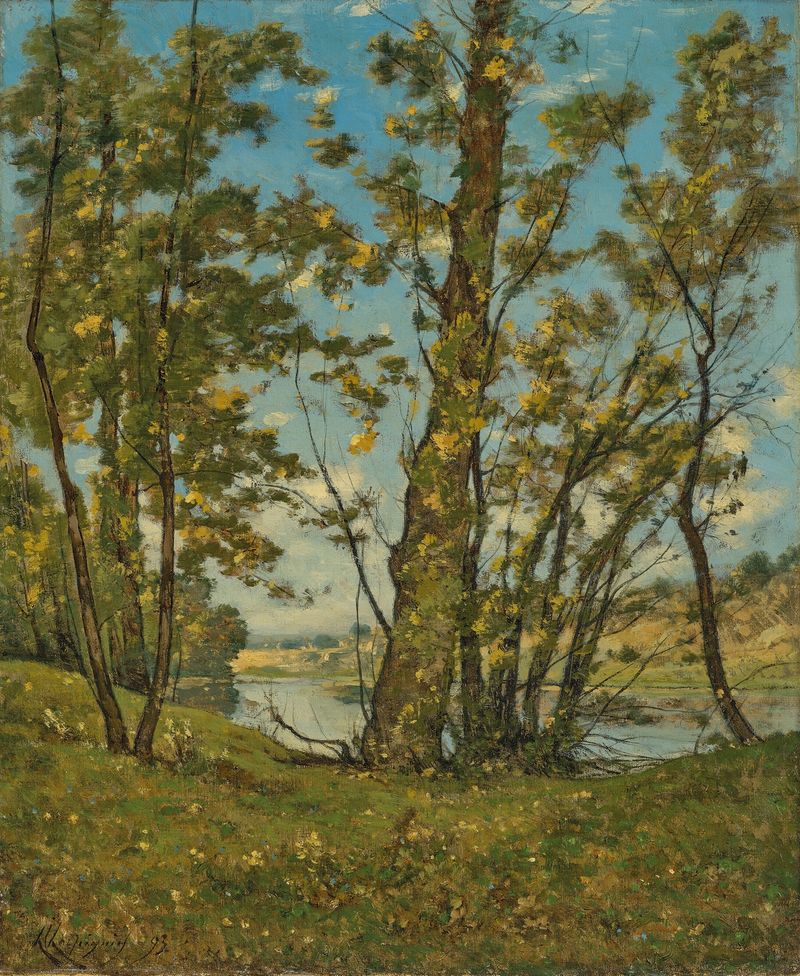
La Loire à Bonny
Henri-Joseph Harpignies
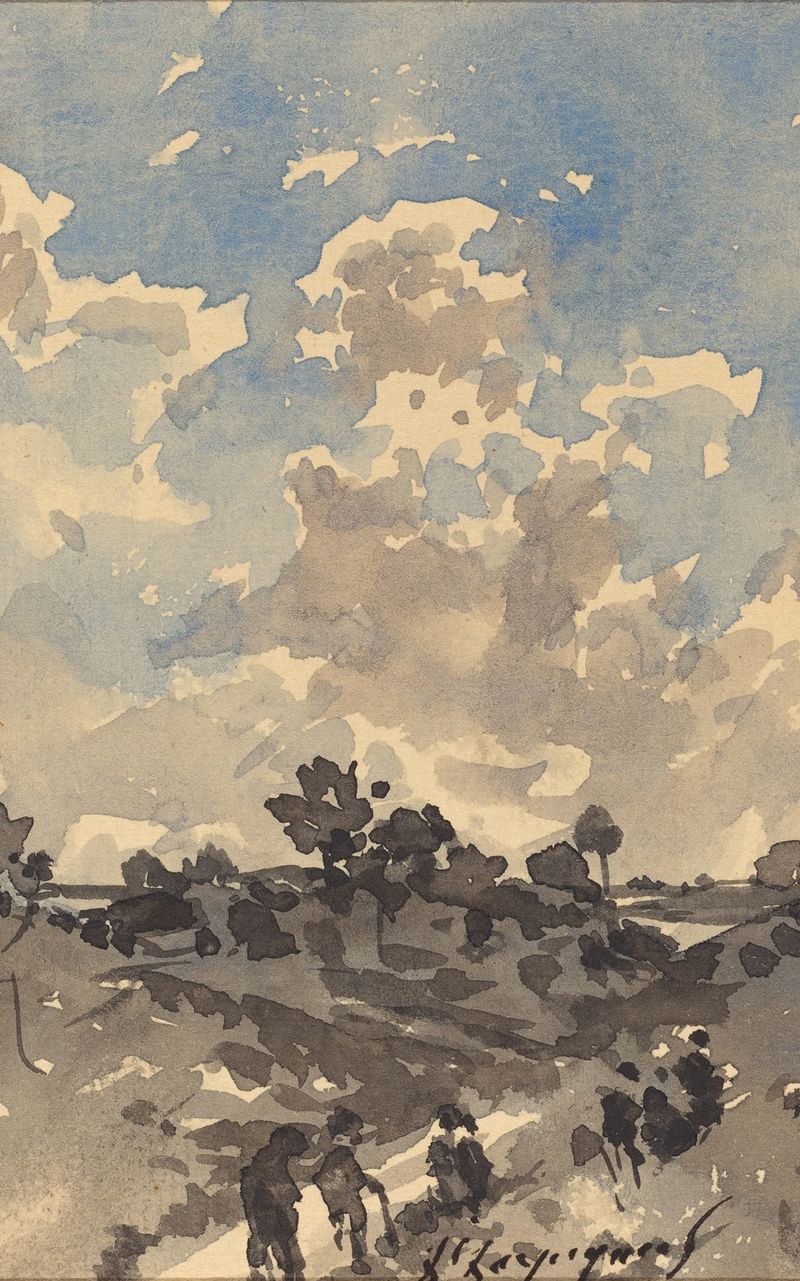
A Landscape with Figures Walking along a Path
Henri-Joseph Harpignies
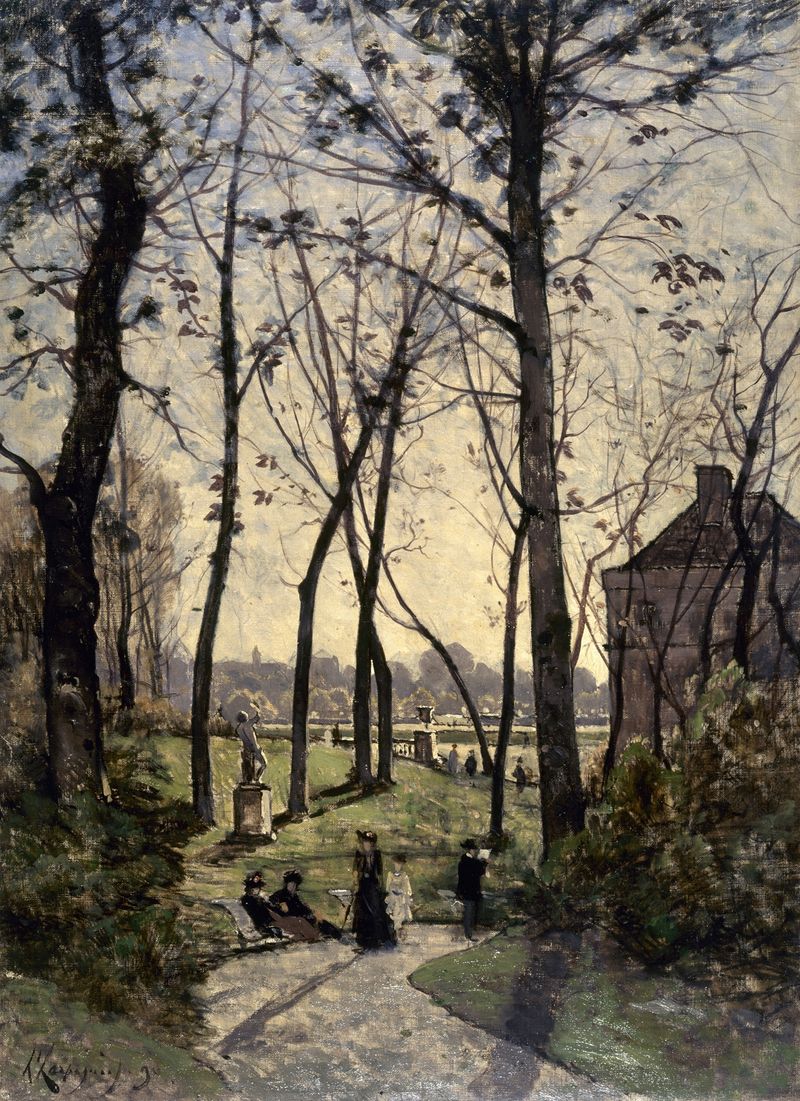
Le jardin du Luxembourg
Henri-Joseph Harpignies
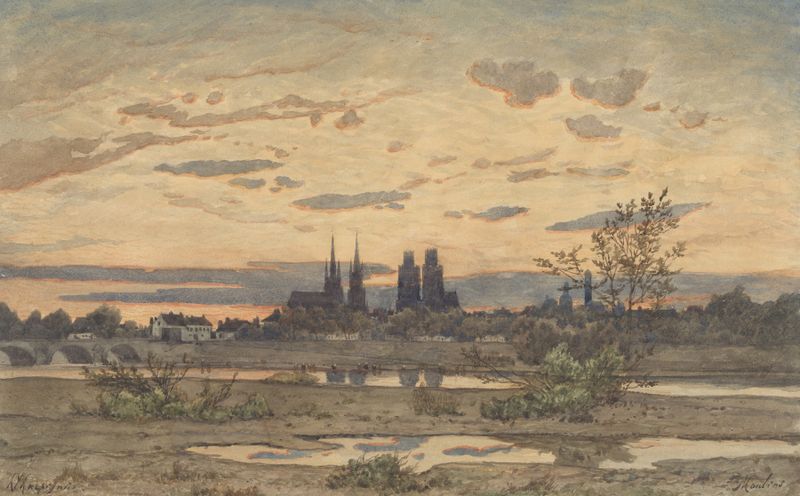
A View of Moulins
Henri-Joseph Harpignies
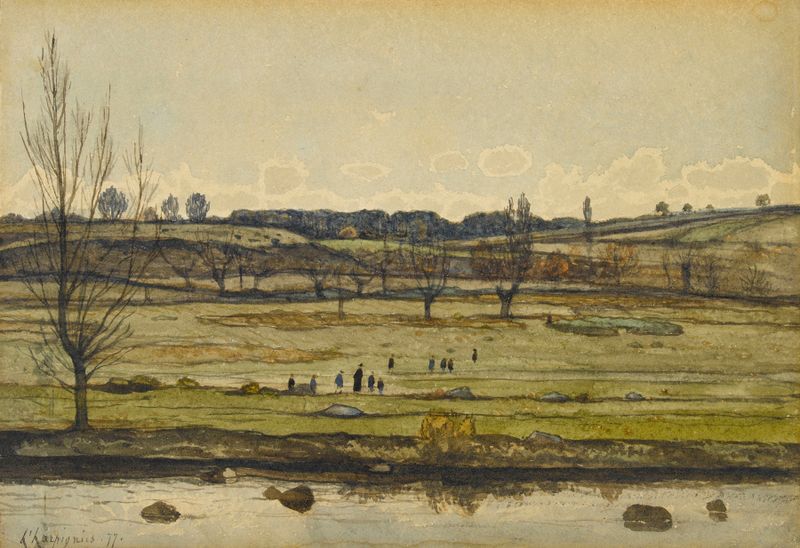
Paysage
Henri-Joseph Harpignies
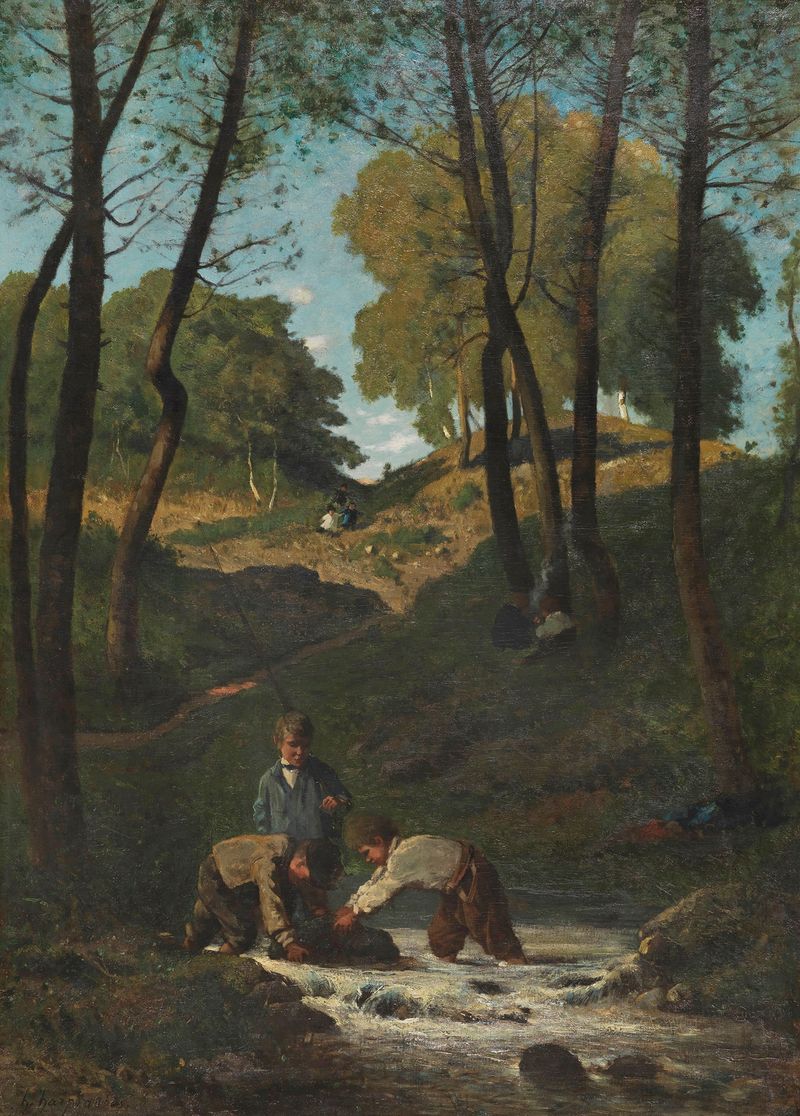
Chercheurs d’écrevisses
Henri-Joseph Harpignies
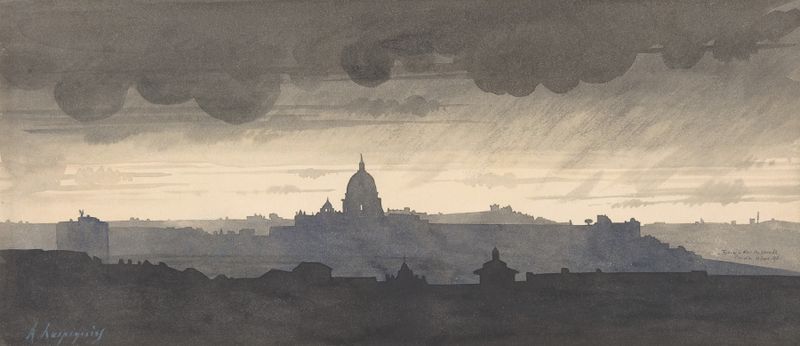
Saint Peter’s Seen From the Pincio, Rome
Henri-Joseph Harpignies
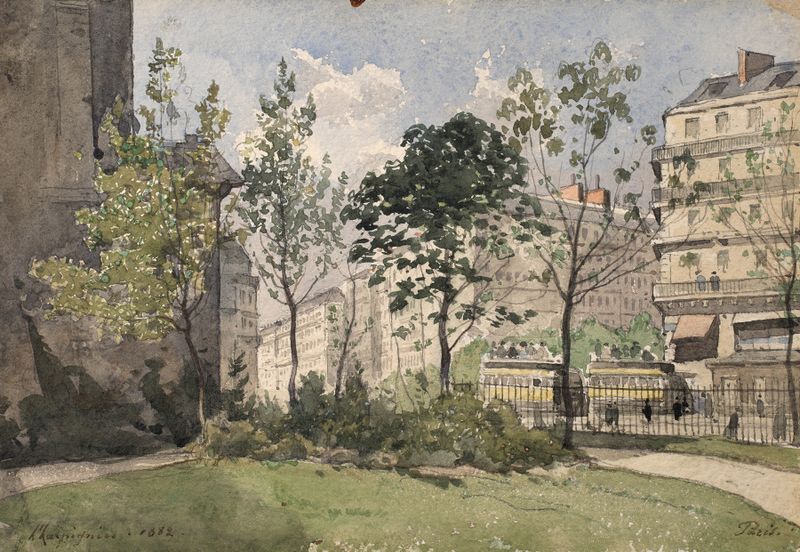
View of the forecourt of the Saint-Germain-des-Prés church
Henri-Joseph Harpignies
Le Colisée à Rome
Henri-Joseph Harpignies

Villefranche
Henri-Joseph Harpignies





