
Paysage de nuit — History & Facts
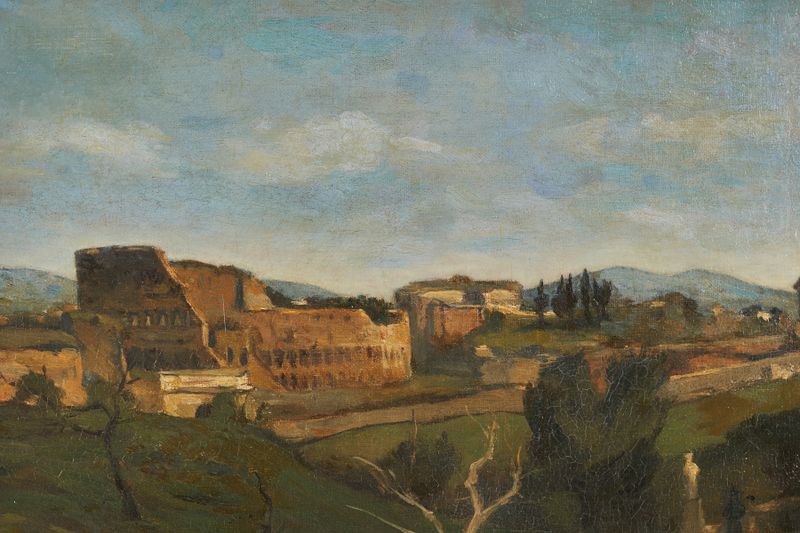
In the quiet depths of twilight, a landscape breathes with yearning, echoing the whispers of a world just before nightfall. Each stroke carries the weight of unspoken dreams, inviting the viewer to pause and reflect. Look to the foreground, where soft, muted greens merge seamlessly with deep, velvety blues. The gentle gradient of the sky transitions from the last whispers of daylight to the encroaching shadows of night.
Notice how the trees stand sentinel-like, their silhouettes both comforting and haunting, casting elongated forms that stretch toward the horizon. The artist’s delicate brushwork creates a sense of movement, almost as if the wind is passing through, stirring the stillness of dusk. In this composition, contrasts abound—the vibrant hues of the foliage stand in stark opposition to the encroaching darkness, symbolizing the tension between day and night. The gentle curves of the hills evoke a sense of tranquility, yet there is an underlying restlessness, a reminder of the fleeting nature of light and life.
This balance of comfort and unease speaks to the viewer's own yearnings and invites introspection. In 1862, Harpignies painted this piece during a transformative period in his life, as he was gaining recognition for his landscapes. Working largely in France, where the influence of Impressionism was starting to emerge, he sought to capture the beauty of nature with a unique blend of realism and poetic interpretation. This work reflects his growing mastery of color and light, as he strived to convey the emotional essence of the scenes before him.
More Artworks by Henri-Joseph Harpignies
Browse all →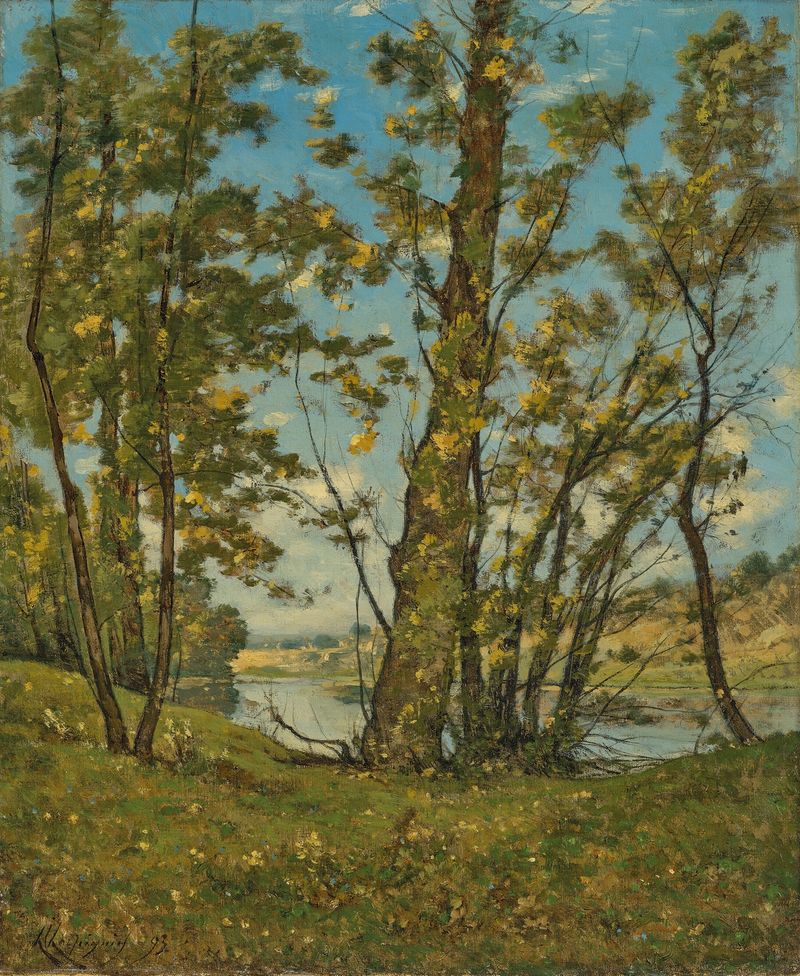
La Loire à Bonny
Henri-Joseph Harpignies
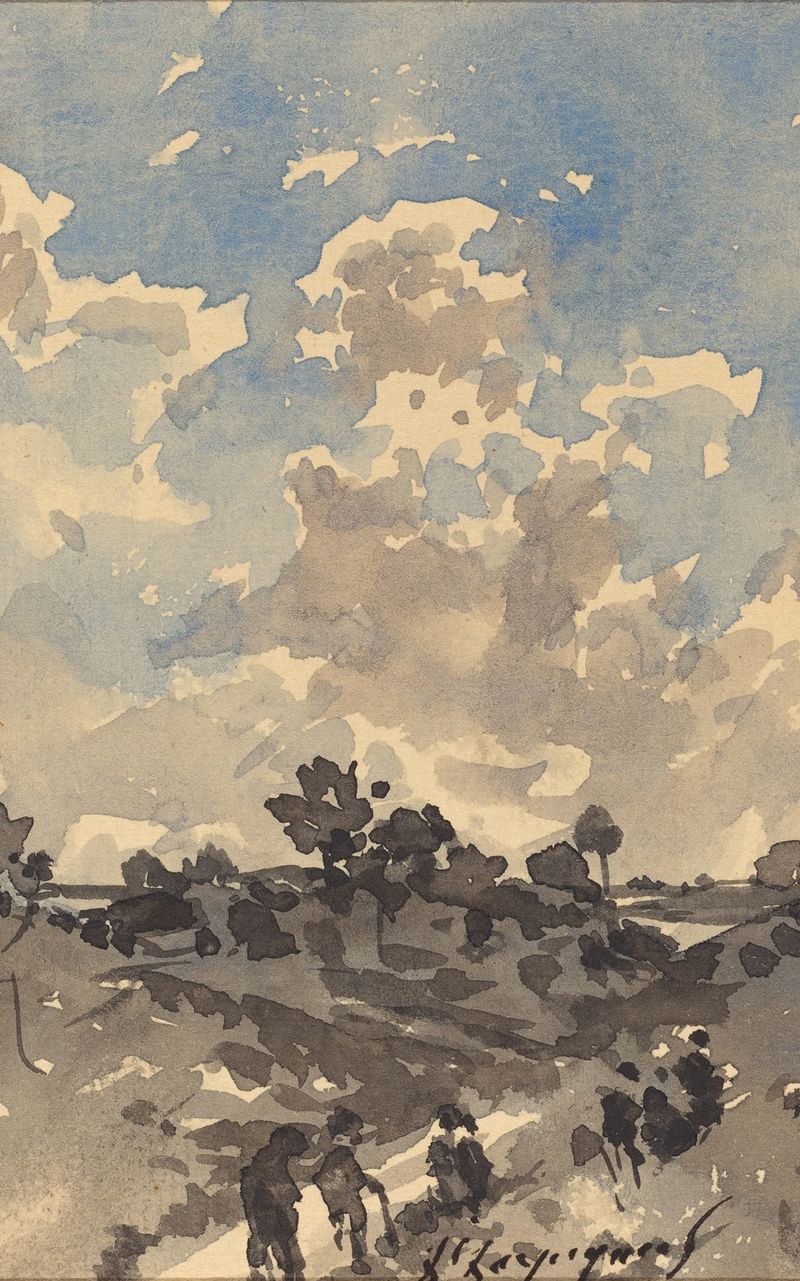
A Landscape with Figures Walking along a Path
Henri-Joseph Harpignies
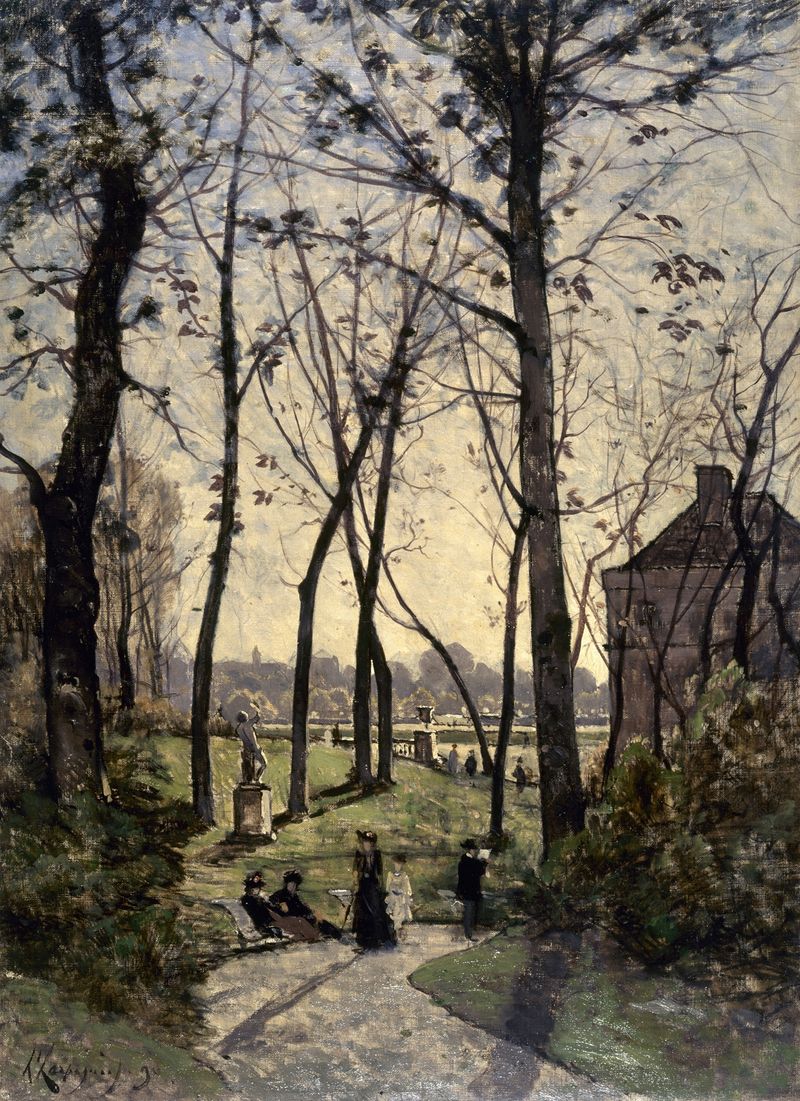
Le jardin du Luxembourg
Henri-Joseph Harpignies
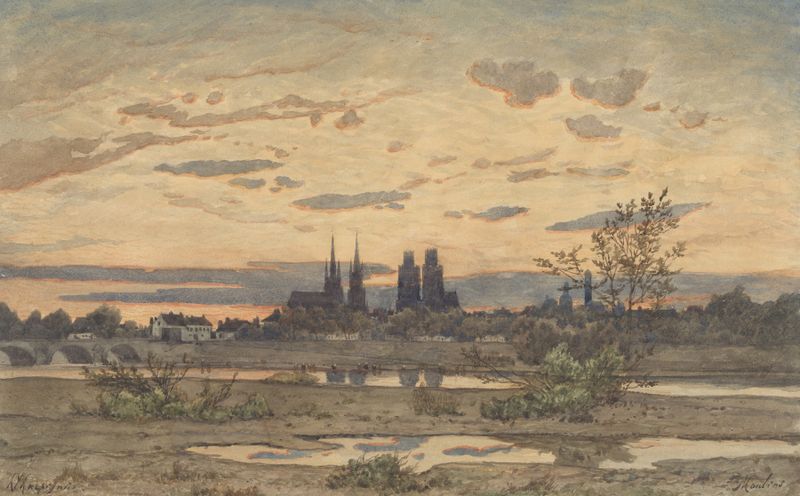
A View of Moulins
Henri-Joseph Harpignies
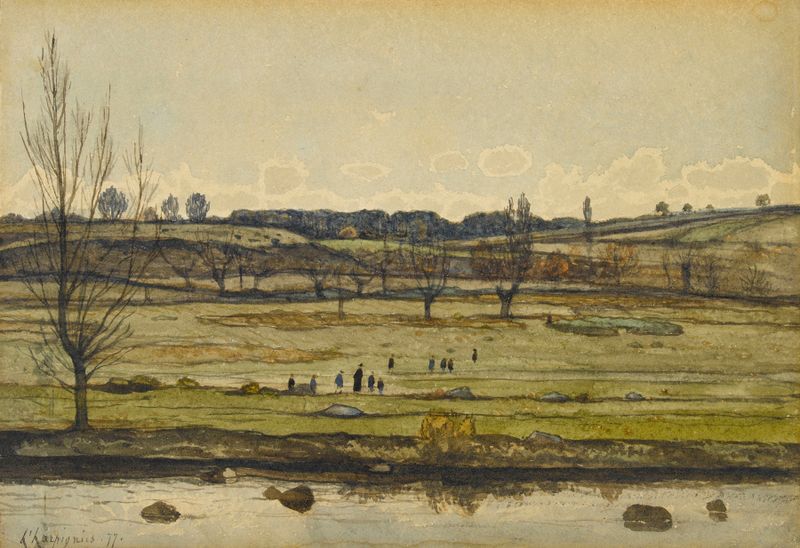
Paysage
Henri-Joseph Harpignies
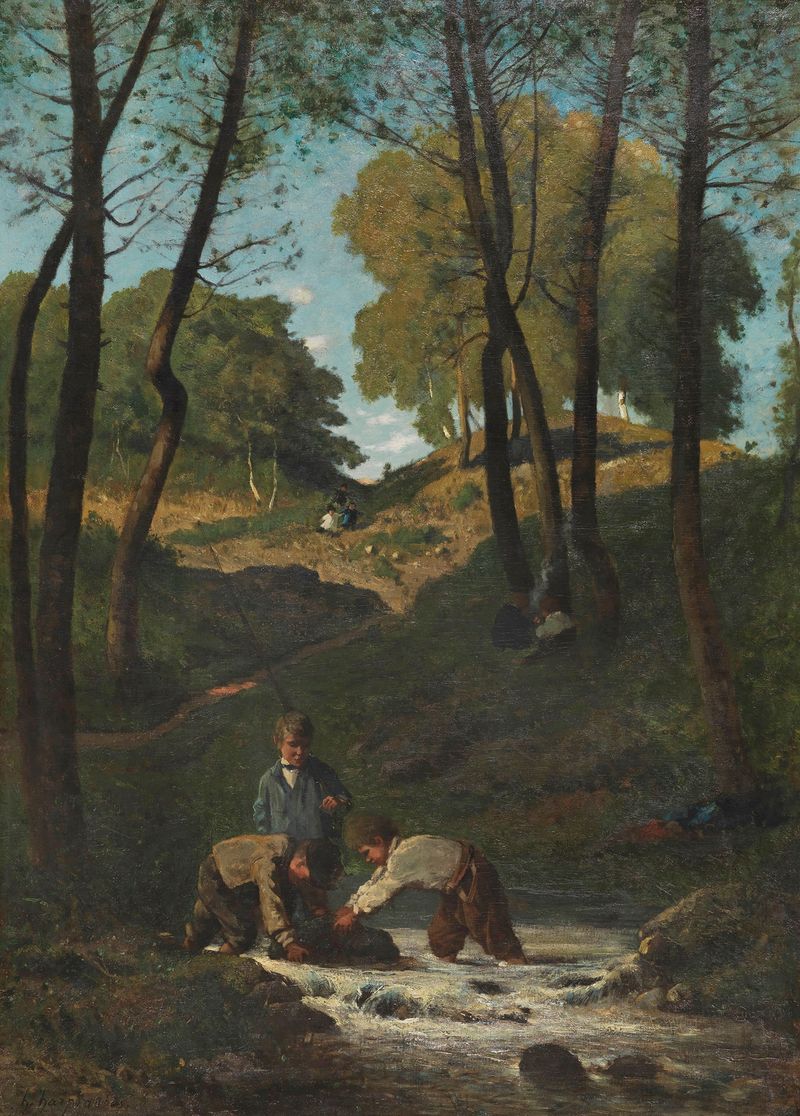
Chercheurs d’écrevisses
Henri-Joseph Harpignies
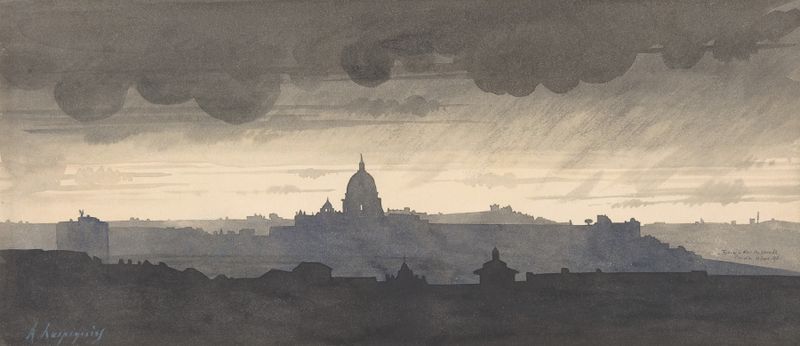
Saint Peter’s Seen From the Pincio, Rome
Henri-Joseph Harpignies
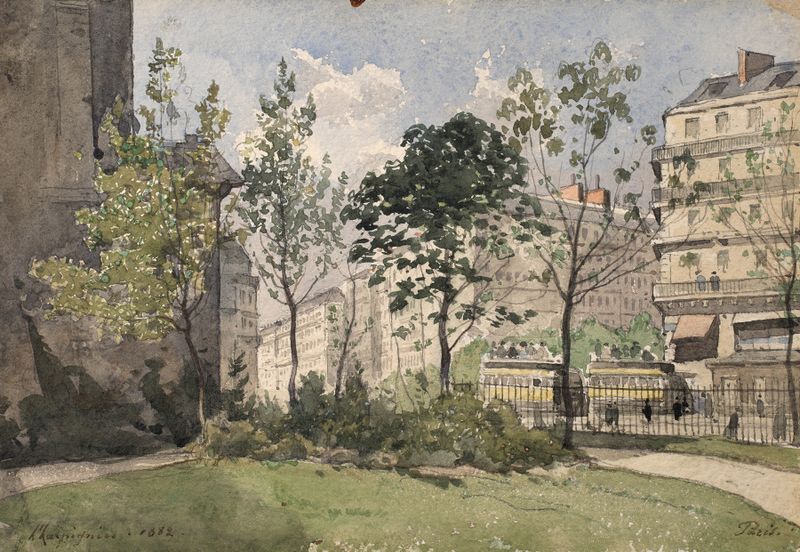
View of the forecourt of the Saint-Germain-des-Prés church
Henri-Joseph Harpignies
Le Colisée à Rome
Henri-Joseph Harpignies

Villefranche
Henri-Joseph Harpignies





