
Paysage ensoleillé — History & Facts
What secret hides in the quiet of the canvas? In Paysage ensoleillé, nature breathes, inviting us to pause and reflect on the transcendence found in serene moments. Look to the left at the softly rolling hills, kissed by a warm, golden light that spills across the landscape like liquid honey. The path meandering through the verdant meadows draws the eye toward a distant horizon, while the delicate brushstrokes create a sense of gentle movement in the trees. Notice how the luminous clouds above frame the scene, their fluffy forms creating a harmonious balance with the grounded earth below, inviting the viewer into a tranquil embrace. Hidden within this idyllic vista are the contrasts of presence and absence.
The brightness suggests warmth and vitality, yet the lack of human figure evokes solitude, hinting at a deeper, contemplative essence. The play of light and shadow amplifies this tension, suggesting a moment suspended in time — a reminder of nature's beauty and the fleetingness of life. Harpignies painted this work in 1870, during a period of personal exploration and artistic evolution. Living in France, he was part of the Barbizon School, a movement that deeply valued the beauty of nature and the experiences it offered.
This painting reflects both his commitment to landscape painting and the broader shift in the art world towards capturing the essence of everyday life, marking a pivotal moment in the transition from Romanticism to Impressionism.
More Artworks by Henri-Joseph Harpignies
Browse all →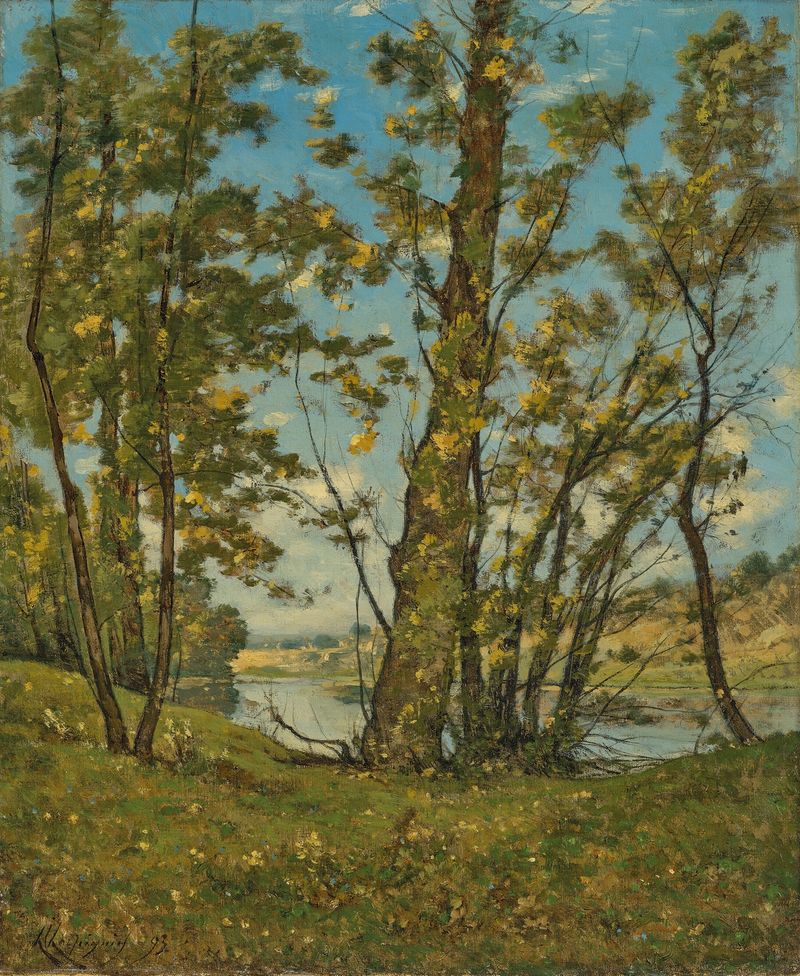
La Loire à Bonny
Henri-Joseph Harpignies
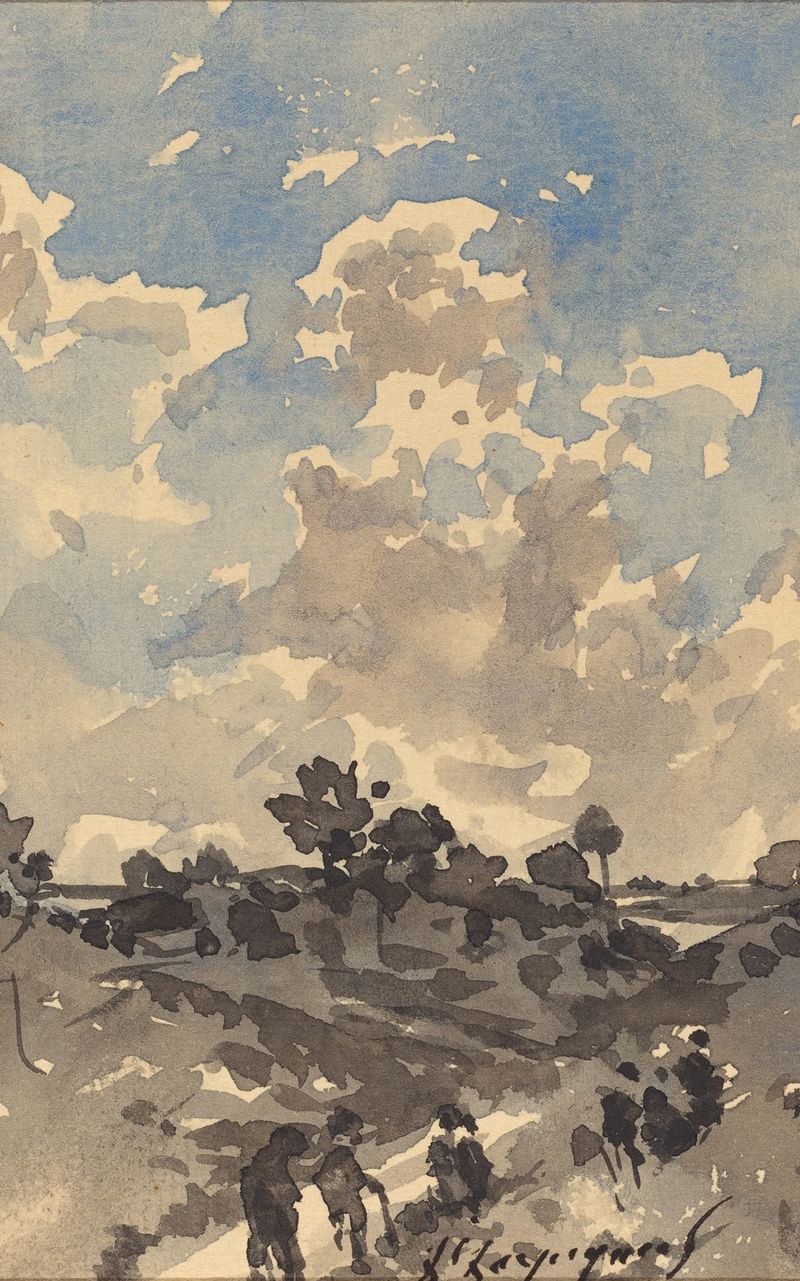
A Landscape with Figures Walking along a Path
Henri-Joseph Harpignies
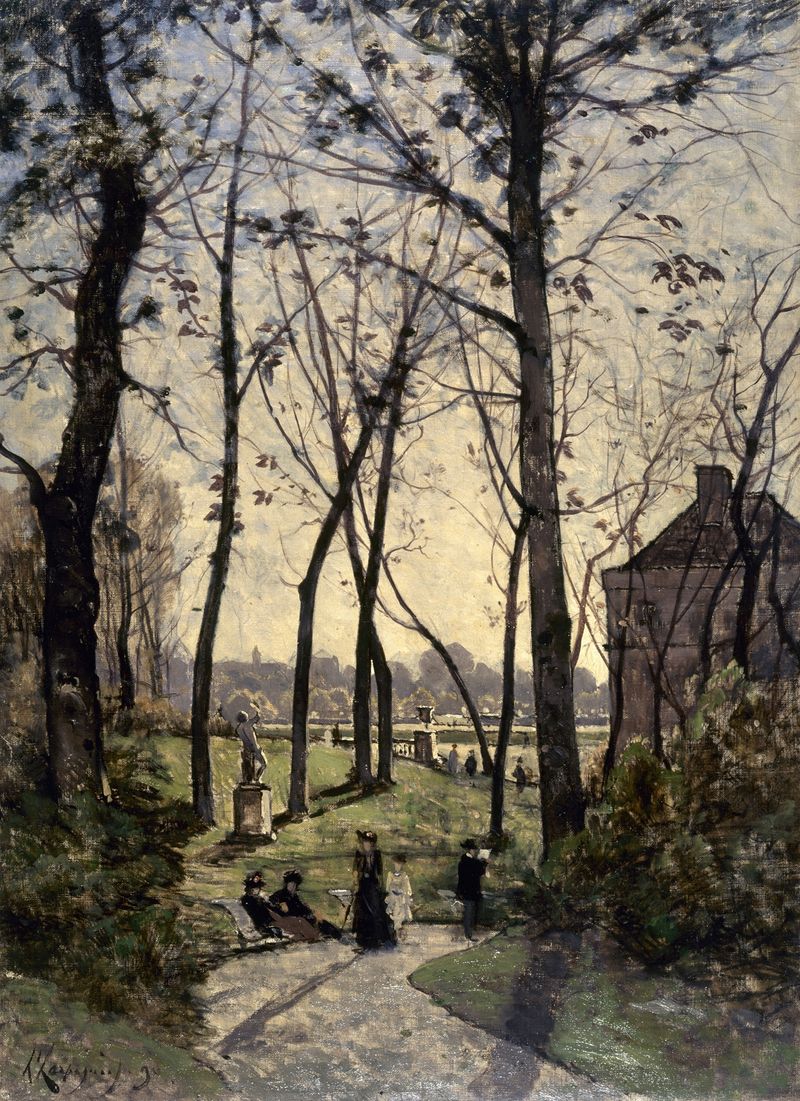
Le jardin du Luxembourg
Henri-Joseph Harpignies
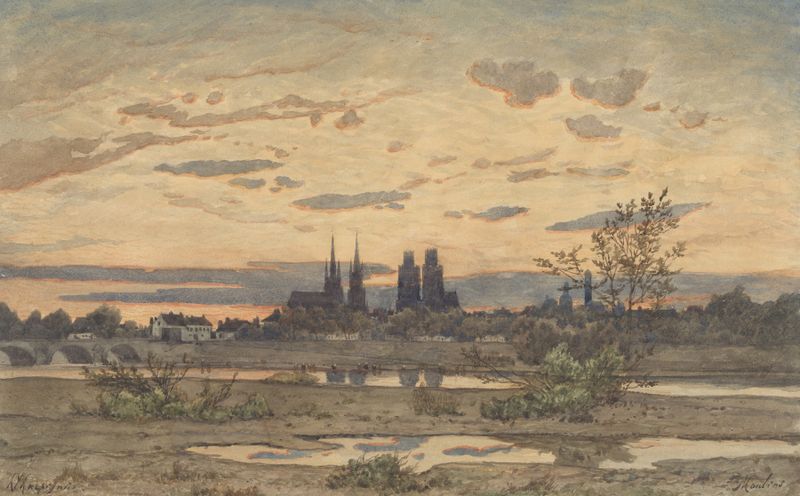
A View of Moulins
Henri-Joseph Harpignies
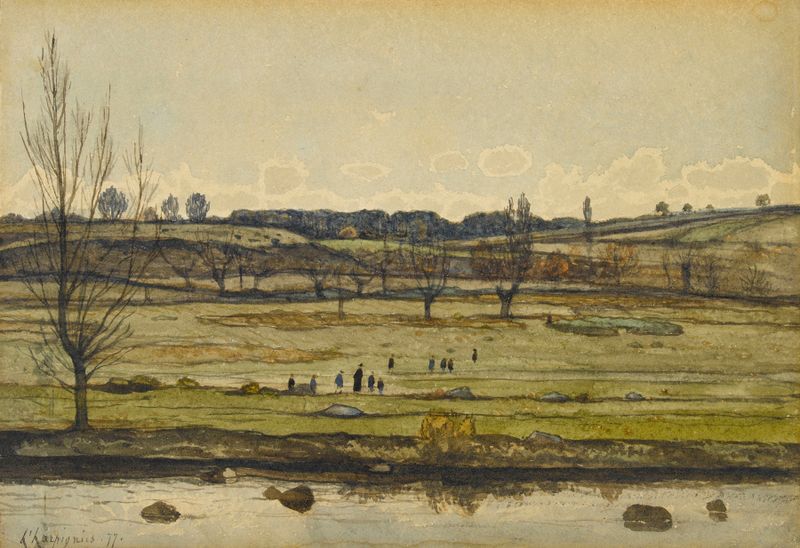
Paysage
Henri-Joseph Harpignies
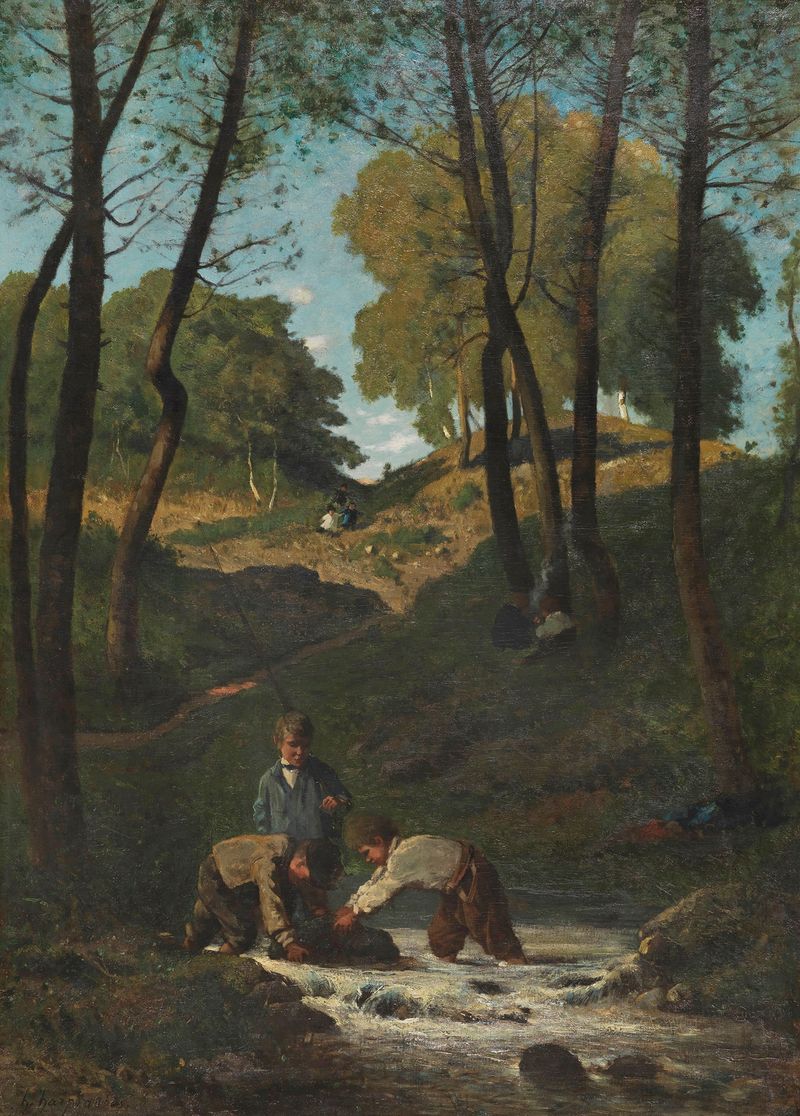
Chercheurs d’écrevisses
Henri-Joseph Harpignies
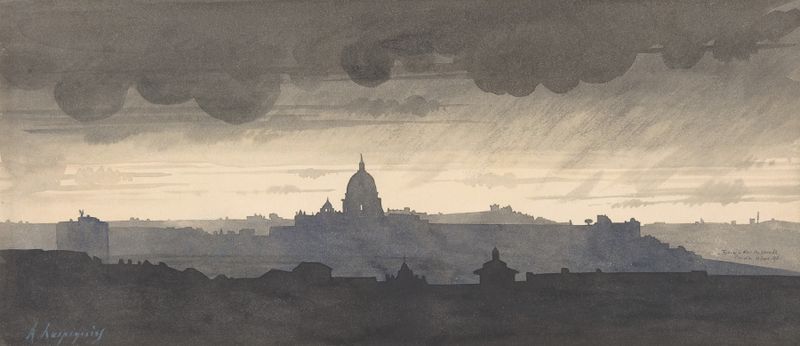
Saint Peter’s Seen From the Pincio, Rome
Henri-Joseph Harpignies
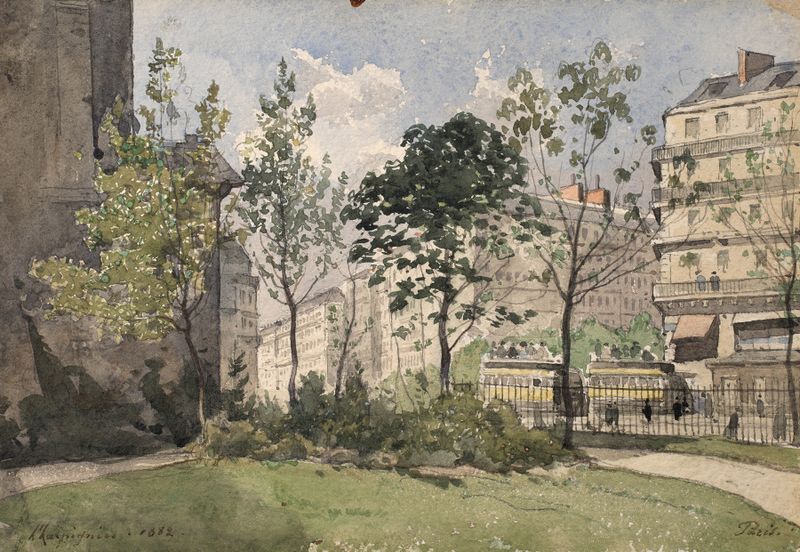
View of the forecourt of the Saint-Germain-des-Prés church
Henri-Joseph Harpignies
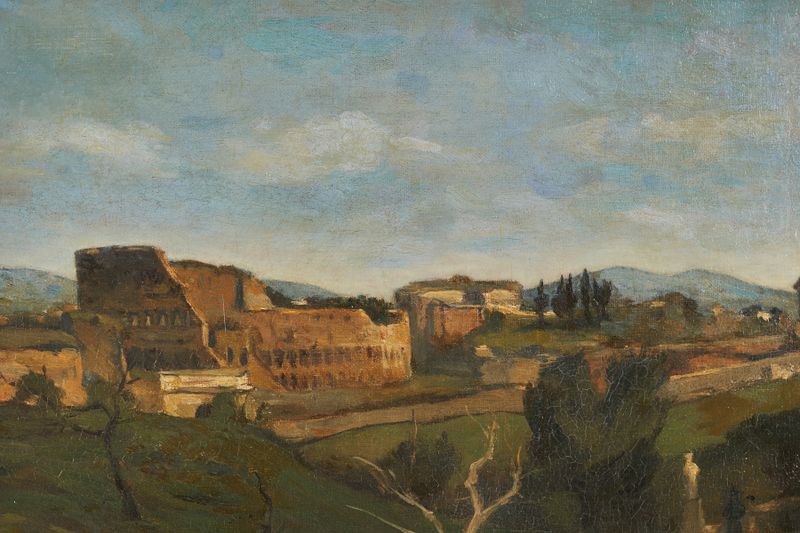
Le Colisée à Rome
Henri-Joseph Harpignies

Villefranche
Henri-Joseph Harpignies





