
Paysage Marin, Environs De Trouville — History & Facts
What secret hides in the quiet of the canvas? A yearning for connection lingers in the tranquil embrace of nature, where desire meets the horizon. Look to the left at the gentle undulation of the sea, a captivating blue that dances under the soft whispers of white-tipped waves. The horizon stretches infinitely, beckoning the viewer’s gaze, while the vibrant hues of the sky shift from cerulean to golden amber, suggesting the fleeting moments of dusk. Courbet’s adept brushwork draws the eye across the canvas, inviting exploration of the shoreline where the land and water tenderly embrace. Amidst this serene coastal expanse, contrasts emerge: the stark solidity of the boulders against the ethereal fluidity of the waves.
The stillness of the painted moment speaks of longing, an unspoken narrative filled with the potential for discovery. Shadows stretch like fingers along the sand, hinting at the passage of time, while the absence of figures intensifies the feeling of solitude and invites introspection. During the mid-19th century, Courbet found himself deeply engaged with the themes of realism while painting Paysage Marin, Environs De Trouville. He was experimenting with the relationship between nature and human perception, reflecting the burgeoning interest in capturing the authenticity of the world.
At this time, Courbet was establishing his reputation, challenging the conventions of the art establishment and paving the way for future artistic movements.
More Artworks by Gustave Courbet
Browse all →
Marine
Gustave Courbet
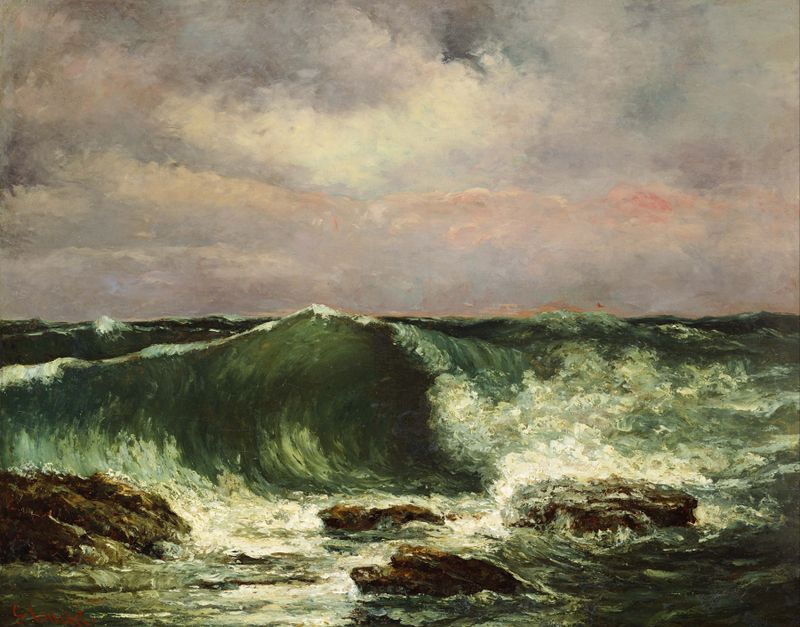
Waves
Gustave Courbet

Étretat; Les Falaises
Gustave Courbet
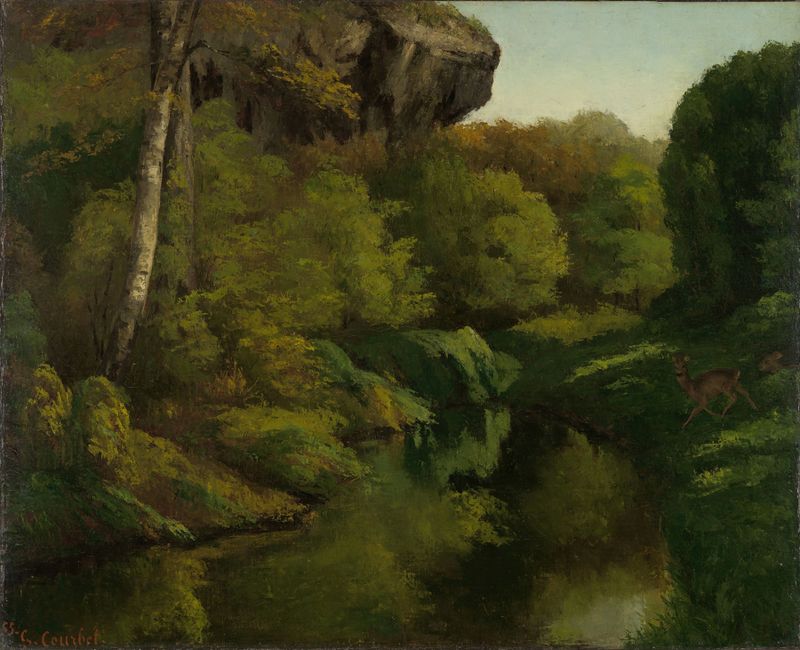
View in the Forest of Fontainebleau
Gustave Courbet
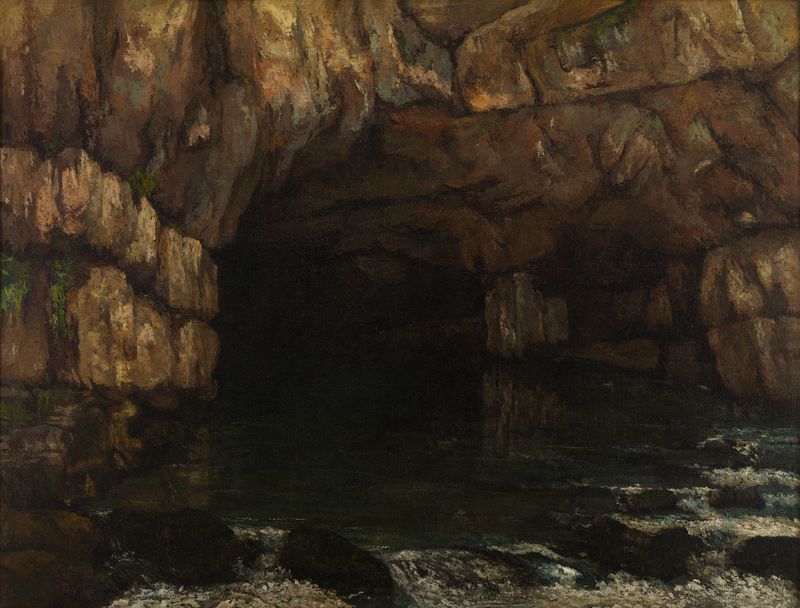
La source de la Loue (The Source of the Loue)
Gustave Courbet

Low Tide at Trouville
Gustave Courbet
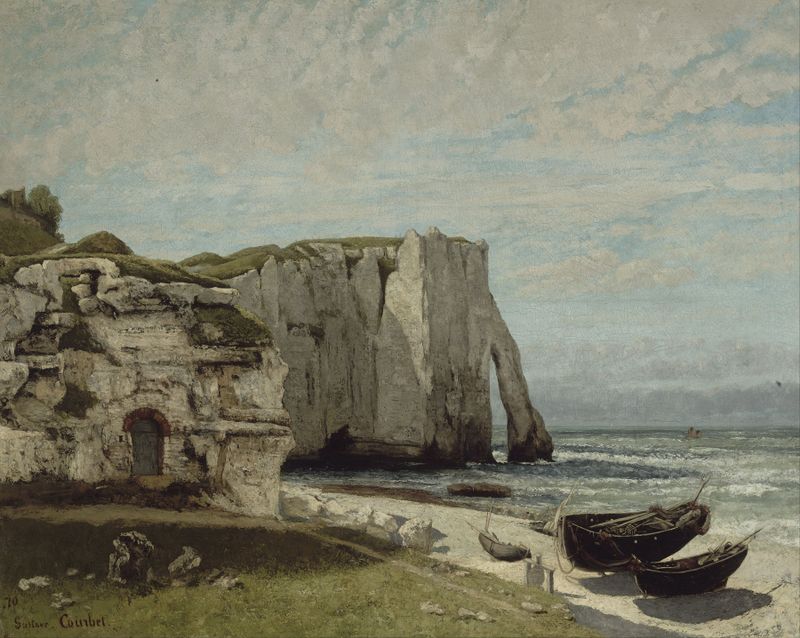
The Etretat Cliffs after the Storm
Gustave Courbet
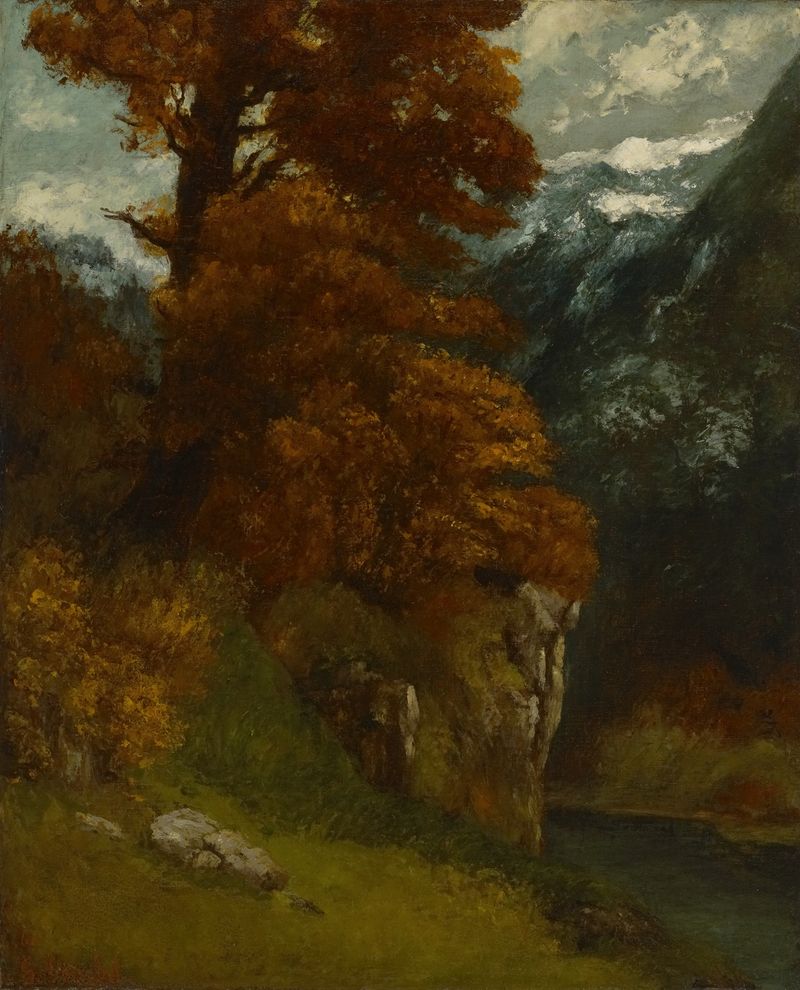
The Glen at Ornans (Bords du Doubs; Effet d’Automne)
Gustave Courbet
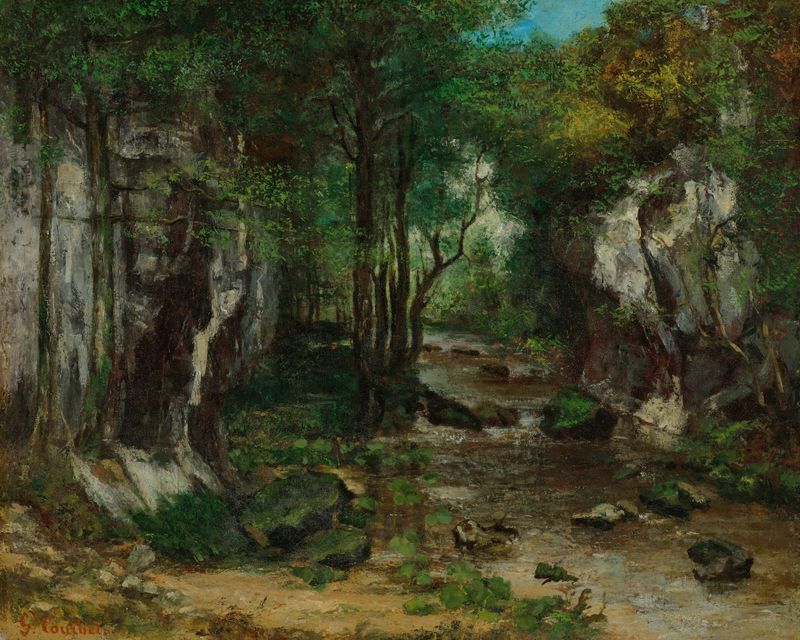
Le Ruisseau de Puits Noir
Gustave Courbet
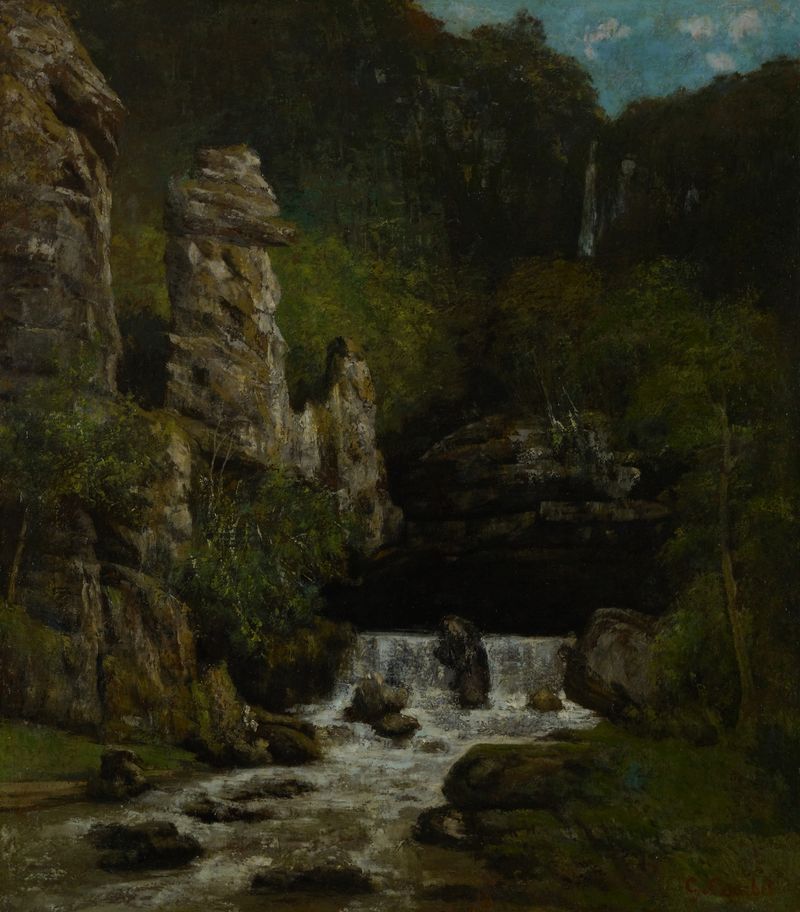
Landscape with a Waterfall
Gustave Courbet





