
Paysage à Menton — History & Facts
When did color learn to lie? In the swath of nature’s palette, hues speak volumes, yet they often veil deeper yearnings and truths that resist being captured. Look to the left, where the lush greenery embraces the scene, vibrant greens contrasting with the warm ochres of the sun-soaked earth. The eye is drawn across the canvas by the gentle undulations of the hills, leading to a sky that dances in soft blues and whites. Notice how the light falls upon the trees, casting dappled shadows that evoke a sense of serenity, yet hint at the fleeting nature of this moment.
The composition is masterfully balanced, inviting the viewer to linger in the tranquil embrace of this Mediterranean landscape. Beneath the serene surface, emotional tensions pulse through the work. The juxtaposition of vivid color against the quiet landscape embodies a longing for connection with nature, an escape from the grips of urban life. The interplay between light and shadow suggests the transient beauty of a moment that can never be recaptured, while the broad brushstrokes emphasize both the joy of the natural world and an underlying melancholy as the viewer realizes the impermanence of such splendor. In 1905, the artist found himself in a period of reflection and exploration, having already made his mark in the realm of landscape painting.
Living in France, Harpignies was immersed in the evolving art movements of his time, embracing Impressionism while also allowing his own unique voice to unfold. This particular work resonates with the desire for peace and beauty amidst the tumult of early 20th-century life, marking a significant moment in his artistic journey.
More Artworks by Henri-Joseph Harpignies
Browse all →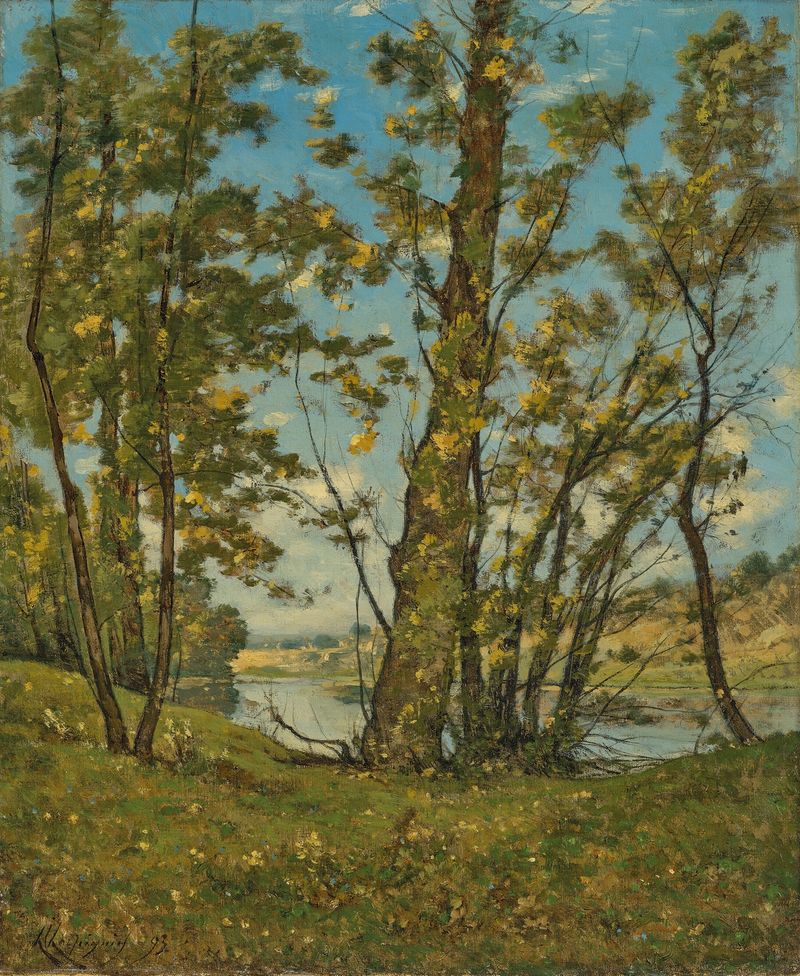
La Loire à Bonny
Henri-Joseph Harpignies
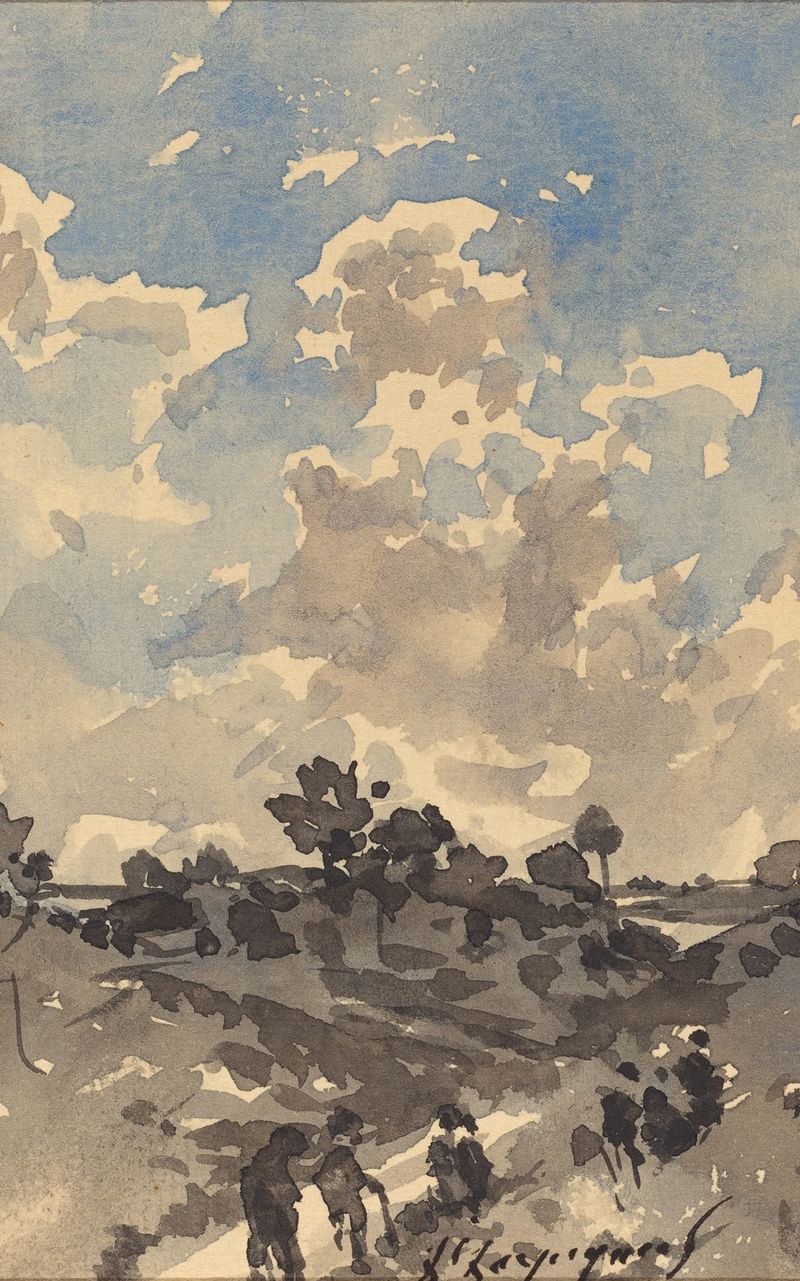
A Landscape with Figures Walking along a Path
Henri-Joseph Harpignies
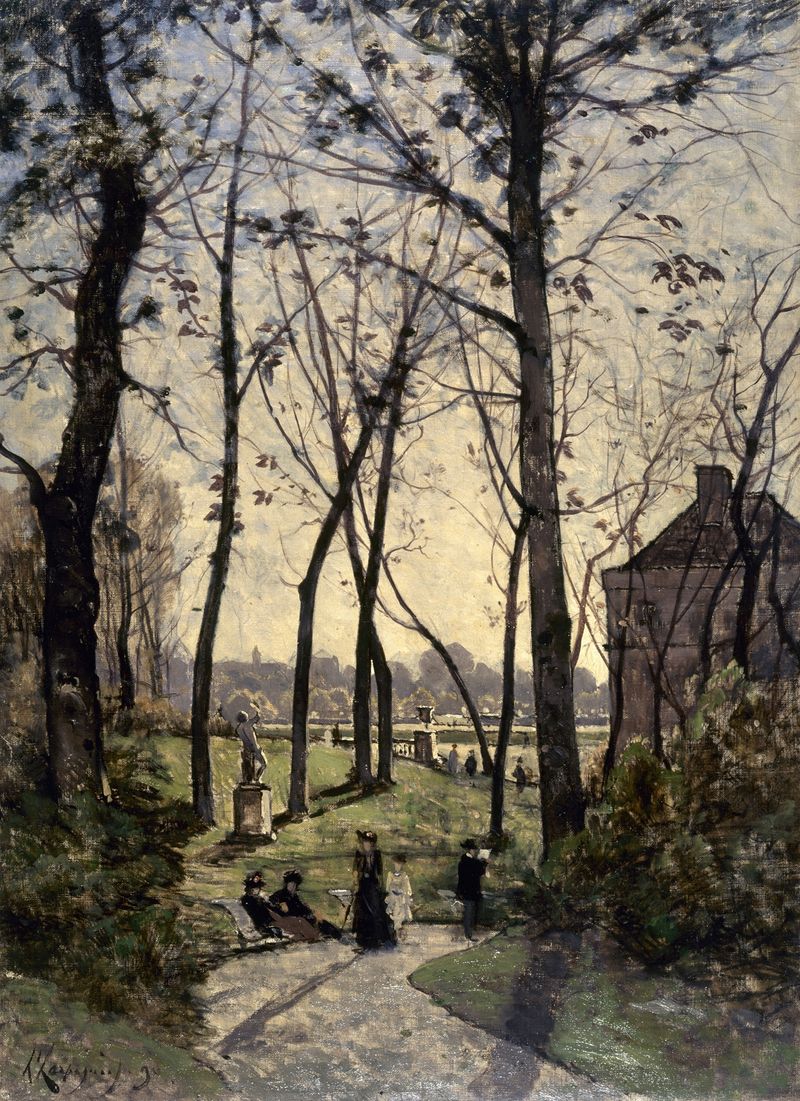
Le jardin du Luxembourg
Henri-Joseph Harpignies
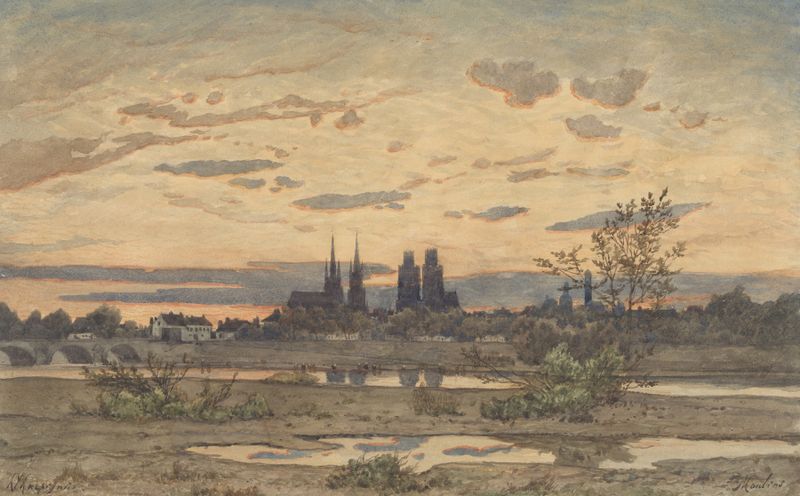
A View of Moulins
Henri-Joseph Harpignies
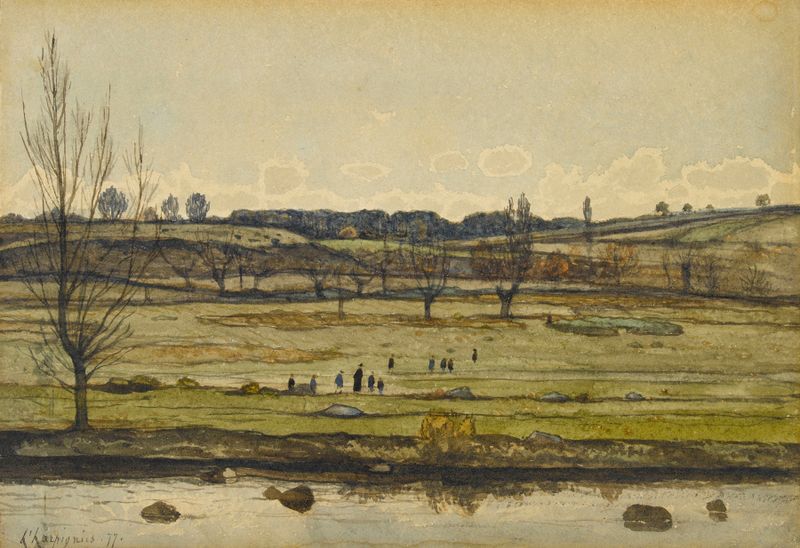
Paysage
Henri-Joseph Harpignies
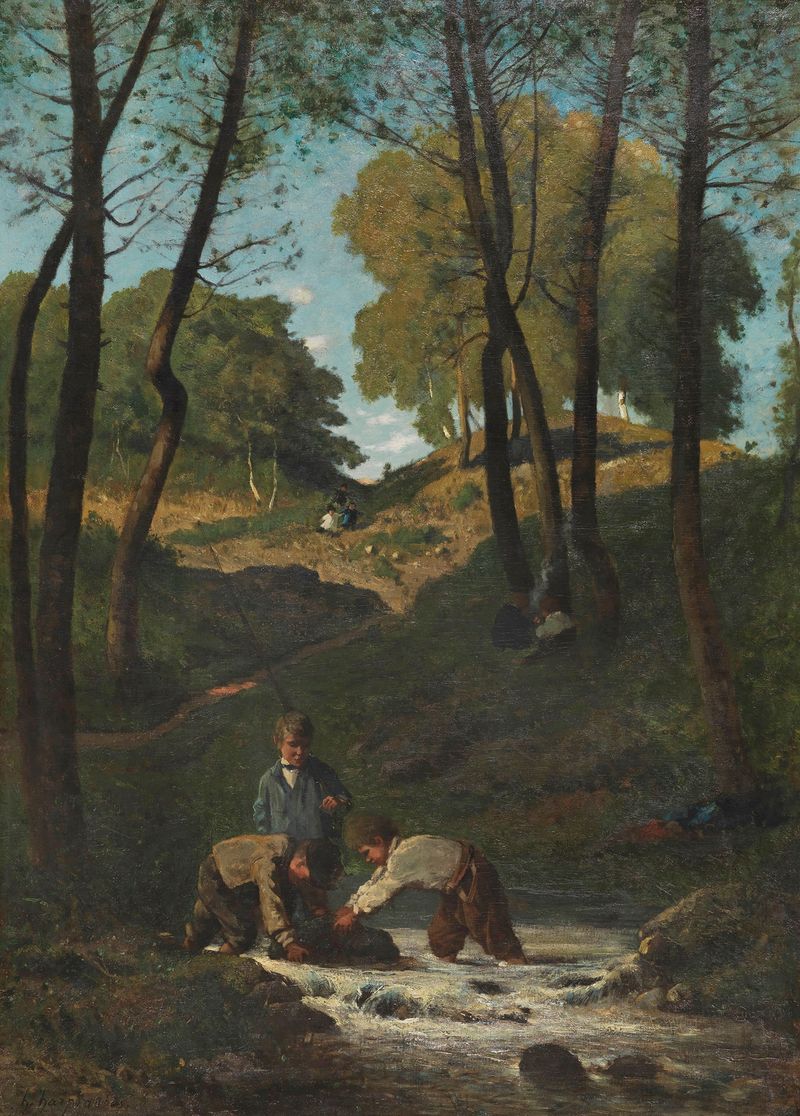
Chercheurs d’écrevisses
Henri-Joseph Harpignies
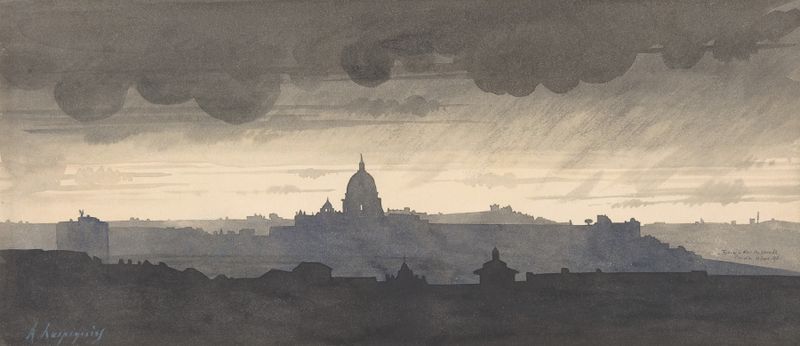
Saint Peter’s Seen From the Pincio, Rome
Henri-Joseph Harpignies
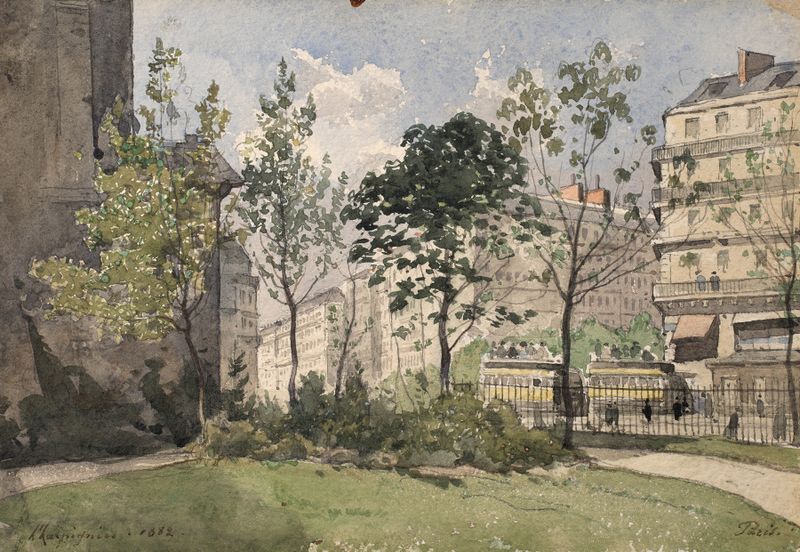
View of the forecourt of the Saint-Germain-des-Prés church
Henri-Joseph Harpignies
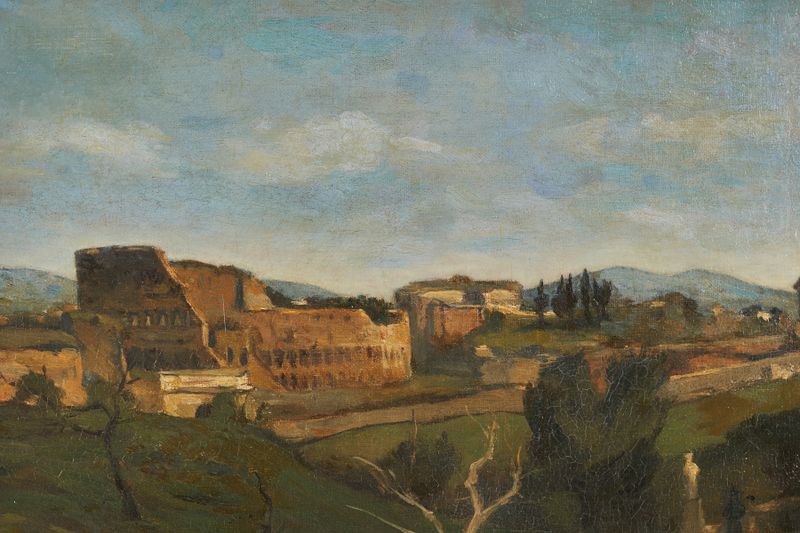
Le Colisée à Rome
Henri-Joseph Harpignies

Villefranche
Henri-Joseph Harpignies





