
Paysage sur la Méditerranée — History & Facts
When did color learn to lie? This question lingers in the air, heavy with the weight of nostalgia and unspoken sorrow, as one gazes upon the gentle hues of a landscape that yearns for a past it cannot reclaim. Look to the left, where soft blues and greens meld into the horizon, painting a serene meeting of sea and sky. Notice the brushwork that dances across the canvas, both fluid and deliberate, capturing the modest ripples of the Mediterranean. The light glimmers, a deceptive promise of warmth and tranquility, while the muted tones suggest an underlying melancholy that seeps into the viewer’s heart.
Each stroke reveals not just a scene but an experience, inviting contemplation of the fragility of beauty and the passage of time. There’s a poignant contrast between the lush greenery and the vast, empty expanse of the water, reflecting the artist's inner turmoil perhaps. The vibrant foliage suggests life, yet the waning sunlight hints at the day’s end, symbolizing fleeting moments that can never be recaptured. Subtle shadows stretch across the landscape, a reminder of the inevitability of loss that accompanies every beautiful vista.
In this delicate balance, Harpignies conjures a longing for connection, evoking the idea that beauty often carries the bittersweet burden of what has faded away. During an undated period in the late 19th century, the artist explored various landscapes, drawing from the rich influence of the French Barbizon school, which emphasized a naturalistic approach to scenery. The world of art was evolving, capturing fleeting impressions rather than rigid realities, and Harpignies, while navigating personal and societal changes, became one of the figures who championed this transition. His work resonates with a longing that echoes through time, inviting viewers to reflect on their own experiences of beauty and loss.
More Artworks by Henri-Joseph Harpignies
Browse all →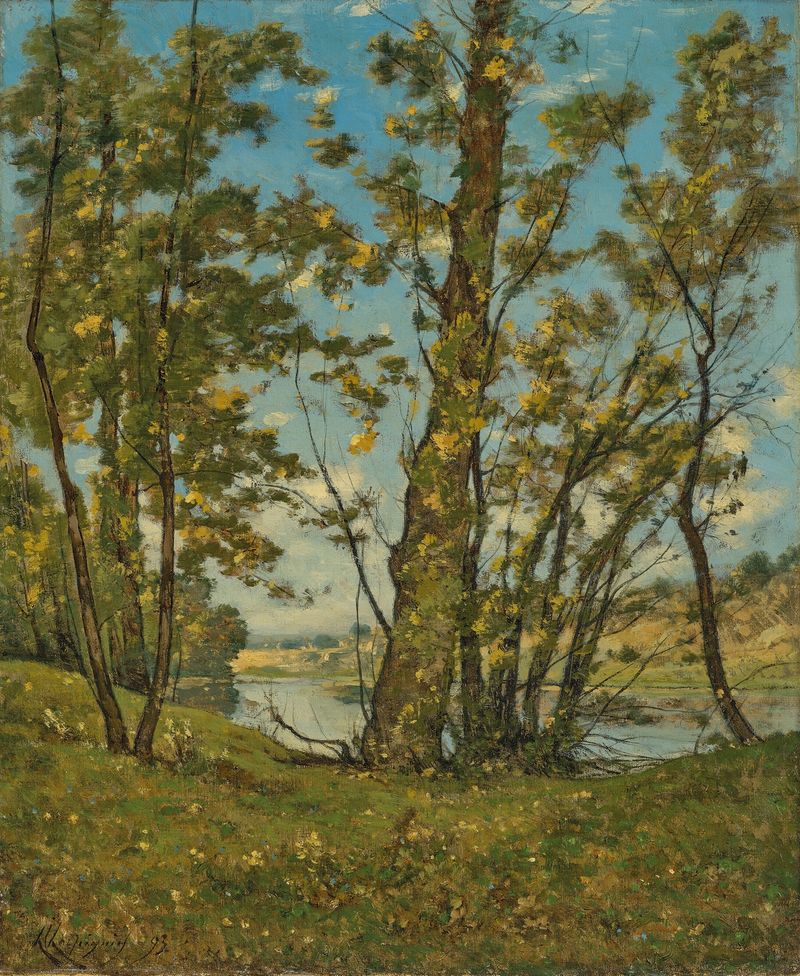
La Loire à Bonny
Henri-Joseph Harpignies
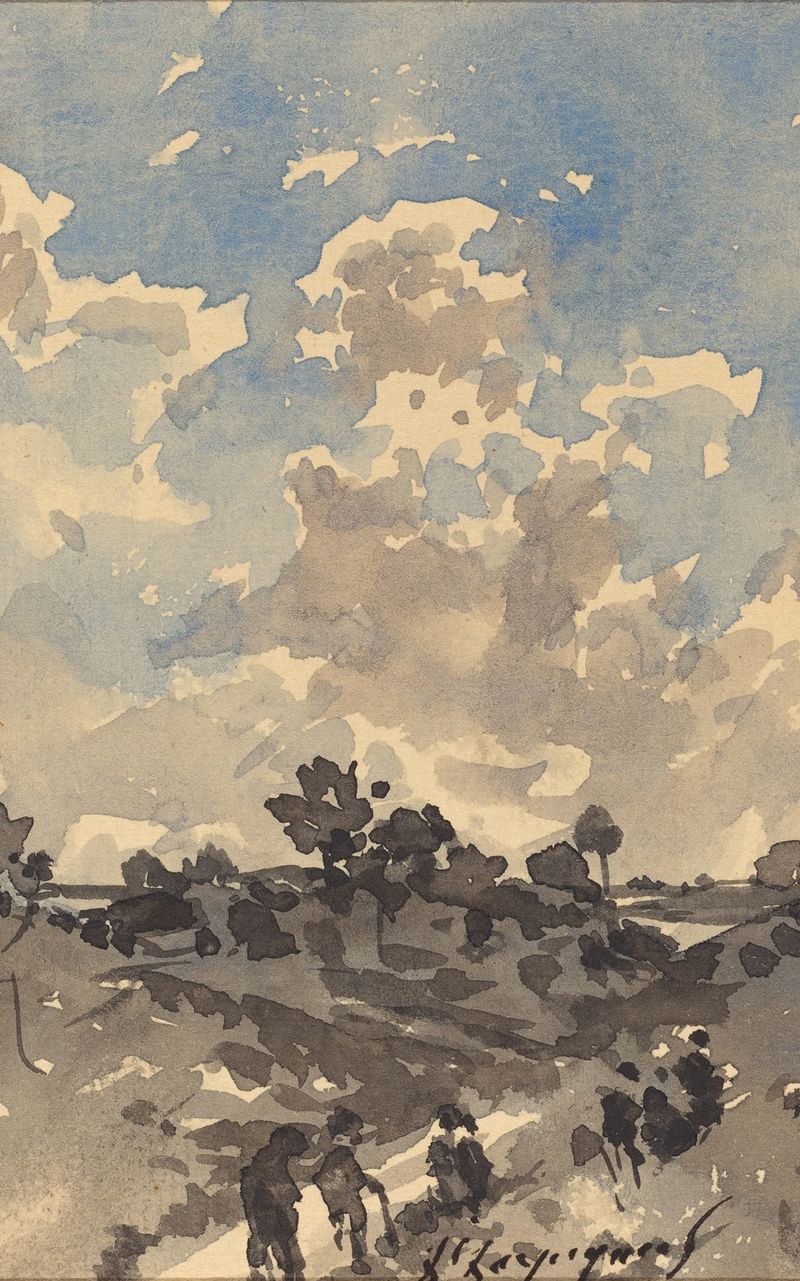
A Landscape with Figures Walking along a Path
Henri-Joseph Harpignies
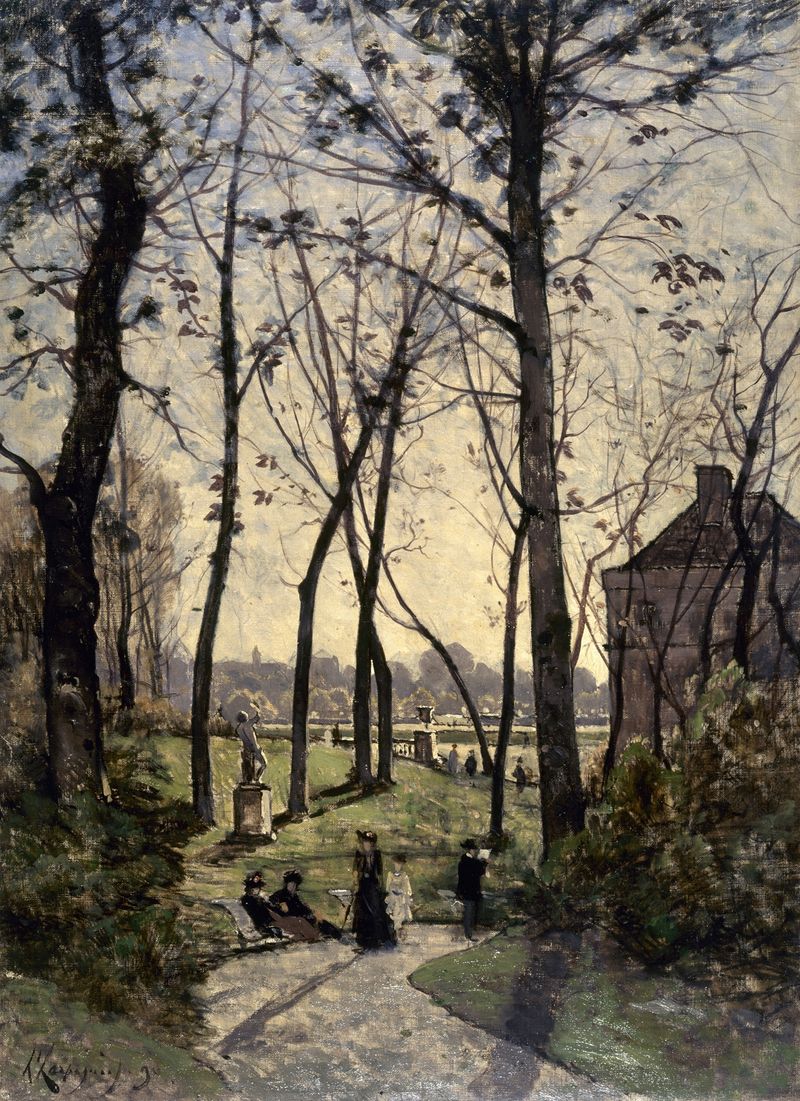
Le jardin du Luxembourg
Henri-Joseph Harpignies
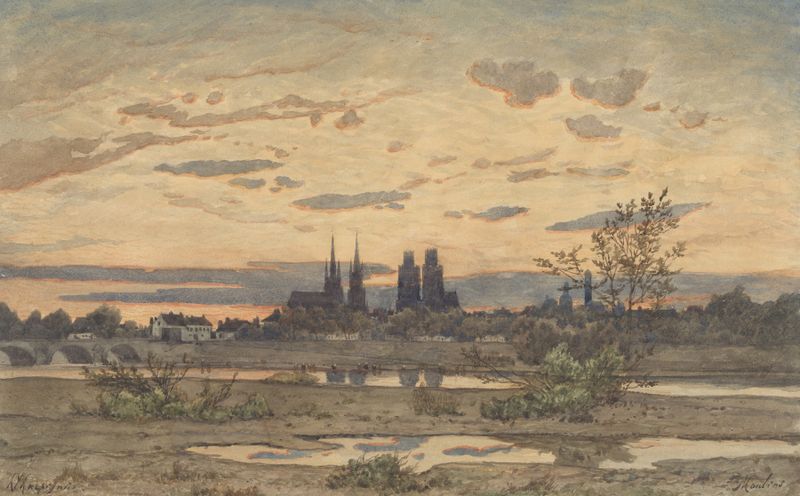
A View of Moulins
Henri-Joseph Harpignies
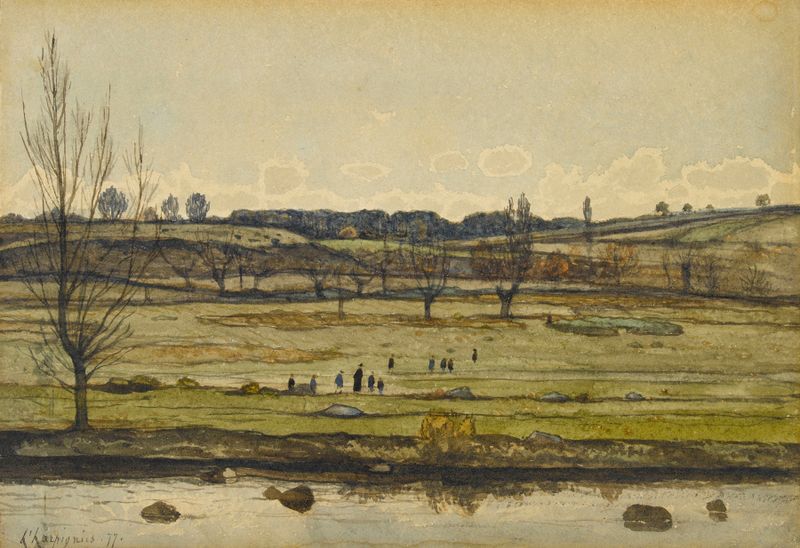
Paysage
Henri-Joseph Harpignies
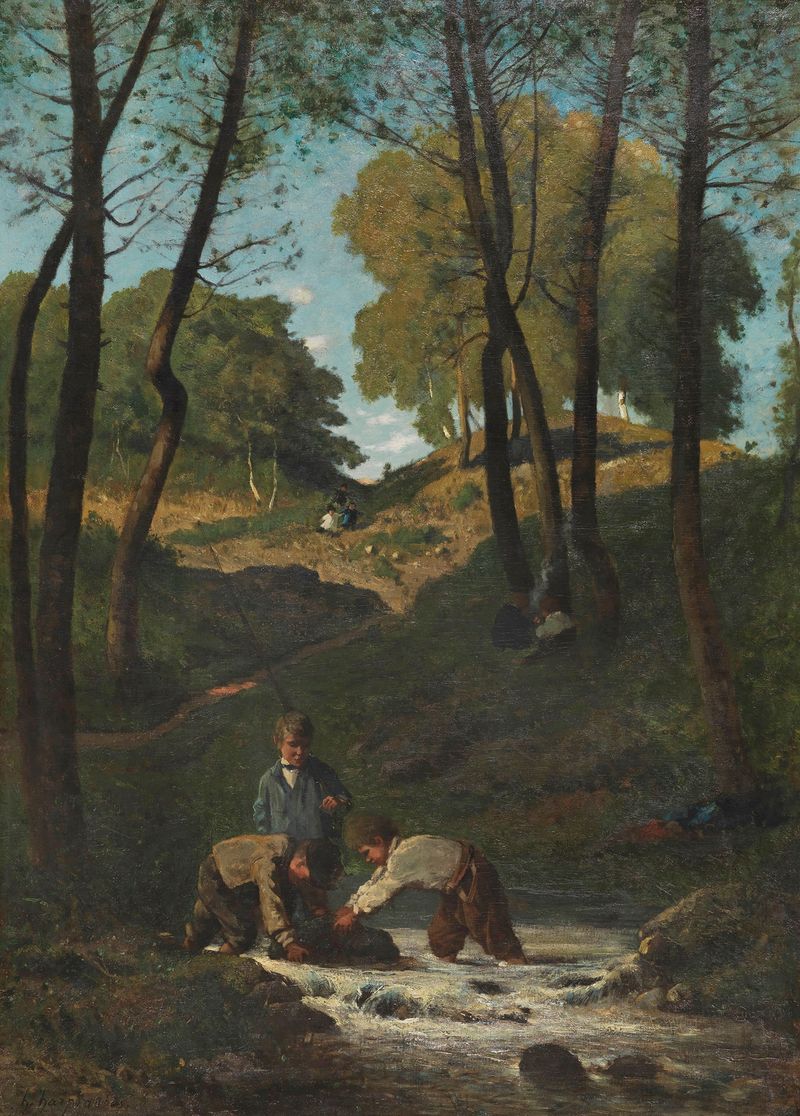
Chercheurs d’écrevisses
Henri-Joseph Harpignies
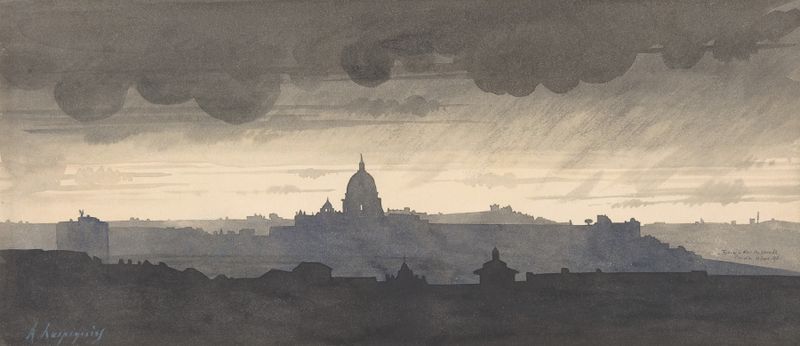
Saint Peter’s Seen From the Pincio, Rome
Henri-Joseph Harpignies
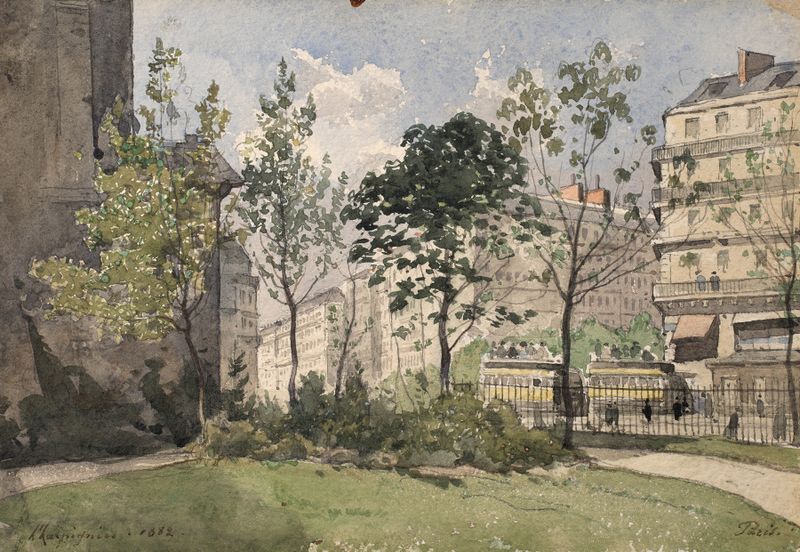
View of the forecourt of the Saint-Germain-des-Prés church
Henri-Joseph Harpignies
Le Colisée à Rome
Henri-Joseph Harpignies

Villefranche
Henri-Joseph Harpignies





