
Peasants Dancing — History & Facts
The eye lands first on the wild, almost comic abandon of the dancers at the center, their arms thrown high and feet mid-kick, caught in the swirl of music and laughter. The scene is thick with movement and earthy humor: a fiddler draws his bow with determined energy, while a dog sniffs at the ground beside a discarded jug, hinting at the revelry’s liquid fuel. To the left, a man leans in conspiratorially toward a seated woman, her wary glance suggesting that not all the evening’s advances are welcome.
The palette is dense with ochres and browns, the light pooling in the center to spotlight the dancers, while the background recedes into the smoky dusk of a village festival. Every gesture is exaggerated, every face animated, as if the painter is inviting us to laugh along with the folly and warmth of rural life. Painted in 1655, Peasants Dancing belongs to the world of the Dutch Golden Age, when scenes of everyday life—especially the pleasures and vices of the lower classes—were eagerly collected by a rising urban middle class. Works like this, by Adriaen Pietersz van de Venne, were prized for their lively storytelling and sly social commentary, often functioning as both entertainment and moral lesson.
In an era when the boundaries between celebration and excess were hotly debated, such paintings could be both a celebration of communal joy and a warning against its excesses. Today, this work resides in the Yale University Art Gallery, a rare survivor from a period when the ordinary joys of village life were given pride of place on city walls. The next time you look, follow the line of the fiddler’s bow and see where the music might take you.
More Artworks by Adriaen Pietersz van de Venne
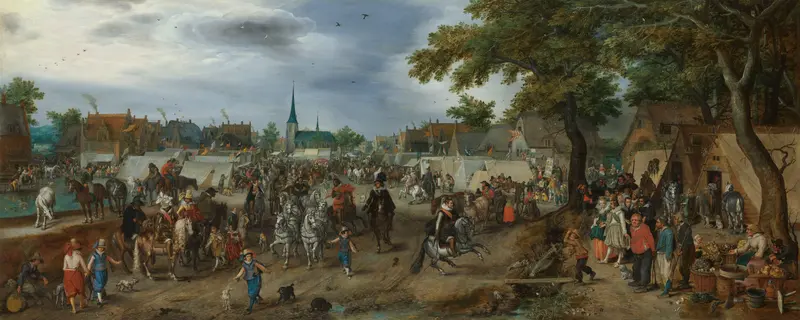
Princes Maurice and Frederick Henry at the Valkenburg Horse Fair
Adriaen Pietersz van de Venne
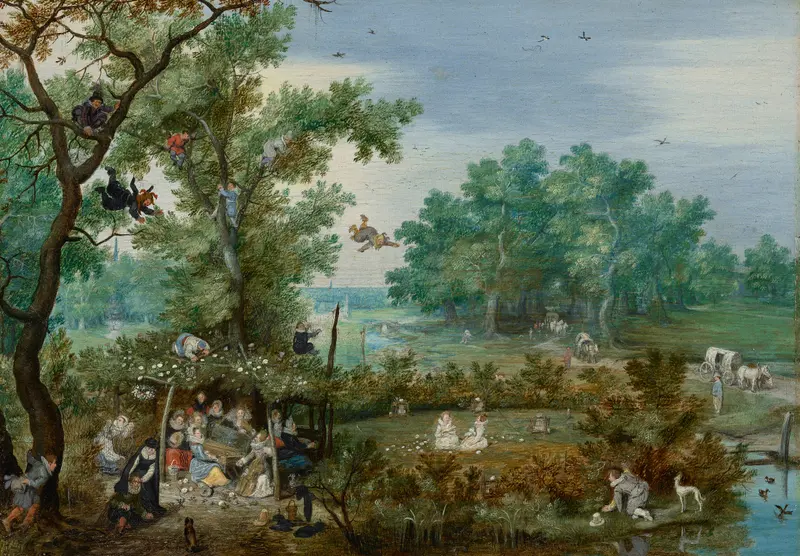
Merry Company in an Arbor
Adriaen Pietersz van de Venne
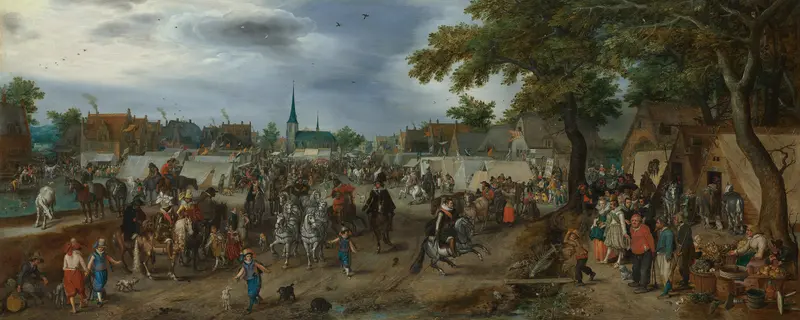
Princes Maurice and Frederick Henry at the Valkenburg Horse Fair
Adriaen Pietersz van de Venne
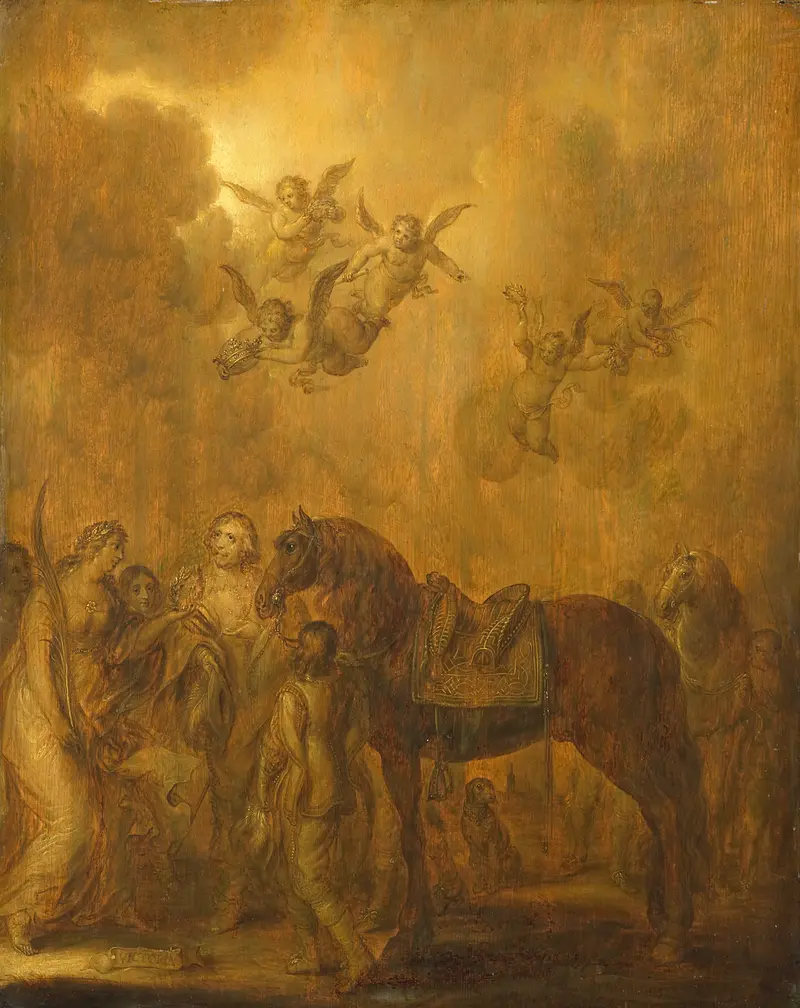
Allegory of the Stadtholdership of Prince Frederick Henry
Adriaen Pietersz van de Venne
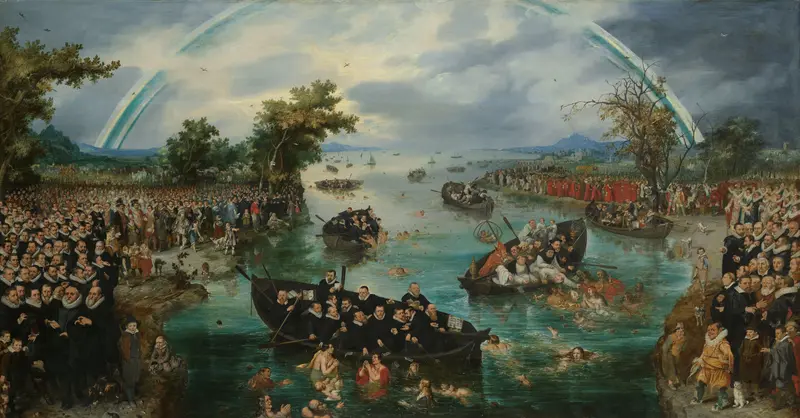
Fishing for Souls
Adriaen Pietersz van de Venne
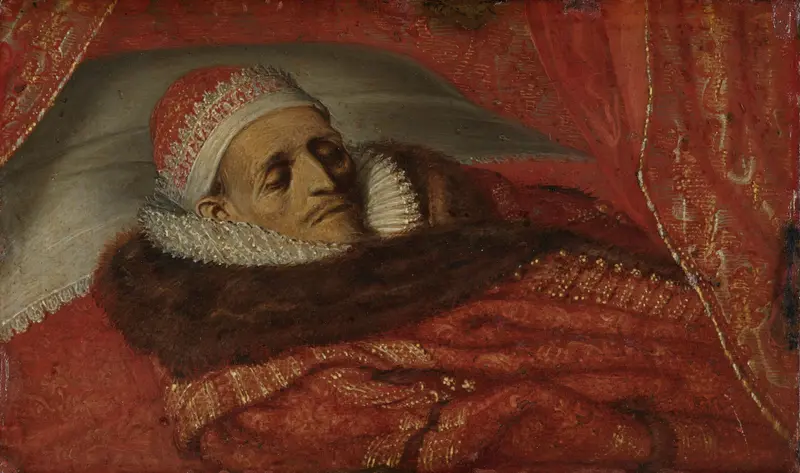
Stadtholder Prince Maurice Lying in State
Adriaen Pietersz van de Venne
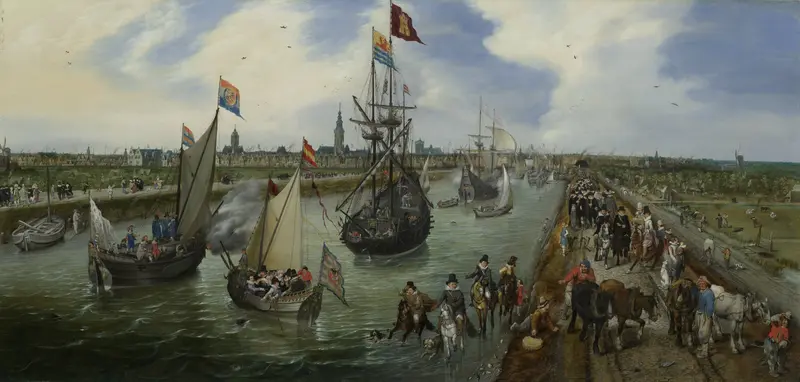
The Departure of a Dignitary from Middelburg
Adriaen Pietersz van de Venne
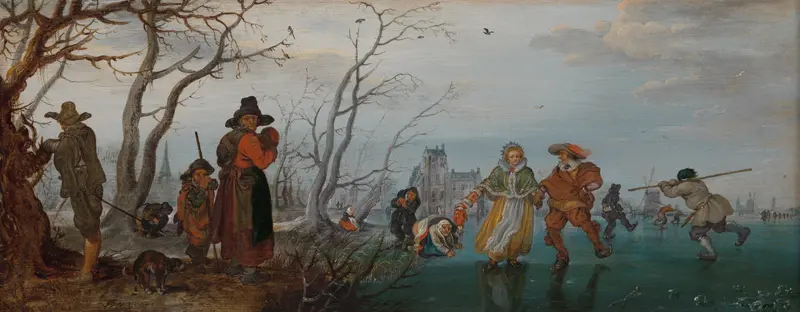
Winter
Adriaen Pietersz van de Venne

A Jeu de Paume Before a Country Palace
Adriaen Pietersz van de Venne
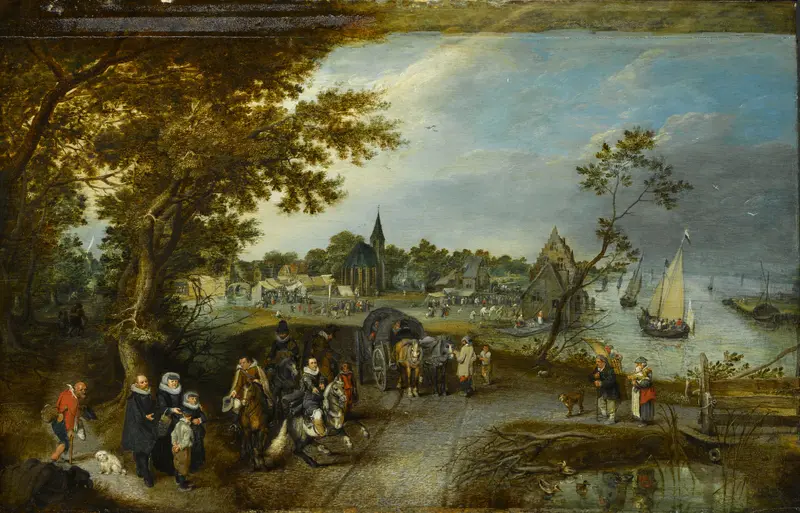
Landscape with Figures and a Village Fair (Village Kermesse)
Adriaen Pietersz van de Venne
More Genre Scene Art

Banquet of the Officers of the St George Civic Guard
Frans Hals

Rembrandt and Saskia in the Scene of the Prodigal Son
Rembrandt van Rijn

Bal du moulin de la Galette
Pierre-Auguste Renoir

Quadrille at the Moulin Rouge
Henri de Toulouse-Lautrec

A Burial at Ornans
Gustave Courbet

When Will You Marry?
Paul Gauguin