
Peasants Dancing in a Tavern — History & Facts
What draws the eye first in Peasants Dancing in a Tavern is not a single figure, but a riot of movement and laughter that seems to spill from the painting’s frame. The low, timbered ceiling presses the crowd together, amplifying the sense of warmth and chaos. In the center, a pair of dancers lurch with exaggerated gestures, their bodies thrown forward in a comic, almost theatrical display, while onlookers grin, clap, and lean in, swept up in the merriment.
Light pours in from the left, picking out flushed faces, the gleam of a jug, and the scattered cards and coins on the floor—a world of small pleasures and shared jokes. Every detail, from the sagging rafters to the cluttered hearth, roots the scene in the everyday, yet the energy lifts it out of the ordinary. Painted in 1659, this work belongs to the bustling world of Dutch Golden Age genre painting, where artists like Adriaen van Ostade found endless inspiration in village life. Such scenes were prized by a rising middle class, eager for images that celebrated humble joys and the rhythms of rural existence.
These paintings offered a window into a world both familiar and distant: a tavern’s smoky glow, the rowdy camaraderie of a festival, the small dramas of flirtation and rivalry. Now in the Saint Louis Art Museum, this painting is one of many that survive from a time when artists turned their gaze from kings and saints to the laughter and labor of ordinary people—inviting us, centuries later, to join the dance.
More Artworks by Adriaen van Ostade

Dans in de herberg
Adriaen van Ostade
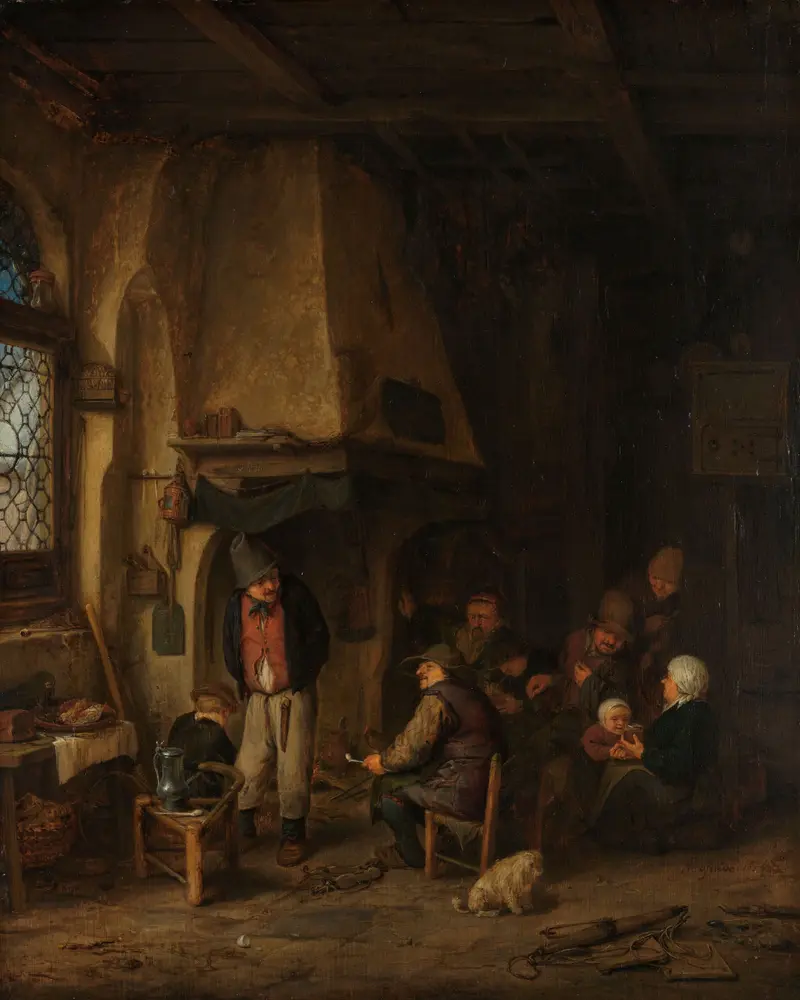
‘The Skaters’: Peasants in an Interior
Adriaen van Ostade
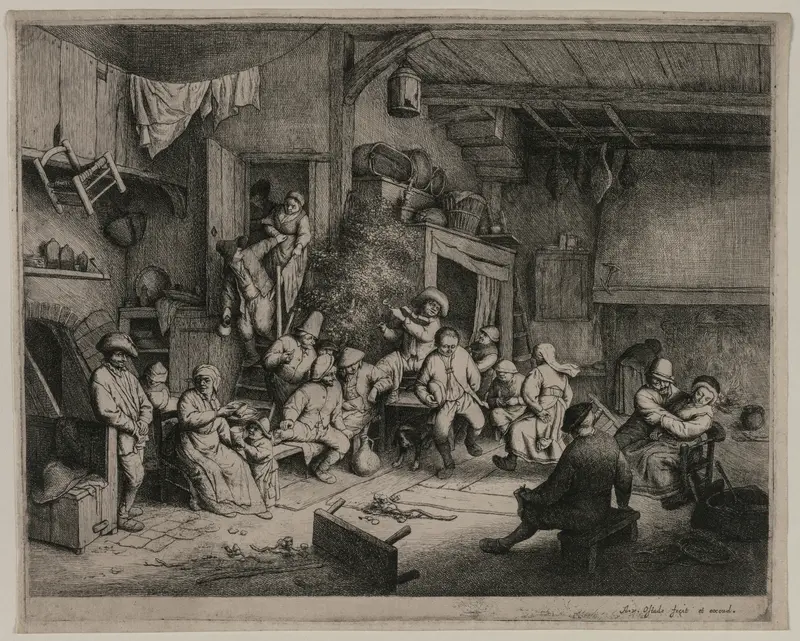
Dance at the Inn
Adriaen van Ostade
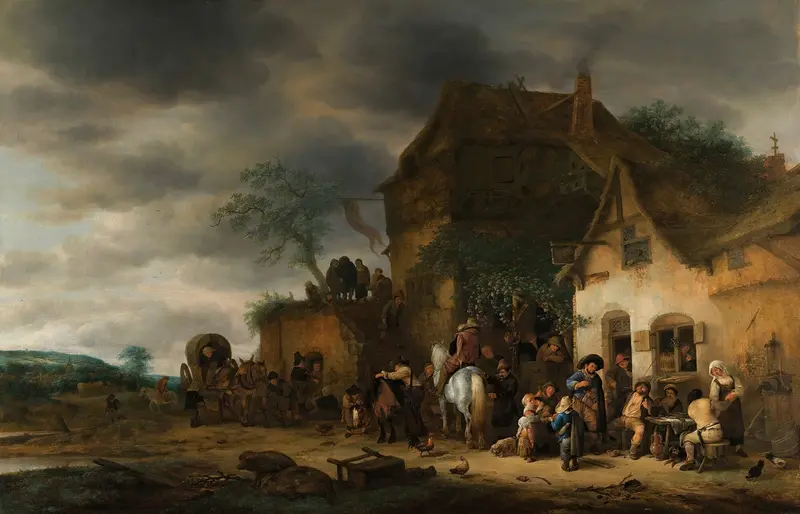
Travellers Halted At A Country Inn
Adriaen van Ostade
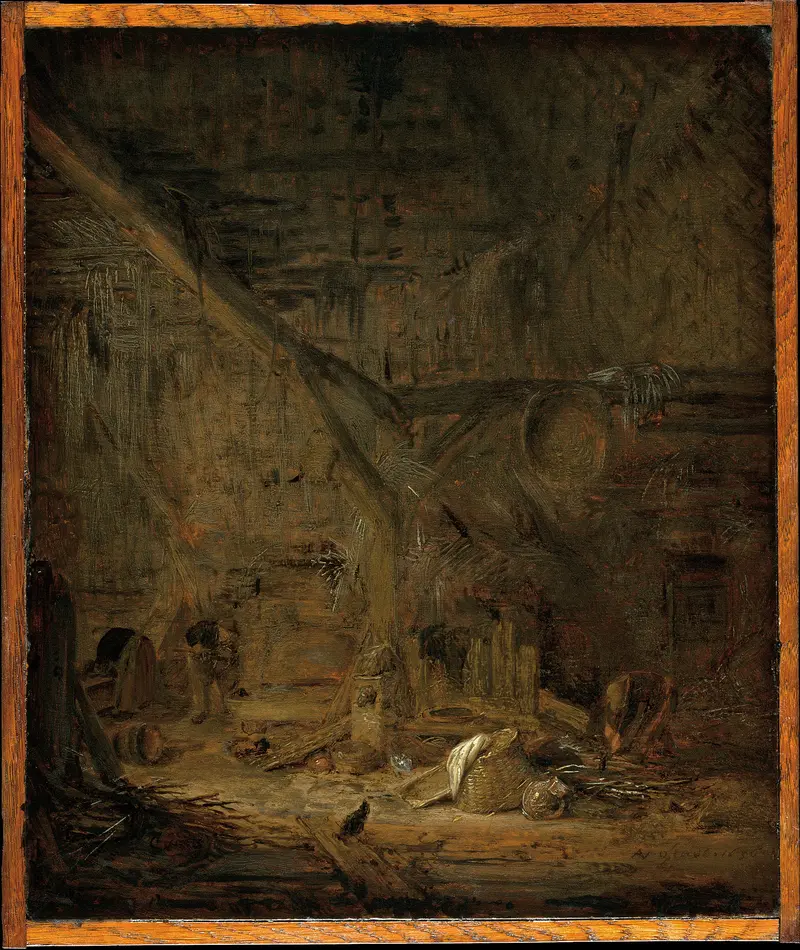
Interior of a Barn
Adriaen van Ostade
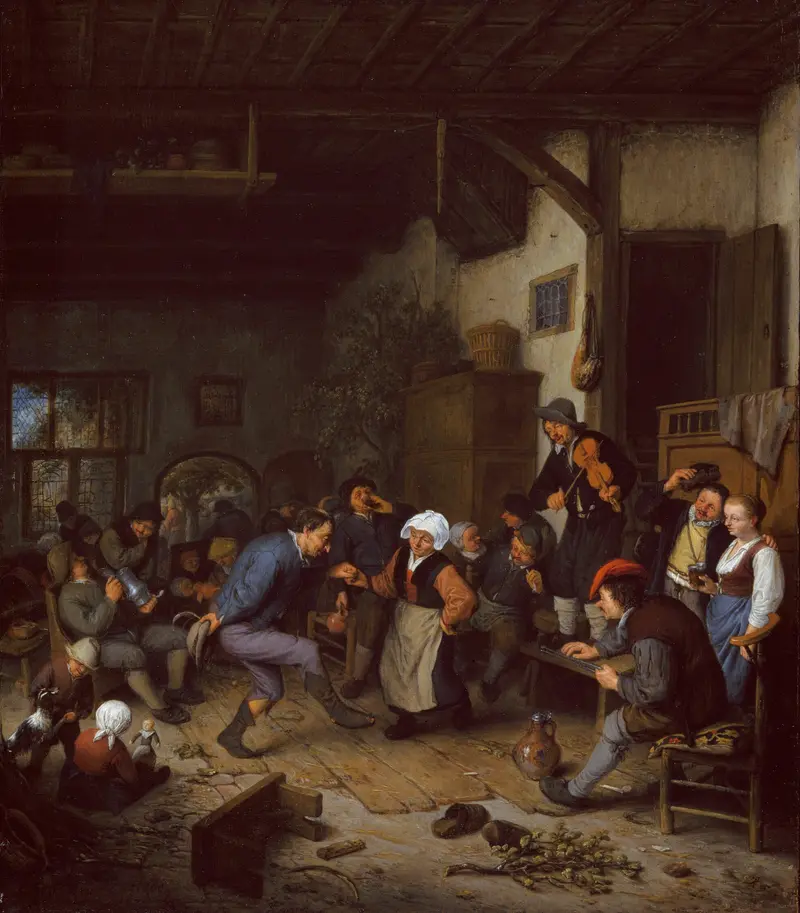
Merrymakers in an Inn
Adriaen van Ostade
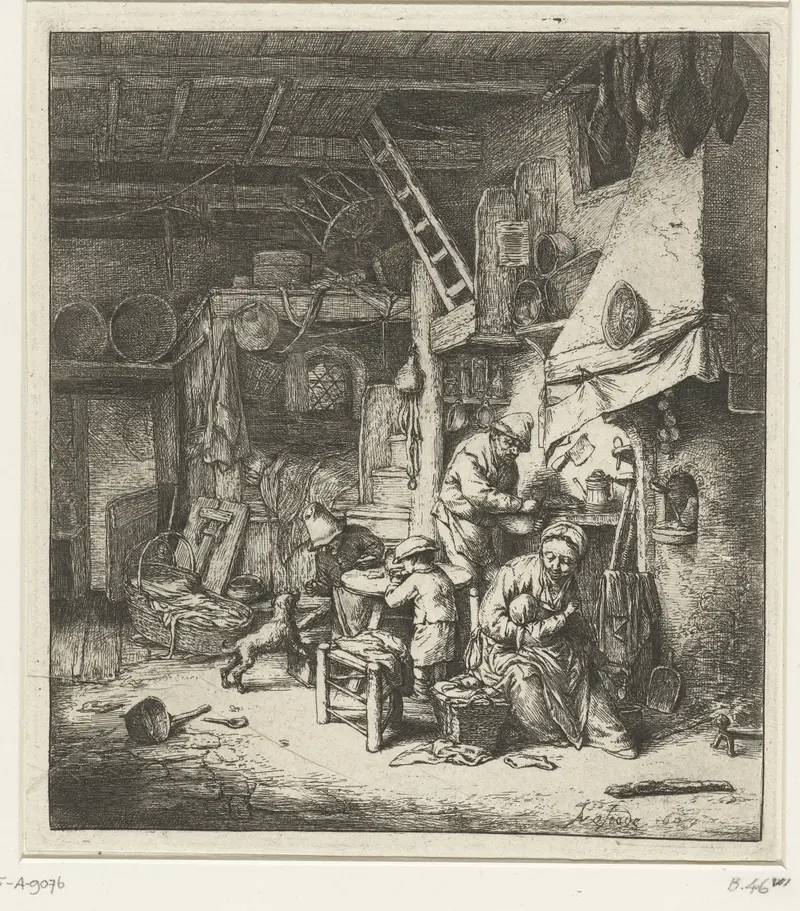
Boerengezin in interieur
Adriaen van Ostade
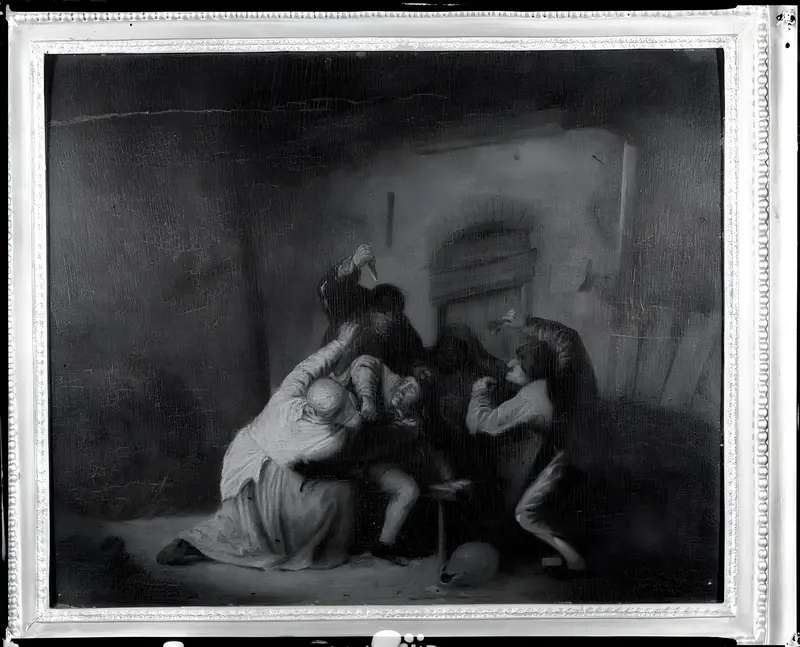
Peasants Brawling in a Tavern
Adriaen van Ostade
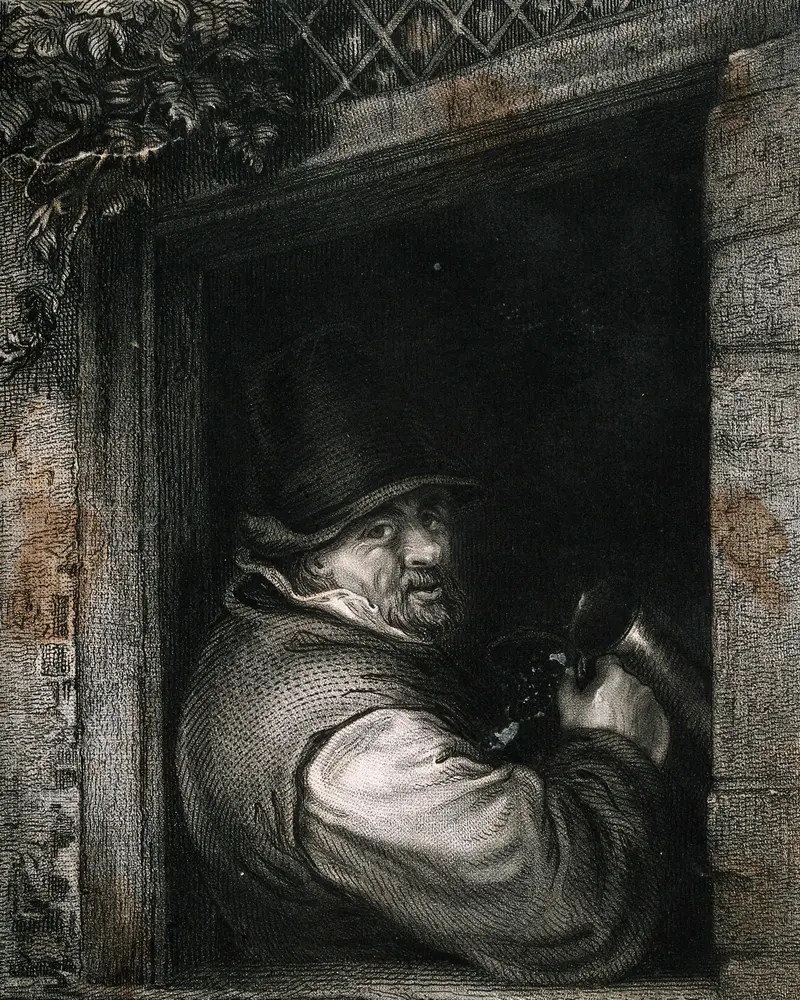
Man with a Tankard at a Window
Adriaen van Ostade
Dans in de herberg
Adriaen van Ostade
More Genre Scene Art

Banquet of the Officers of the St George Civic Guard
Frans Hals

Rembrandt and Saskia in the Scene of the Prodigal Son
Rembrandt van Rijn

Bal du moulin de la Galette
Pierre-Auguste Renoir

Quadrille at the Moulin Rouge
Henri de Toulouse-Lautrec

A Burial at Ornans
Gustave Courbet

When Will You Marry?
Paul Gauguin