
Peasants Drinking and Smoking — History & Facts
A single raised glass draws the eye, held aloft in a gesture that is both triumphant and conspiratorial. Around a battered table, three men lean in, their bodies slouched and legs sprawled, each absorbed in the rituals of pipe and drink. The light, golden and smoky, pools around their faces and hands, catching the gleam of pewter and the rough weave of their clothes, while the rest of the room recedes into shadow.
Every detail is a clue: the curling smoke, the clutter of pipes and knives, the onions hanging from a nail, all conjuring the thick, close air of a humble tavern. The scene is not a celebration but a pause, a moment of camaraderie and escape, where the outside world is kept at bay by laughter and drink. Works like this by Adriaen van Ostade—painted in 1643, now in the Nationalmuseum—were the lifeblood of the Dutch Golden Age’s bustling art market. Scenes of peasant life, once dismissed as lowly, became prized for their earthy humor and sharp observation, collected by townsfolk who recognized both the foibles and the dignity of their rural neighbors.
These paintings were rarely grand commissions; instead, they were bought for private homes, where they offered a knowing wink at daily pleasures and vices. History has kept few traces of the specific origins of this canvas, but its survival speaks to a lasting appetite for the everyday, rendered with both affection and a sly sense of fun. Let your eyes linger on the details—the tilt of a hat, the glint of a knife—and imagine the stories that unfolded in such rooms, centuries ago.
More Artworks by Adriaen van Ostade

Dans in de herberg
Adriaen van Ostade
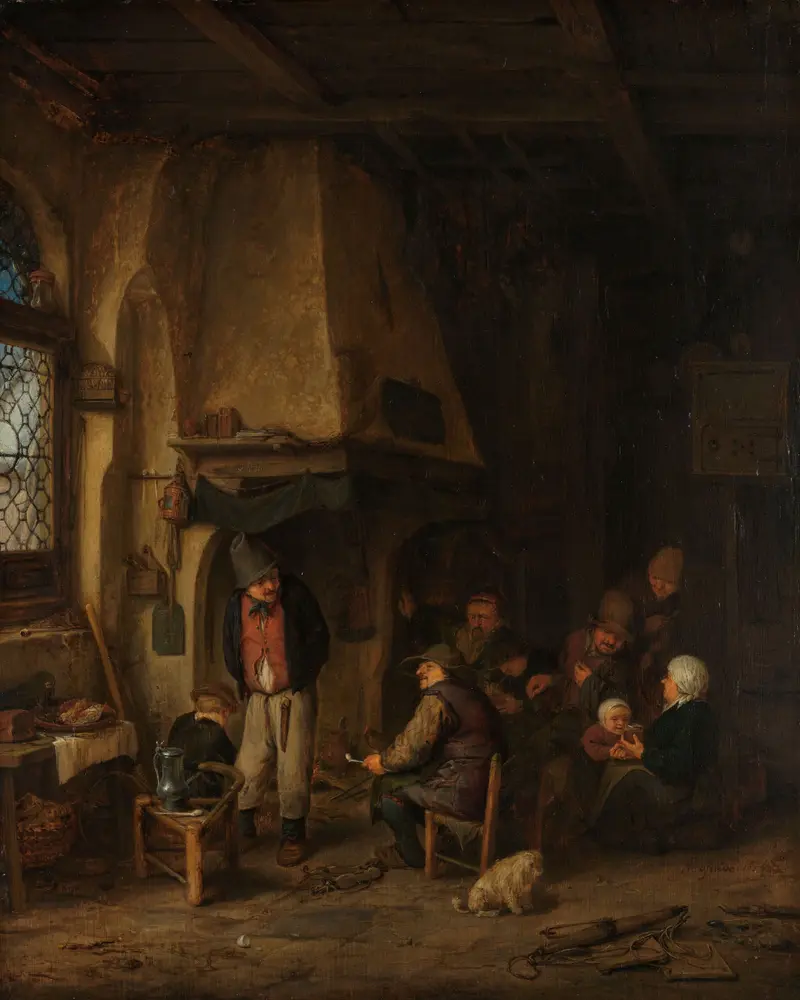
‘The Skaters’: Peasants in an Interior
Adriaen van Ostade
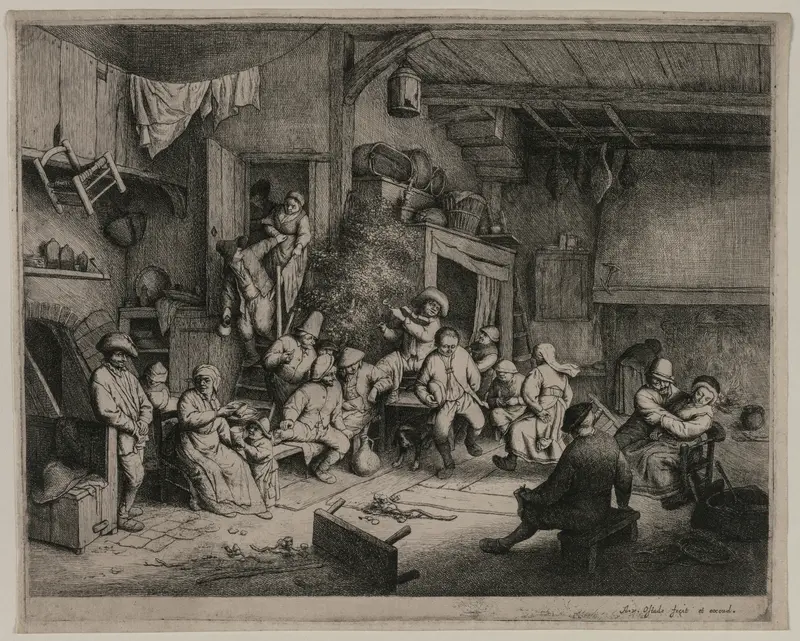
Dance at the Inn
Adriaen van Ostade
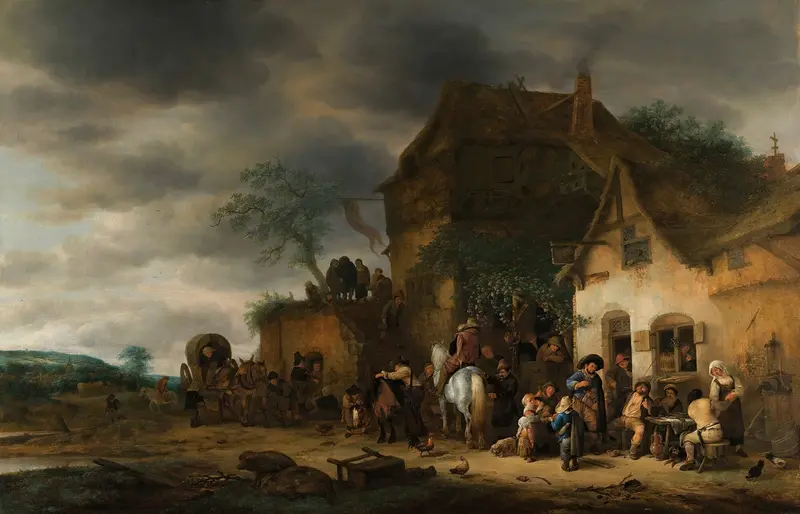
Travellers Halted At A Country Inn
Adriaen van Ostade
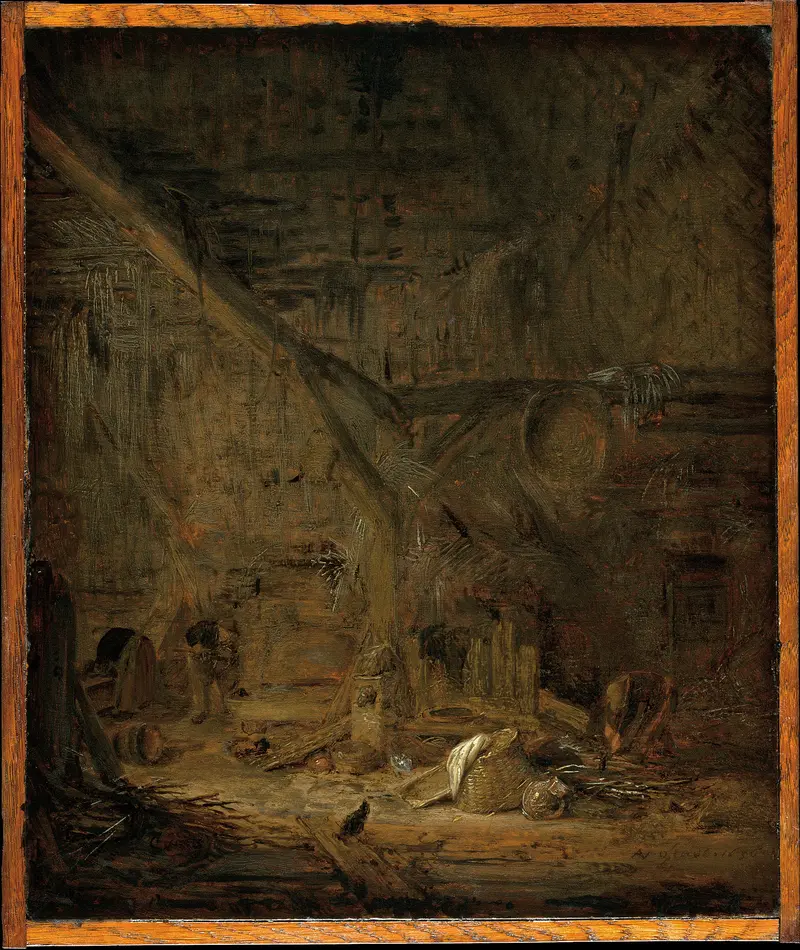
Interior of a Barn
Adriaen van Ostade
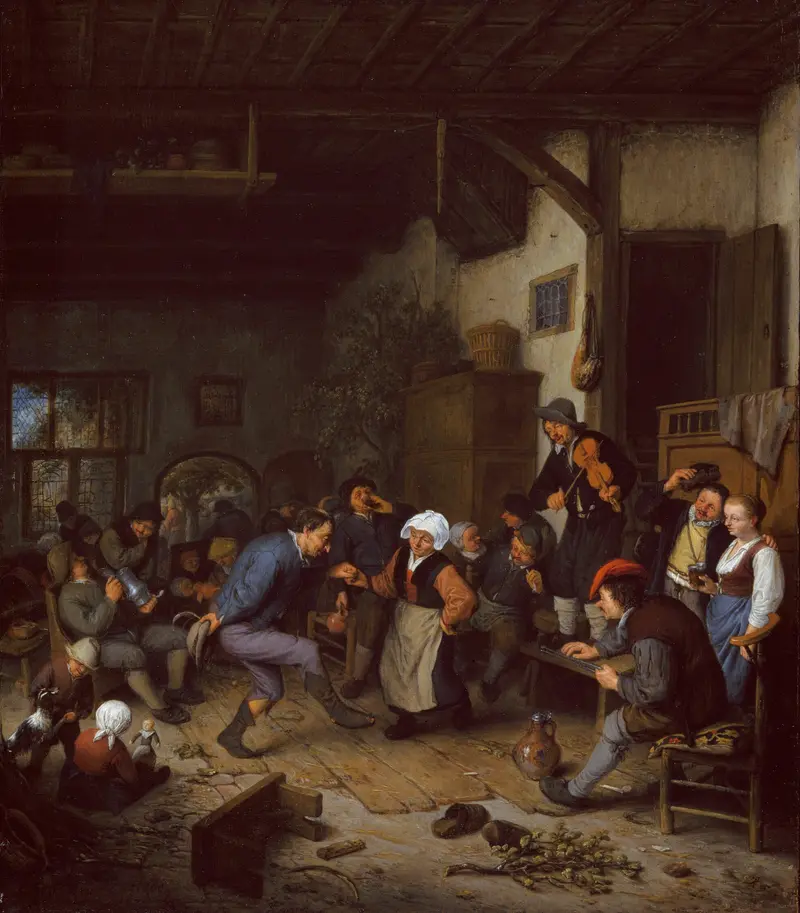
Merrymakers in an Inn
Adriaen van Ostade
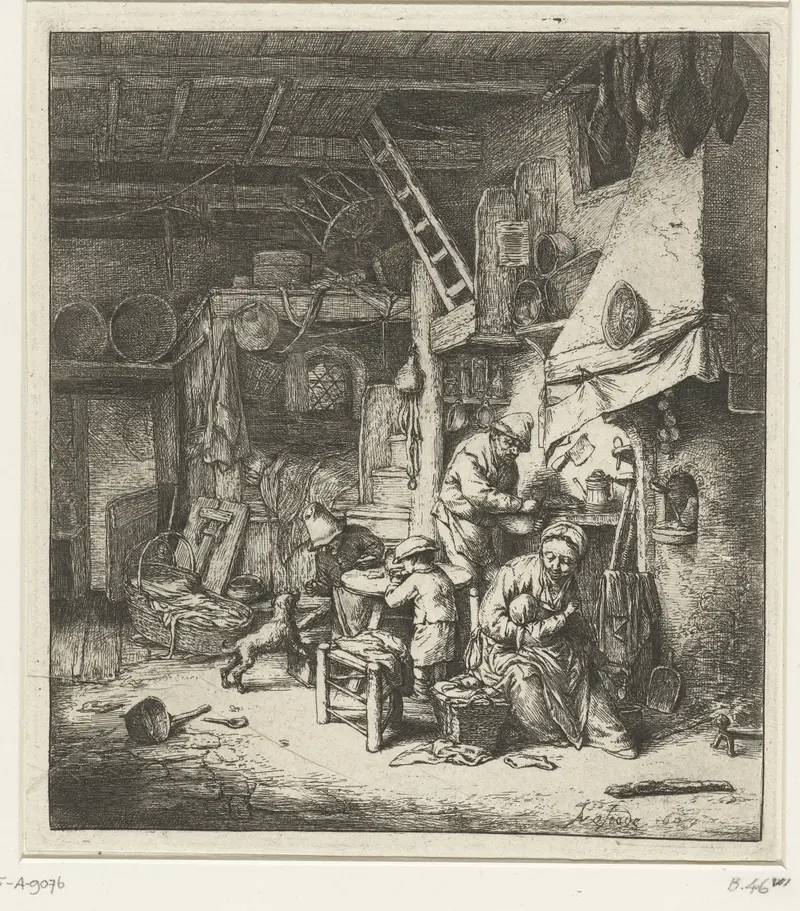
Boerengezin in interieur
Adriaen van Ostade
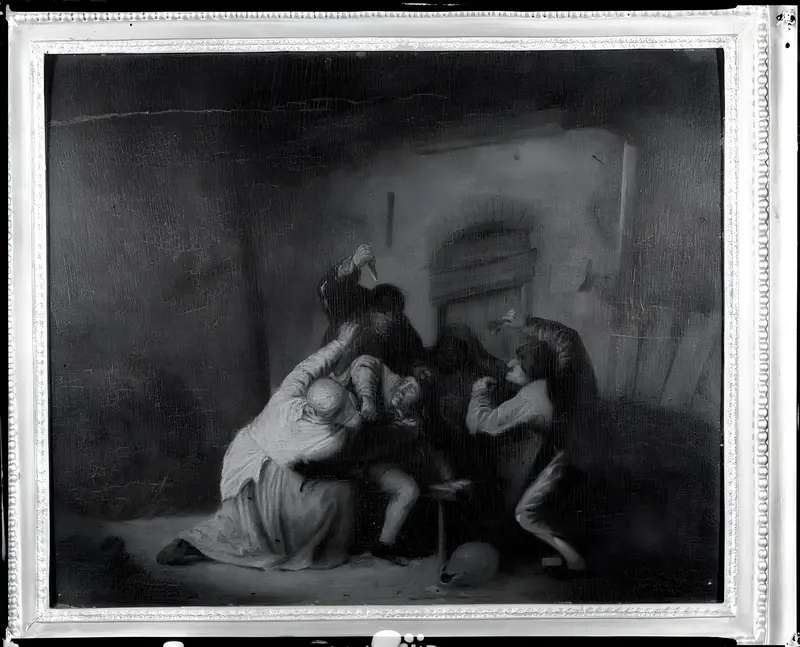
Peasants Brawling in a Tavern
Adriaen van Ostade
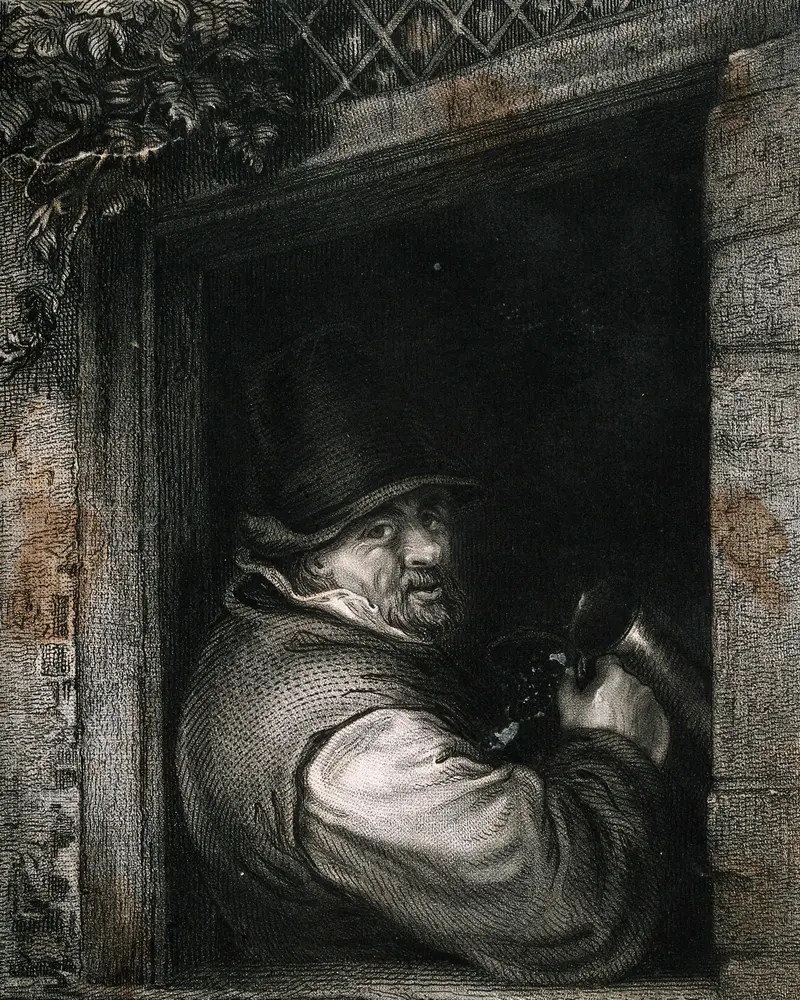
Man with a Tankard at a Window
Adriaen van Ostade
Dans in de herberg
Adriaen van Ostade
More Genre Scene Art

Banquet of the Officers of the St George Civic Guard
Frans Hals

Rembrandt and Saskia in the Scene of the Prodigal Son
Rembrandt van Rijn

Bal du moulin de la Galette
Pierre-Auguste Renoir

Quadrille at the Moulin Rouge
Henri de Toulouse-Lautrec

A Burial at Ornans
Gustave Courbet

When Will You Marry?
Paul Gauguin