Pendant Watch — History & Facts
Could beauty survive in a century of chaos? The delicate craftsmanship of this pendant watch whispers of grace amid a tumultuous era, inviting contemplation of its fragile existence. Look closely at the intricate detailing on the watch's face, where minute markings dance around the delicate hands. Notice the exquisite artisanry of the casing, glimmering with a hint of gold that captures fleeting light, creating a striking contrast against the darker, muted backdrop. The careful use of color suggests both sophistication and a sense of vulnerability, as if time itself were held in a gentle embrace. The pendant watch embodies a paradox: its elegance juxtaposed with the harsh reality of the early 17th century.
While the watch represents the pinnacle of craftsmanship, it also hints at the impermanence of beauty; a reminder that even the most finely made objects are subject to the ravages of time. The soft glow of the materials evokes the tension between the desire for permanence and the inevitability of decay. Created around 1600, this piece reflects an era marked by political upheaval and religious strife in Europe. Artists were experimenting with new techniques, responding to a world in flux.
The exact identity of the creator remains shrouded in mystery, yet the watch stands as a testament to the rich tradition of craftsmanship during a time when both artistry and individual expression were beginning to flourish amid the chaos.
More Artworks by Unknown Artist

The Tale of Genji Scroll: Yadorigi
Unknown Artist
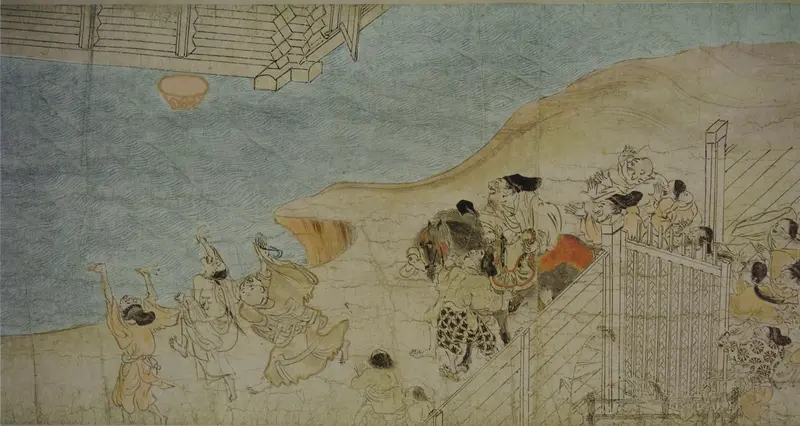
Legends of Mount Shigi: The Flying Granary
Unknown Artist
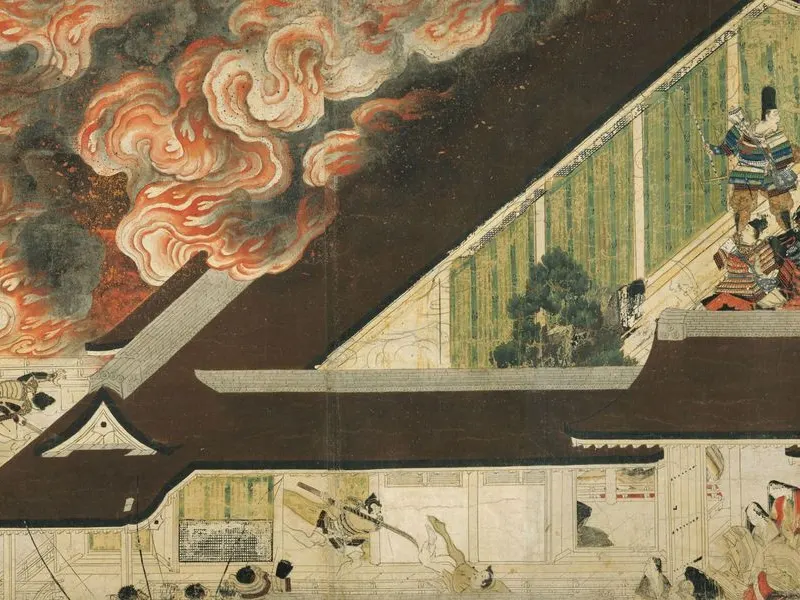
Night Attack on the Sanjō Palace
Unknown Artist
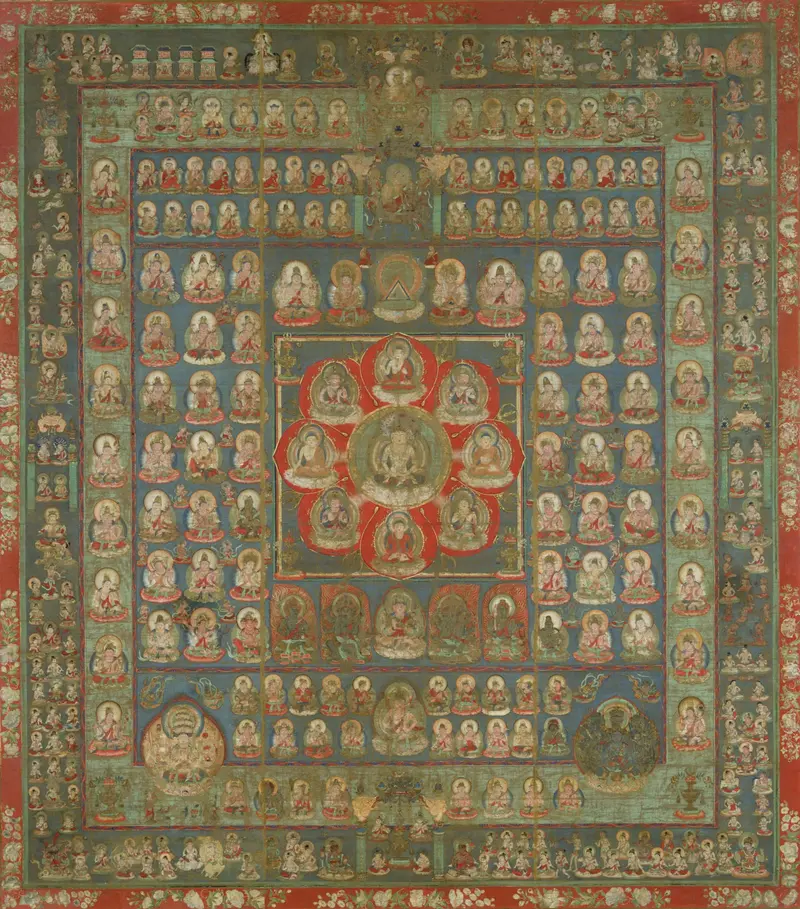
Womb World Mandala (Mandala of the Two Realms)
Unknown Artist
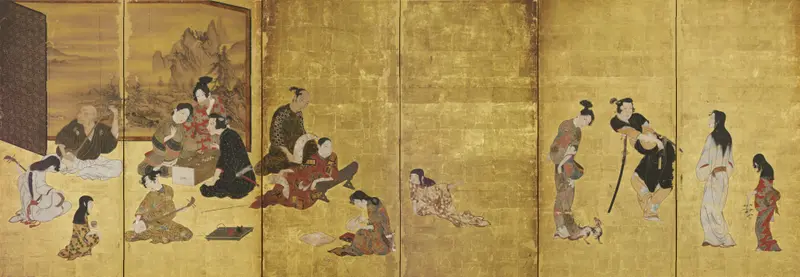
Hikone Screen
Unknown Artist
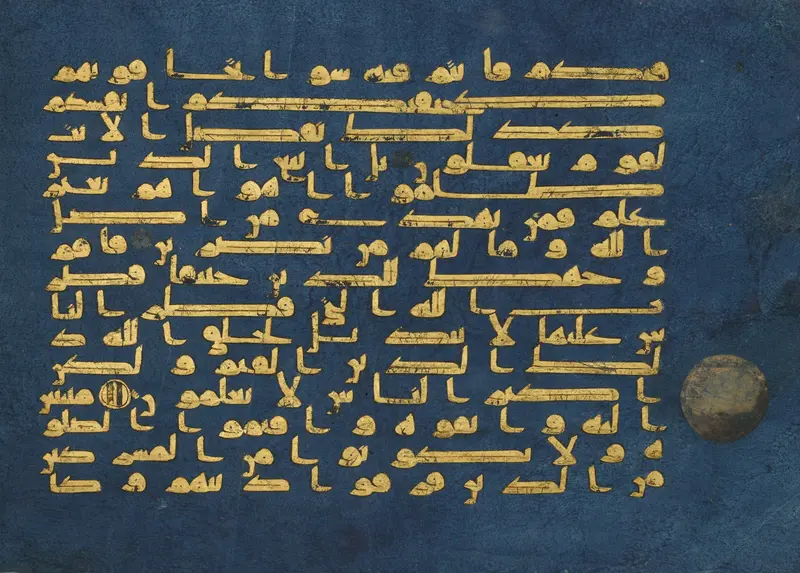
Folio from the Blue Qur'an
Unknown Artist
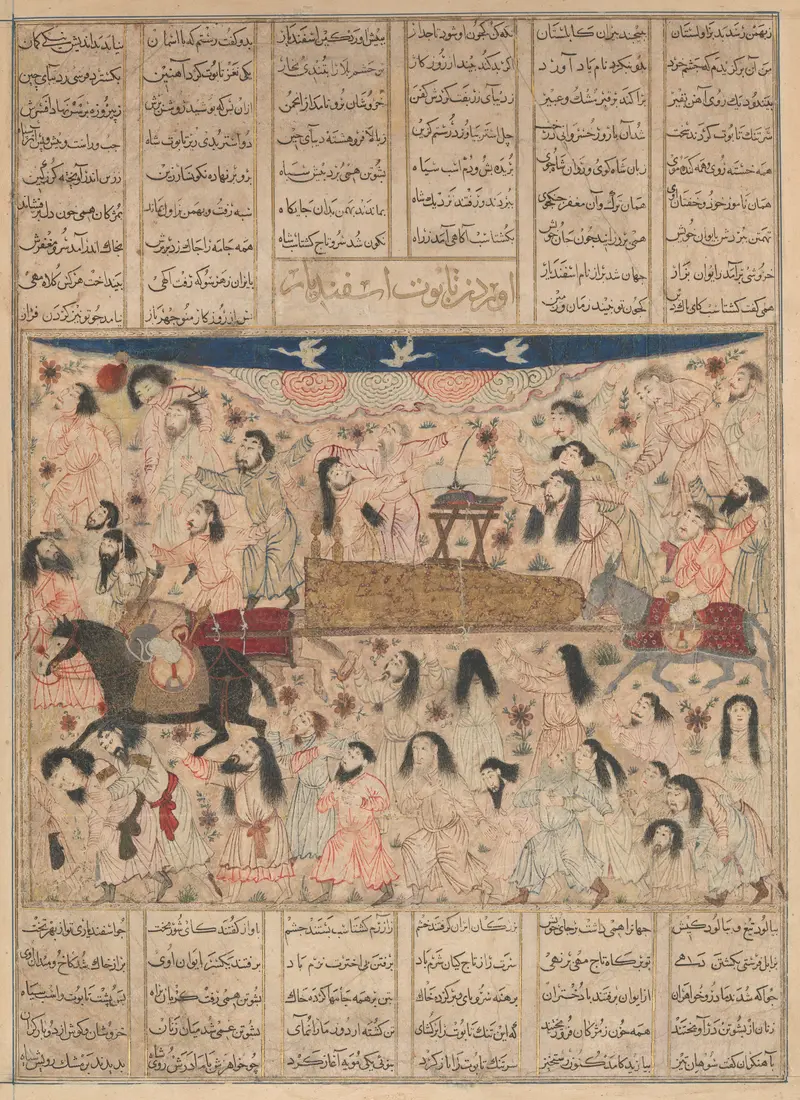
The Funeral of Isfandiyar (Great Mongol Shahnama)
Unknown Artist

The Ideal City
Unknown Artist
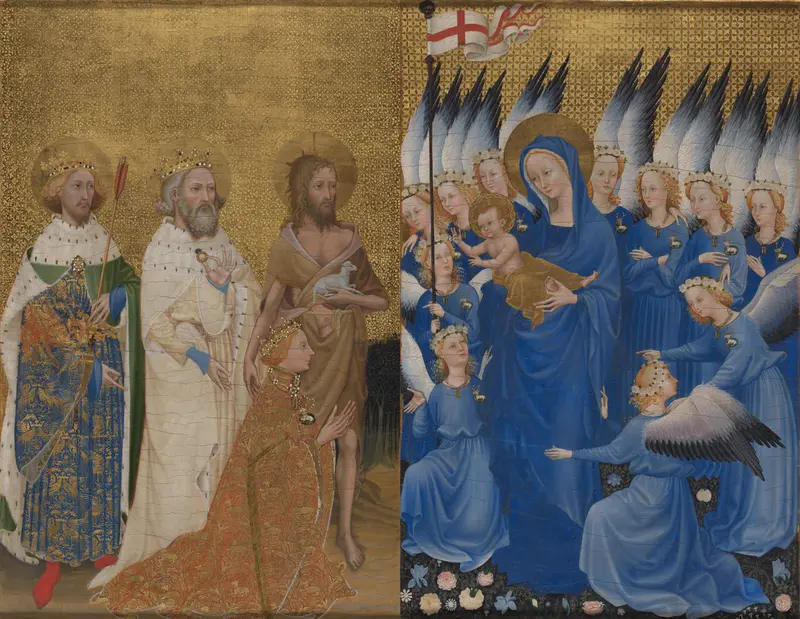
The Wilton Diptych
Unknown Artist

Ridder, Dood en Duivel
Unknown Artist