
Pénitence — History & Facts
What draws the eye first is the tension in the space between the young woman and the priest: her hands nervously clasped, his gesture both steadying and commanding. The doorway frames them tightly, as if the world has momentarily shrunk to this private reckoning. Steinlen’s colored lines give the woman’s blue apron and patterned scarf a humble dignity, while the priest’s somber black robe and hat root him in tradition and authority.
The stone arch and wooden door behind them suggest the threshold of a church, and the faint village scene glimpsed at the right edge reminds us that this is a moment both personal and public. The mood is one of gravity, but also of everyday ritual—penitence as lived, not merely proclaimed. Created in 1899, Pénitence belongs to a world on the cusp of change, when rural customs and religious observance still shaped daily life in France. Works like this, often produced by artists such as Théophile Alexandre Steinlen for publication or exhibition, captured the rhythms and tensions of ordinary existence at the turn of the century.
The late nineteenth century saw artists turning their attention to the realities of working-class and peasant life, sometimes with sympathy, sometimes with irony. This drawing, now held by the National Gallery of Art and made available through their open access initiative, stands as a quiet witness to the rituals that structured village life—and invites us to look closer at the stories etched into every gesture.
More Artworks by Théophile Alexandre Steinlen

Village et charrette
Théophile Alexandre Steinlen
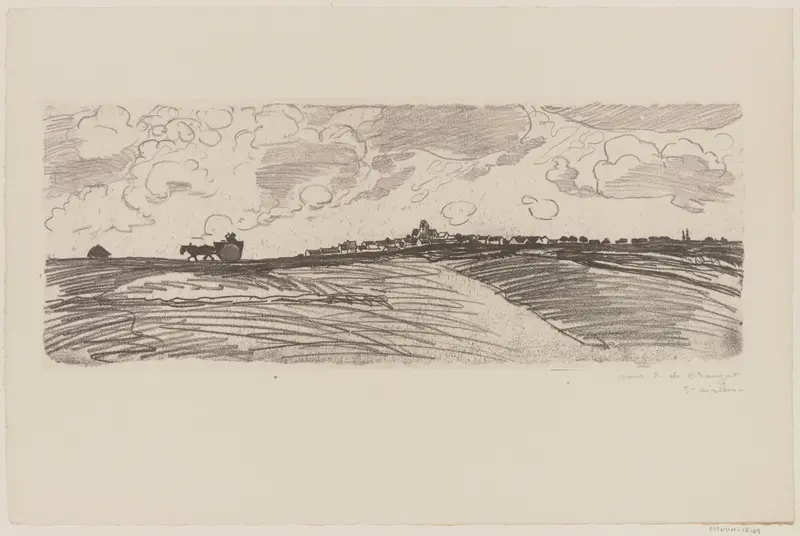
Village et charrette
Théophile Alexandre Steinlen
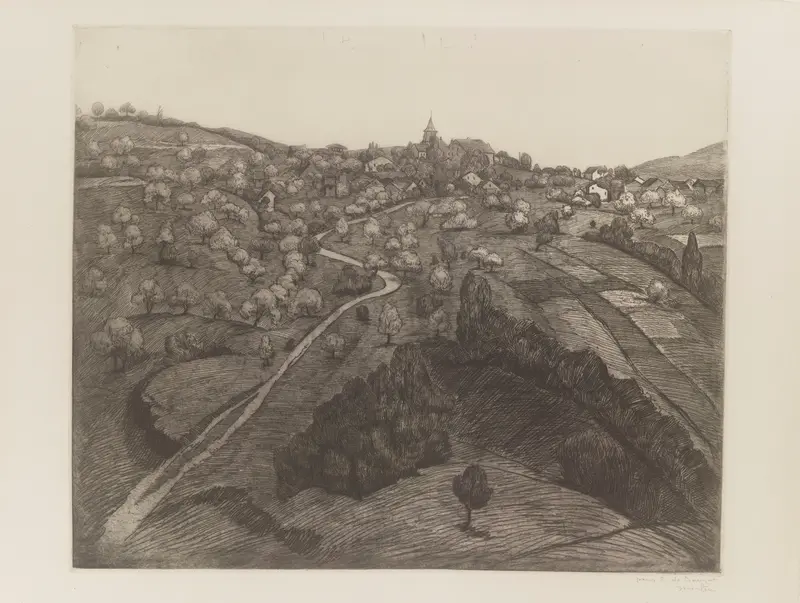
Vue de Belmont, près de Lausanne
Théophile Alexandre Steinlen
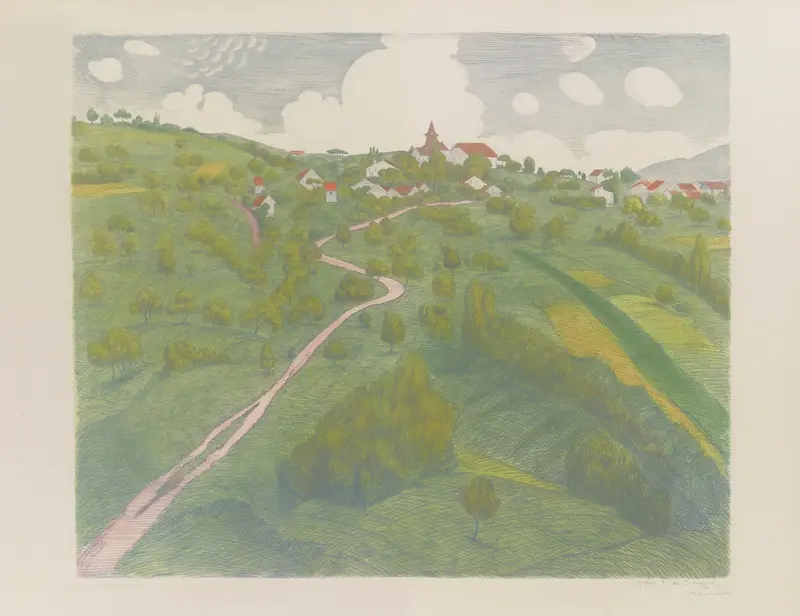
Vue de Belmont, près de Lausanne
Théophile Alexandre Steinlen
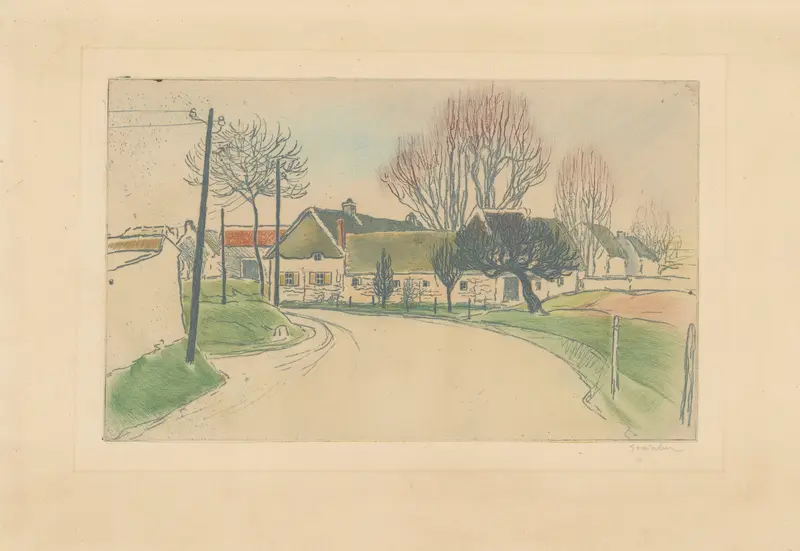
La maison à l’entrée du village
Théophile Alexandre Steinlen
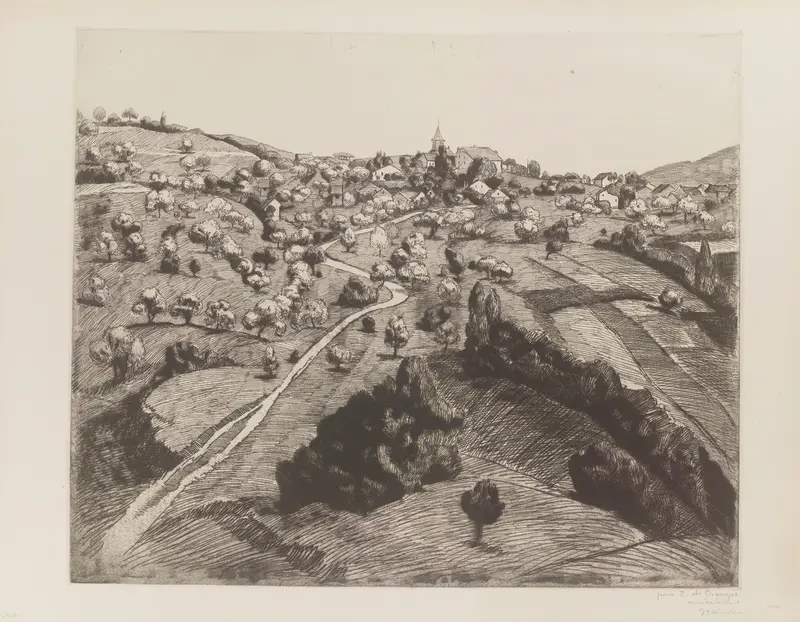
Vue de Belmont, près de Lausanne
Théophile Alexandre Steinlen
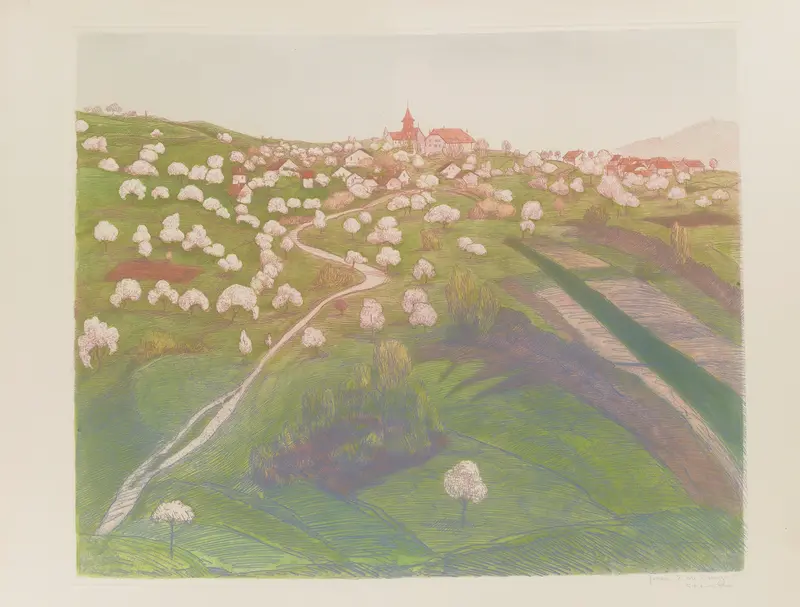
Vue de Belmont, près de Lausanne, n° 2
Théophile Alexandre Steinlen
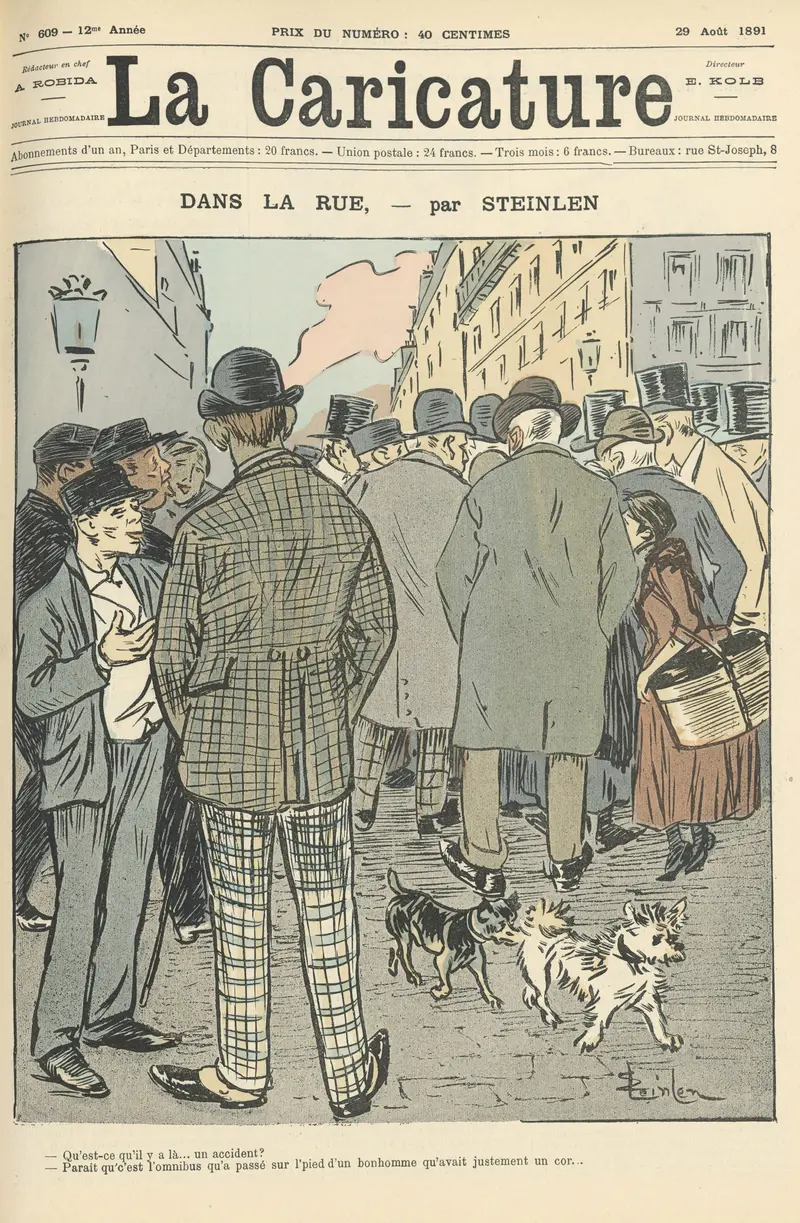
Dans la rue (La Caricature, 29 août 1891)
Théophile Alexandre Steinlen
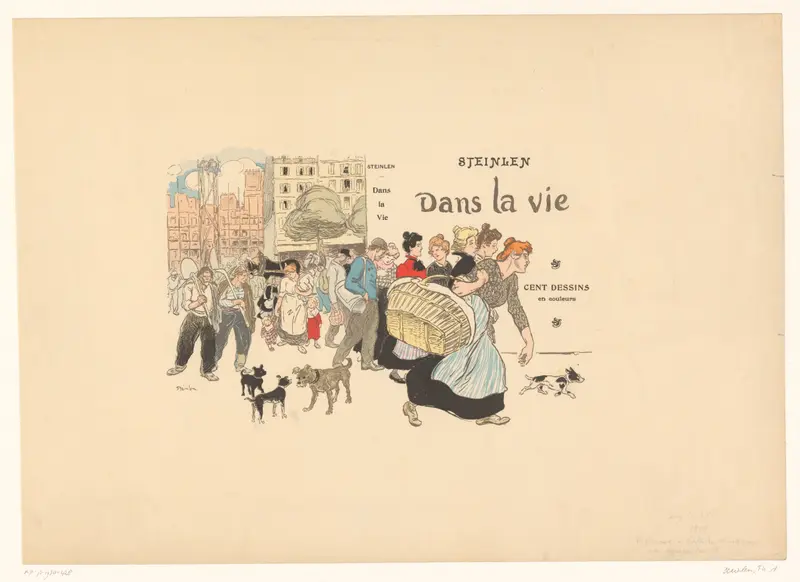
Dans la vie
Théophile Alexandre Steinlen
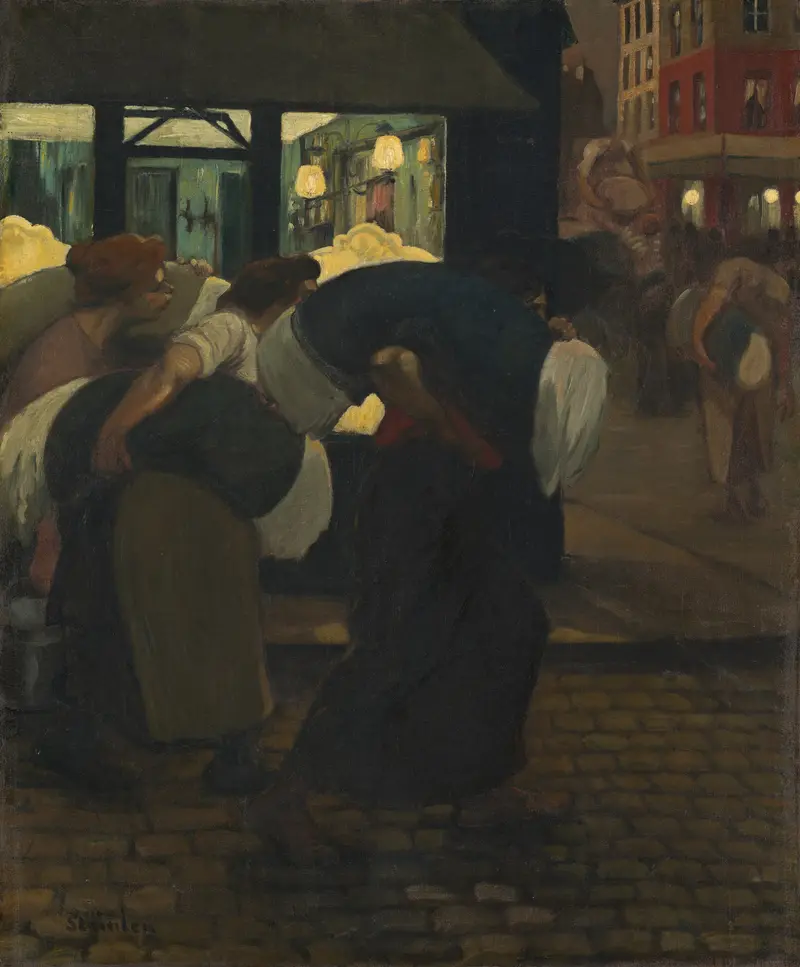
The Laundresses
Théophile Alexandre Steinlen
More Genre Scene Art

Banquet of the Officers of the St George Civic Guard
Frans Hals

Rembrandt and Saskia in the Scene of the Prodigal Son
Rembrandt van Rijn

Bal du moulin de la Galette
Pierre-Auguste Renoir

Quadrille at the Moulin Rouge
Henri de Toulouse-Lautrec

A Burial at Ornans
Gustave Courbet

When Will You Marry?
Paul Gauguin