
Penitent St Jerome — History & Facts
In the early 1420s, the young friar-artist Fra Angelico painted his Penitent St Jerome at a moment when the cult of the saint was enjoying a revival in Florence. The city’s humanists revered Jerome as the great translator of the Bible into Latin, but also as a model of spiritual struggle—his story resonated with a generation seeking both learning and inner reform. While the exact commission of this work is lost to history, its small scale suggests it was intended for private devotion, perhaps for a Dominican patron who, like Fra Angelico himself, saw in Jerome a mirror of their own monastic aspirations. Jerome is caught here in the wilderness, kneeling before a crucifix, his sinewy body hunched in prayer.
The saint’s red cardinal’s robe is cast aside, a sign of his renunciation of worldly honors, while a stone clutched in his hand alludes to the self-mortification he practiced to resist temptation. The lion at his side, tamed by Jerome’s legendary kindness, gazes up at him in silent witness. Unlike the stormy, muscular Jeromes of Caravaggio or Leonardo, Fra Angelico’s vision is intimate and calm, the rocky landscape opening to a gentle, golden light that hints at divine presence.
Every detail—the open book, the skull, the bare earth—speaks of learning, mortality, and the difficult path to grace. The precise provenance of Penitent St Jerome is uncertain, as is its original location, but scholars agree it belongs to Fra Angelico’s early period, when he was still absorbing the lessons of Masaccio and the new naturalism of early Renaissance Florence. Over the centuries, the painting has been admired for its quiet intensity and delicate color, though its medium—whether tempera on panel or another support—remains a subject of debate. Today, it stands as a testament to Fra Angelico’s ability to fuse narrative clarity with spiritual depth, and to the enduring appeal of Jerome’s story for those seeking solace and inspiration in art.
More Artworks by Fra Angelico

Condemnation of St Lawrence by the Emperor Valerian
Fra Angelico
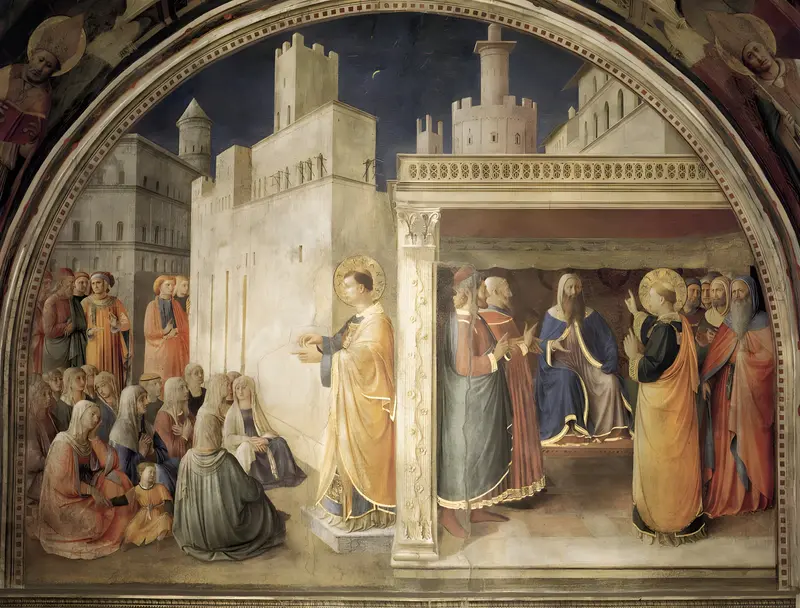
Lunette of the north wall
Fra Angelico
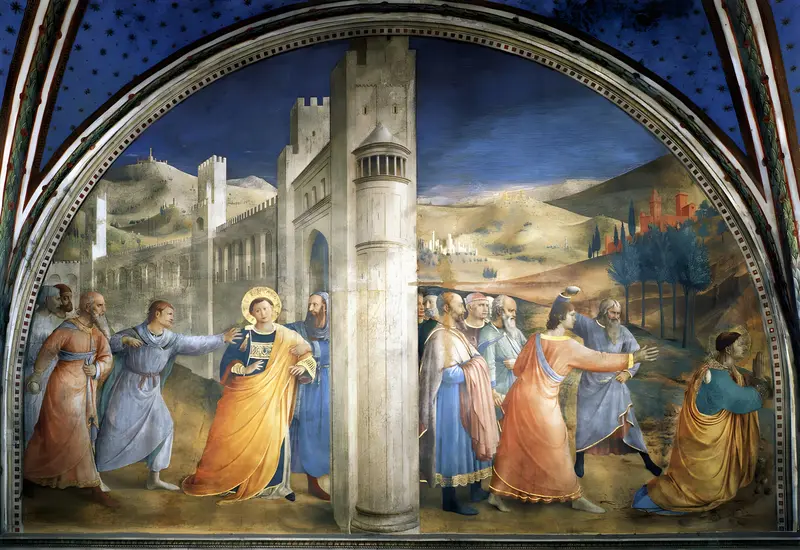
Lunette of the east wall in Niccoline Chapel
Fra Angelico
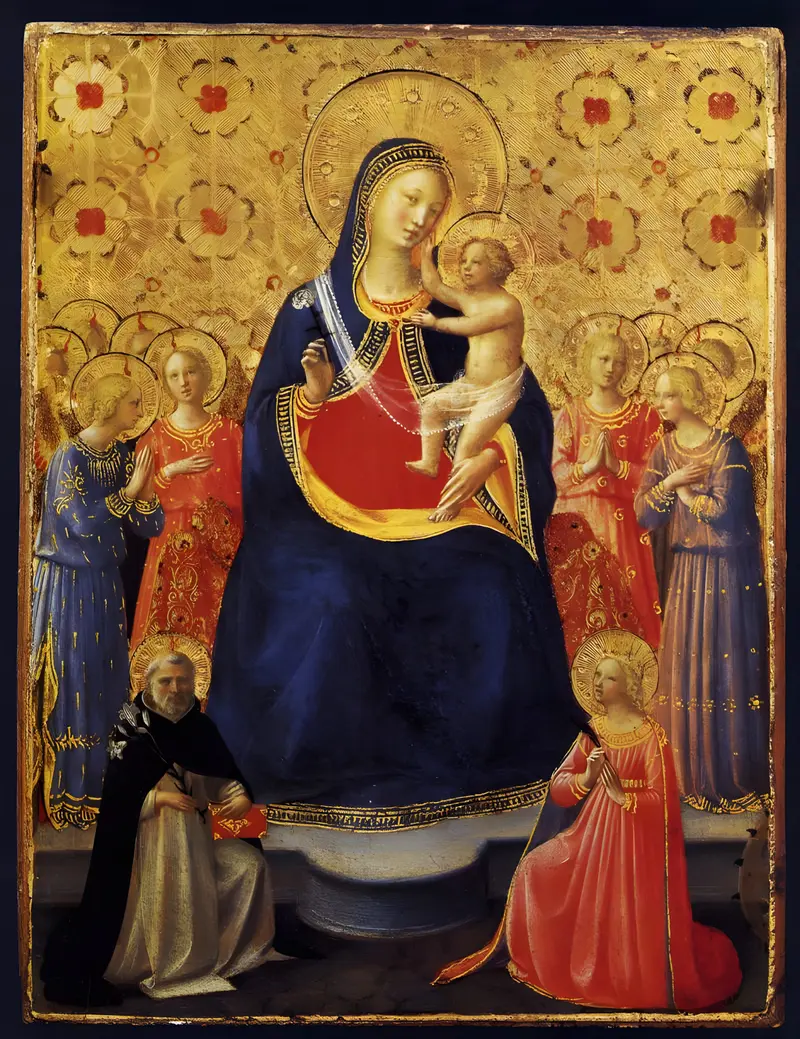
Madonna and Child Enthroned with Nine Angels and Saints Dominic and Catherine of Alexandria
Fra Angelico
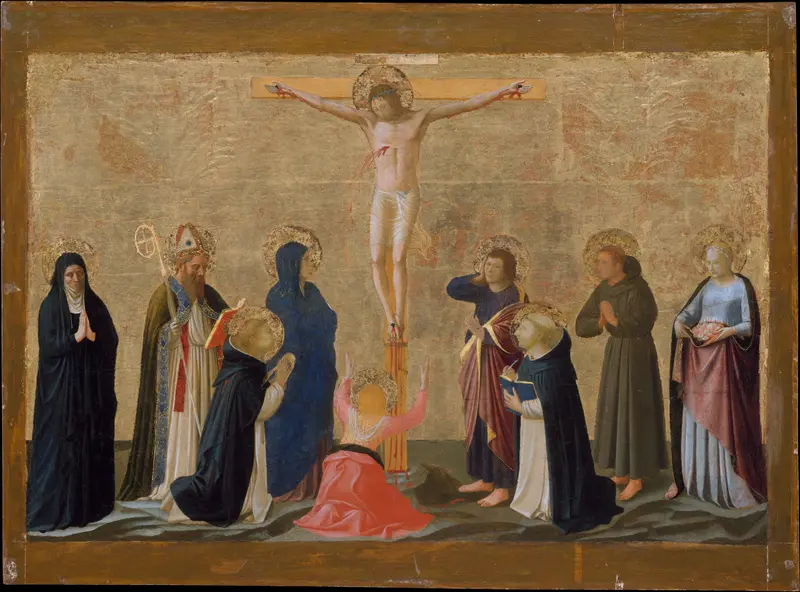
The Crucifixion
Fra Angelico
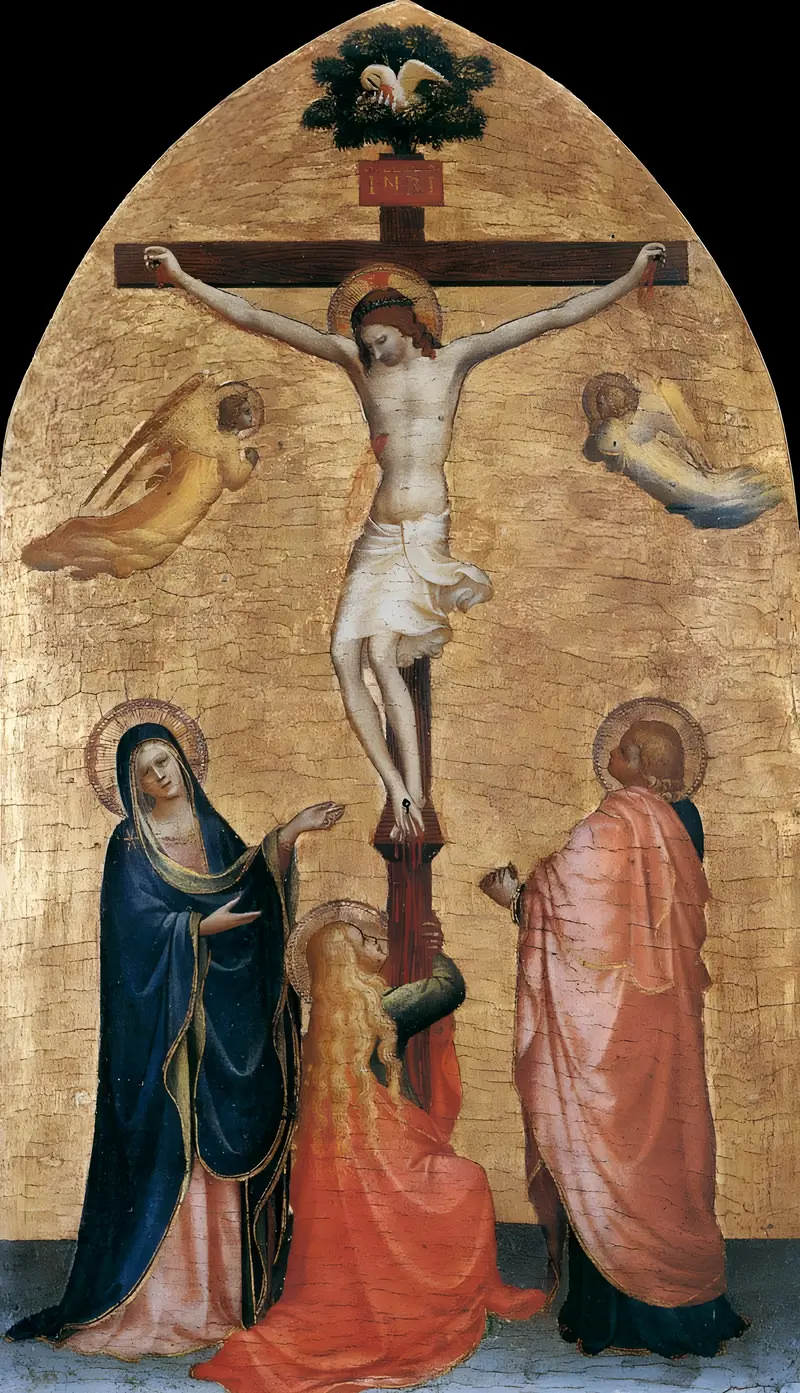
Crucifixion with the Virgin, John the Evangelist, and Mary Magdelene
Fra Angelico
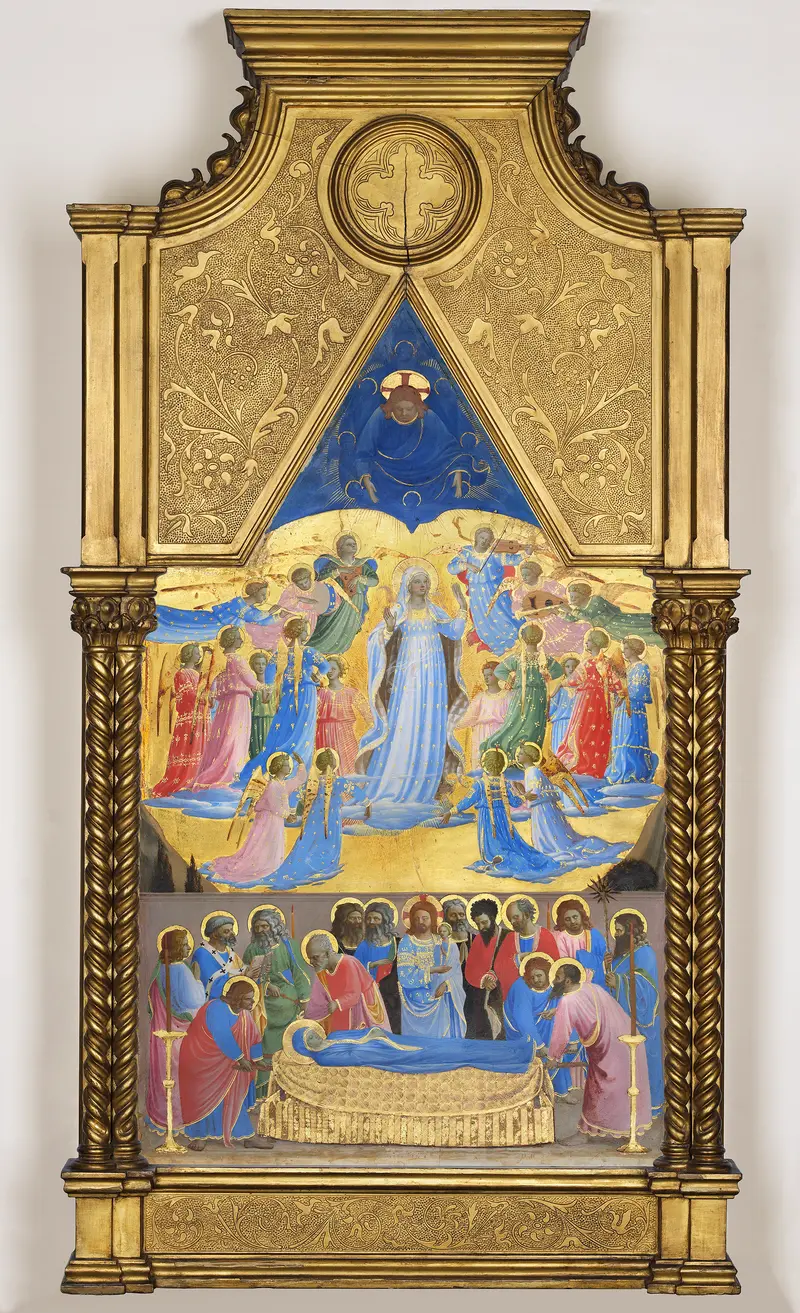
Dormition and Assumption of the Virgin
Fra Angelico
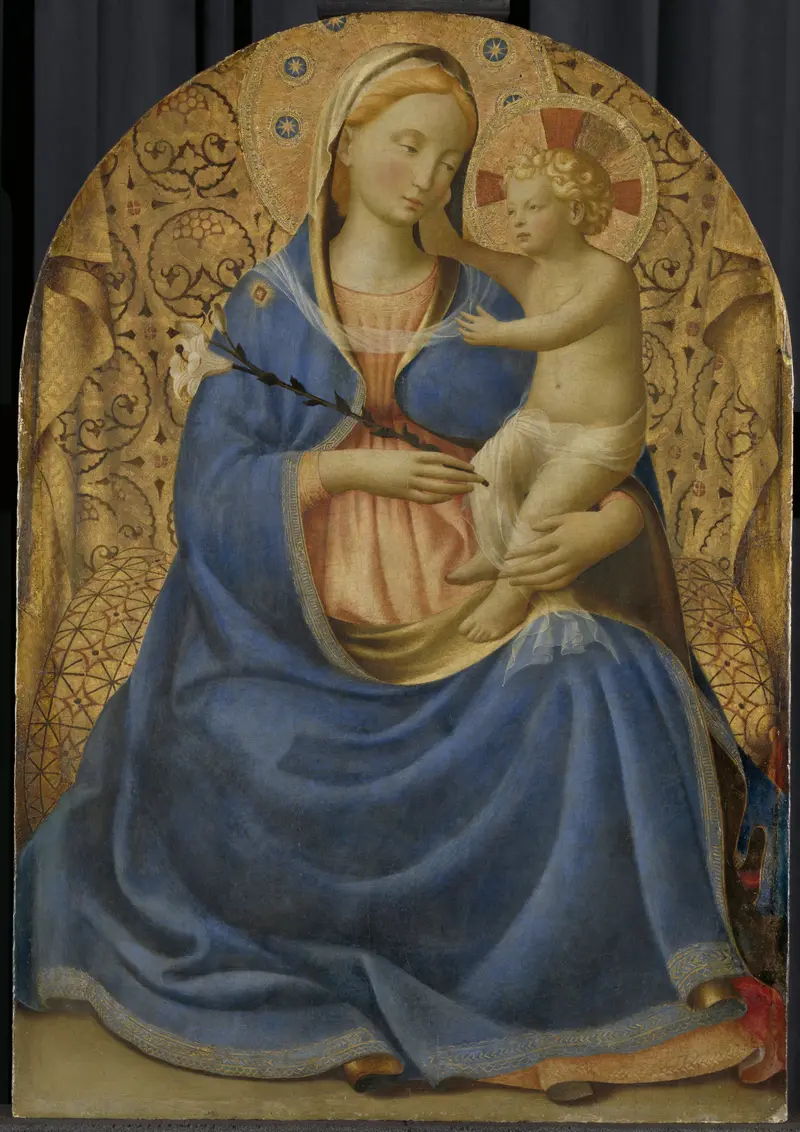
Madonna of Humility
Fra Angelico
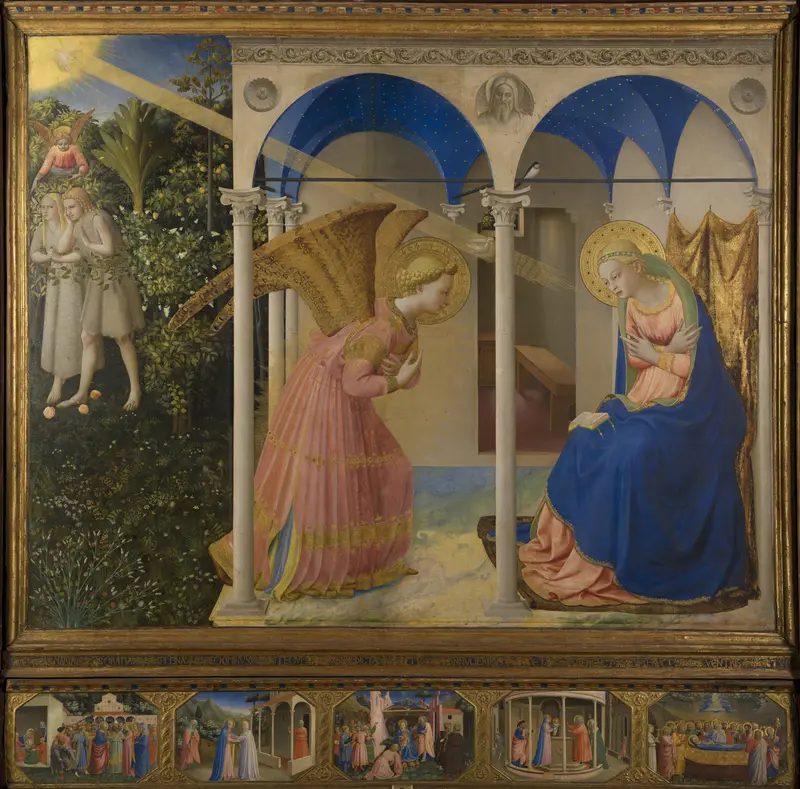
The Annunciation
Fra Angelico

Saint Anthony Abbot
Fra Angelico





