
People We Pass — History & Facts
The first thing that catches the eye in People We Pass by Edward Penfield is the silent choreography of glances and posture—a parade of New York faces, each turned just away from the viewer, each wrapped in their own intent. The bold, flat planes of color and the sharp outlines press these figures forward, making them feel both immediate and untouchable. Penfield’s palette—rust reds, charcoal blacks, and the pale blush of skin—suggests the city’s grit and its energy, while the arrangement of hats and coats becomes a visual shorthand for class and character.
The woman in the red hat, caught mid-gesture, seems to be speaking or perhaps gossiping, her companion’s attention fixed on her words, while others drift by, lost in thought or conversation. This is not a crowd, but a collection of stories, each brushing past the others without ever quite meeting. Created in 1896, this lithograph poster was designed for a world where print was the city’s pulse and the illustrated cover a promise of stories within. Works like this, produced for publishers such as Harper & Brothers, were both advertisement and art, capturing the restless movement of urban life at the dawn of modernity.
Edward Penfield was a leading figure in American poster art, drawing on the bold graphic style of the European Art Nouveau but rooting it in the everyday spectacle of American streets. History has kept few traces of the individual journeys of such posters, but their surviving examples—like this one, preserved in the Library of Congress—remain vivid invitations to imagine the city as a stage, and ourselves as both audience and actors. Look again at the faces: what stories might you overhear, if only you could pause among the crowd?
More Artworks by Edward Penfield

The Girl on the Land Serves the Nation's Need; apply Y.W.C.A. Land Service Committee
Edward Penfield
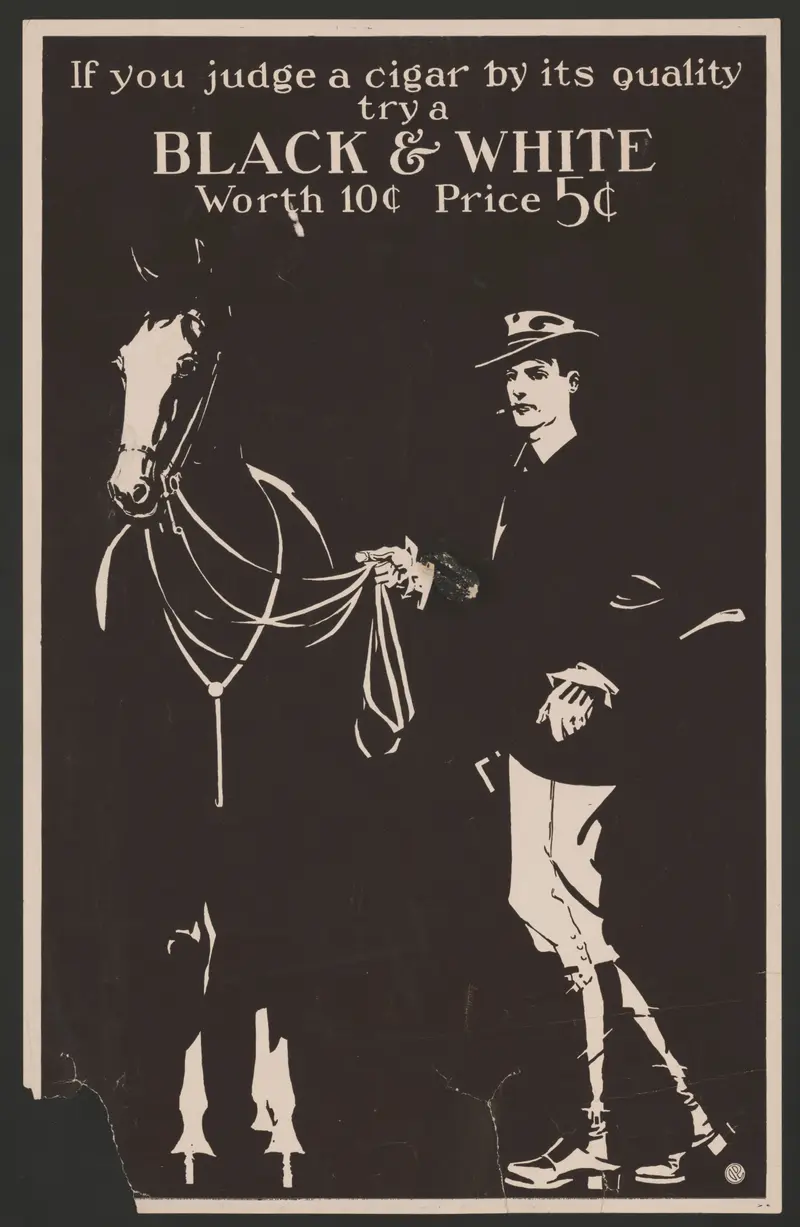
Black & White Cigar
Edward Penfield
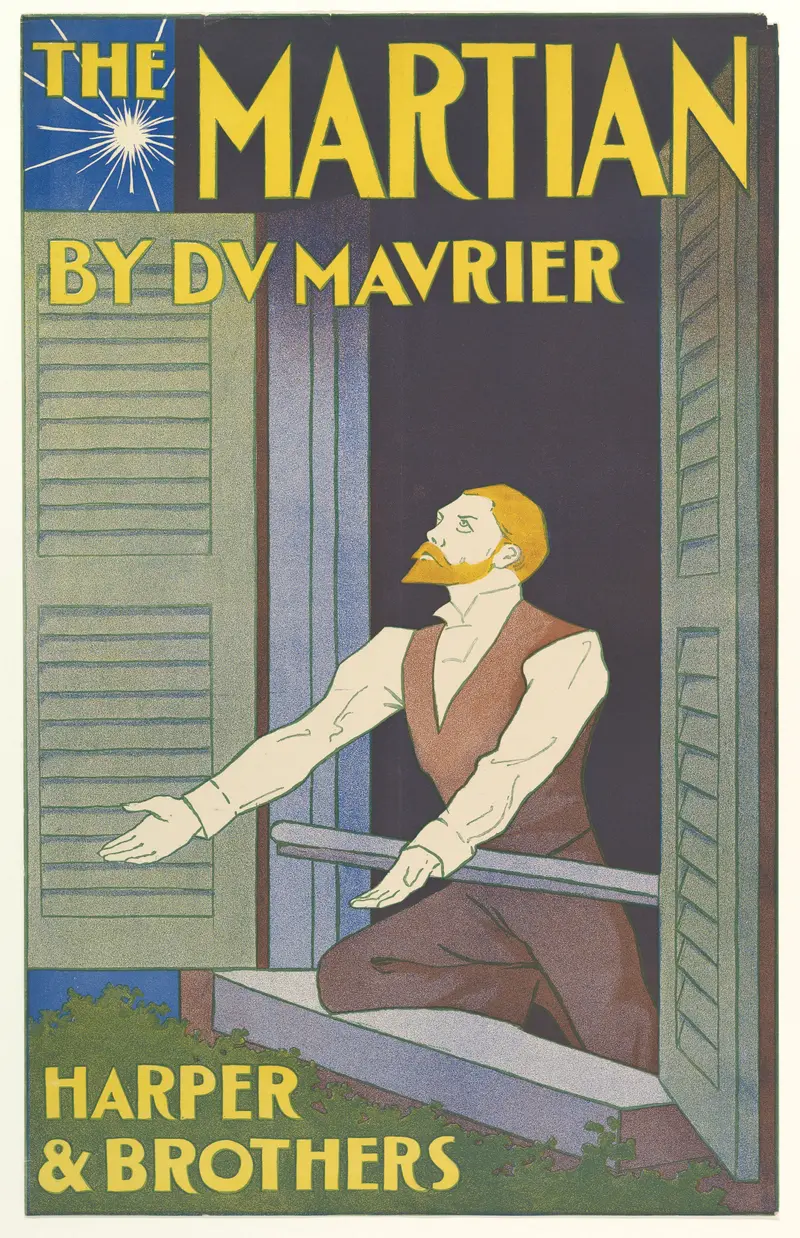
The Martian
Edward Penfield
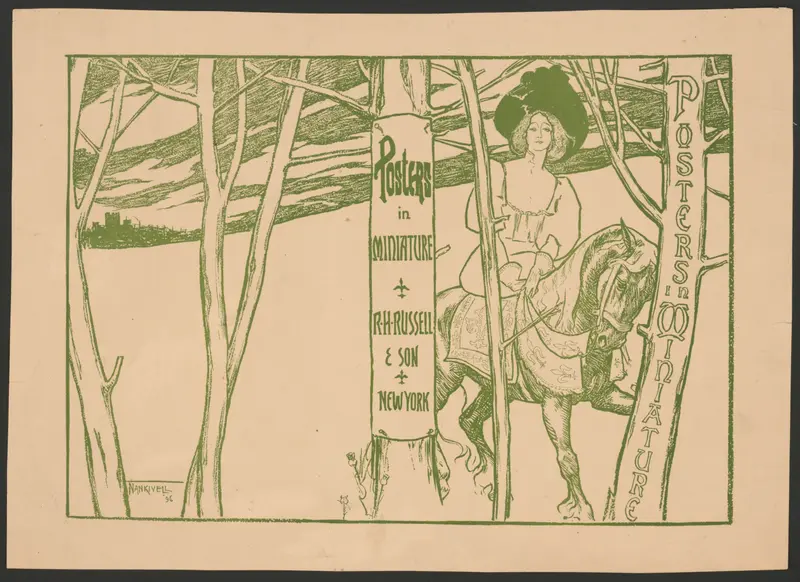
Posters in Miniature
Edward Penfield
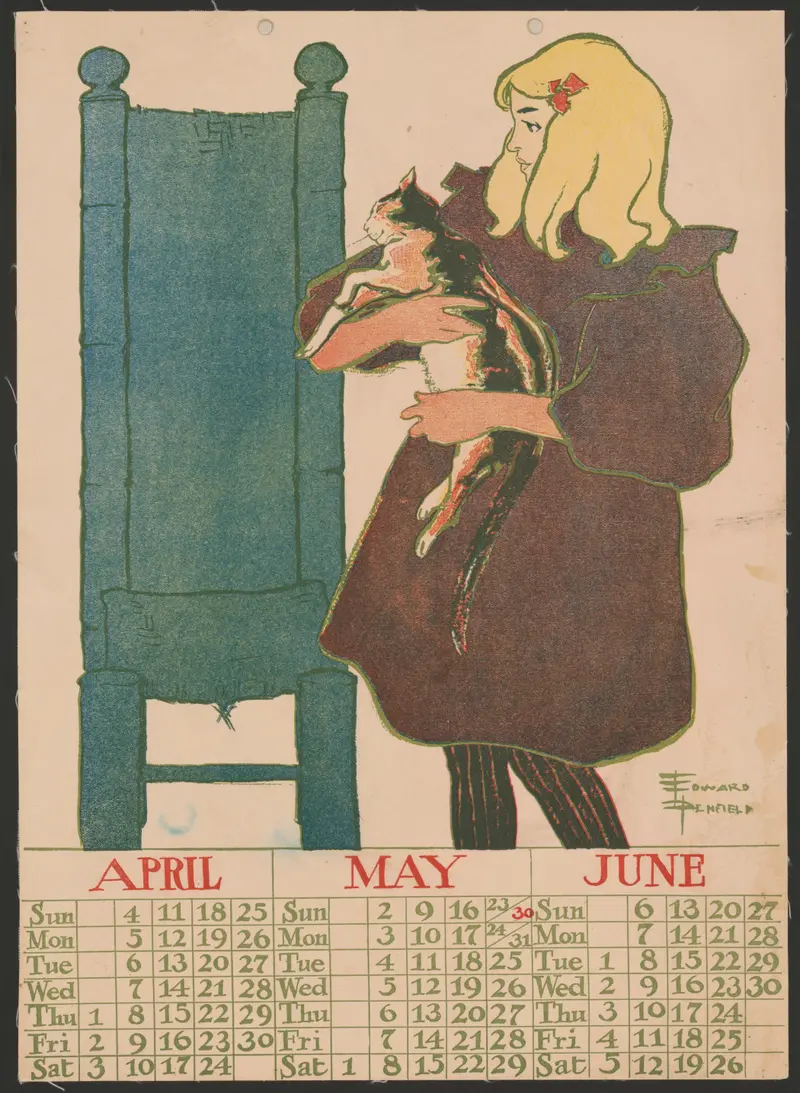
Calendar: April, May, June 1897
Edward Penfield
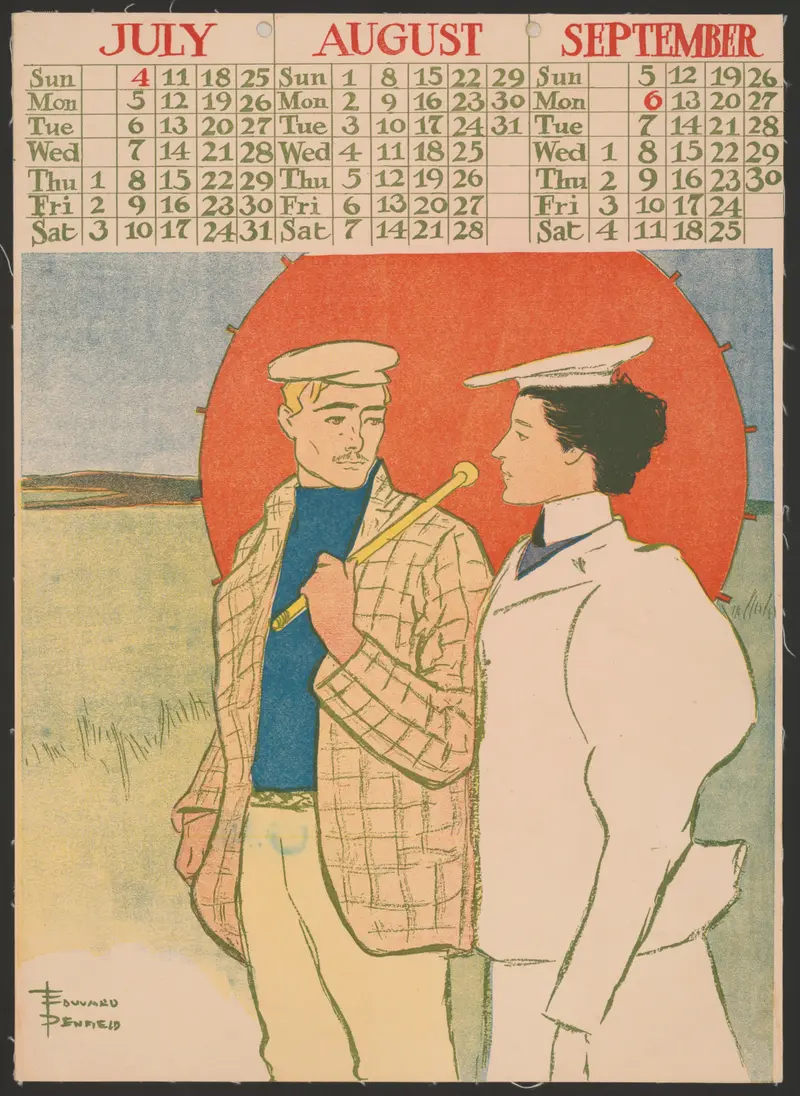
Calendar: July, August, September 1897
Edward Penfield
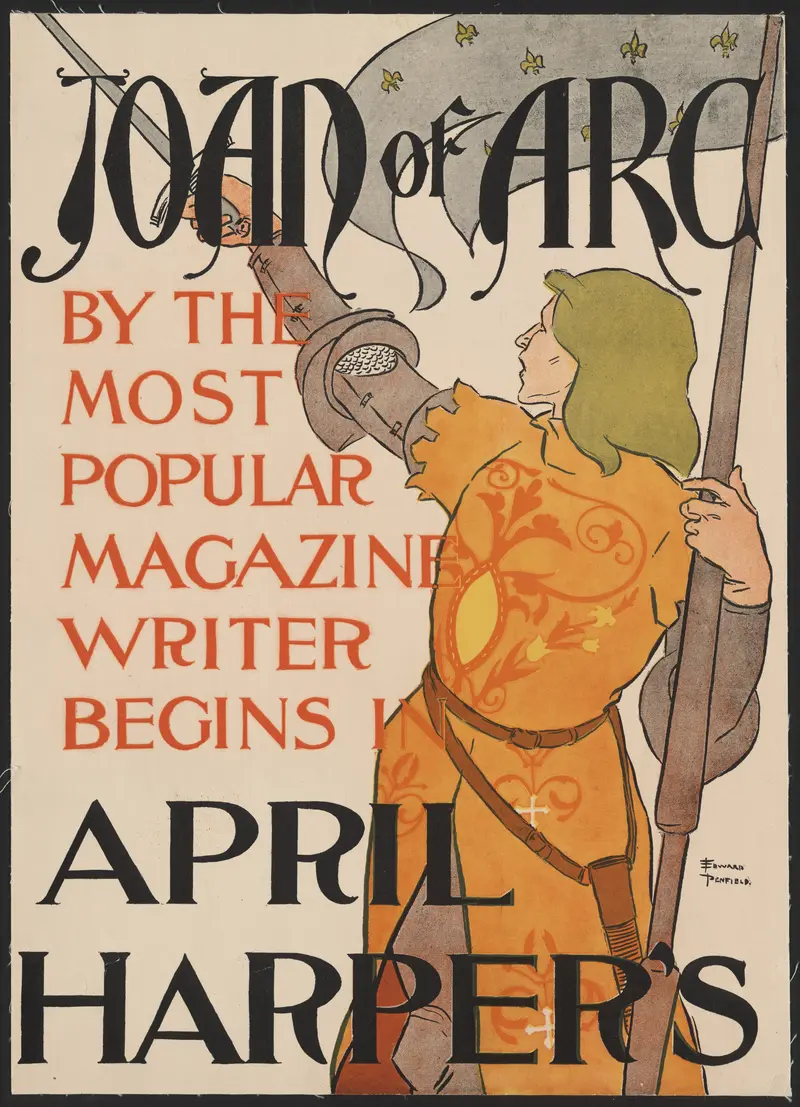
Joan of Arc in Harper's April
Edward Penfield
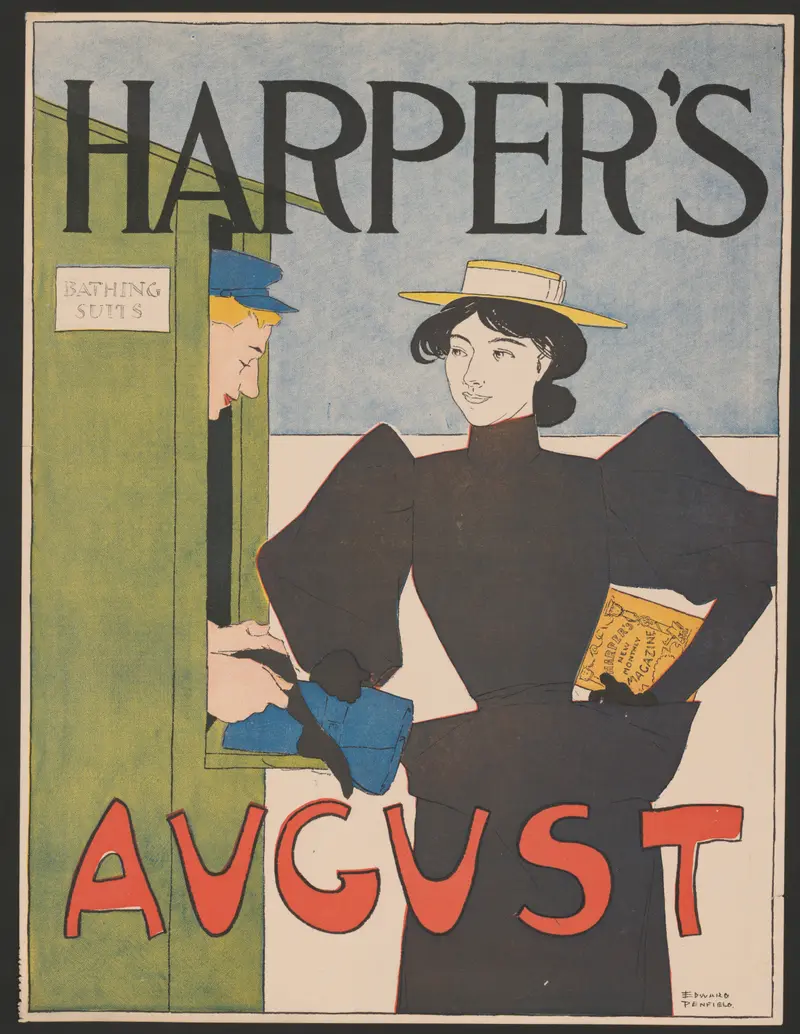
Harper's August 1894
Edward Penfield
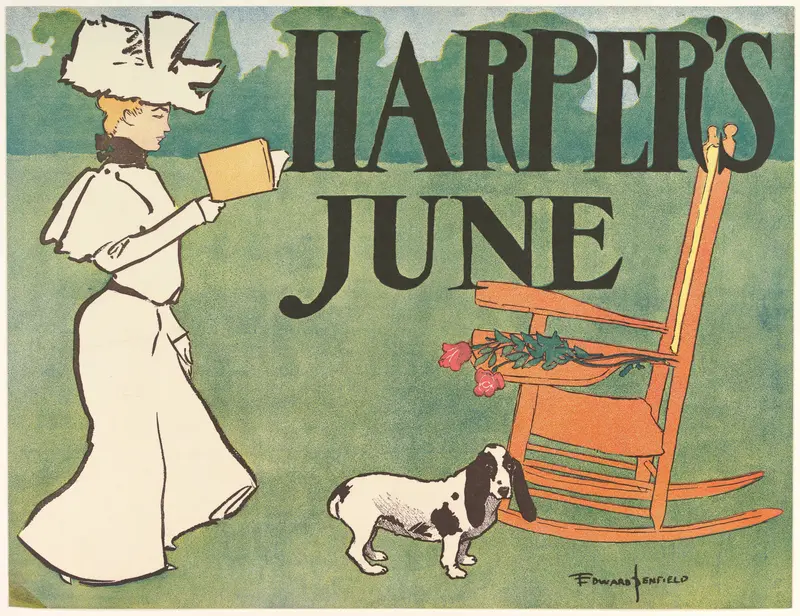
Harper's June 1897
Edward Penfield
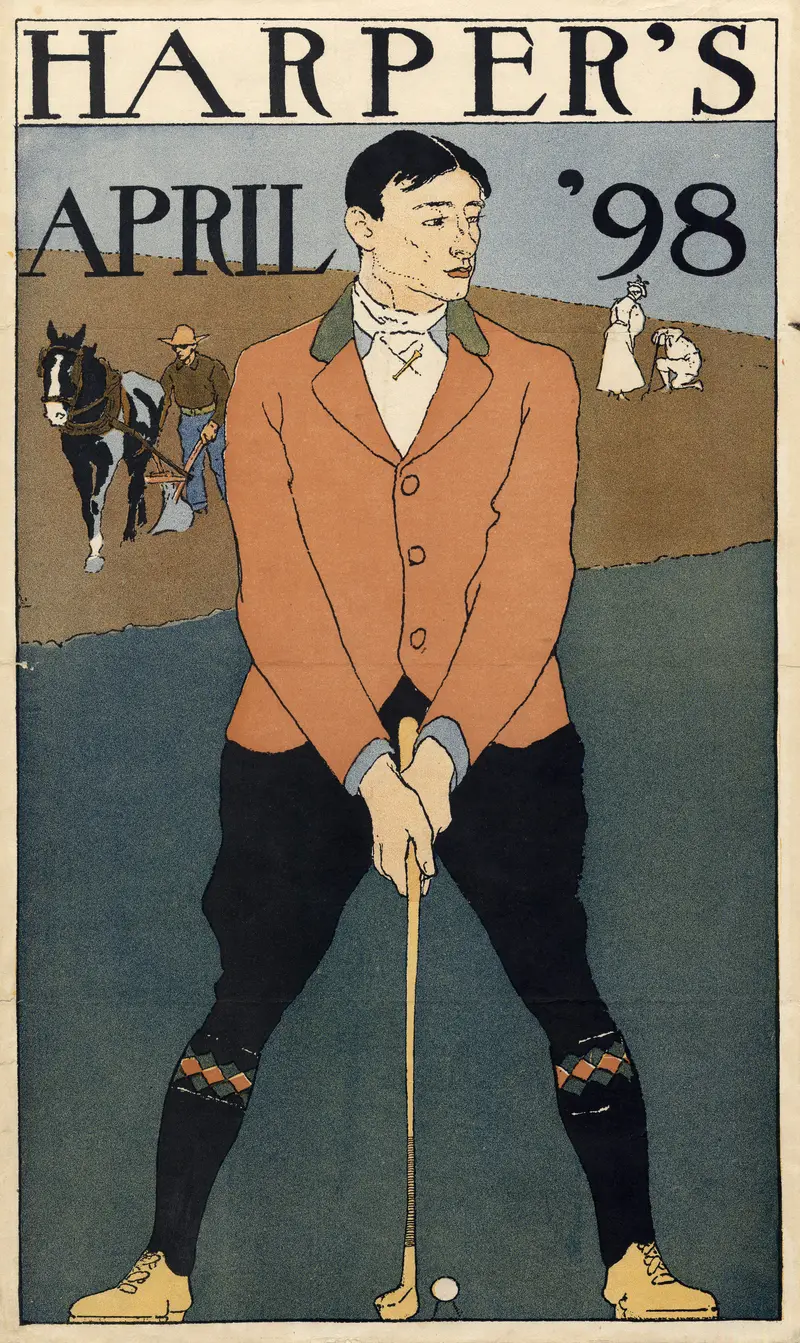
Harper's April 1898
Edward Penfield
More Genre Scene Art

Banquet of the Officers of the St George Civic Guard
Frans Hals

Rembrandt and Saskia in the Scene of the Prodigal Son
Rembrandt van Rijn

Bal du moulin de la Galette
Pierre-Auguste Renoir

Quadrille at the Moulin Rouge
Henri de Toulouse-Lautrec

A Burial at Ornans
Gustave Courbet

When Will You Marry?
Paul Gauguin