
Petit paysage — History & Facts
Could a single brushstroke hold eternity? In Petit paysage, vibrant hues and delicate textures converge to transcend the ordinary, inviting viewers into the timeless embrace of nature. Look to the left at the gentle curve of the river, its surface reflecting a serene sky, while soft greens of the surrounding foliage beckon the eye toward the heart of the composition. Notice how the artist's careful layering creates depth, with dappled light dancing across the landscape, illuminating each stroke that composes this tranquil scene. The harmonious color palette, dominated by earthy greens and soft blue, evokes a sense of peace and balance, grounding the viewer in this idyllic moment. Yet, beneath the surface lies a profound exploration of fleeting existence.
The juxtaposition of lush vegetation against the fleeting glimmers of water reflects the duality of permanence and impermanence—a reminder that beauty is often ephemeral. The distance of the horizon, both inviting and elusive, suggests a realm beyond immediate perception, inspiring contemplation and introspection about the nature of reality and our place within it. In 1908, at a time when the art world was shifting towards modernism, Petit paysage emerged from Harpignies’ rural studio in France, where he found solace in the landscapes that surrounded him. This period marked a heightening appreciation for plein air painting, as artists sought authenticity in their interpretations of nature.
Harpignies, deeply influenced by the Impressionist movement, rendered this tranquil scene as a reflection of his own desire for harmony amidst a rapidly changing world.
More Artworks by Henri-Joseph Harpignies
Browse all →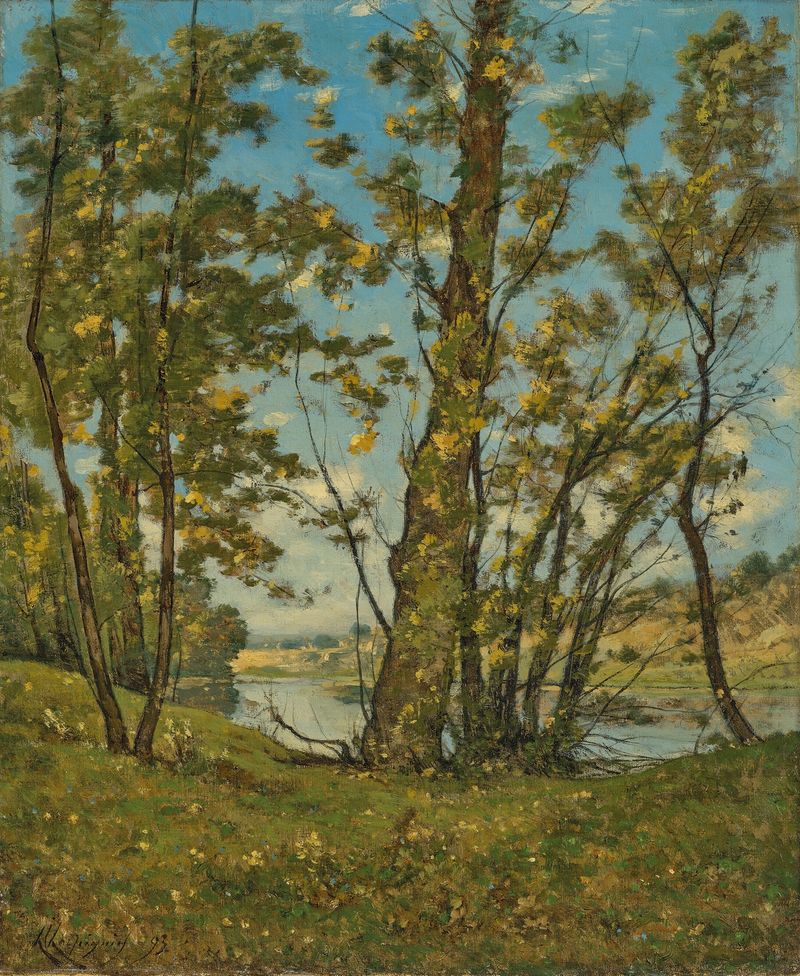
La Loire à Bonny
Henri-Joseph Harpignies
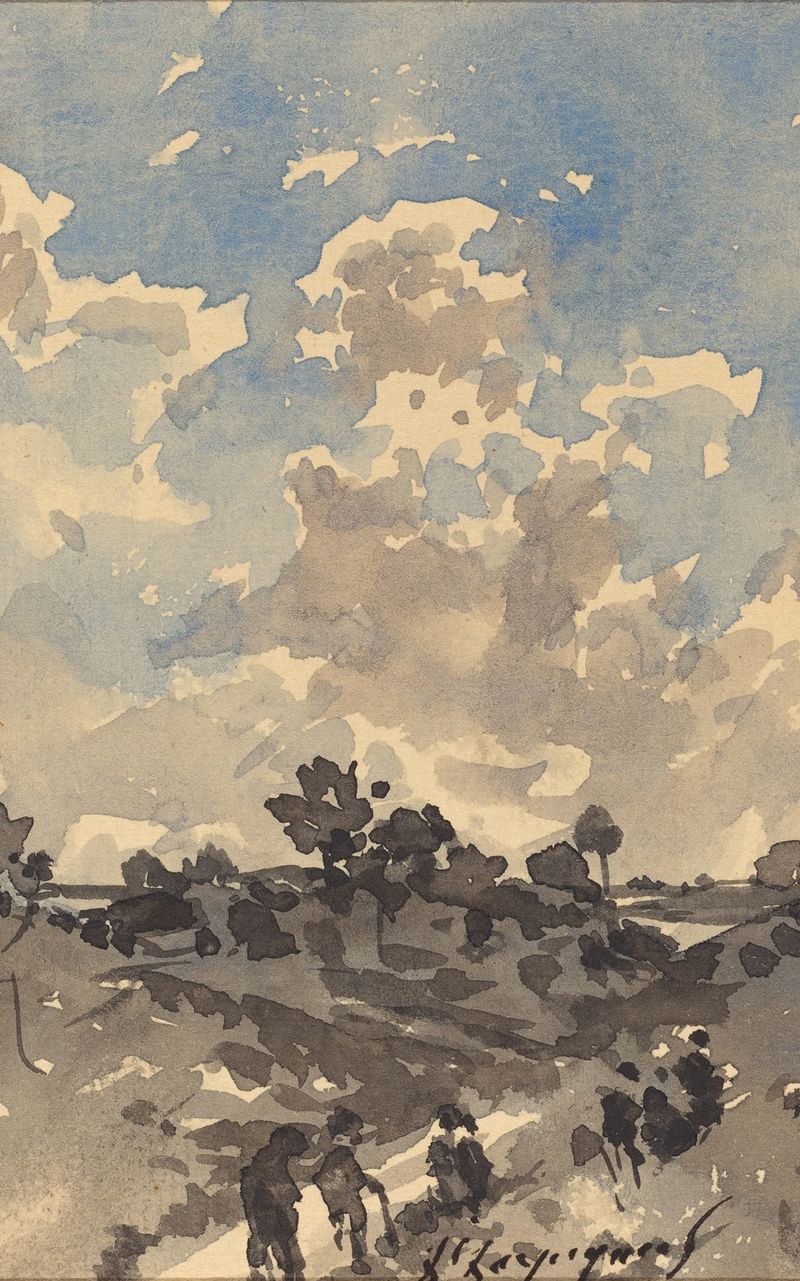
A Landscape with Figures Walking along a Path
Henri-Joseph Harpignies
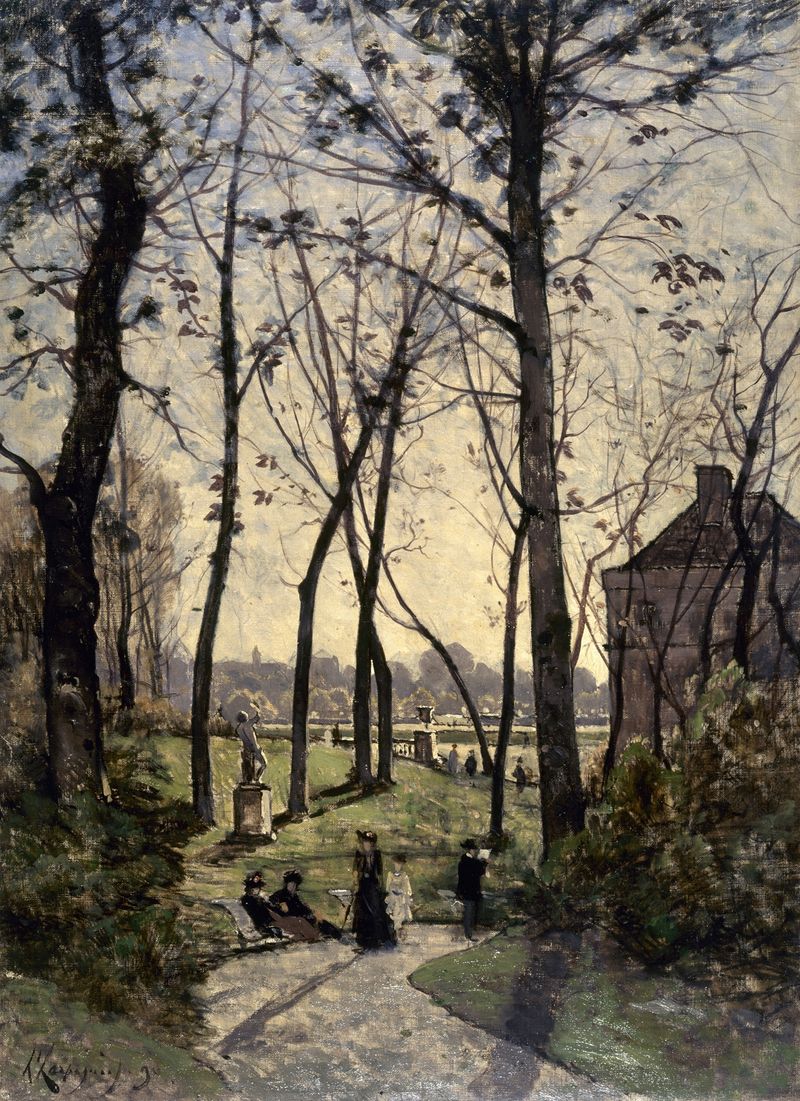
Le jardin du Luxembourg
Henri-Joseph Harpignies
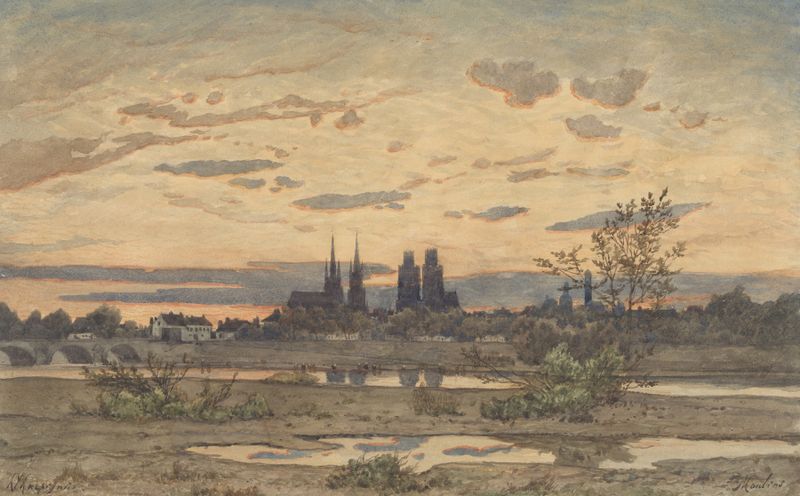
A View of Moulins
Henri-Joseph Harpignies
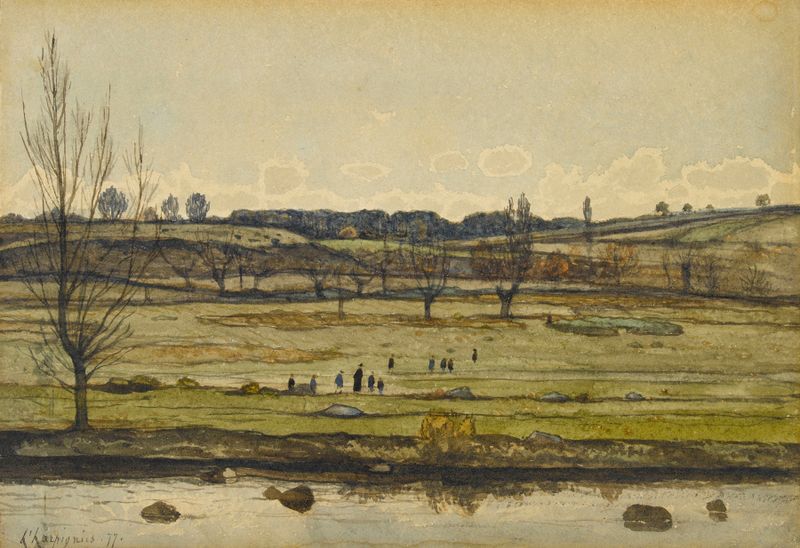
Paysage
Henri-Joseph Harpignies
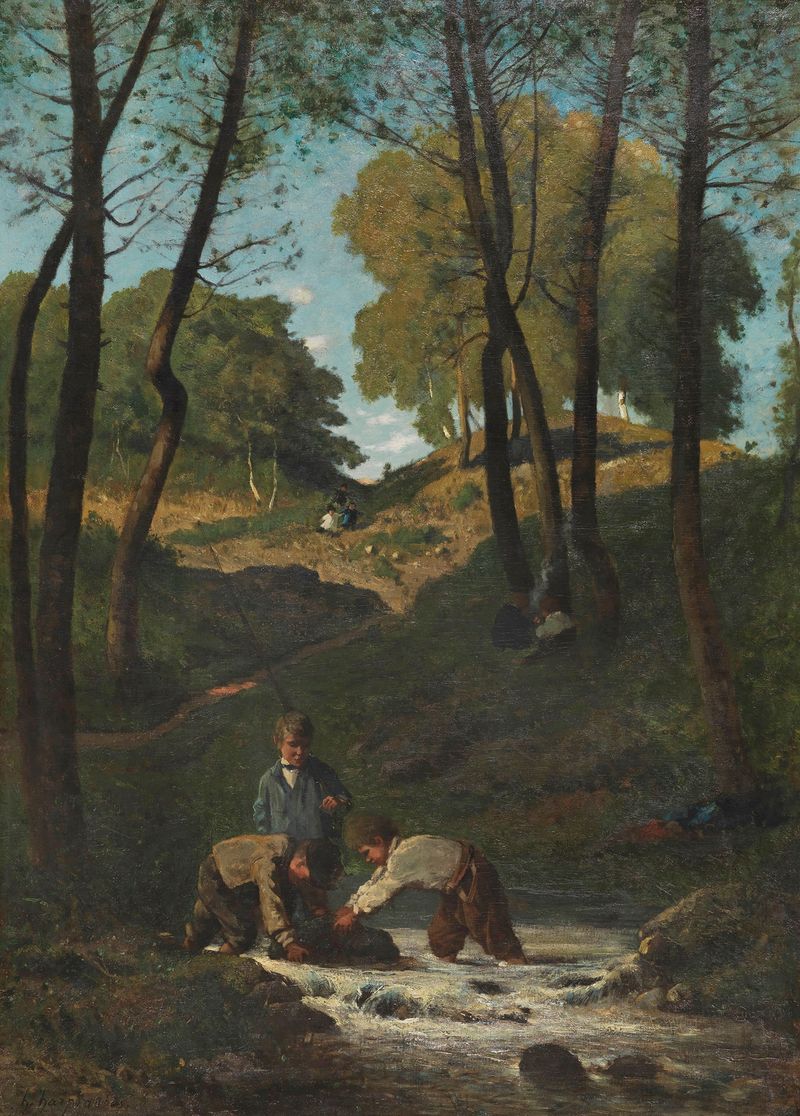
Chercheurs d’écrevisses
Henri-Joseph Harpignies
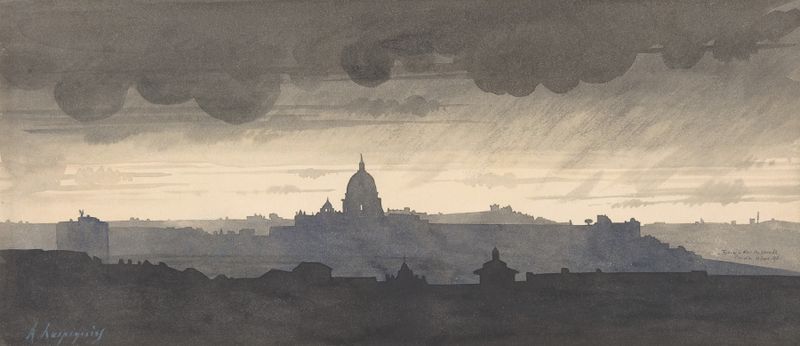
Saint Peter’s Seen From the Pincio, Rome
Henri-Joseph Harpignies
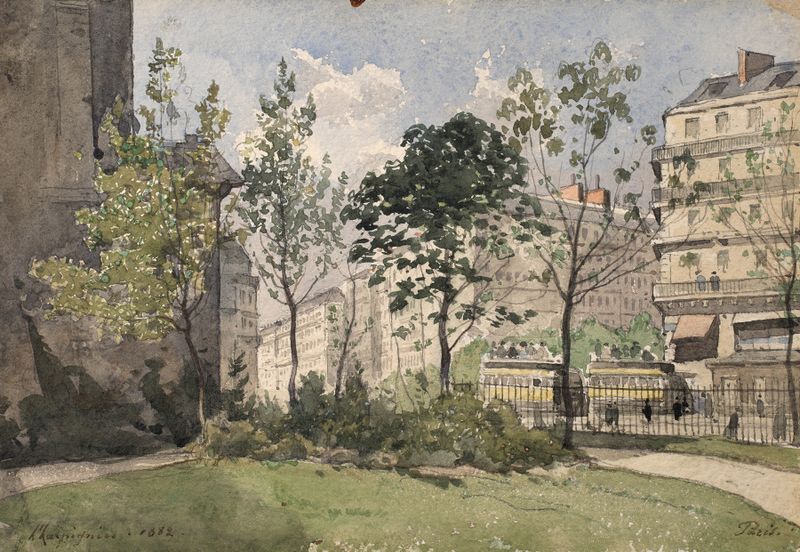
View of the forecourt of the Saint-Germain-des-Prés church
Henri-Joseph Harpignies
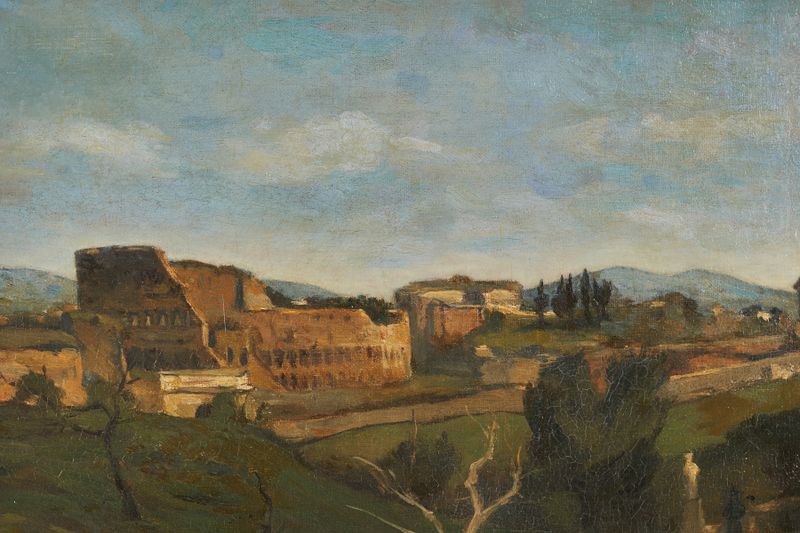
Le Colisée à Rome
Henri-Joseph Harpignies

Villefranche
Henri-Joseph Harpignies





