
Philippe de Montmorency — History & Facts
What first catches the eye is the glint of black-and-gold armor, each polished plate reflecting a world of candlelight and ceremony. This is not armor for the battlefield, but for the gaze of a court—a second skin of authority and prestige. The sitter stands turned to the right, his left hand resting with quiet assurance on the hilt of his sword, his right arm relaxed beside a helmet crowned with extravagant white plumes.
Around his neck, a heavy gold chain bears the emblem of the Order of the Golden Fleece, a mark of the highest chivalric honor in the Habsburg world. The ruff at his collar frames a face both guarded and direct, the eyes meeting ours with a mixture of calculation and fatigue. Painted in 1562 by Antonis Mor, this portrait belongs to a world where power was performed as much in paint as in parliament. The subject, identified as Philippe de Montmorency, Count of Hoorne, Admiral of the Netherlands and member of the Council of State, is rendered with the cool precision that made Mor a favorite among the courts of Spain and the Low Countries.
Portraits like this were not mere likenesses—they were declarations, tokens of loyalty, and sometimes warnings. The Golden Fleece chain signals not just personal achievement, but a binding to the intricate web of Habsburg politics. In the mid-sixteenth century, as religious and political tensions simmered across the Netherlands, such images were both shield and statement.
The painting’s careful detailing and muted palette invite the viewer to look again, searching the armor’s reflections for hints of the world just outside the frame.
More Artworks by Antonis Mor

Portrait of a Man
Antonis Mor
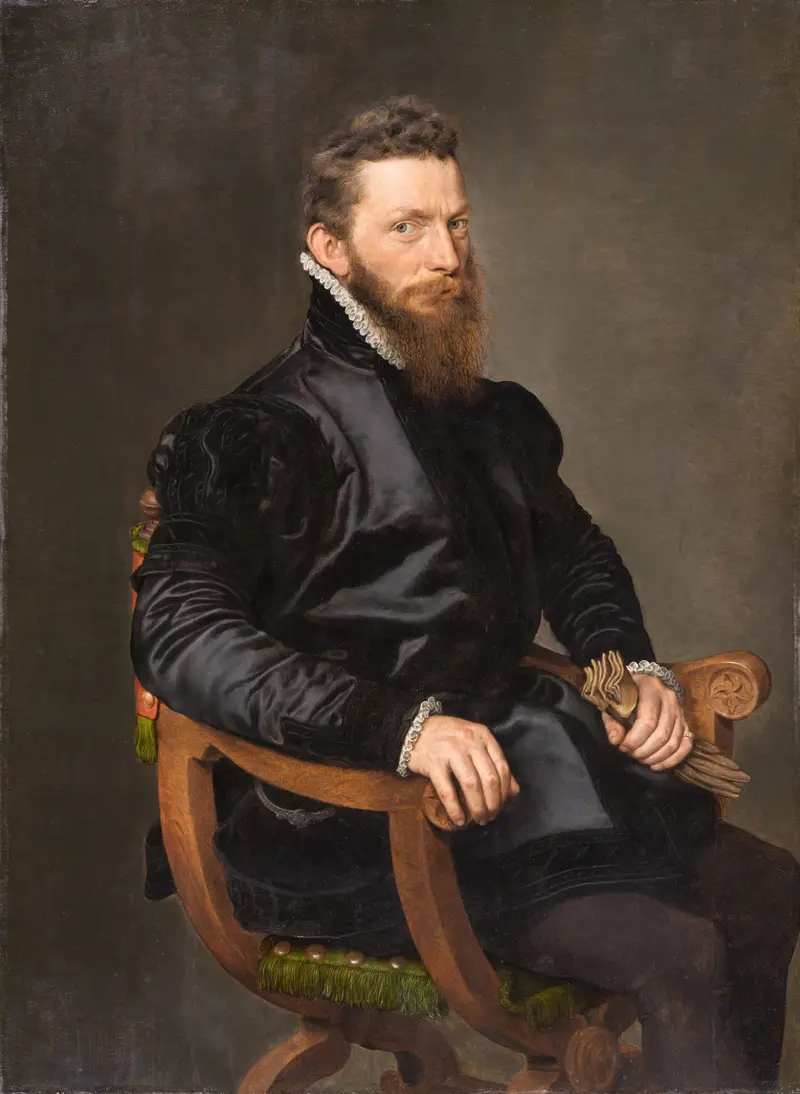
Portrait of a Gentleman
Antonis Mor
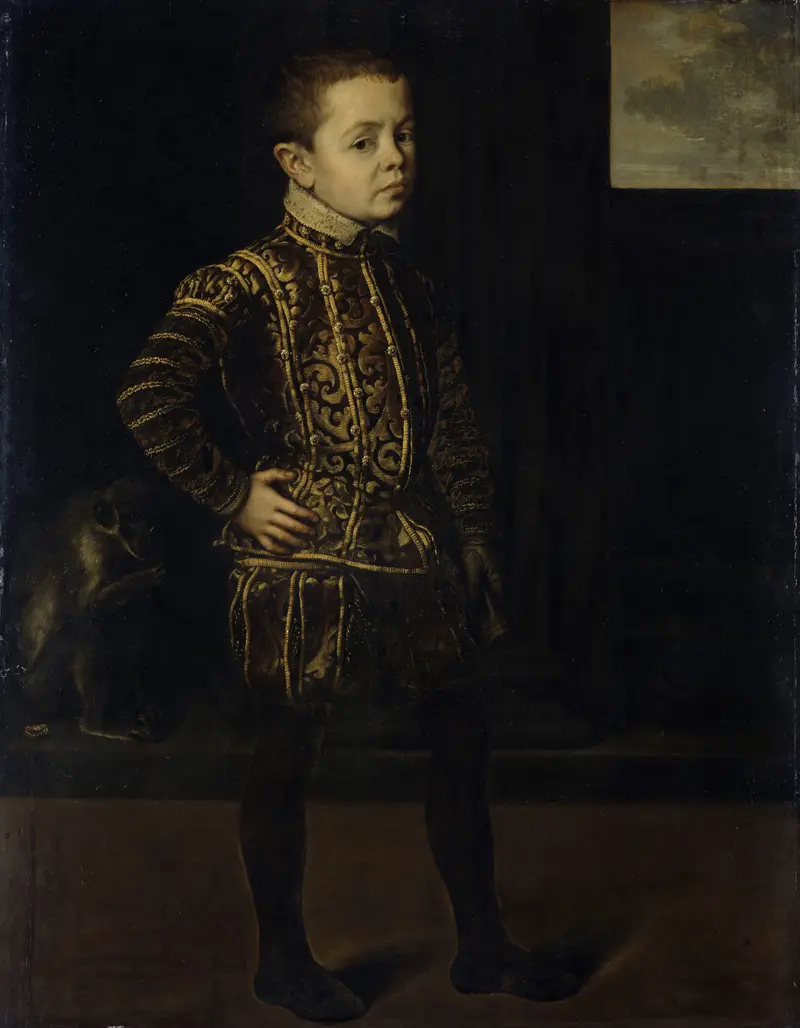
Portrait of a young prince
Antonis Mor
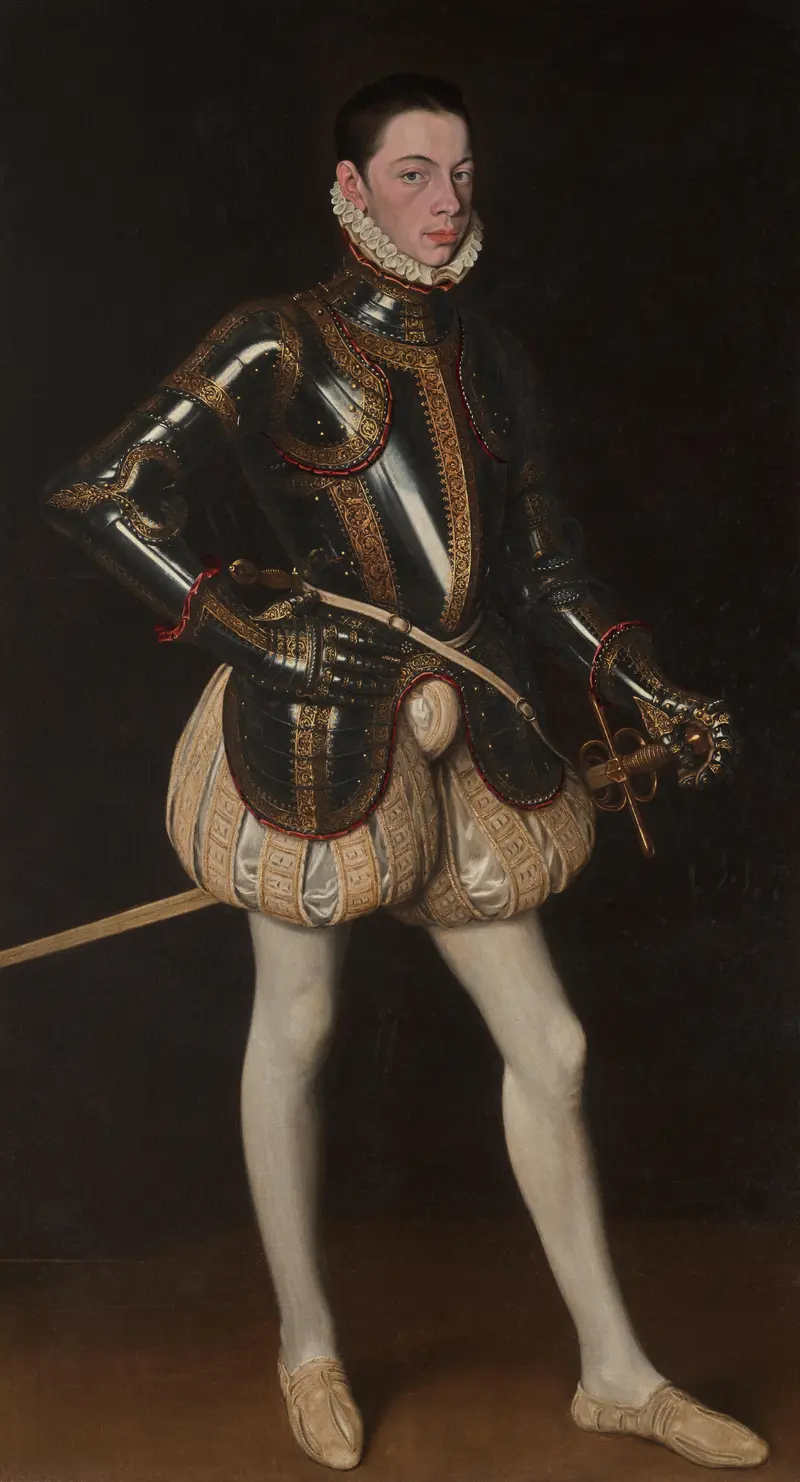
Alessandro Farnese in Armor
Antonis Mor
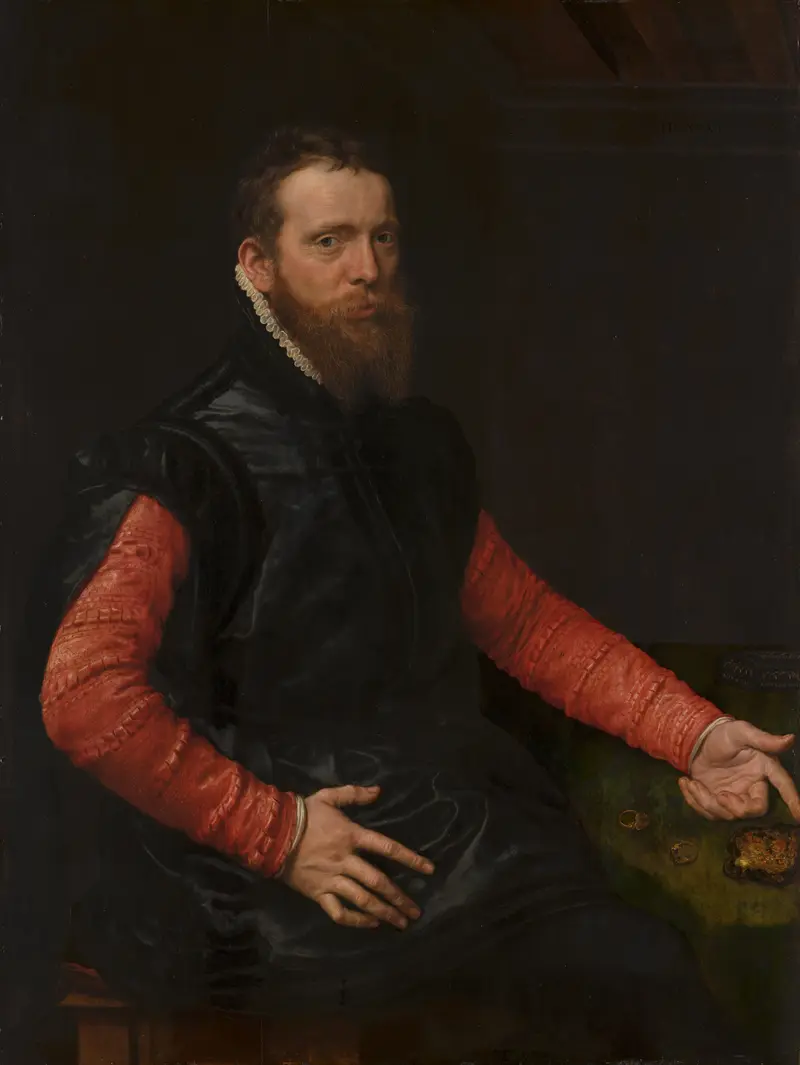
Steven van Herwijck
Antonis Mor
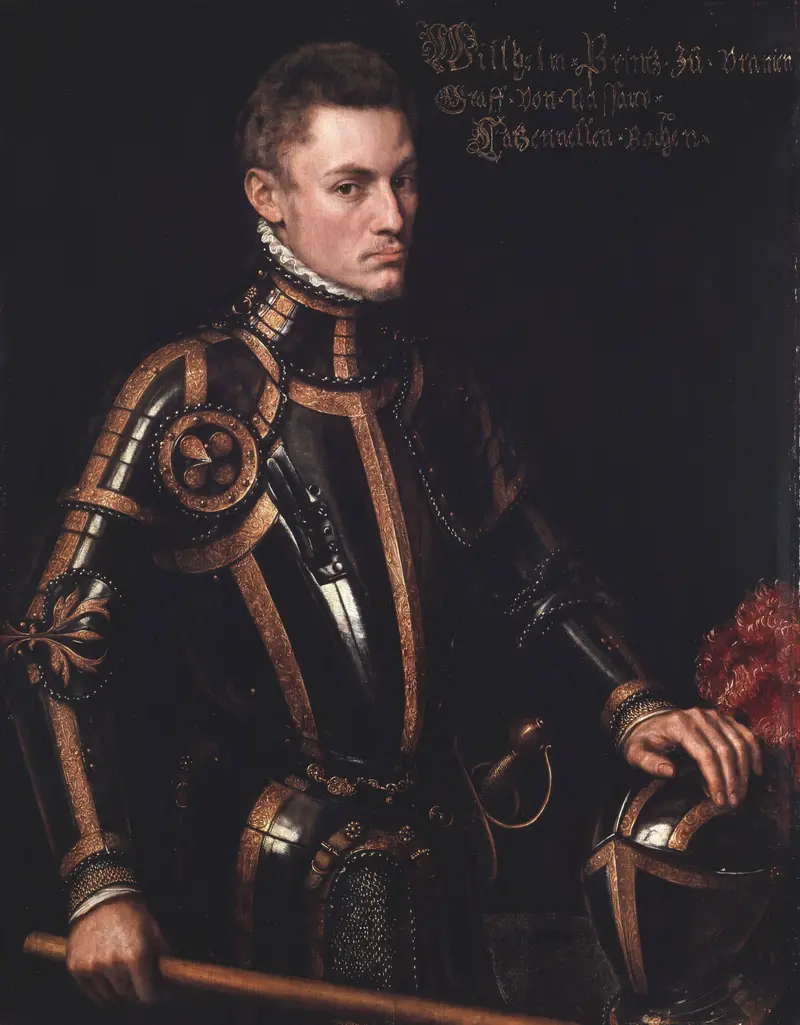
Portrait of William I of Nassau
Antonis Mor
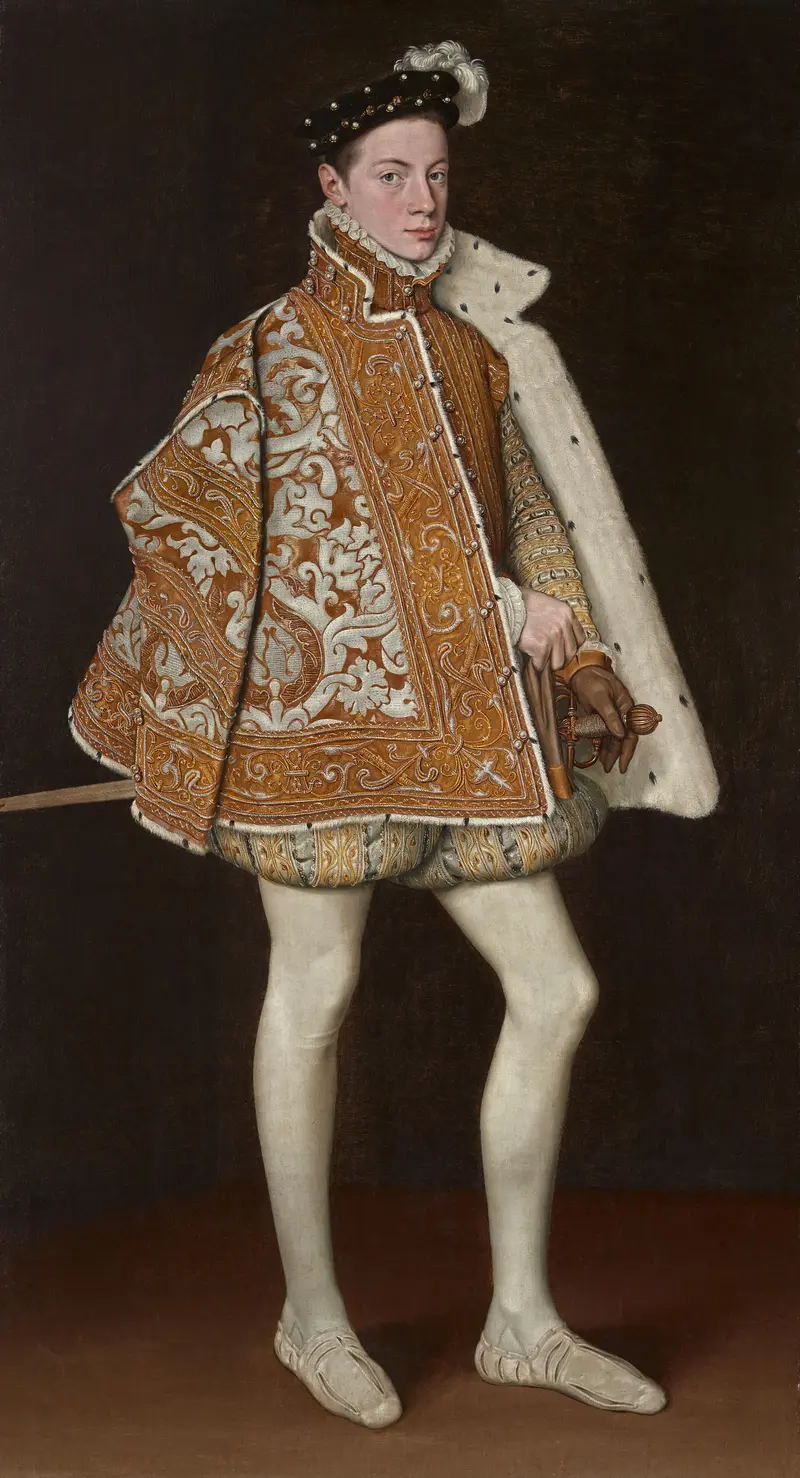
Portrait of Alessandro Farnese in Cape and Black Cap
Antonis Mor
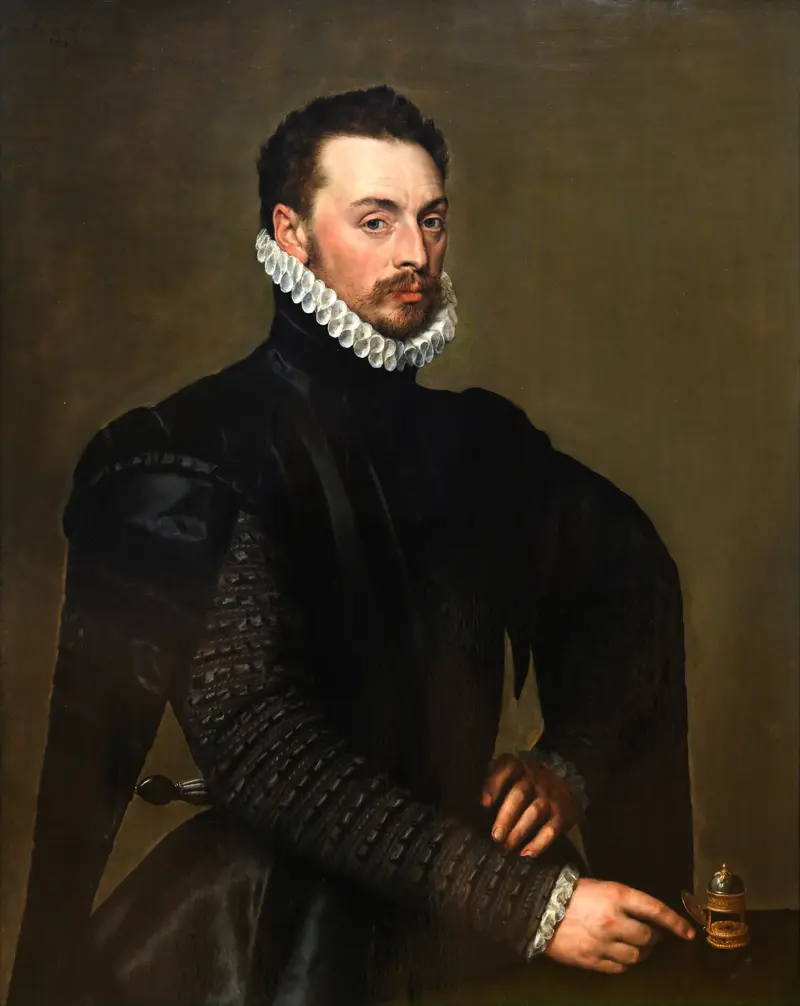
Portrait d'homme désignant une pendule Antonio Moro Musée du Louvre Peintures INV 1582 ; MR 880
Antonis Mor
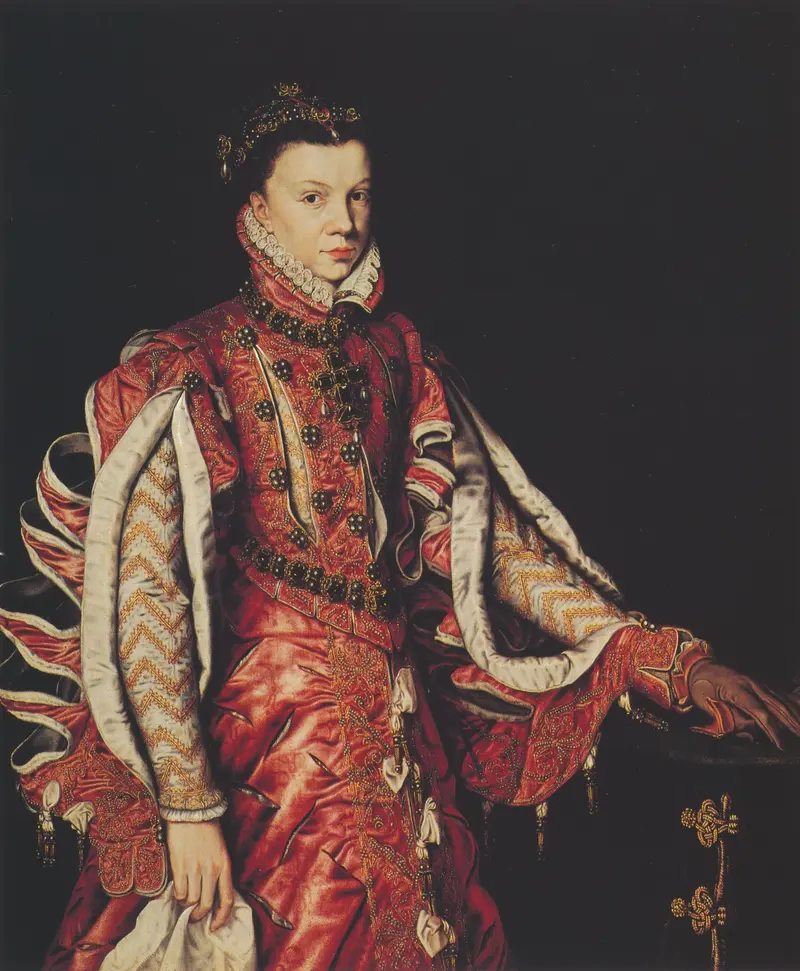
Portrait of Elisabeth of Valois, third wife of King Philip II of Spain
Antonis Mor
Von Sachsen vs. a Spaniard
Antonis Mor





