
Piazza di San Marco — History & Facts
Is this a mirror — or a memory? In Maurice Prendergast’s Piazza di San Marco, the vibrant colors and lively figures invite introspection, evoking a sense of nostalgia intertwined with the fleetingness of life. Focus on the dazzling turquoise and gold hues that dominate the scene, steering your gaze toward the left where a cascade of individuals meander through the square. Notice how the brushwork creates a rhythmic flow, as if each figure dances with the shadows cast by the ornate architecture. The light, dappled and soft, suggests the warmth of an afternoon spent in Venice, while the juxtaposition of stillness and movement captures the essence of a moment suspended in time. Yet beneath this cheerful façade lies an undercurrent of melancholy.
The bright palette contrasts starkly with the somber expressions of the figures, hinting at unspoken stories and personal loss. Look closely at the solitary woman at the forefront; her posture seems slightly withdrawn, a reminder that even amidst crowds, isolation can persist. The delicate balance between joy and sorrow in this work resonates deeply, revealing the complexity of human experience. Painted between 1898 and 1899, Piazza di San Marco reflects Prendergast's fascination with capturing the interplay of light and color in urban landscapes.
At this time, he was immersing himself in the Impressionist movement, influenced by both American and European styles. This period marked a significant evolution in his artistic journey, as he sought to encapsulate the emotional weight of everyday life through his vibrant compositions.
More Artworks by Maurice Prendergast
Browse all →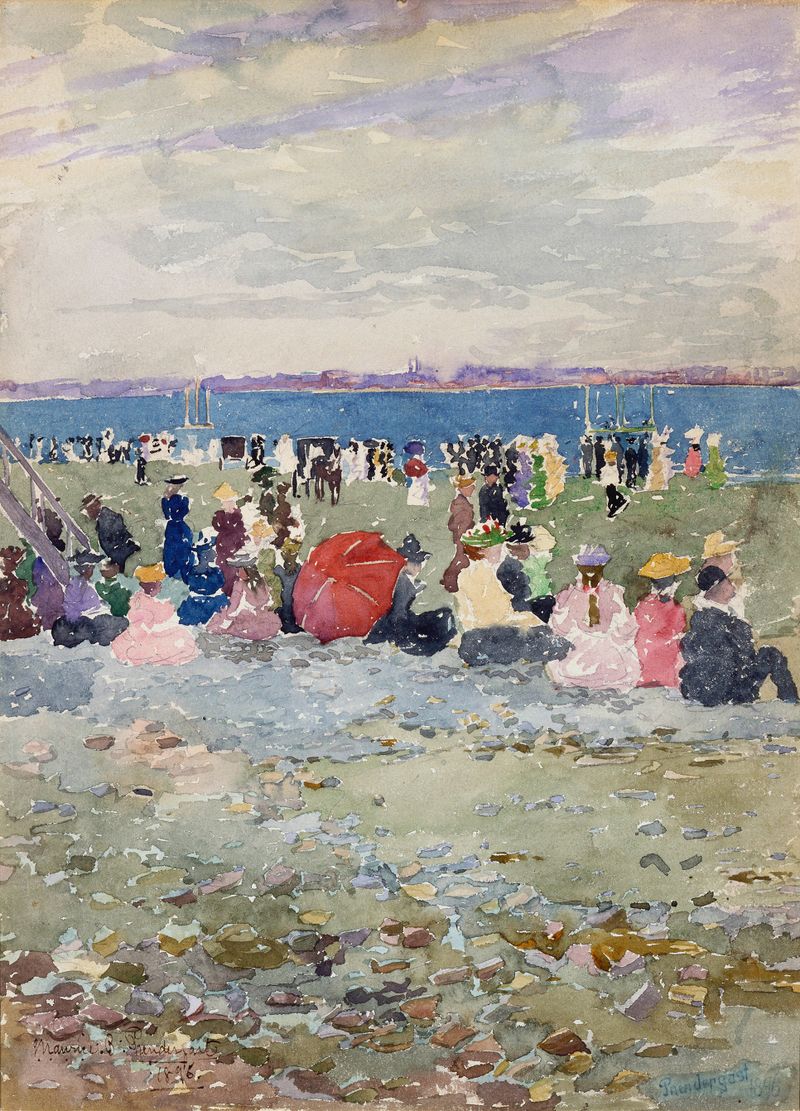
Revere Beach
Maurice Prendergast
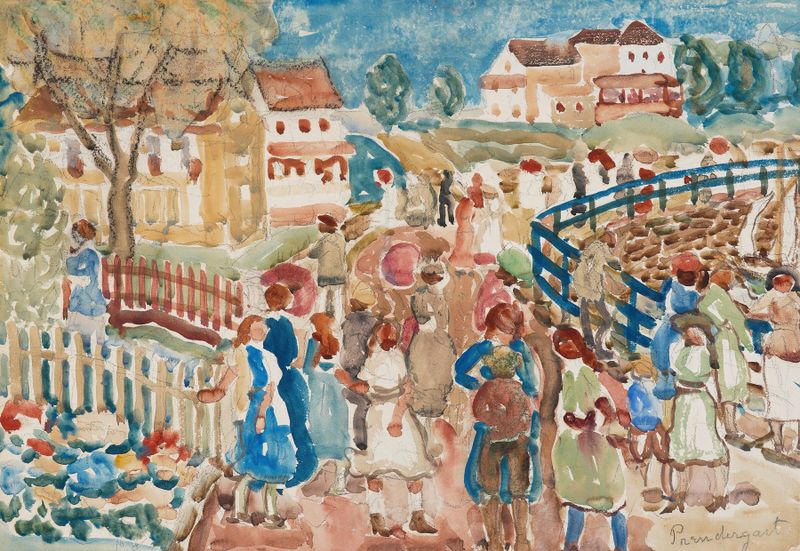
Country Lane, Rockport
Maurice Prendergast
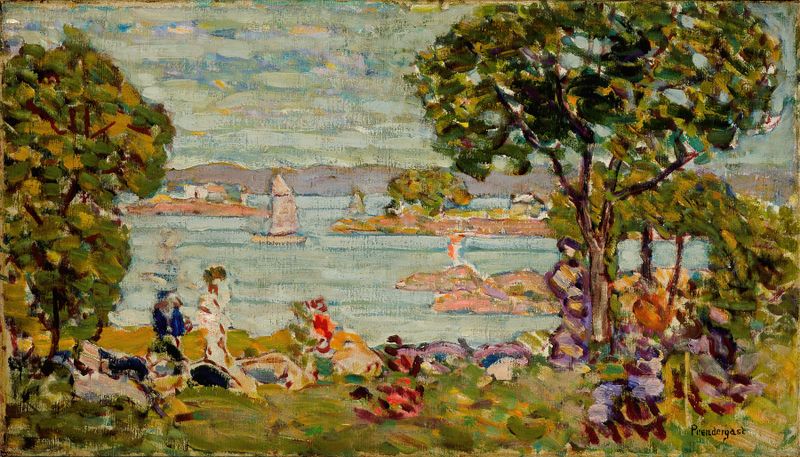
Cove, Maine
Maurice Prendergast
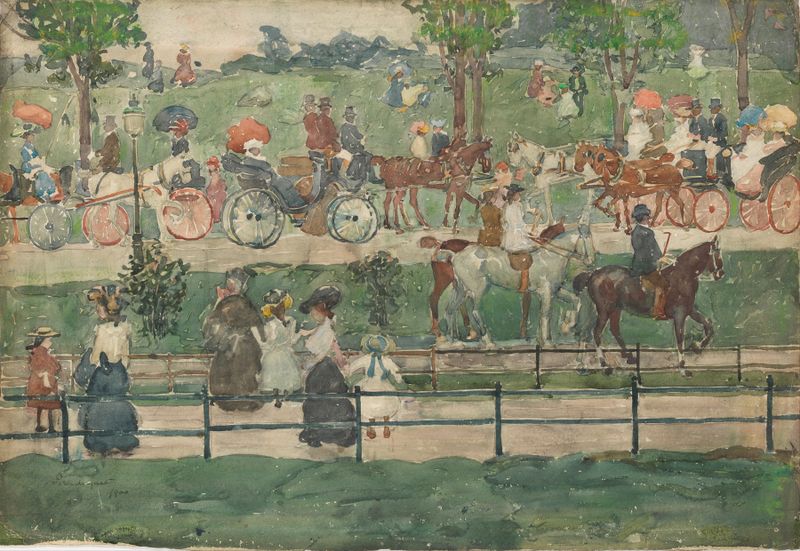
Central Park
Maurice Prendergast
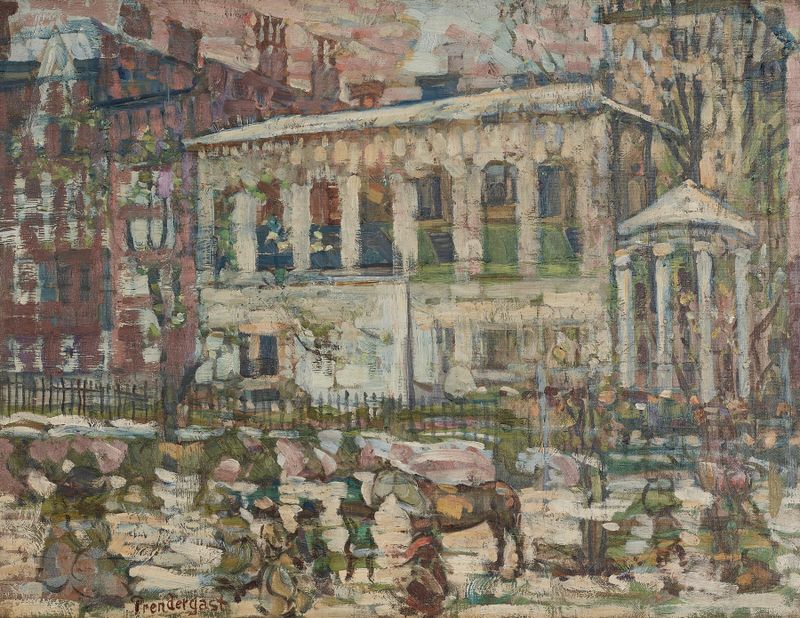
Snowy Day, Boston
Maurice Prendergast
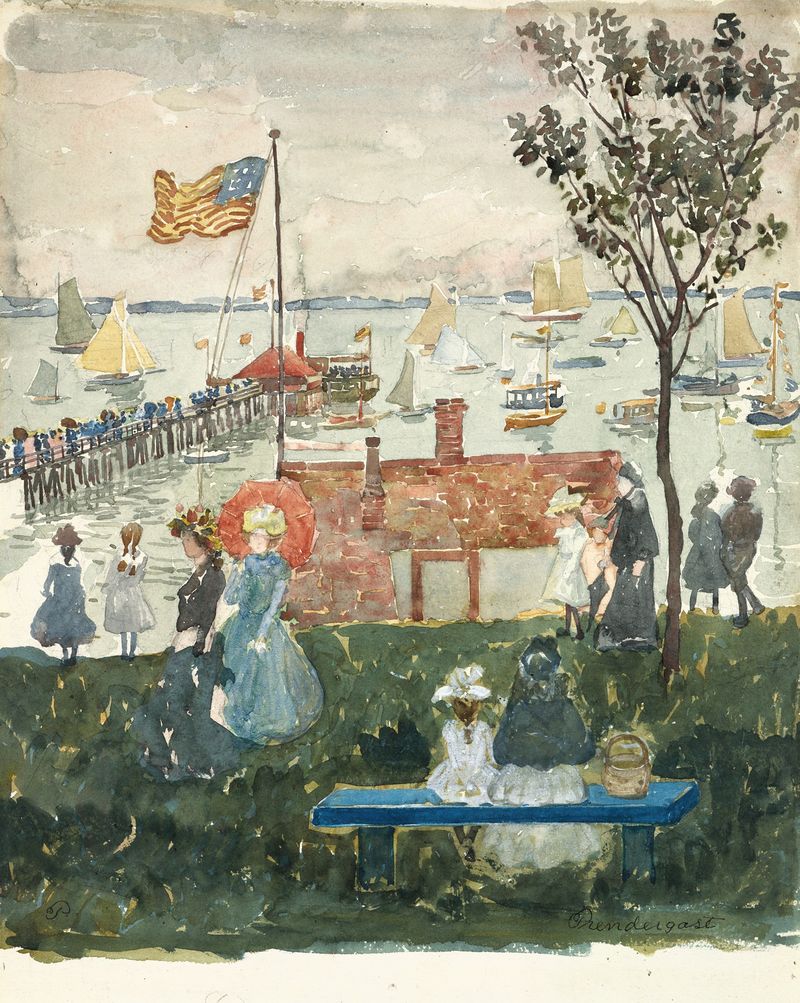
Excursionists, Nahant
Maurice Prendergast
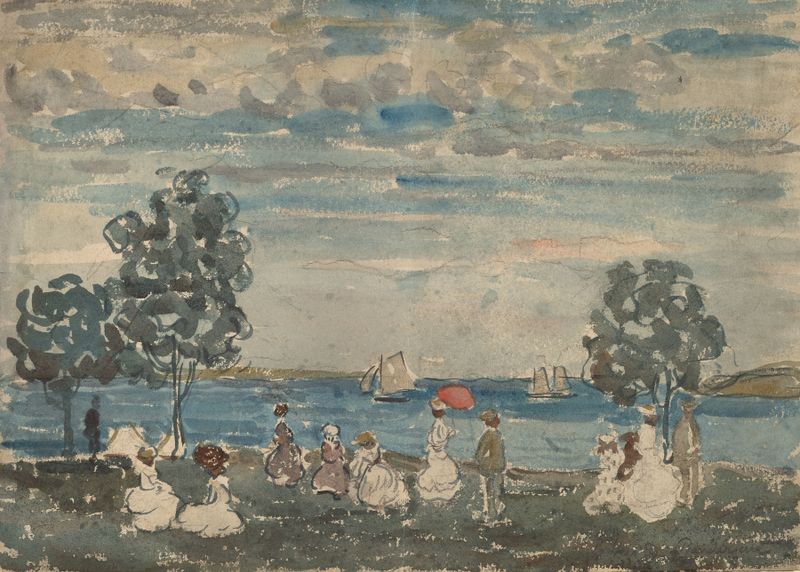
Figures on a Beach
Maurice Prendergast
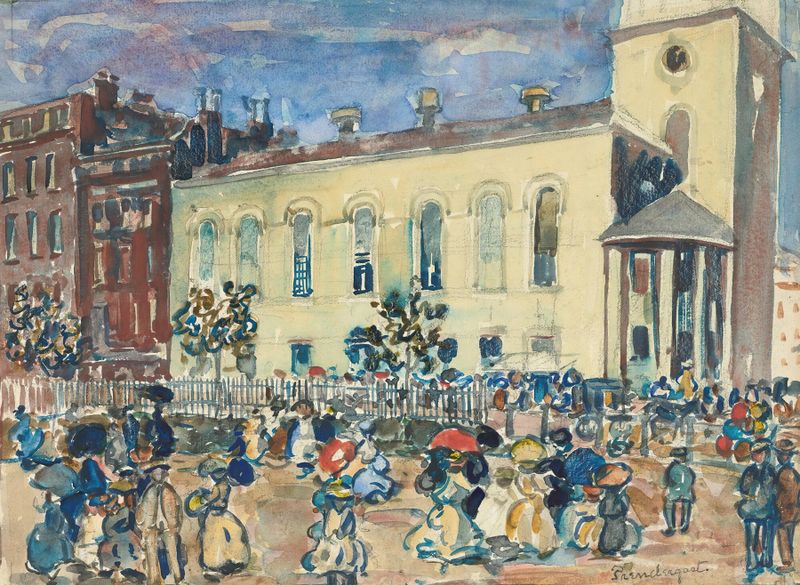
Park Street Church, Boston
Maurice Prendergast
Docks,East Boston
Maurice Prendergast
Gray Day, Venice
Maurice Prendergast





