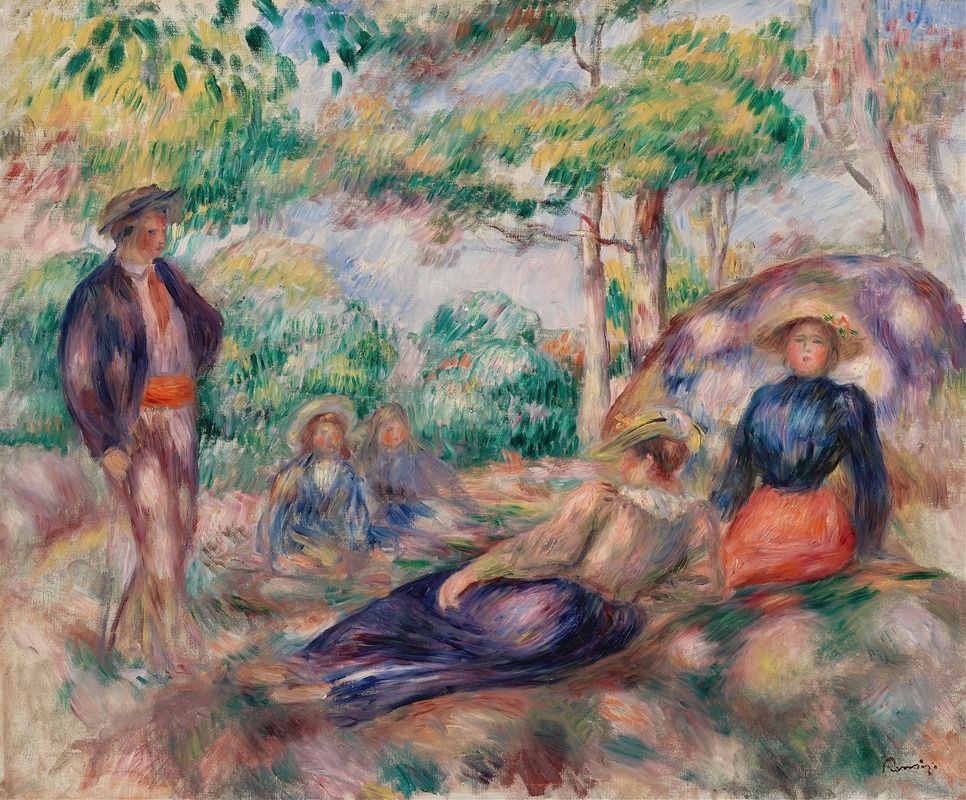
Discover insights about this artwork
Pierrot’s funeral — History & Facts
In Pierrot’s funeral, Henri Matisse presents a lively scene filled with bright colors. The painting features figures in a somber yet colorful procession, with Pierrot at the center. The use of bold reds, blues, and yellows creates a striking contrast against the darker tones of mourning.
The setting appears to be a festive yet melancholic farewell, blending joy and sorrow. The painting is characterized by Matisse's signature use of color and form. The figures are simplified and stylized, typical of the Fauvism movement. Matisse employs loose brushwork, allowing colors to blend and interact dynamically.
Viewers can observe how the composition draws the eye towards Pierrot, emphasizing his importance in the scene. Henri Matisse created this work during a period of experimentation with color and form. 'Pierrot’s funeral' reflects his interest in the theatrical and the emotional aspects of life. Interestingly, the character Pierrot is a traditional figure in French pantomime, representing the melancholy clown.
This painting captures the duality of joy and sadness inherent in the character's narrative.
More Artworks by Henri Matisse
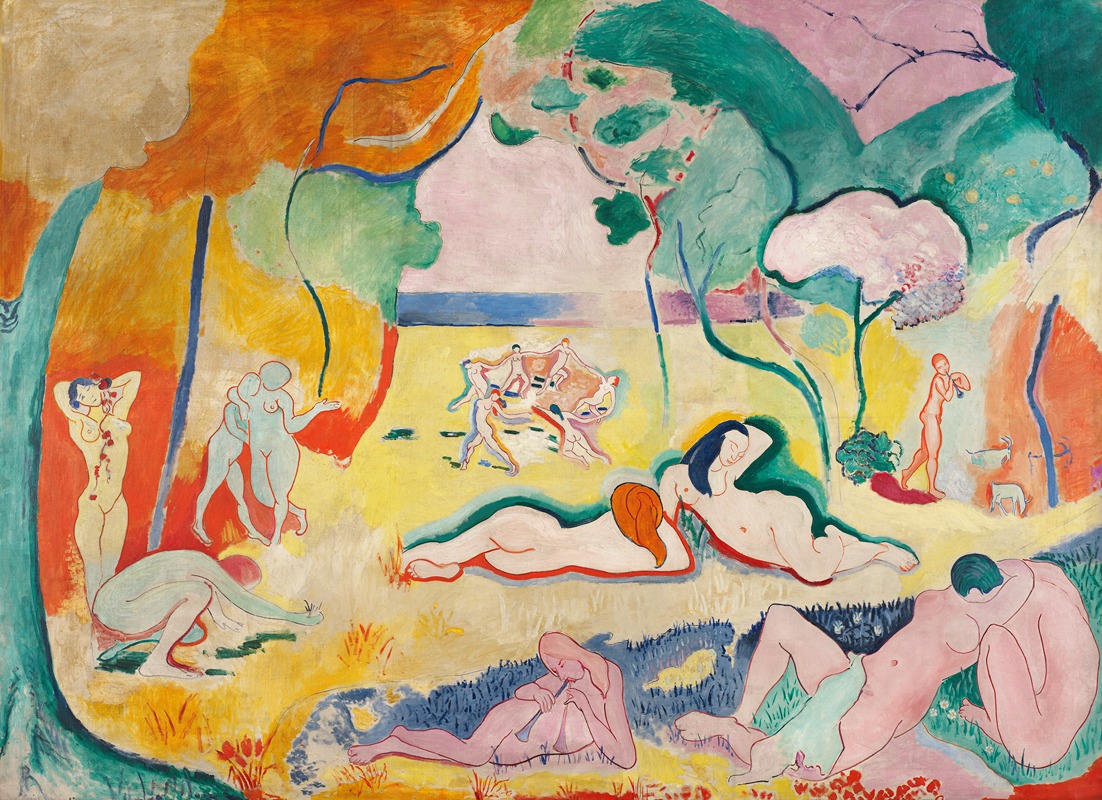
Le Bonheur de vivre, also called The Joy of Life
Henri Matisse
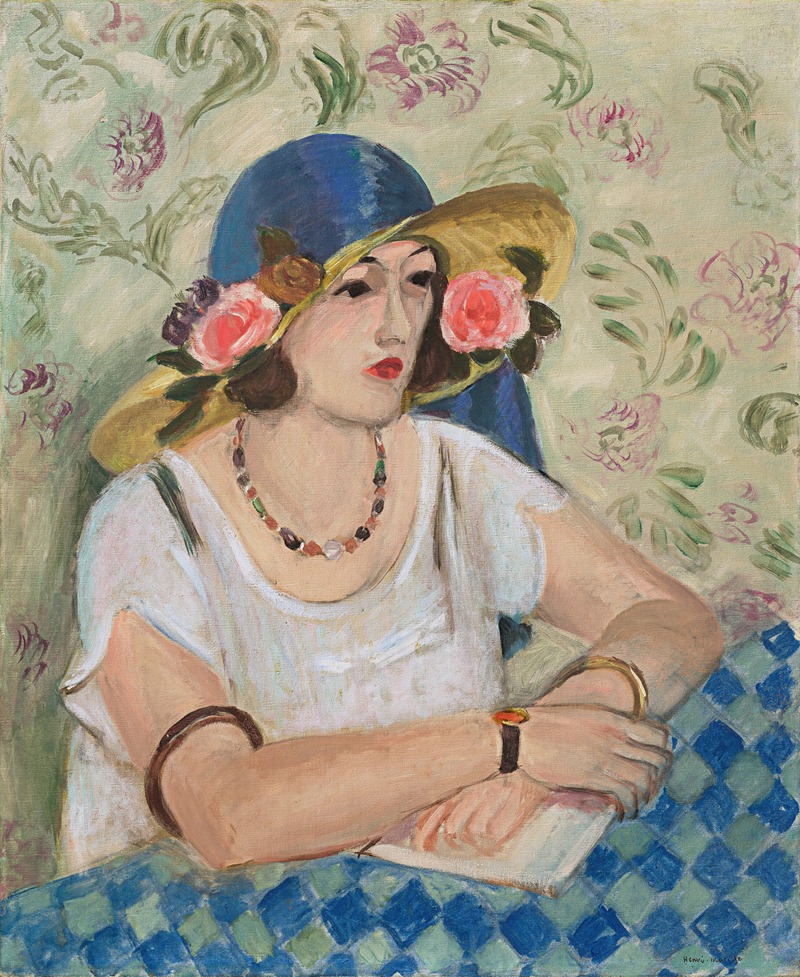
Femme au chapeau fleuri
Henri Matisse
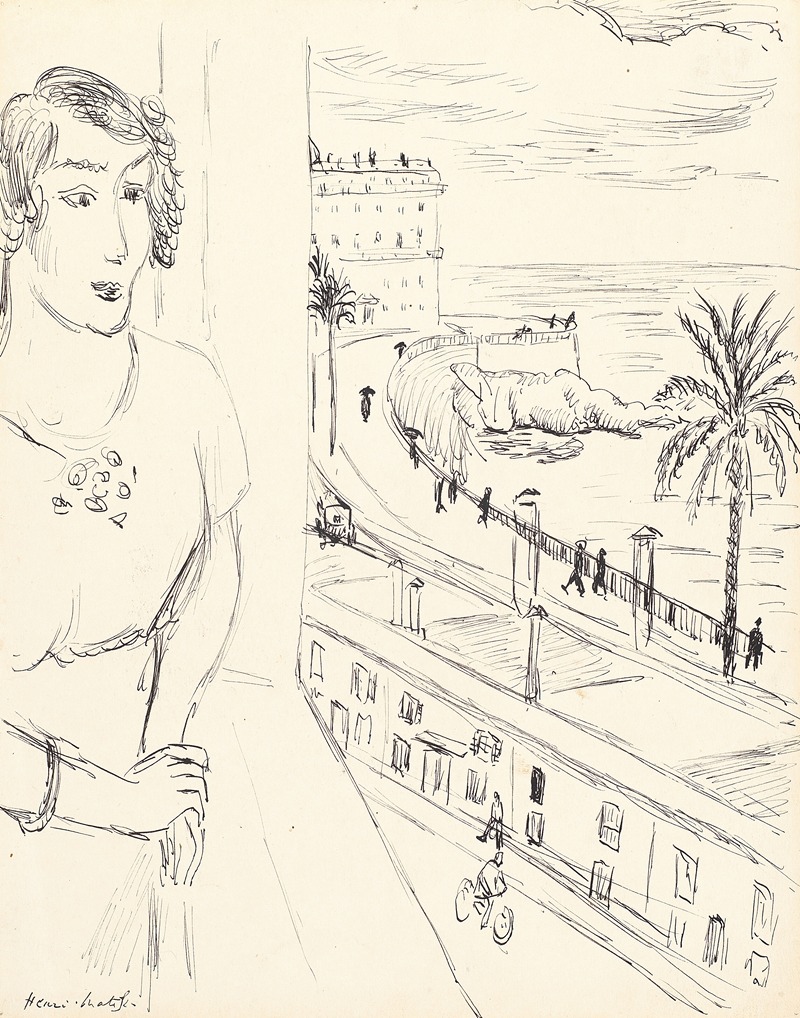
Femme près de la fenêtre, Nice
Henri Matisse
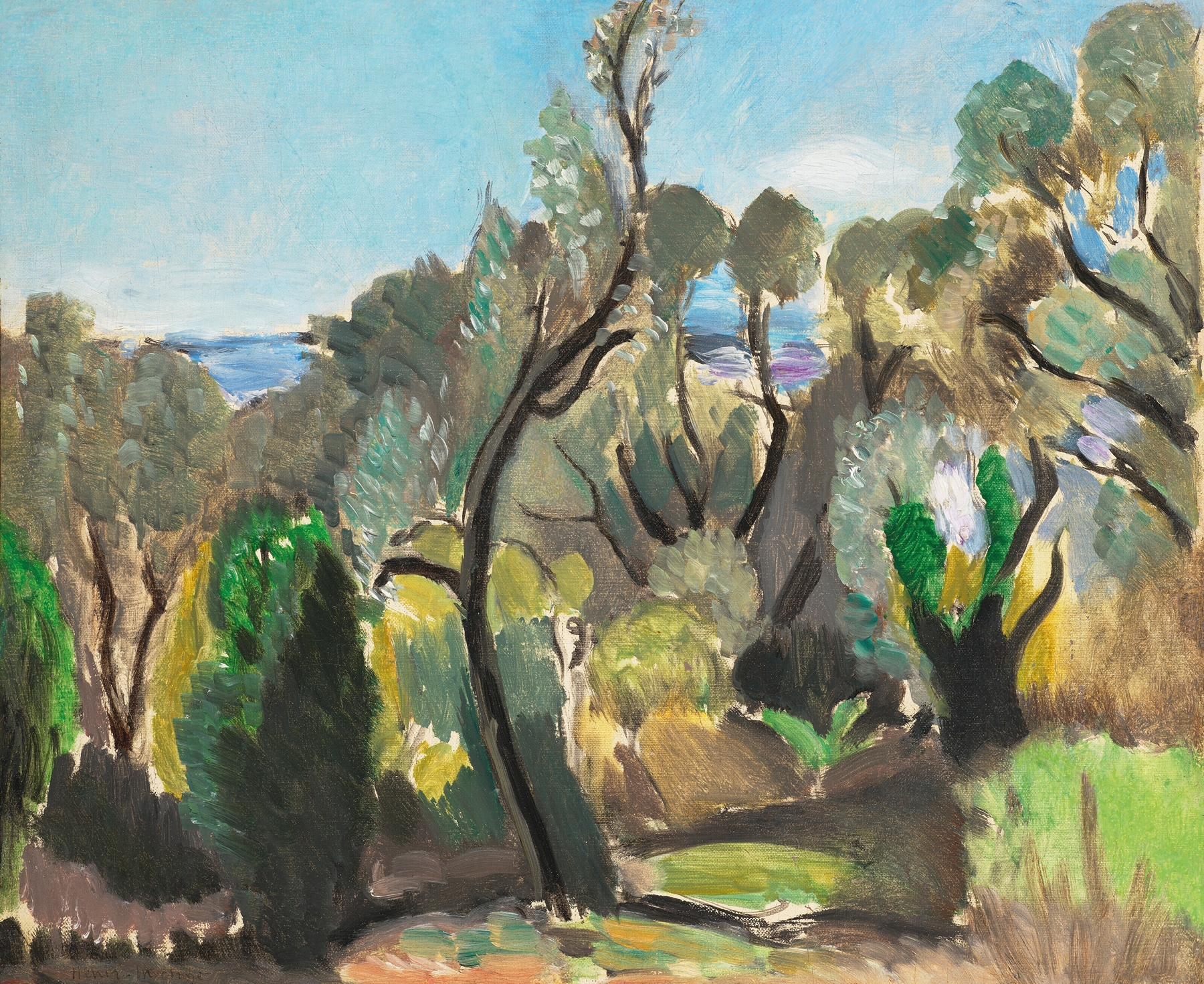
Paysage aux environs de Nice ou Les Oliviers ou Coin du Mont-Boron
Henri Matisse
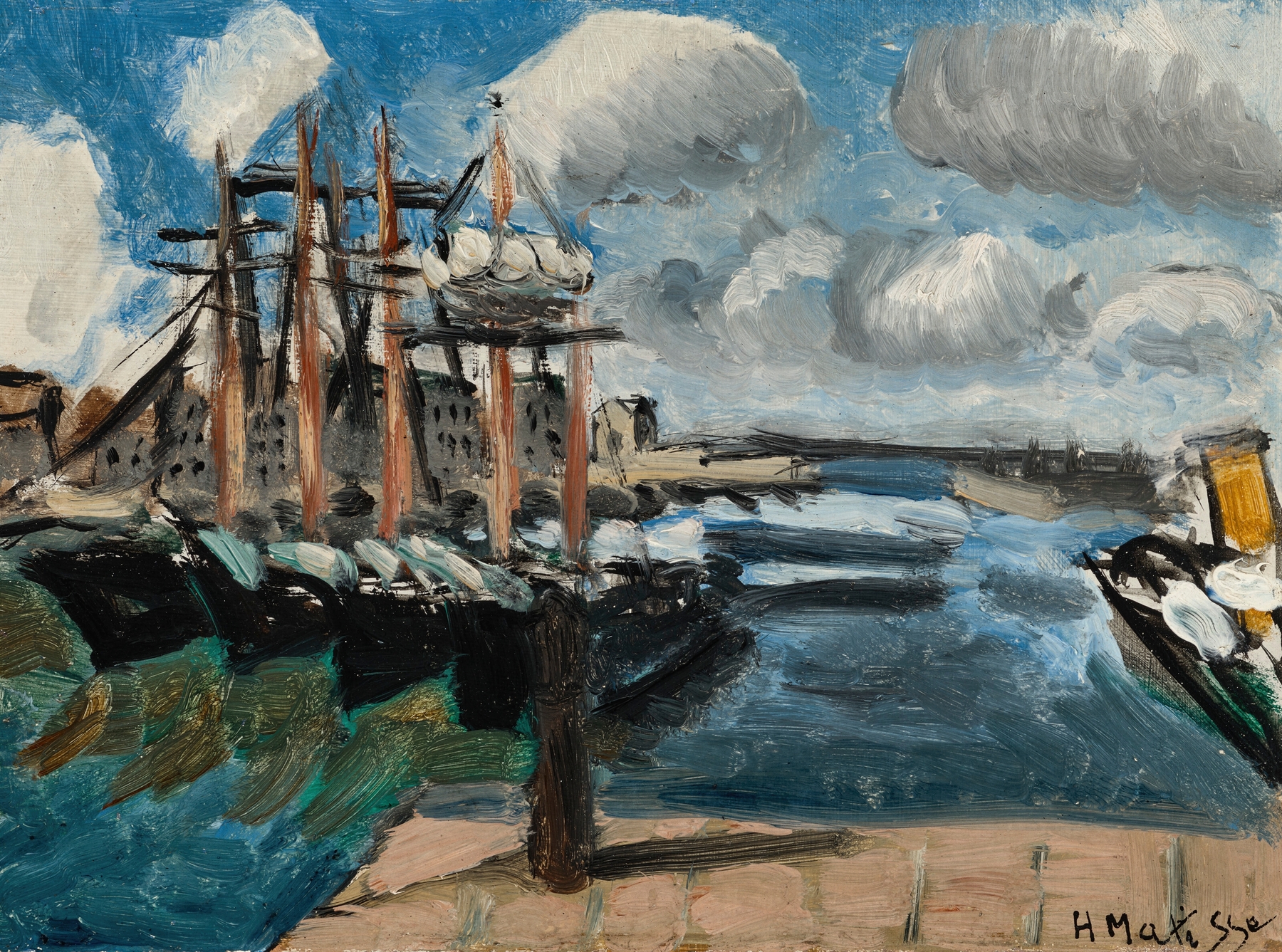
Port de Cherbourg
Henri Matisse
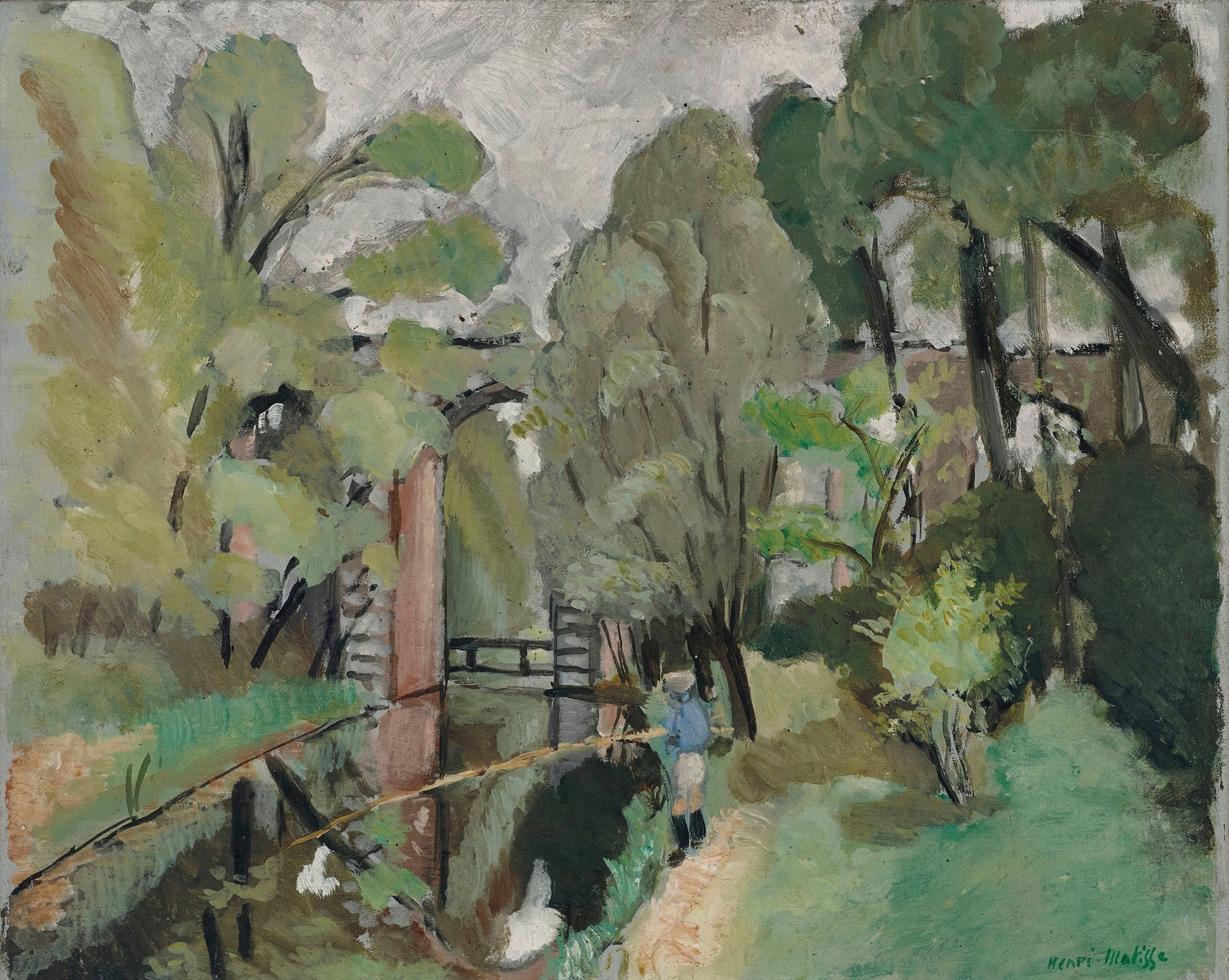
Le Petit pêcheur, Maintenon
Henri Matisse
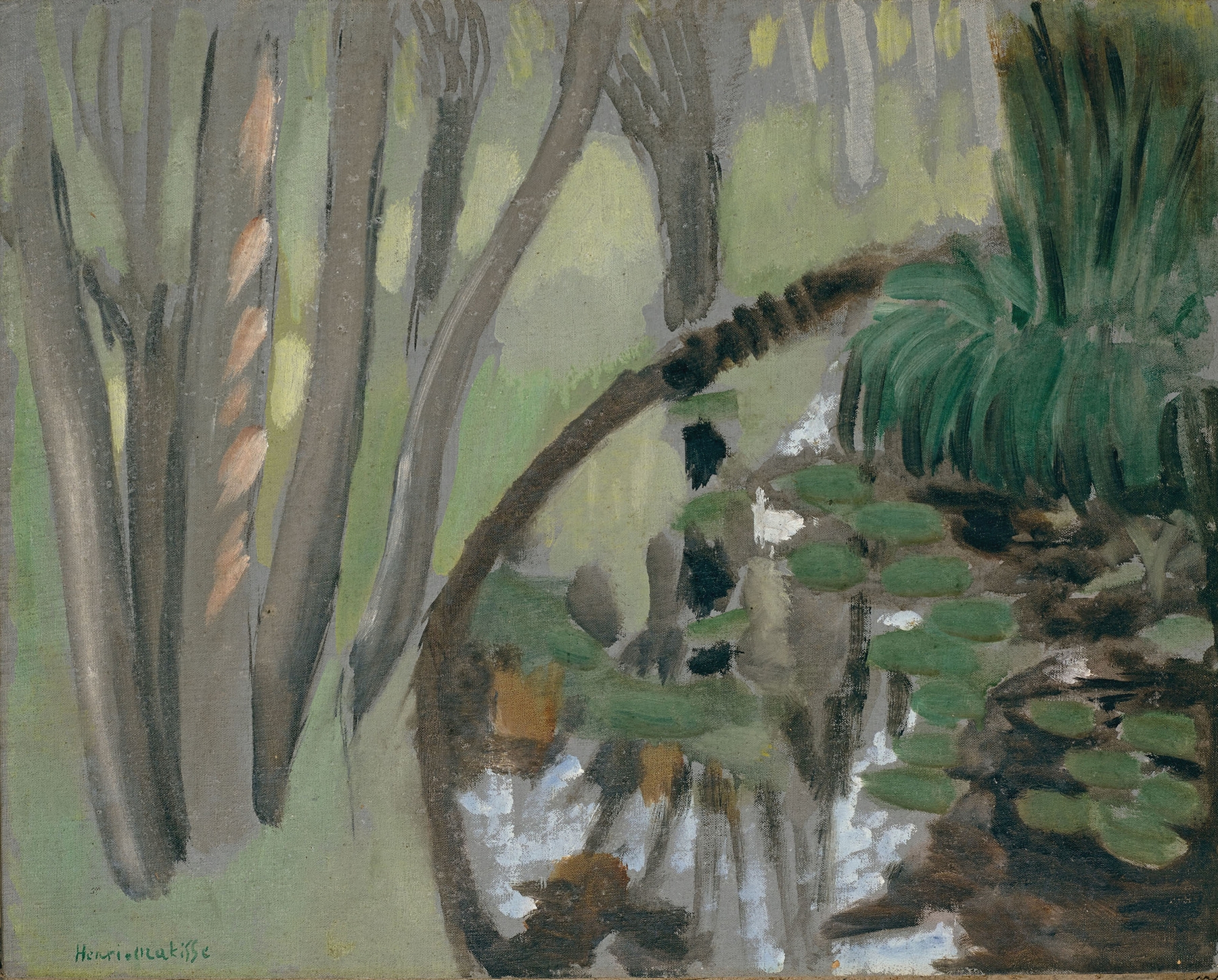
Le ruisseau, Maintenon
Henri Matisse
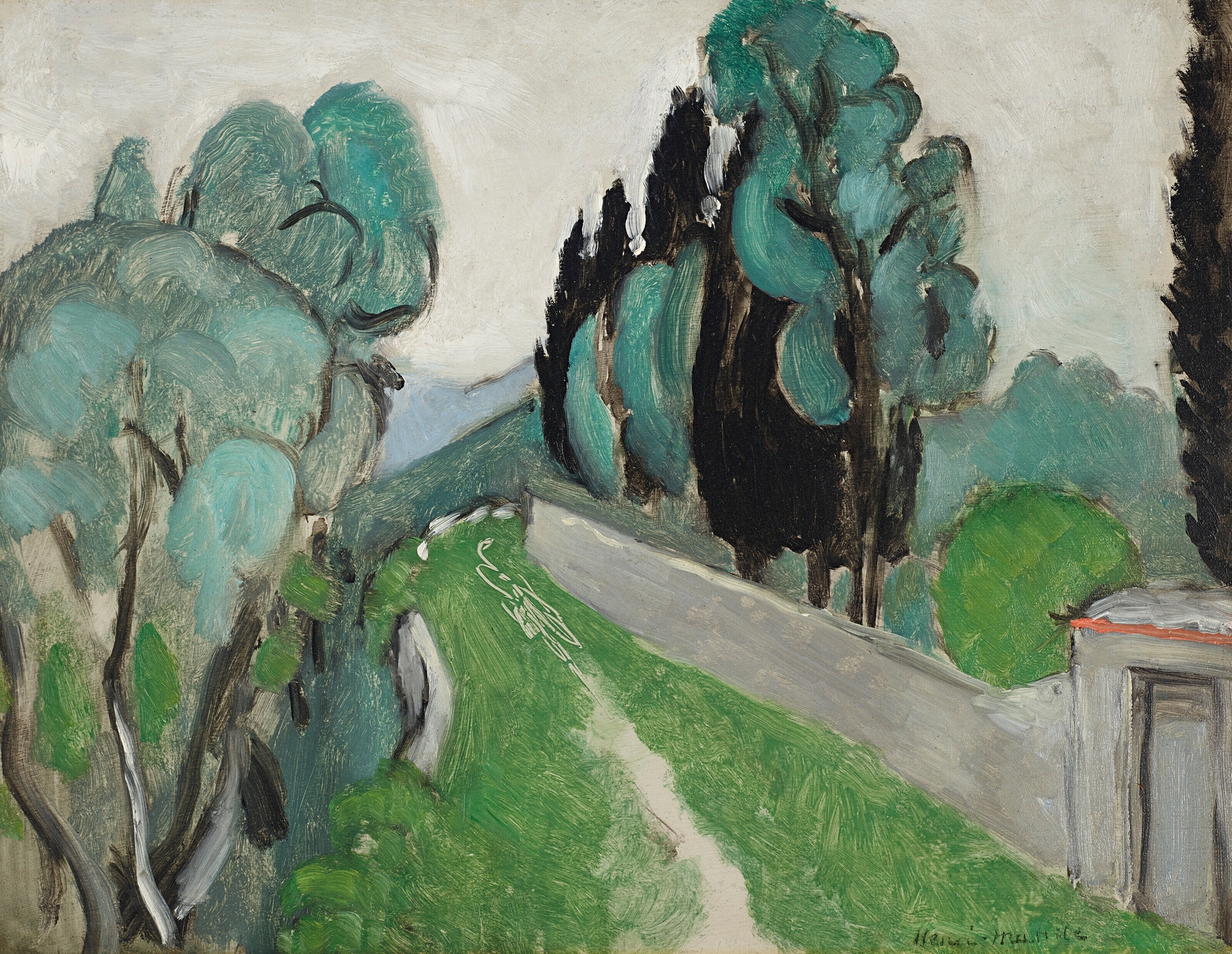
Paysage avec cyprès et oliviers aux environs de Nice
Henri Matisse
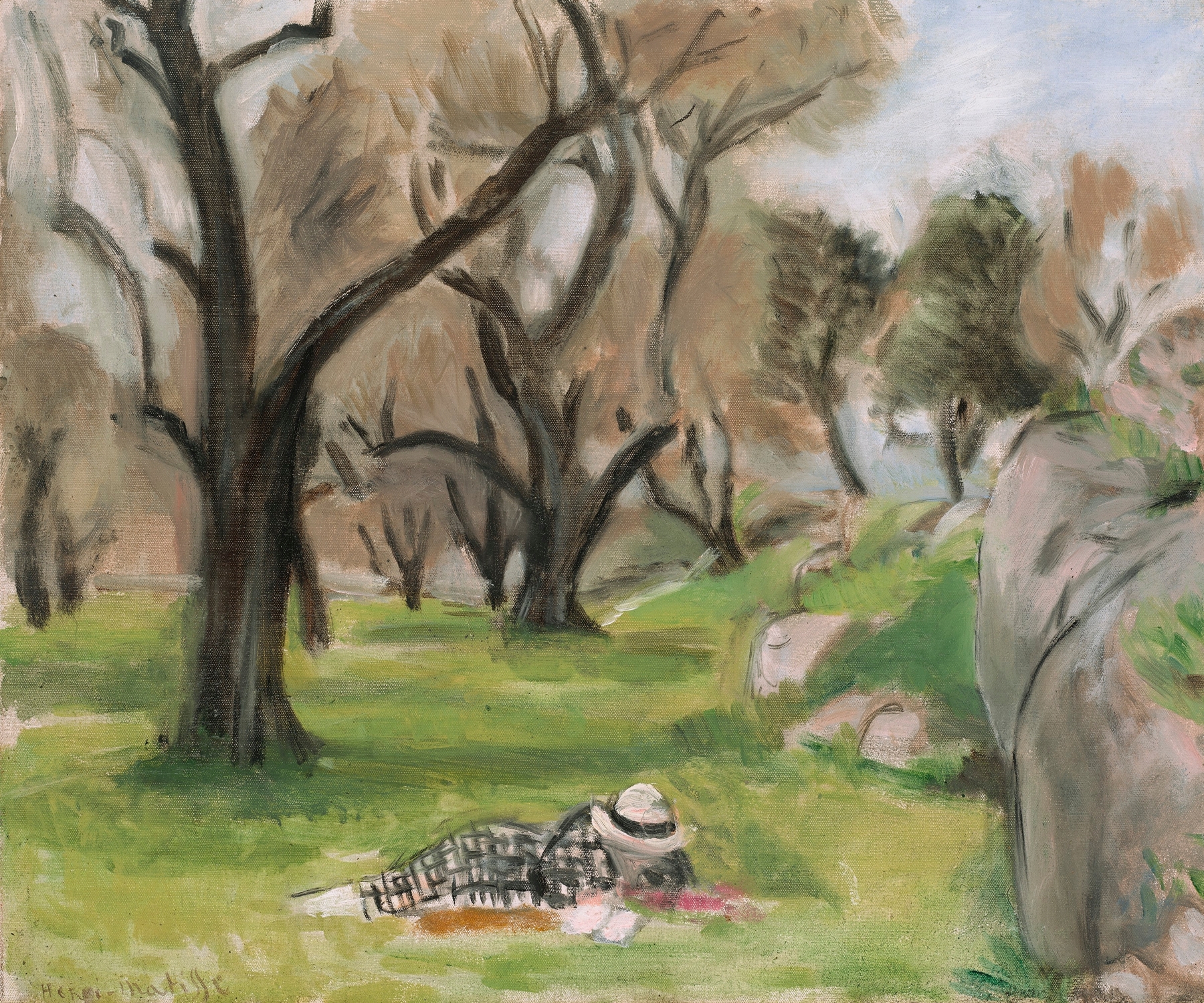
Paysage du Midi
Henri Matisse
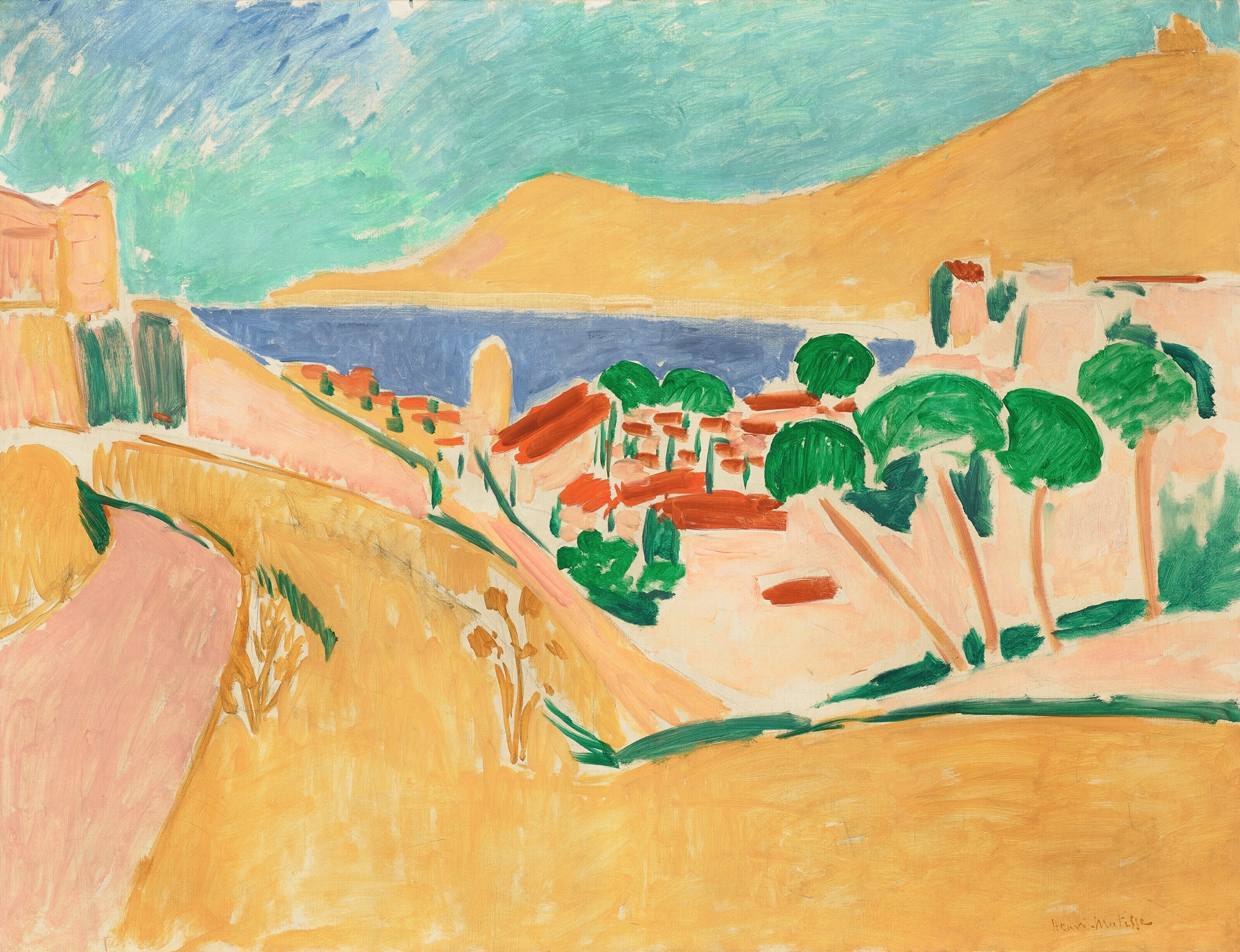
Collioure en août
Henri Matisse