
Pietà with Saint John the Evangelist — History & Facts
When Giovanni Bellini painted Pietà with Saint John the Evangelist around 1455, he was still a young artist, yet already grappling with a subject that haunted Venetian altarpieces for generations. What makes this work remarkable is its place at the very threshold of Bellini’s career, capturing his transition from the influence of his father, Jacopo Bellini, toward the more personal, emotionally charged style that would define his later masterpieces. Scholars have long debated whether this Pietà was intended for private devotion or a chapel, as its intimate scale and direct gaze seem to invite the viewer into the scene.
Its uncertain commission adds to the painting’s mystique, as no surviving documents tie it to a specific patron or location. At the heart of the picture, the Virgin Mary cradles the lifeless body of Christ, her hands splayed in a gesture of despair, while Saint John the Evangelist supports Christ’s shoulders, his youthful face twisted in grief. Bellini freezes the moment just after the descent from the cross, when loss is fresh and unbearable. The figures are pressed close to the picture plane, their sorrow almost tangible, as if the viewer were another mourner.
The starkness of the composition—no landscape, no distractions—focuses all attention on the three figures and their interlocked hands, a motif that underlines both physical connection and shared suffering. Compared to Rogier van der Weyden’s northern Pietà scenes, Bellini’s version is more restrained, yet the raw emotion in Mary’s face signals a new direction in Venetian painting. The early history of Pietà with Saint John the Evangelist is shrouded in uncertainty, as is often the case with mid-15th-century Venetian works. No records survive to tell us who first owned it or where it originally hung.
Over the centuries, the painting has been variously attributed to Giovanni and his father Jacopo, reflecting the close stylistic ties between them at this stage. Today, scholars agree on Giovanni’s authorship, recognizing in the delicate modeling and psychological depth the seeds of his later greatness. The painting remains a touchstone for understanding Bellini’s early years and the evolution of devotional art in Venice, preserved now in a museum collection where its quiet drama continues to move viewers.
More Artworks by Giovanni Bellini
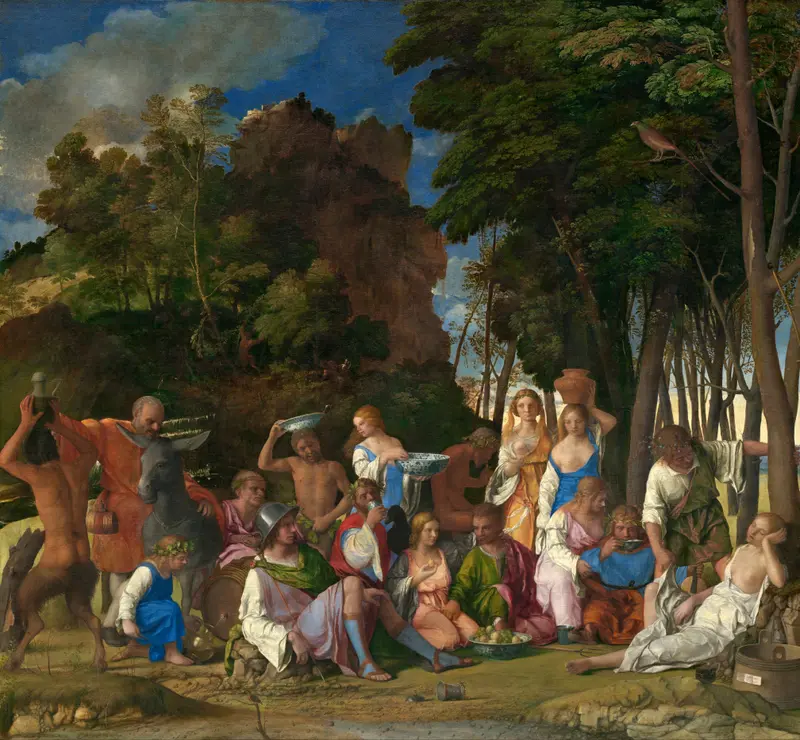
The Feast of the Gods
Giovanni Bellini

Madonna and Child enthroned with Saints and Angels
Giovanni Bellini
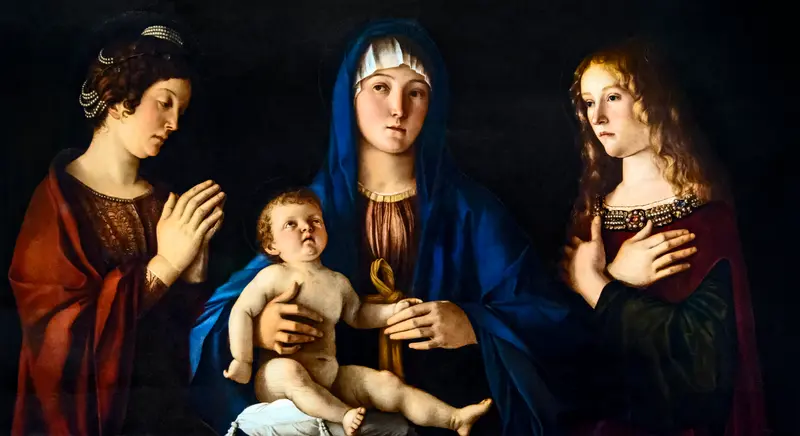
Madonna and Child between Saints Catherine and Mary Magdalene
Giovanni Bellini
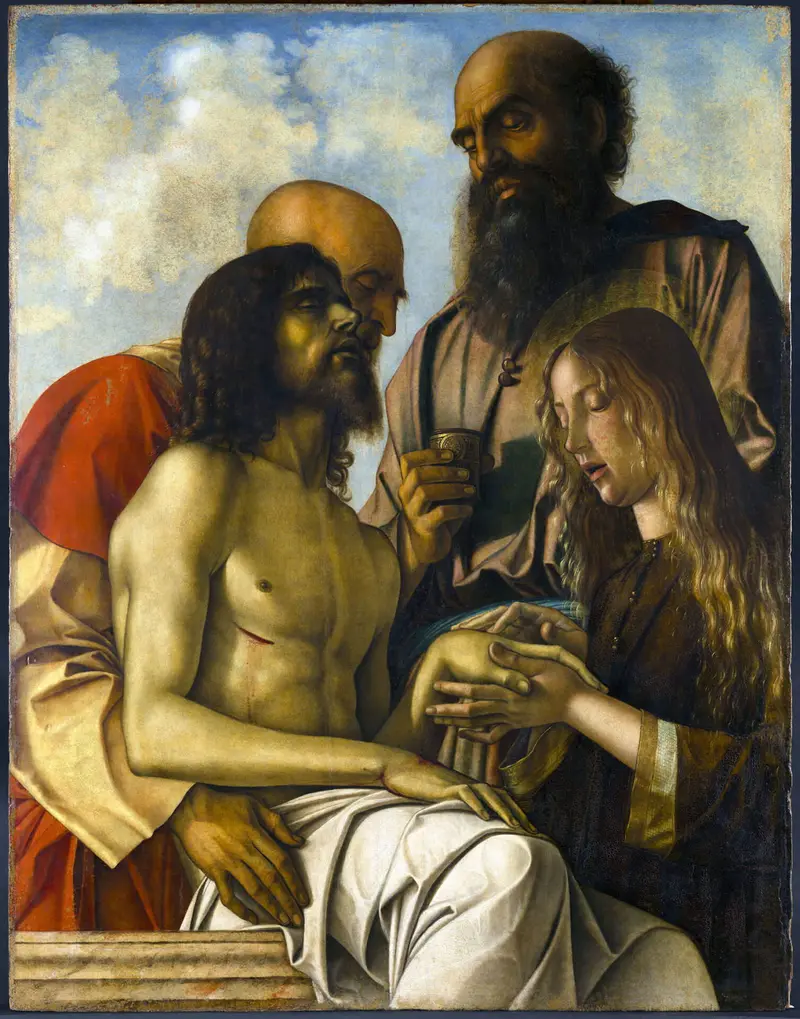
Lamentation over the Dead Christ
Giovanni Bellini
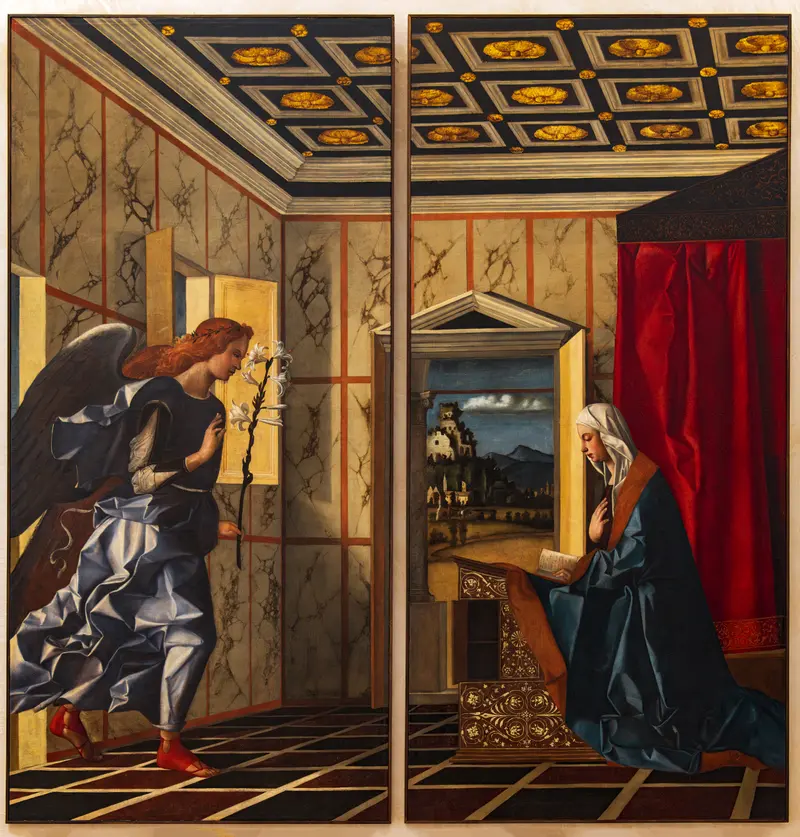
Annunciation
Giovanni Bellini
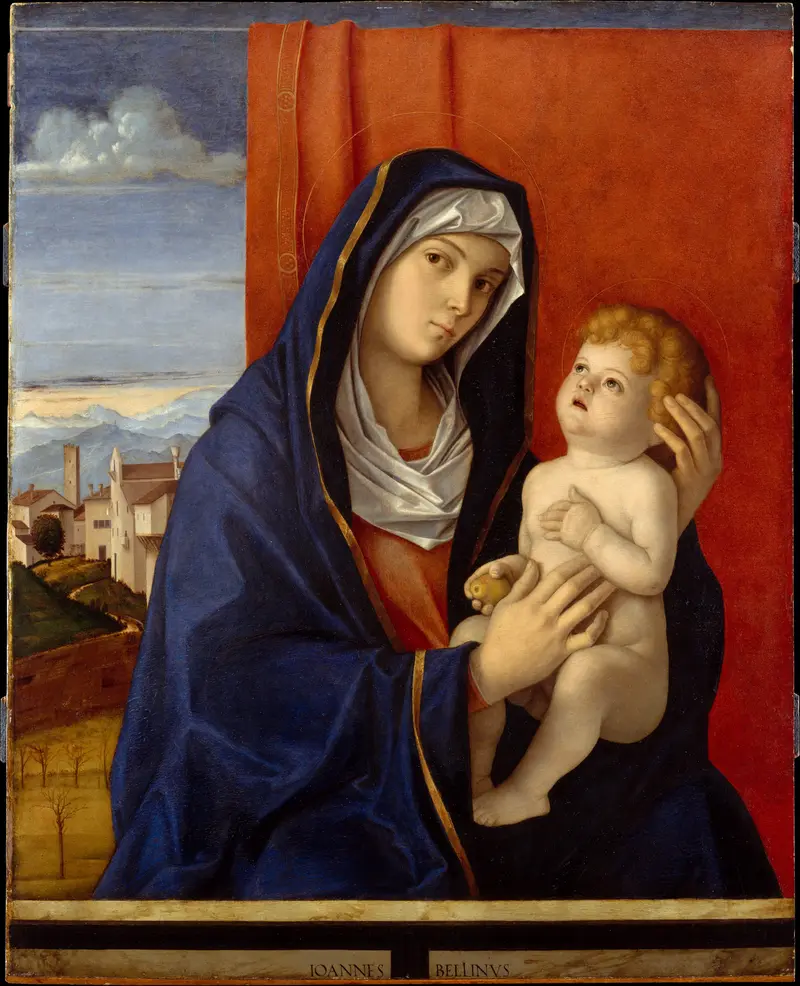
Madonna and Child
Giovanni Bellini
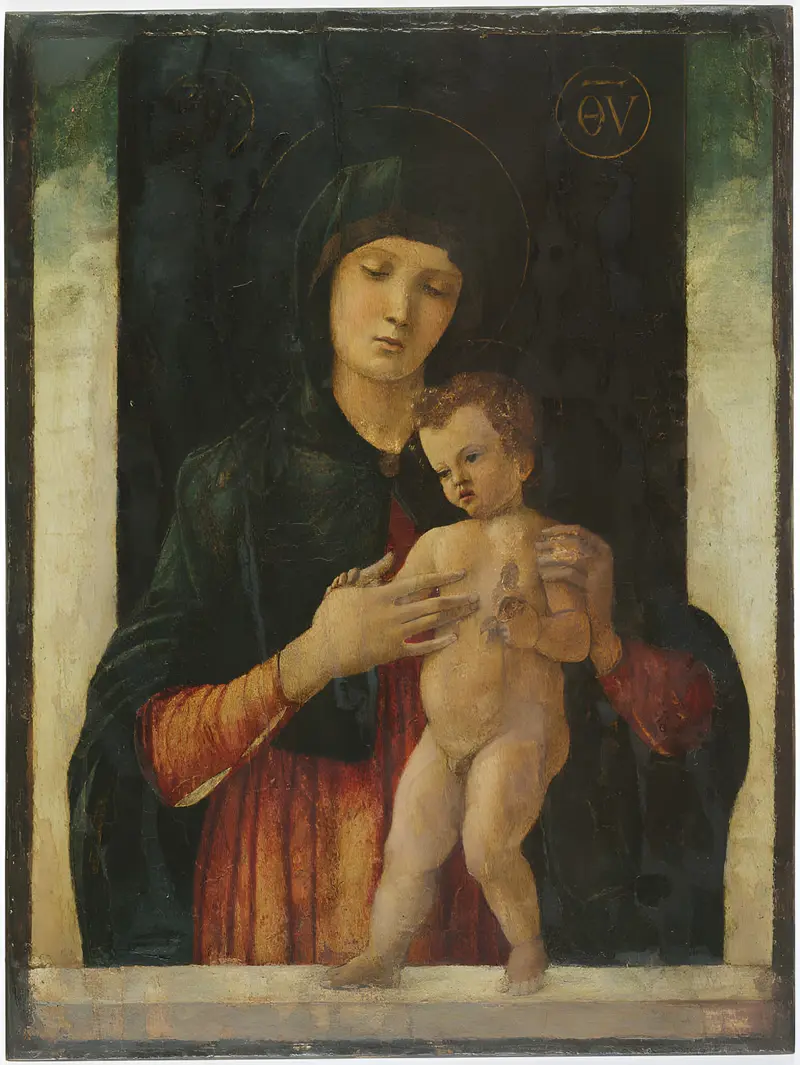
The Virgin and Child
Giovanni Bellini
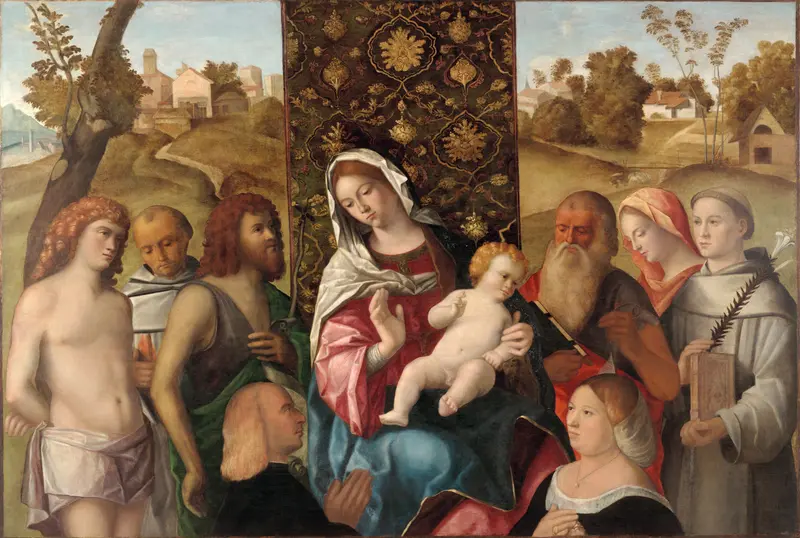
Virgin and Child with Saints Sebastian, Francis, John the Baptist, Jerome, an unidentified female saint, Saint Anthony of Padua and two donors
Giovanni Bellini
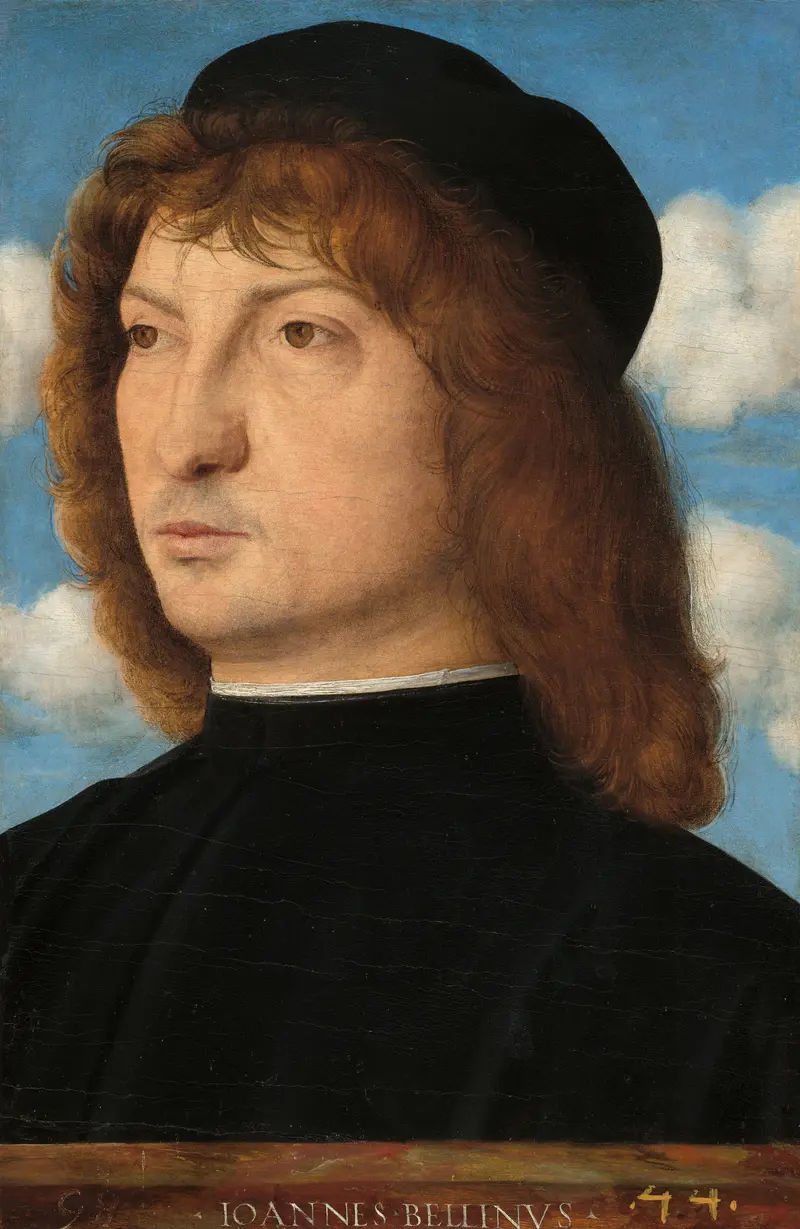
Portrait of a Venetian Gentleman
Giovanni Bellini
Portrait of a Young Man
Giovanni Bellini





