
Pilate washing his hands — History & Facts
In Pilate washing his hands, Jacques Callot presents a dramatic scene filled with tension. The use of dark and muted colors creates a somber atmosphere, emphasizing the gravity of the moment. Pilate, depicted in the center, is shown in a moment of indecision, with water splashing from his hands.
Surrounding figures react with a mix of disdain and concern, enhancing the emotional weight of the scene. This artwork is an etching, a technique that allows for fine details and intricate lines. Callot's skillful use of line work captures the expressions of the figures and the movement of water. The composition is carefully arranged, drawing the viewer's eye to Pilate's hands.
The etching is relatively small, measuring approximately 25 x 35 cm, making it an intimate piece. Jacques Callot was a French artist known for his detailed etchings and depictions of historical and religious themes. This work, created in the 1620s, reflects the Baroque style's emphasis on drama and emotion. An interesting fact about this piece is that it illustrates a pivotal moment from the New Testament, highlighting Pilate's moral dilemma.
Callot's ability to convey complex emotions through simple gestures is a hallmark of his artistic style.
More Artworks by Jacques Callot

De verloren zoon als zwijnenhoeder
Jacques Callot
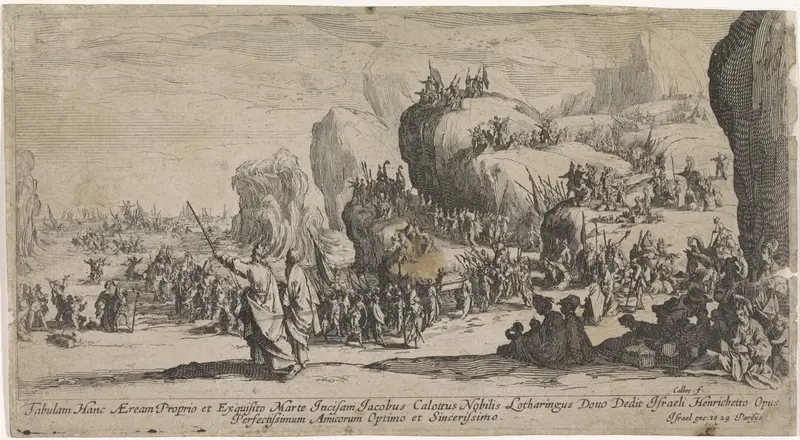
De doortocht door de Rode Zee
Jacques Callot

Kruisiging
Jacques Callot
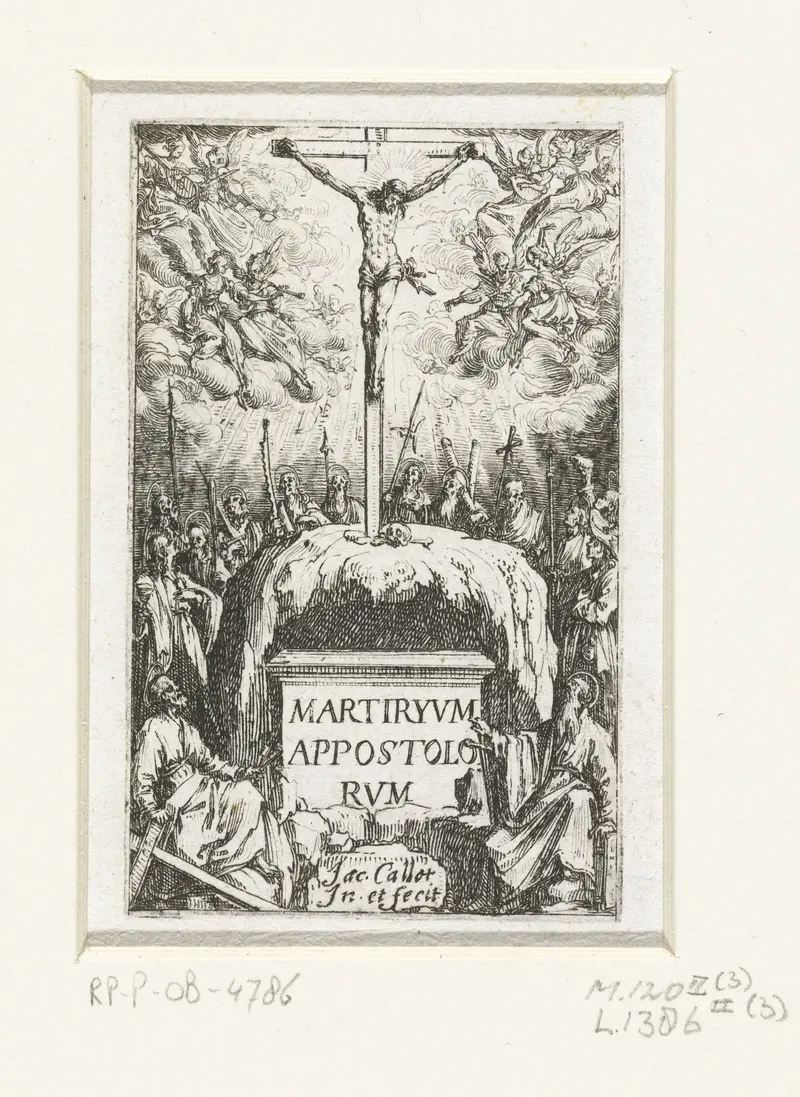
Titelprent voor de prentreeks 'De kleine apostelen' (Het martelaarschap van de apostelen)
Jacques Callot
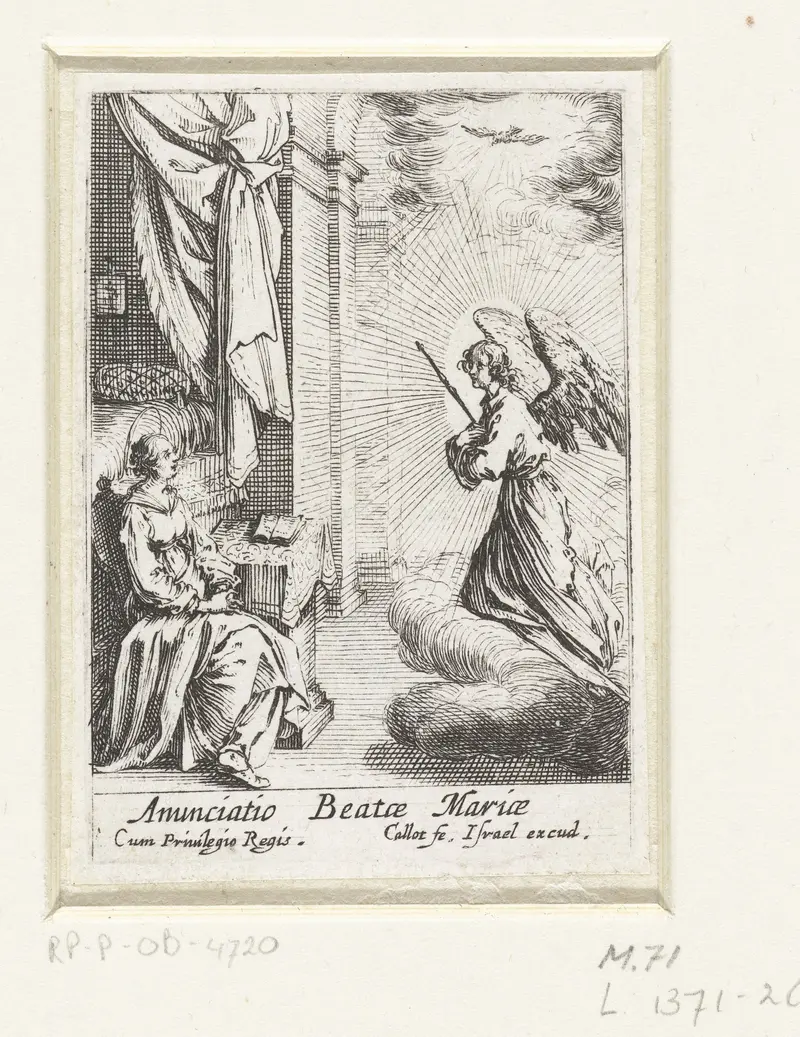
Annunciatie
Jacques Callot
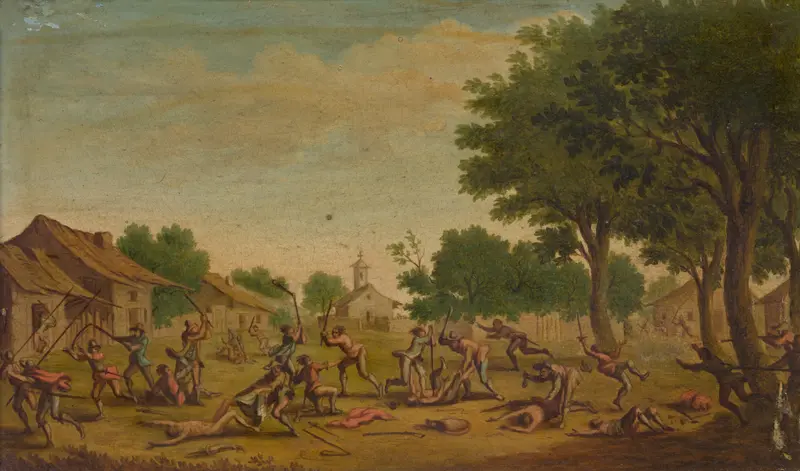
Village Fight
Jacques Callot
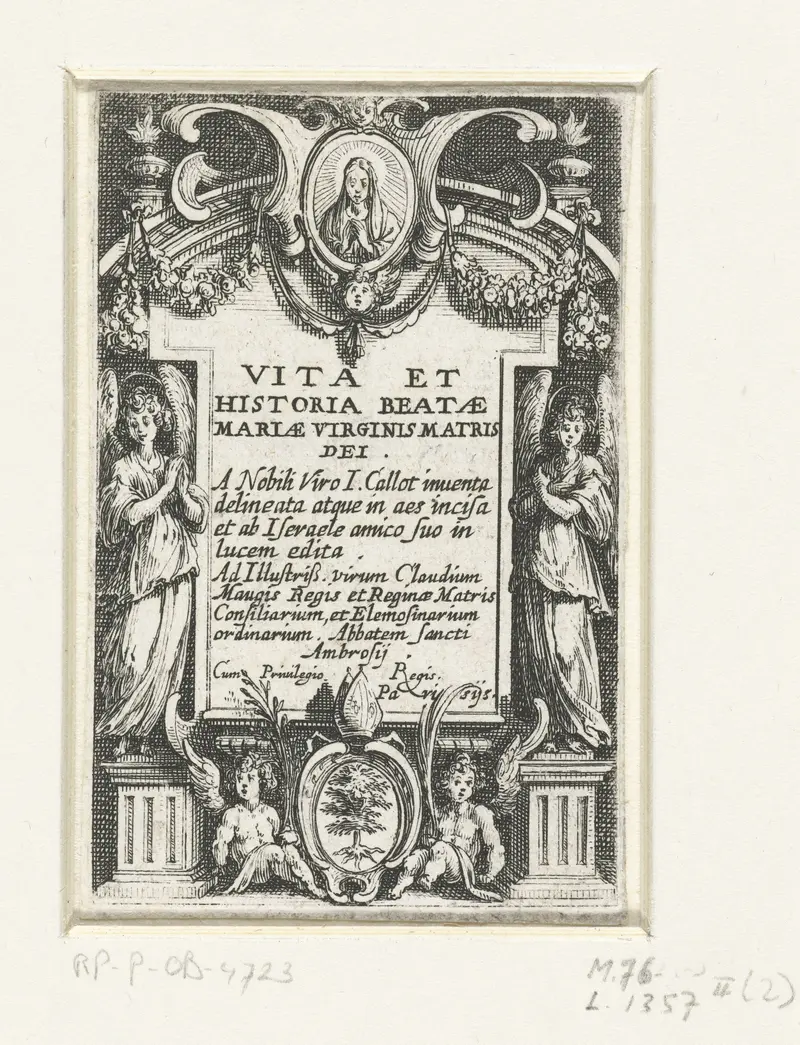
Titelprent voor prentreeks 'Het leven van Maria'
Jacques Callot
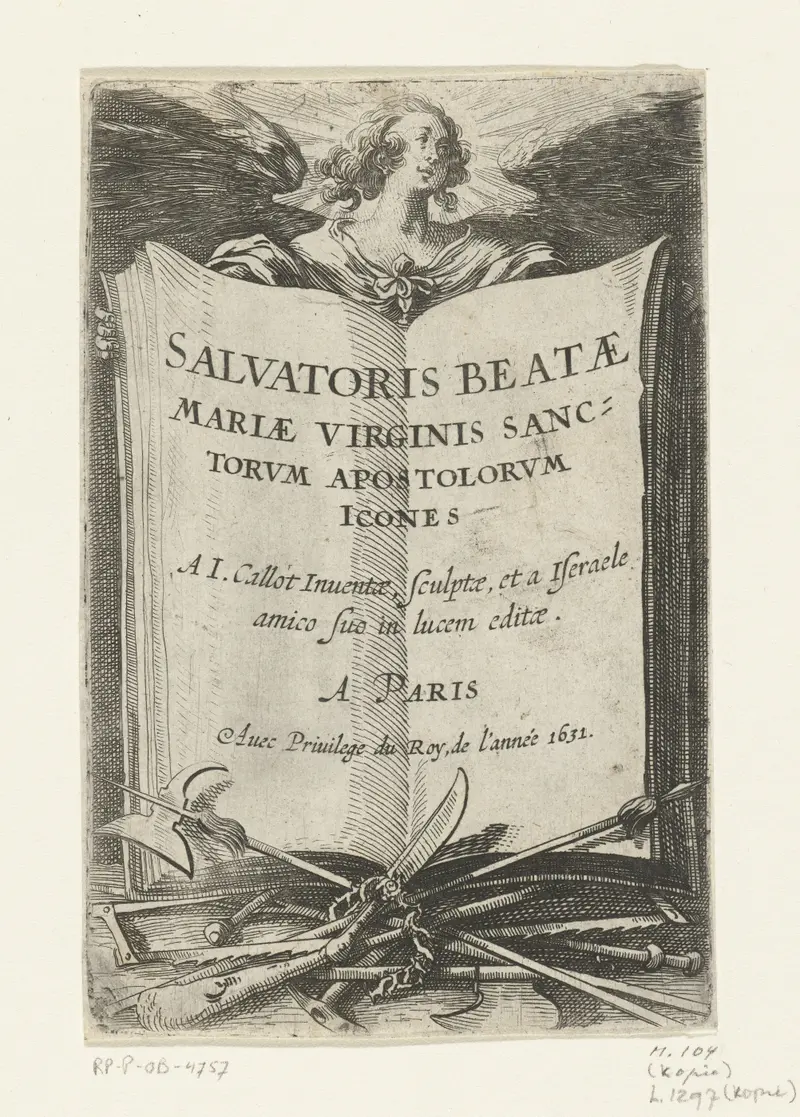
Titelprent voor de prentreeks 'De grote apostelen' (Christus, Maria en de apostelen)
Jacques Callot

Kruisoprichting
Jacques Callot
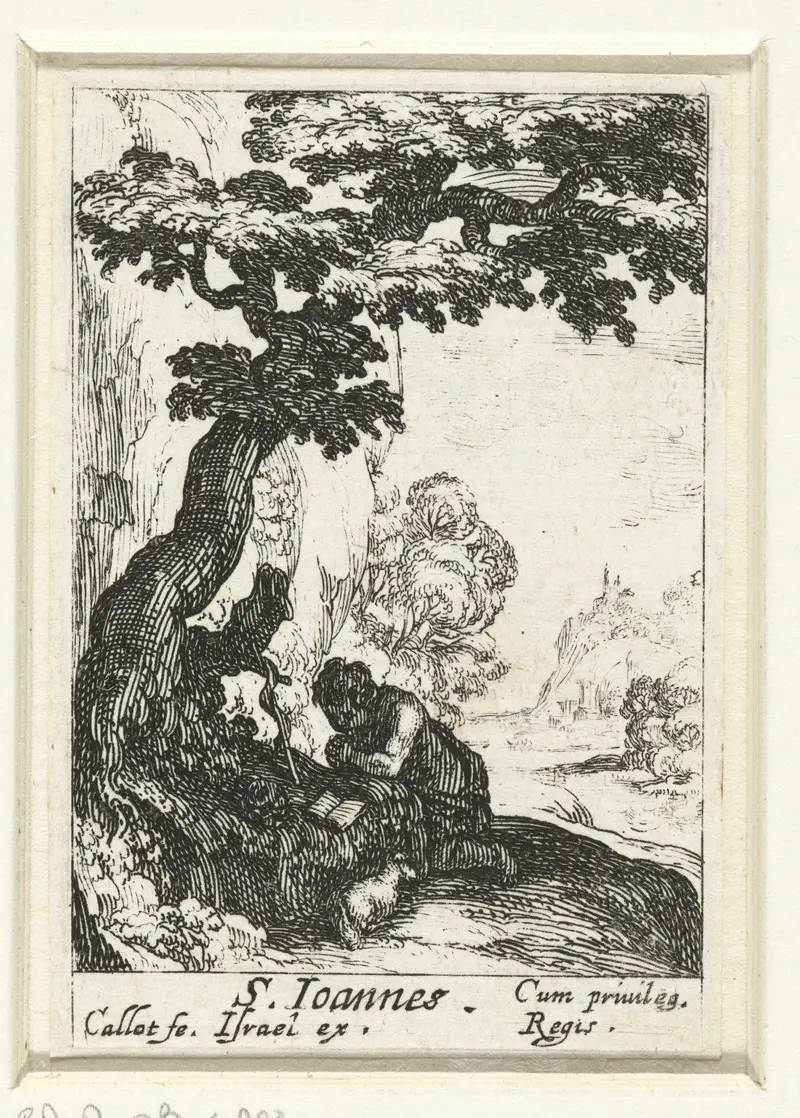
De boetvaardige Johannes de Doper
Jacques Callot





