
Pilatus toont Christus aan het volk (Ecce Homo) — History & Facts
Is this a mirror — or a memory? In Ecce Homo, the viewer is drawn into an intricate interplay of ecstasy and despair that reverberates through time, evoking a powerful emotional resonance. Observe the central figure of Christ, his visage filled with a poignant mixture of resignation and grace. Look to the right at the crowd's reaction; their faces are painted with a spectrum of emotions, ranging from indifference to fervent passion. Notice how the light falls upon Christ, illuminating his suffering while shadows deepen the expressions of those around him, revealing the stark contrast between the divine and the ordinary. The masterful use of color—warm earth tones juxtaposed with chilling whites and blues—amplifies the tension within the scene.
The folds of Christ's garment appear almost alive, suggesting a movement that transcends the static nature of the canvas. In this moment, the crowd embodies collective human experience: their varied reactions echo the spectrum from ecstasy to hatred, hinting at the tumultuous emotions religion can evoke. The artist masterfully captures the weight of impending sacrifice, making each character an integral part of this visceral narrative. Jacob Cornelisz van Oostsanen painted Ecce Homo in 1517 during a time when religious themes dominated European art.
Working in Haarlem, he was influenced by both the late Gothic style and the emerging Renaissance ideals. This period was marked by significant religious upheaval, making his portrayal of this biblical moment resonate deeply with contemporary audiences grappling with faith and identity.
More Artworks by Jacob Cornelisz van Oostsanen
Browse all →
De hemelvaart en Christus voor God de Vader
Jacob Cornelisz van Oostsanen
Het hostiewonder van Amsterdam
Jacob Cornelisz van Oostsanen
The Adoration of the Christ Child
Jacob Cornelisz van Oostsanen
Vlucht naar Egypte
Jacob Cornelisz van Oostsanen
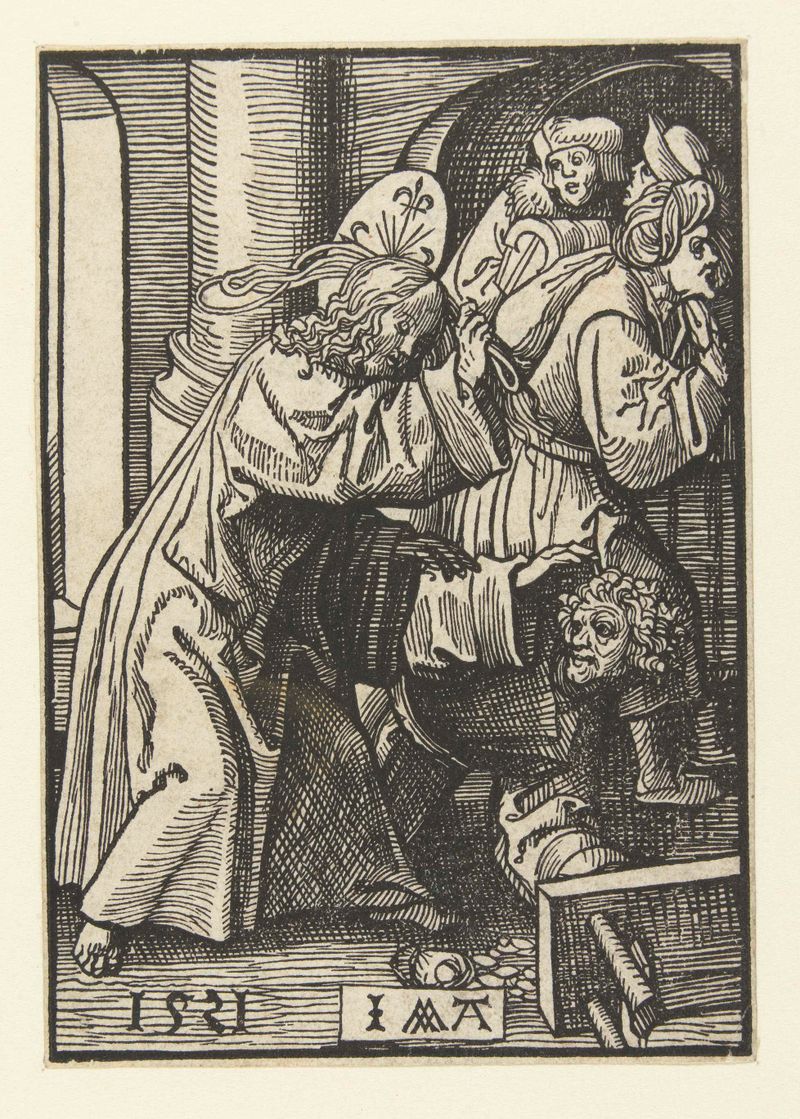
Verdrijving van de handelaren uit de tempel
Jacob Cornelisz van Oostsanen
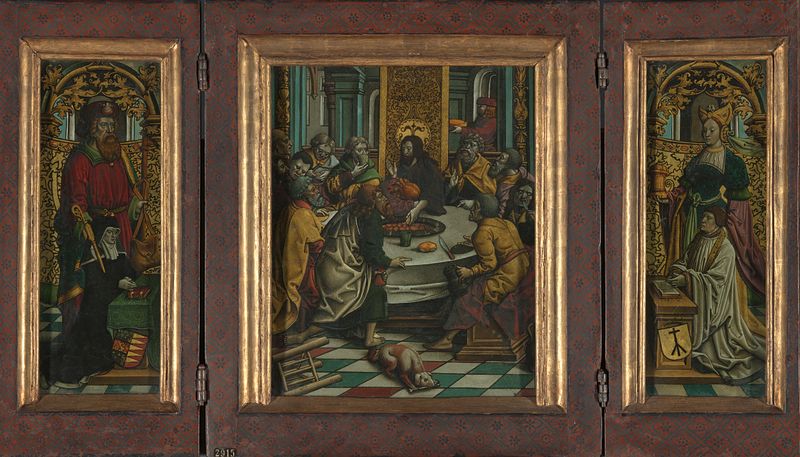
Triptych with the Last Supper and Donors
Jacob Cornelisz van Oostsanen
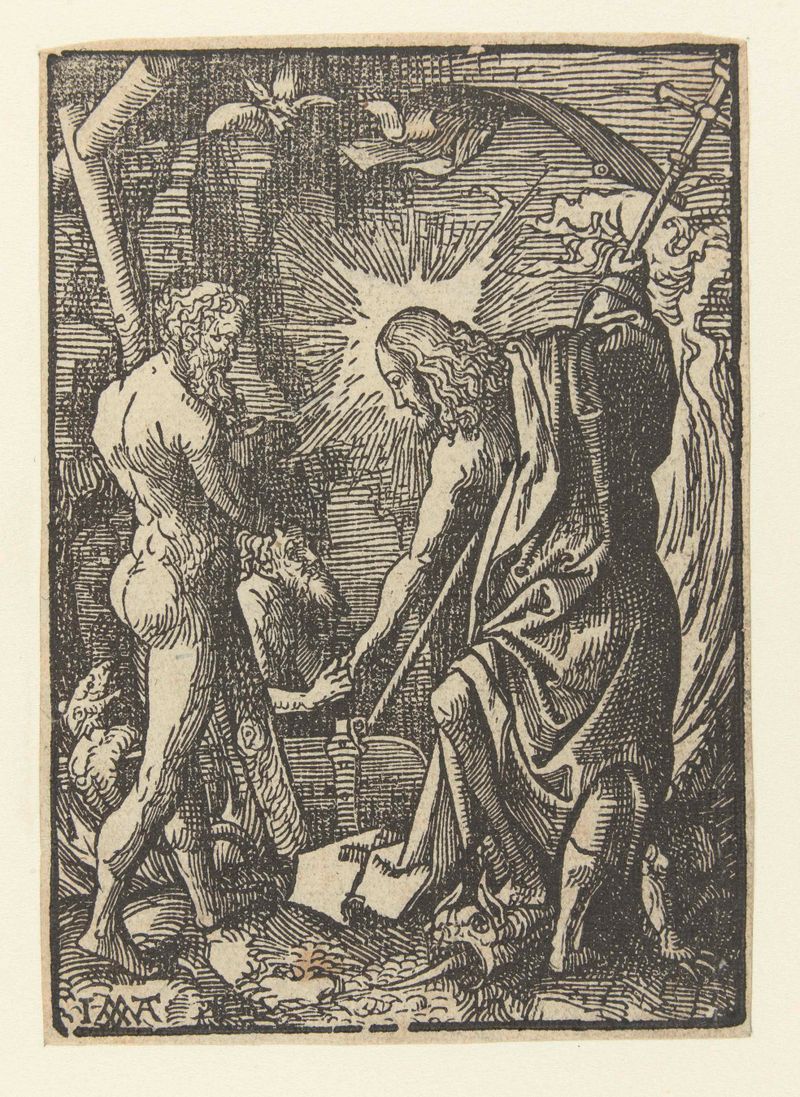
Christus in het voorgeborchte
Jacob Cornelisz van Oostsanen
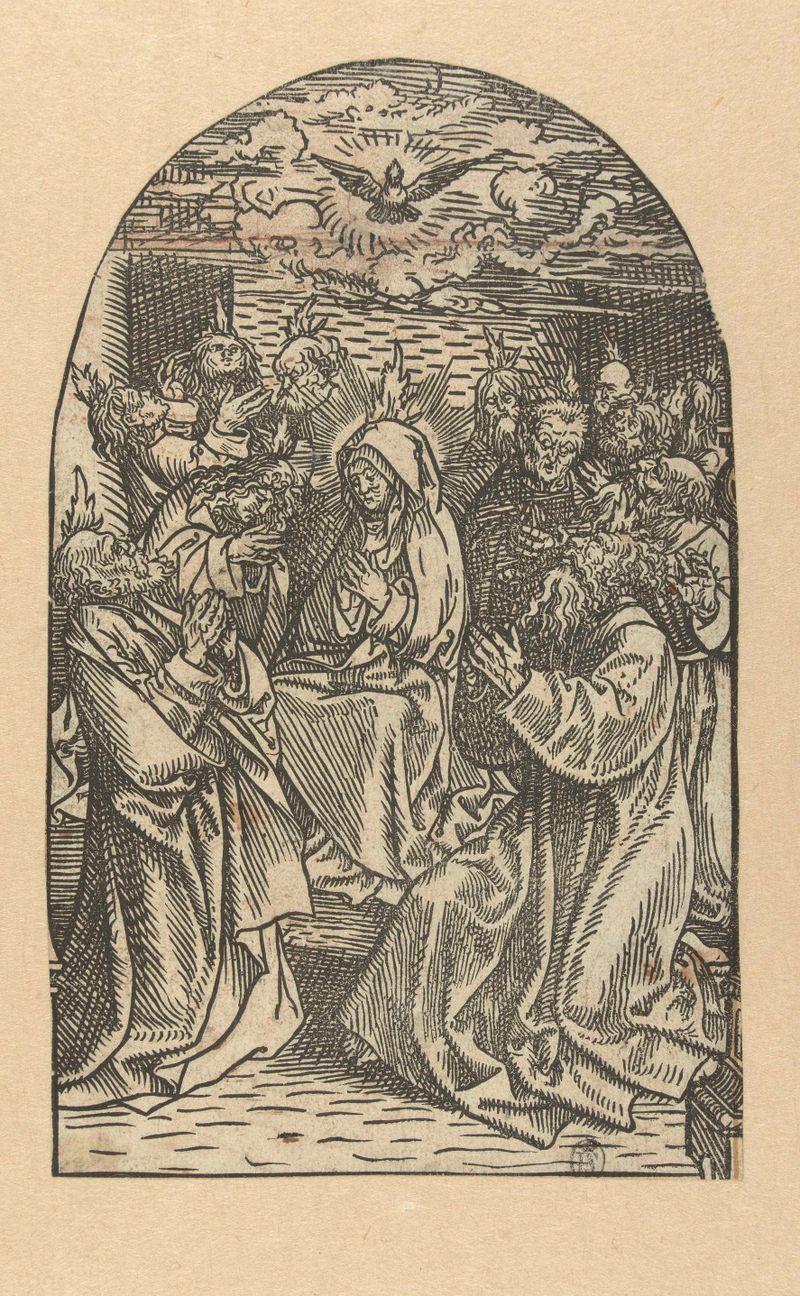
Uitstorting van de Heilige Geest
Jacob Cornelisz van Oostsanen
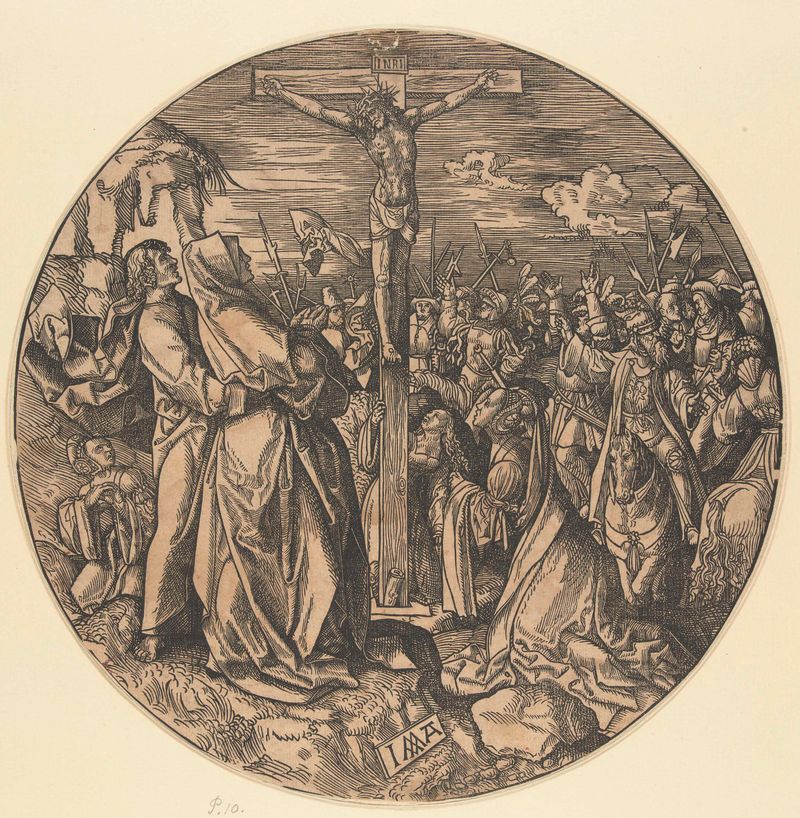
Christus aan het kruis
Jacob Cornelisz van Oostsanen

De kruisiging en de graflegging van Christus
Jacob Cornelisz van Oostsanen
More Religious Art
Browse all →
The Return of the Prodigal Son
Rembrandt van Rijn

The Garden of Earthly Delights
El Bosco

Count Orgaz’ funeral
El Greco

The Hundred Guilder Print: the central piece with Christ preaching, the plate arched
Rembrandt van Rijn

The Descent from the Cross
Rogier van der Weyden

The return of the prodigal son
Rembrandt van Rijn