
Pilatus toont Christus aan het volk (Ecce Homo), Izabel bedreigt Elia en de Babyloniërs eisen Daniëls dood. — History & Facts
Can paint confess what words never could? In Ecce Homo, chaos seeps through the meticulous brushstrokes, whispering tales of despair and defiance. Look to the center where the figure of Christ, adorned in mockery, stands poised yet vulnerable, eyes cast downward. The almost theatrical arrangement of figures around Him pulls us into the tumultuous heart of the scene, where light dances dramatically across the canvas, illuminating the tension etched into every face. Notice how the swirling garments of the onlookers capture the clamor of voices rising in judgment, their hues vibrating between bruised purples and deep reds, a visual cacophony that mirrors the emotional turmoil of the moment. In the background, a layered narrative unfolds—the stark contrast between the serene Christ and the frenzied crowd reveals a deeper commentary on faith and the brutality of scrutiny.
The artist skillfully juxtaposes the peacefulness of Christ’s expression with the chaotic posturing of the figures surrounding Him, evoking a sense of helplessness against the weight of societal pressure. Every detail, from the disdainful gestures of the accusers to the solemnity of the witnesses, speaks to the chaos of moral dilemmas faced by humanity. Jacob Cornelisz van Oostsanen created this powerful work between 1525 and 1530 in Holland, a period marked by religious upheaval and social strife. As the Reformation gained momentum, the artist grapples with themes of faith and betrayal, aiming to capture the throes of a world in tumult.
This painting stands as a testament not only to his skill but also to the pressing questions of identity and belief that resonated throughout Europe at the time.
More Artworks by Jacob Cornelisz van Oostsanen
Browse all →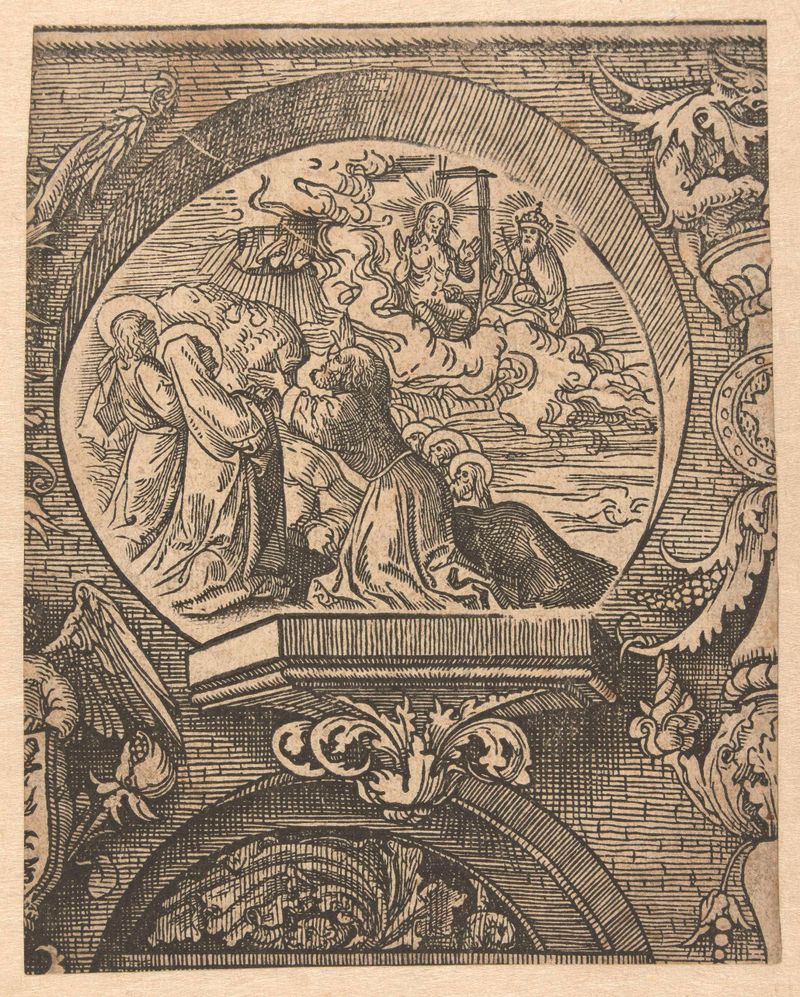
De hemelvaart en Christus voor God de Vader
Jacob Cornelisz van Oostsanen
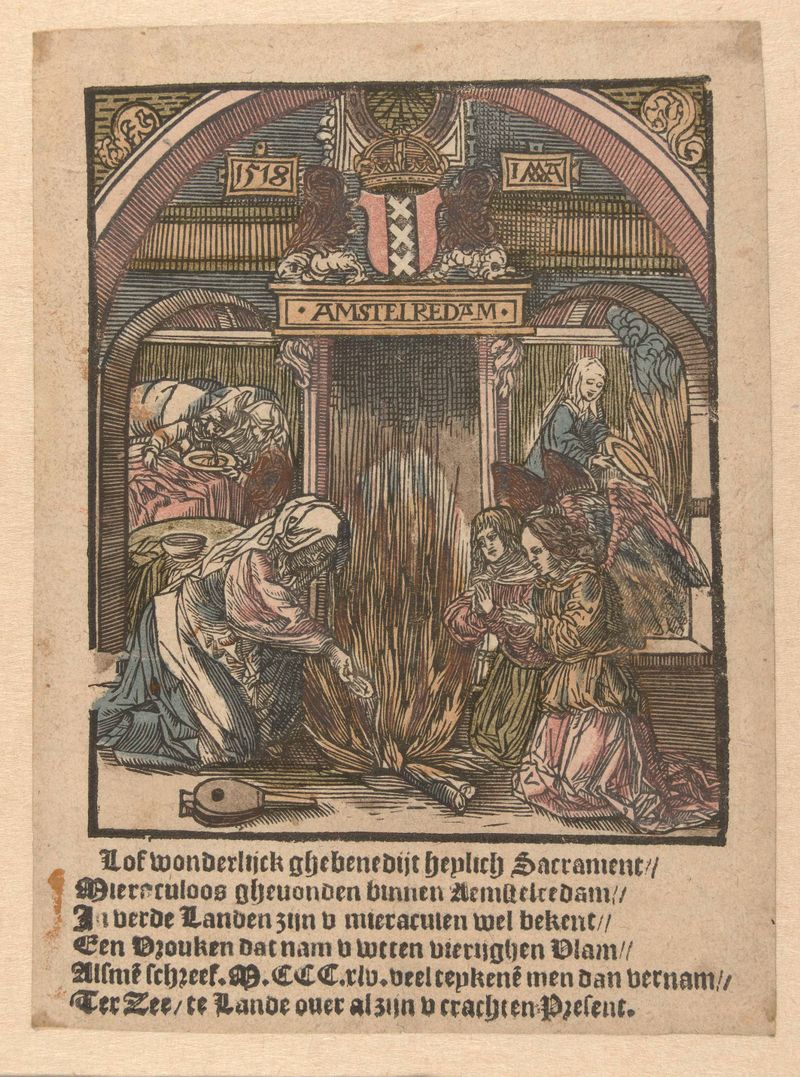
Het hostiewonder van Amsterdam
Jacob Cornelisz van Oostsanen
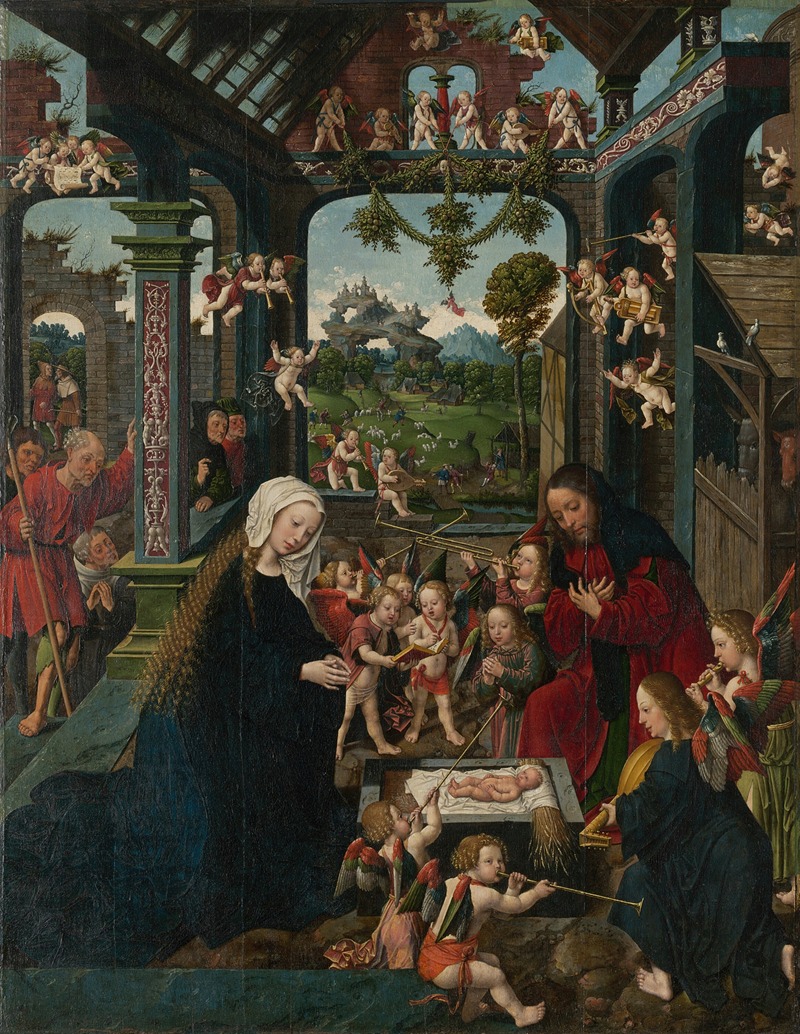
The Adoration of the Christ Child
Jacob Cornelisz van Oostsanen
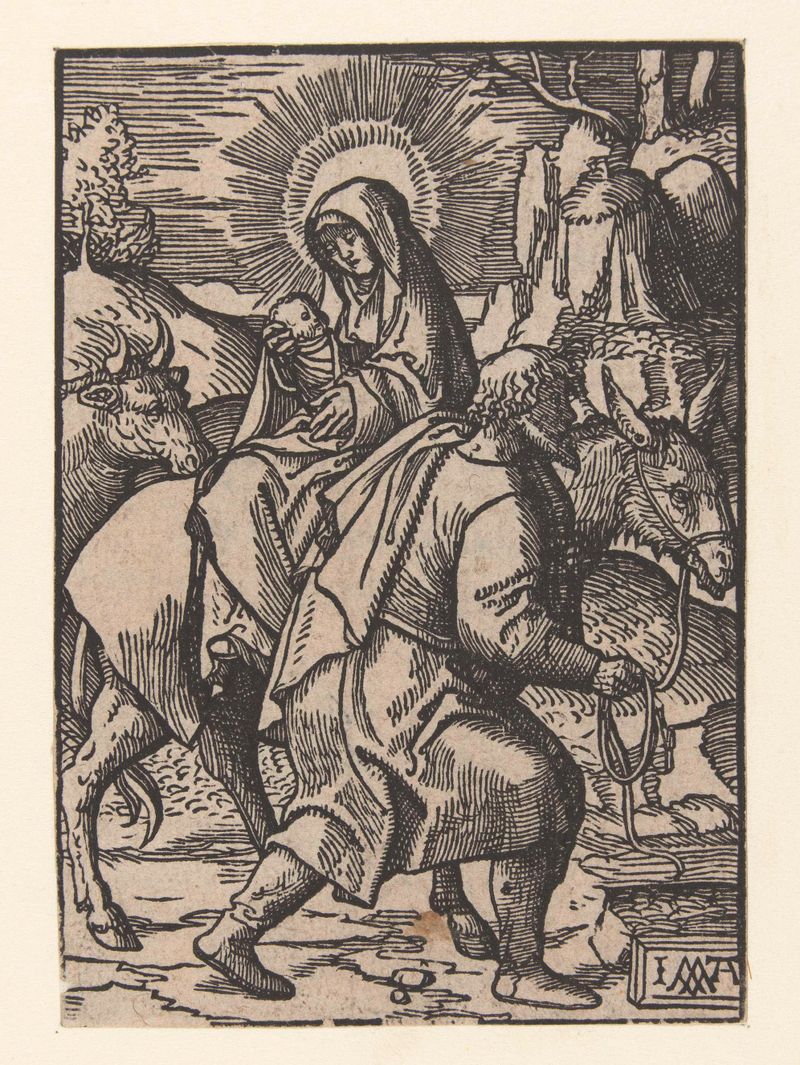
Vlucht naar Egypte
Jacob Cornelisz van Oostsanen
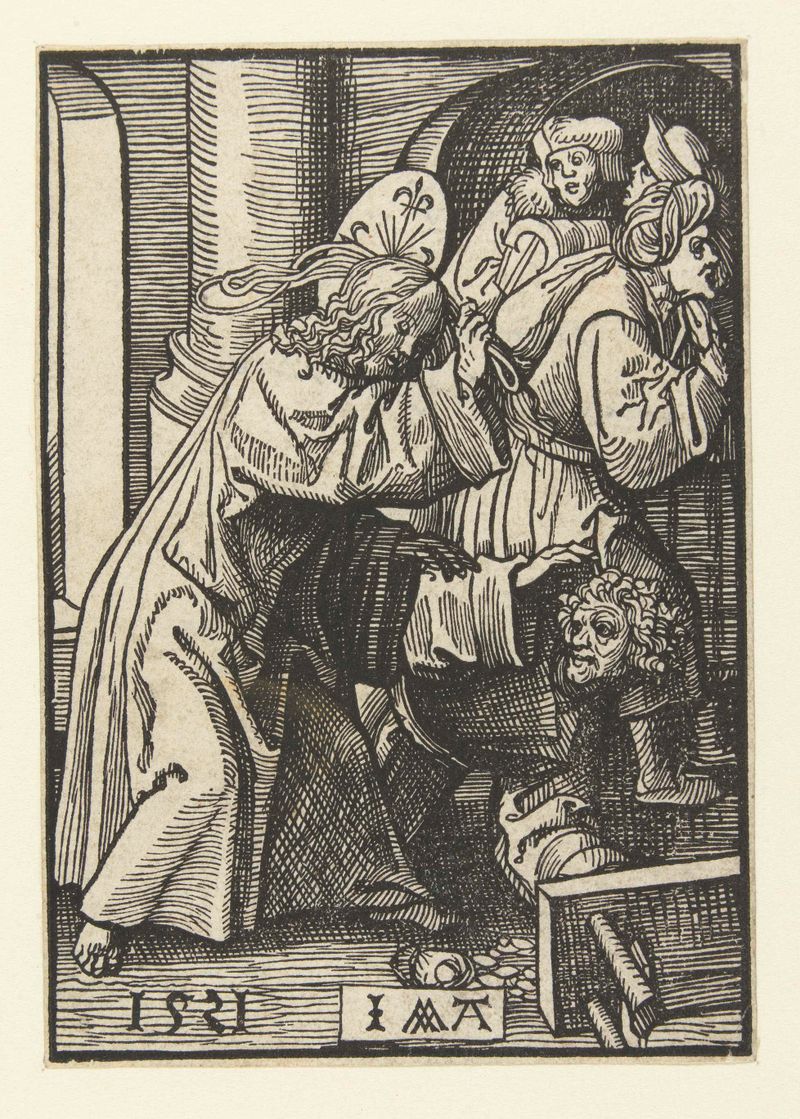
Verdrijving van de handelaren uit de tempel
Jacob Cornelisz van Oostsanen
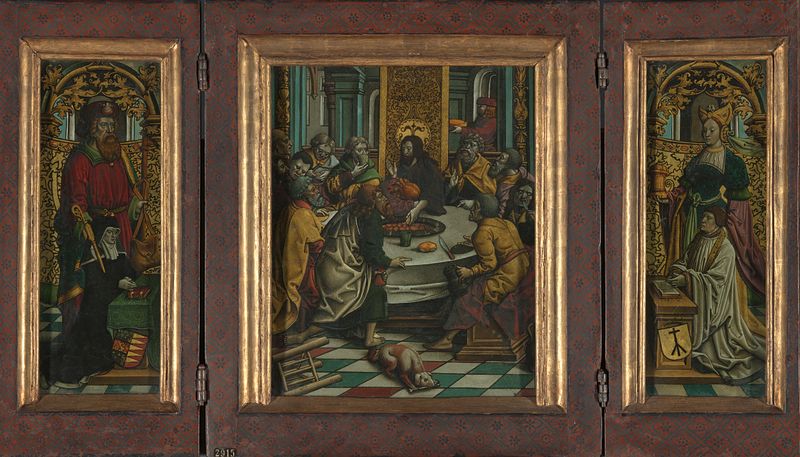
Triptych with the Last Supper and Donors
Jacob Cornelisz van Oostsanen
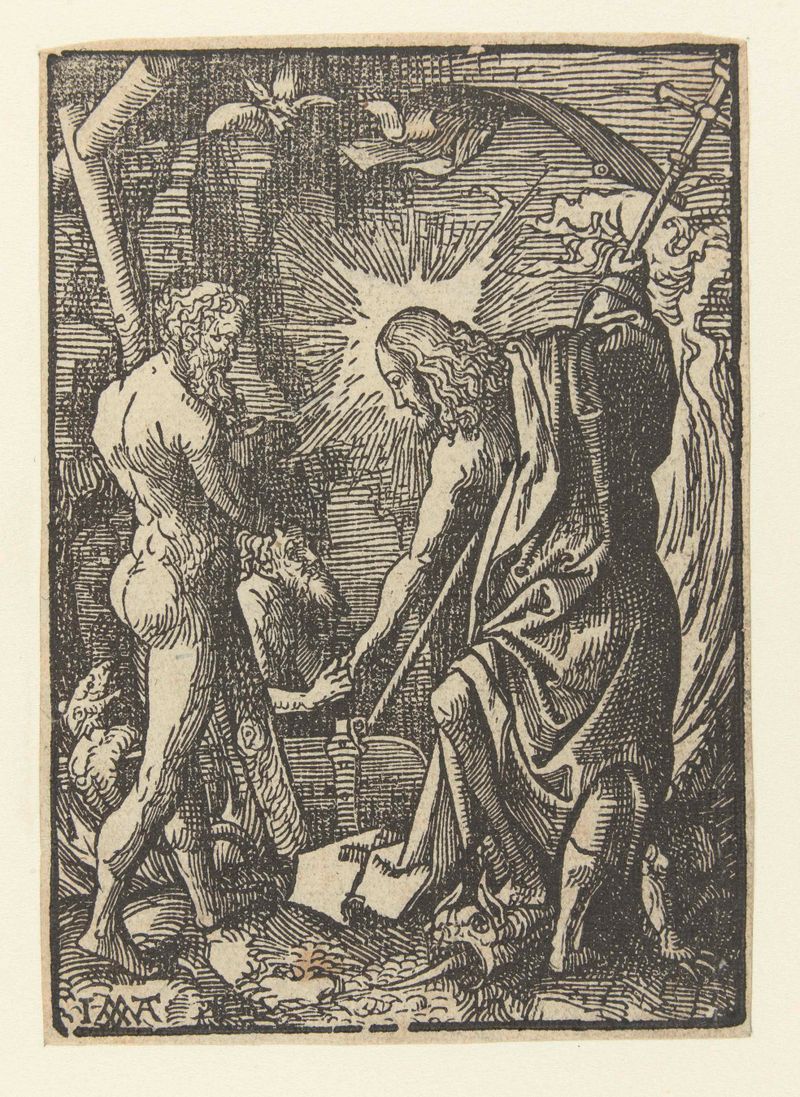
Christus in het voorgeborchte
Jacob Cornelisz van Oostsanen
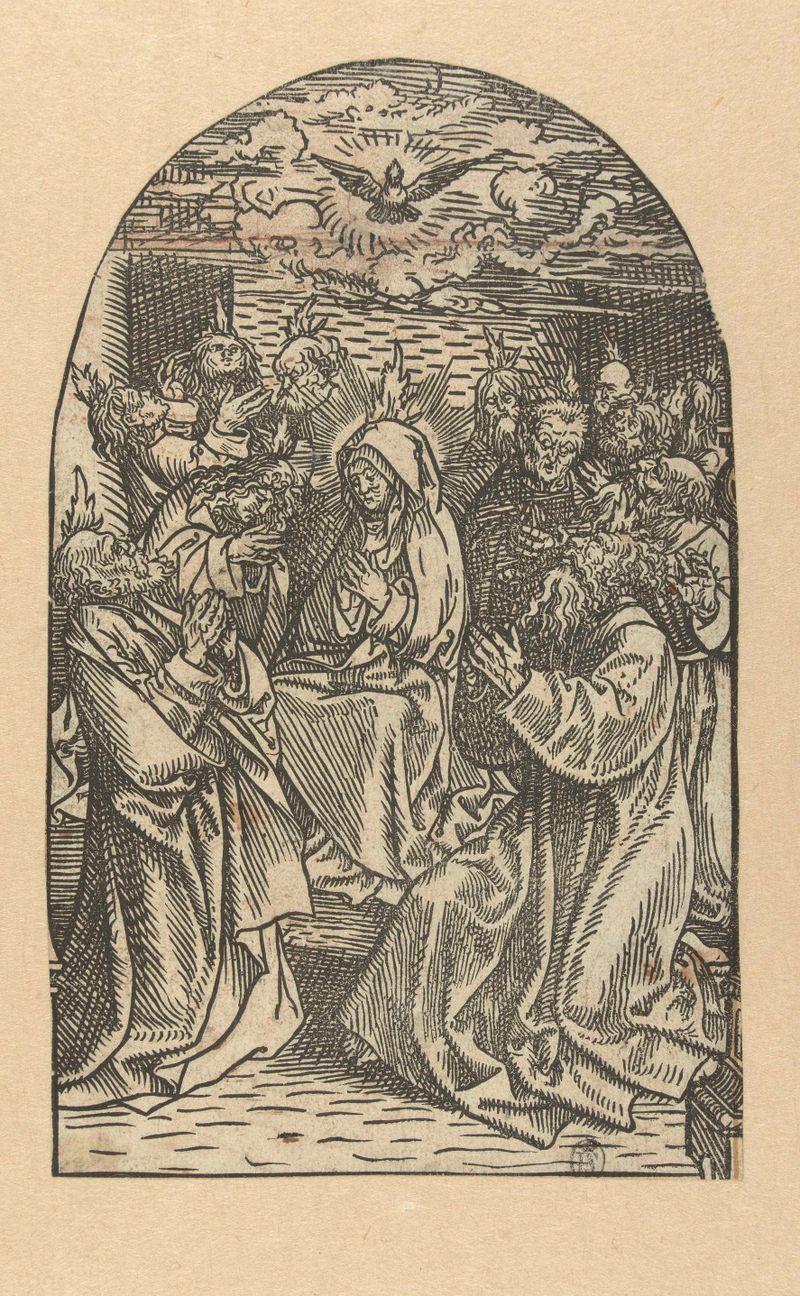
Uitstorting van de Heilige Geest
Jacob Cornelisz van Oostsanen
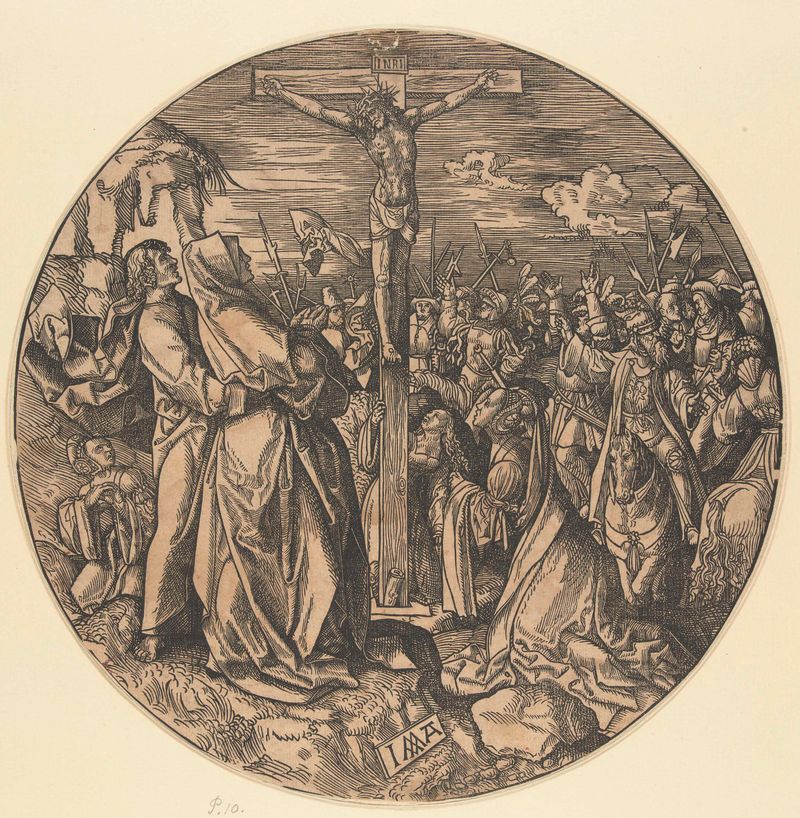
Christus aan het kruis
Jacob Cornelisz van Oostsanen

De kruisiging en de graflegging van Christus
Jacob Cornelisz van Oostsanen
More Religious Art
Browse all →
The Return of the Prodigal Son
Rembrandt van Rijn

The Garden of Earthly Delights
El Bosco

Count Orgaz’ funeral
El Greco

The Hundred Guilder Print: the central piece with Christ preaching, the plate arched
Rembrandt van Rijn

The Descent from the Cross
Rogier van der Weyden

The return of the prodigal son
Rembrandt van Rijn