
Pine — History & Facts
Is this a mirror — or a memory? In a world where time blurs like shadows on a canvas, reflection can evoke both presence and absence. Focus on the delicate interplay of light and shadow that dances across the surface of the painting. The pine tree stands at the center, its dark silhouette contrasting against the ethereal background. Notice how the artist employs a palette of muted greens and browns, imbuing the scene with a sense of calm yet melancholic nostalgia.
Look closely at the edges; the soft brushwork hints at movement, blurring the boundaries between reality and imagination, inviting the viewer to linger in contemplation. As you explore further, you’ll uncover layers of emotional tension. The solitary tree may symbolize resilience amidst solitude, evoking a quiet strength that belies its slender form. The shadows stretching beneath it seem to whisper secrets of the past, suggesting a hidden narrative that unfolds beyond the frame.
Each stroke reveals the duality of existence — the interplay of light signifies hope, while the shadows remind us of what is lost. During the years between 1927 and 1932, the artist created this piece amid a transformative period in Czechoslovakia. The backdrop of post-war uncertainty and the rise of new artistic movements influenced his approach, blending realism with emotional depth. In this context, Pine becomes not just a representation of nature, but a poignant reflection of the artist's inner landscape, encapsulating both personal and collective experiences.
More Artworks by Ľudovít Čordák
Browse all →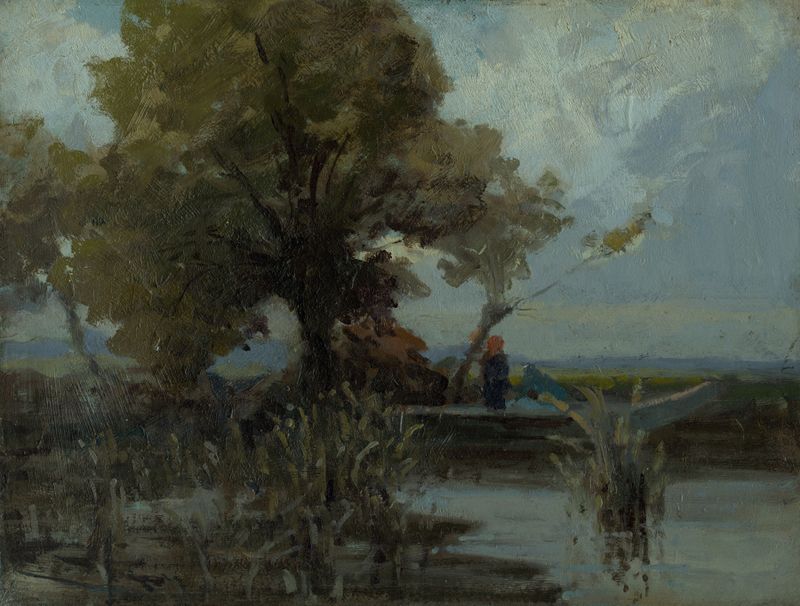
Košatý strom pri jazere
Ľudovít Čordák
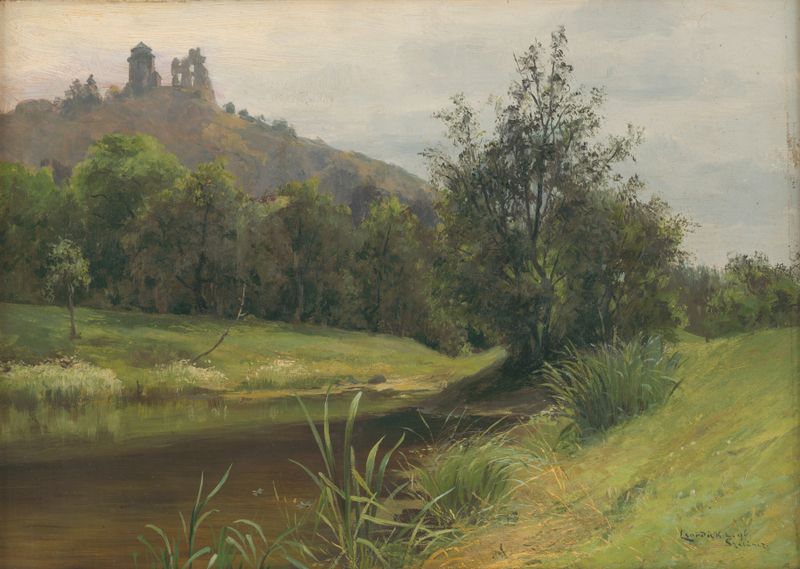
Močarina pod Slaneckým hradom
Ľudovít Čordák
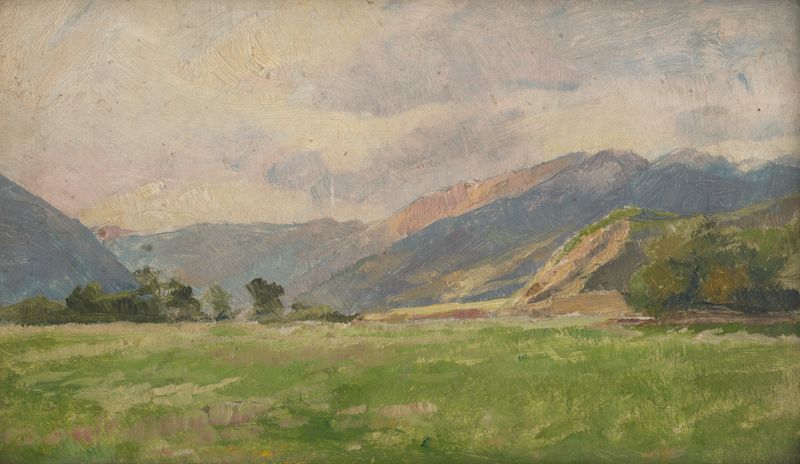
Mountain Meadow
Ľudovít Čordák
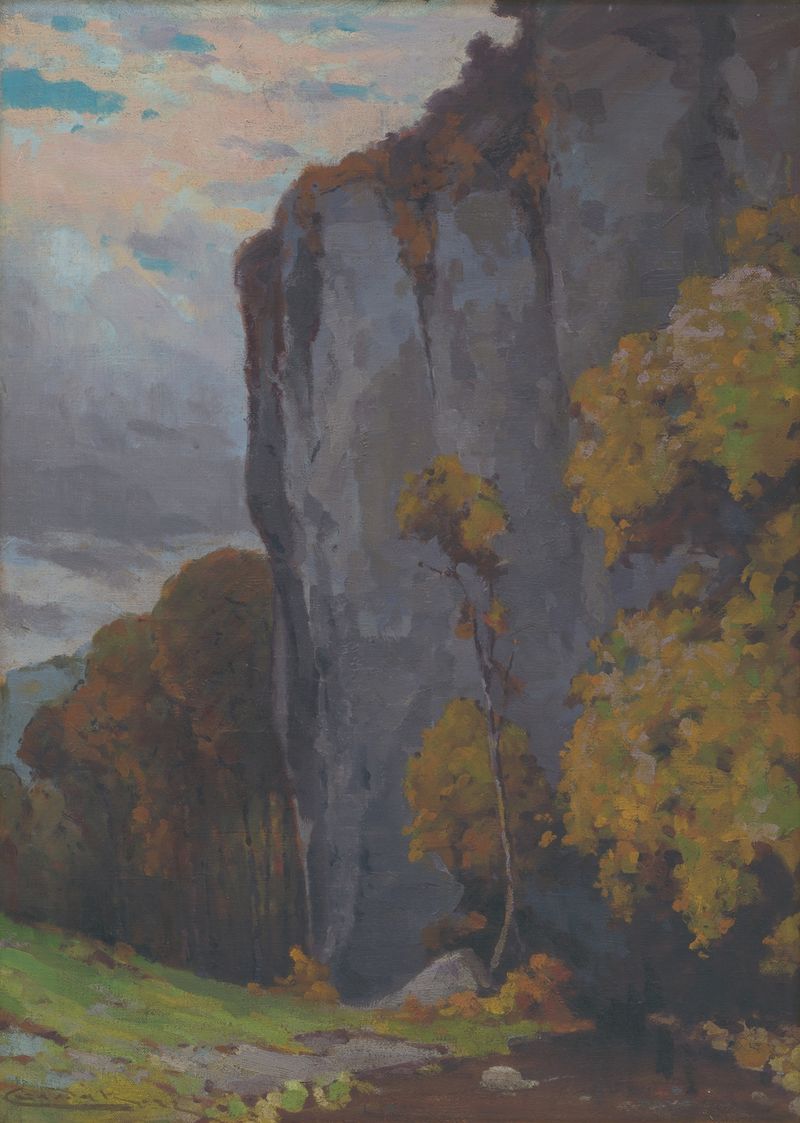
Zádiel
Ľudovít Čordák
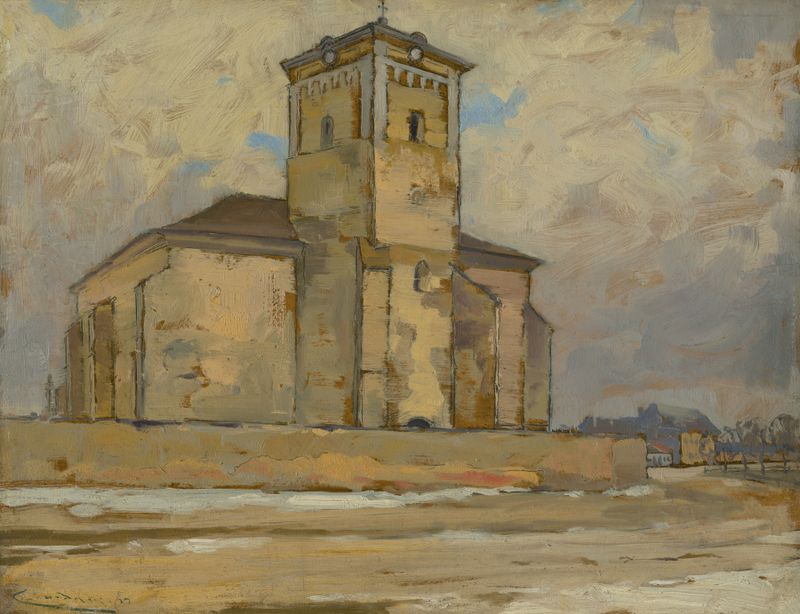
Church in Moldova
Ľudovít Čordák
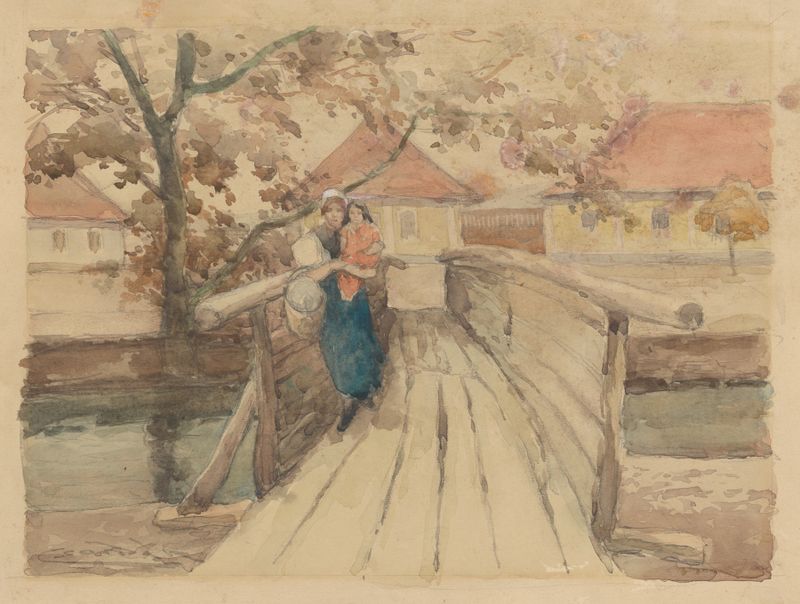
Wooden bridge
Ľudovít Čordák
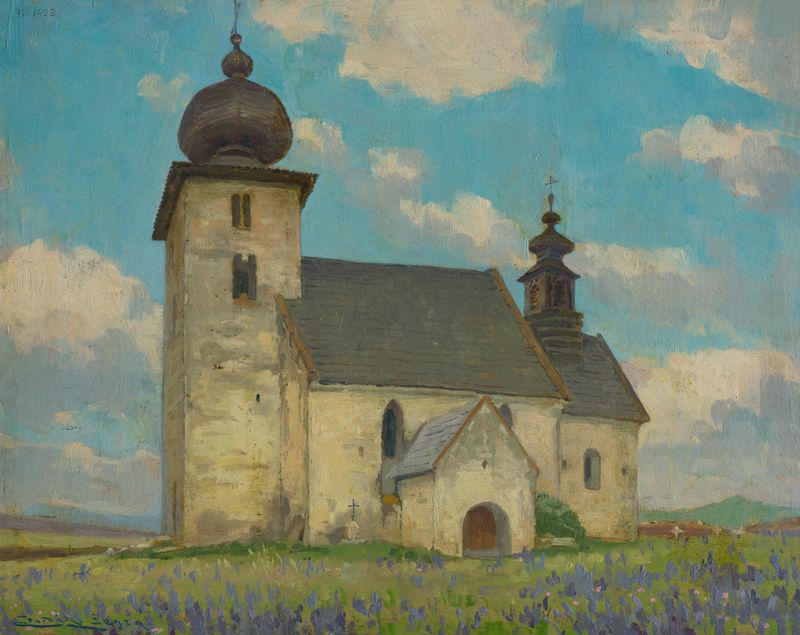
Gothic church in Žehra
Ľudovít Čordák
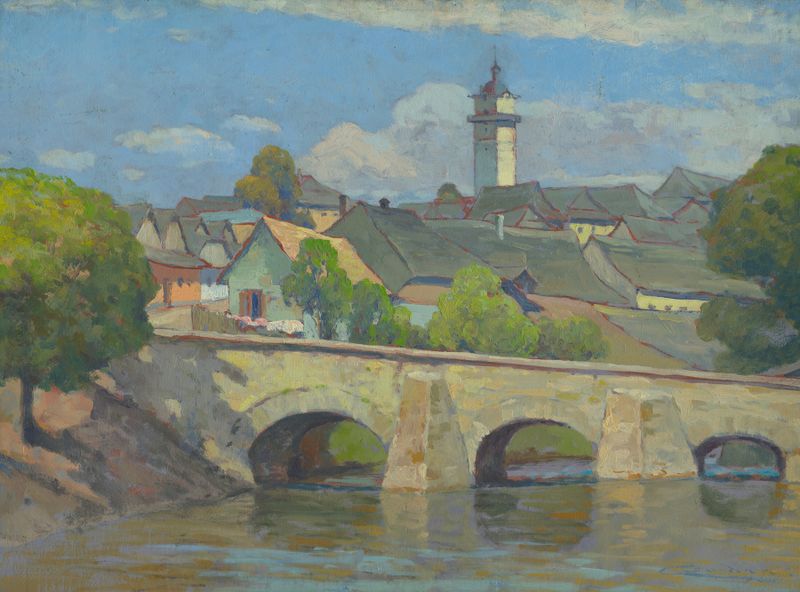
A small town in Spiš
Ľudovít Čordák
At Sunset
Ľudovít Čordák
Forest
Ľudovít Čordák





