
Place de Palud in Lausanne — History & Facts
What secret hides in the quiet of the canvas? In Place de Palud in Lausanne, a palpable sense of nostalgia lingers in the air, inviting the viewer to ponder the memories that dwell within this serene urban landscape. Look to the left at the delicate play of light filtering through the trees, casting gentle shadows on the cobblestone path. Notice how the artist meticulously arranges the buildings, their soft tones harmonizing with the lush greenery. The palette is a tender blend of earth tones and pastels, evoking a sense of calm while drawing your gaze towards the fountain at the center, a silent witness to the life that flows around it. As you examine the details, observe the figures that populate this scene, each lost in their own thoughts, embodying a serene solitude amidst the bustling life of the city.
The juxtaposition of the still water in the fountain with the dynamic presence of the pedestrians creates an emotional tension—capturing both the vibrancy of life and the introspective silence that accompanies it. This duality speaks to the universal experience of memory, where the past and present coexist in quiet reflection. Adalbert Stifter painted Place de Palud in Lausanne between 1836 and 1839 during a period marked by his deep appreciation for nature and the nuances of everyday life. At this time, he was emerging as a prominent figure in Austrian landscape painting, influenced by the Romantic ideals that emphasized emotional depth and individual perception.
The work reflects his desire to encapsulate fleeting moments in time, inviting the viewer to engage with their own memories amidst the tranquil beauty of this Swiss square.
More Artworks by Adalbert Stifter
Browse all →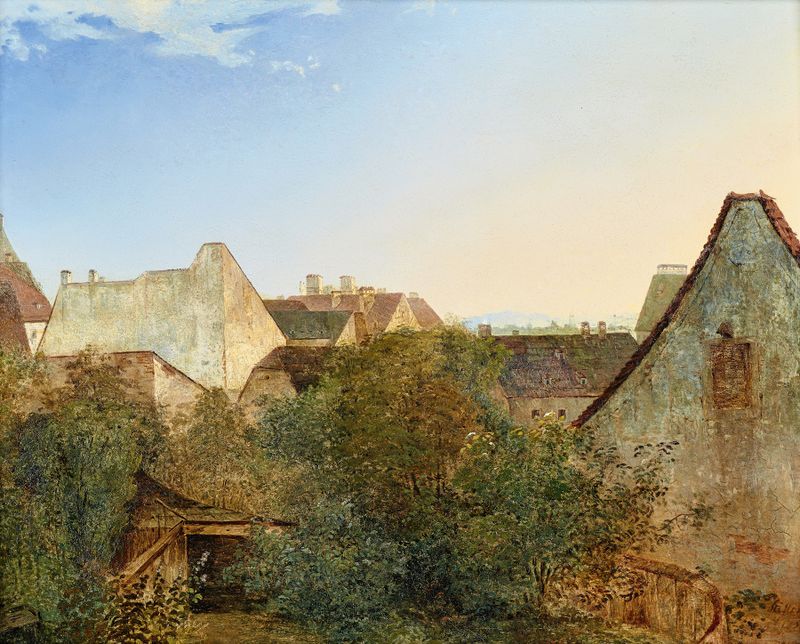
Blick über Wiener Vorstadthäuser (Beatrixgasse)
Adalbert Stifter
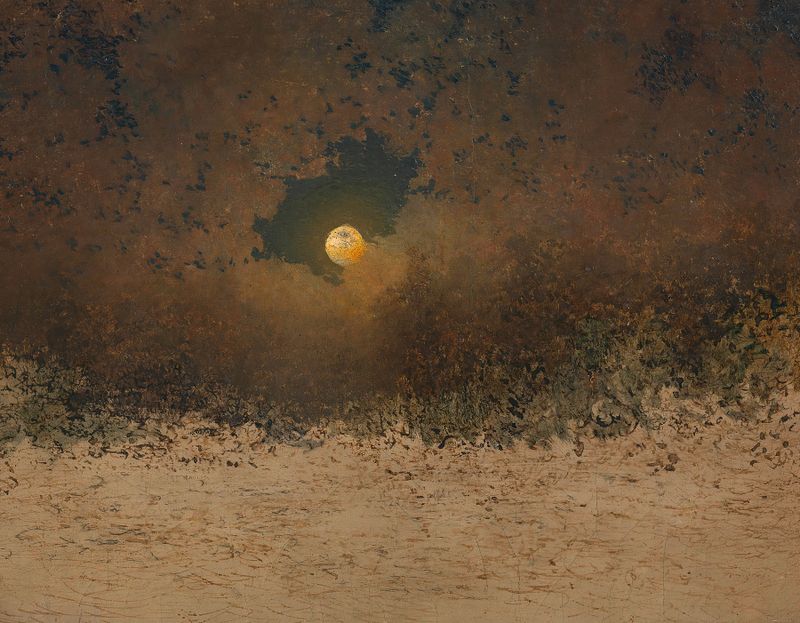
Mondlandschaft mit bewölktem Himmel
Adalbert Stifter
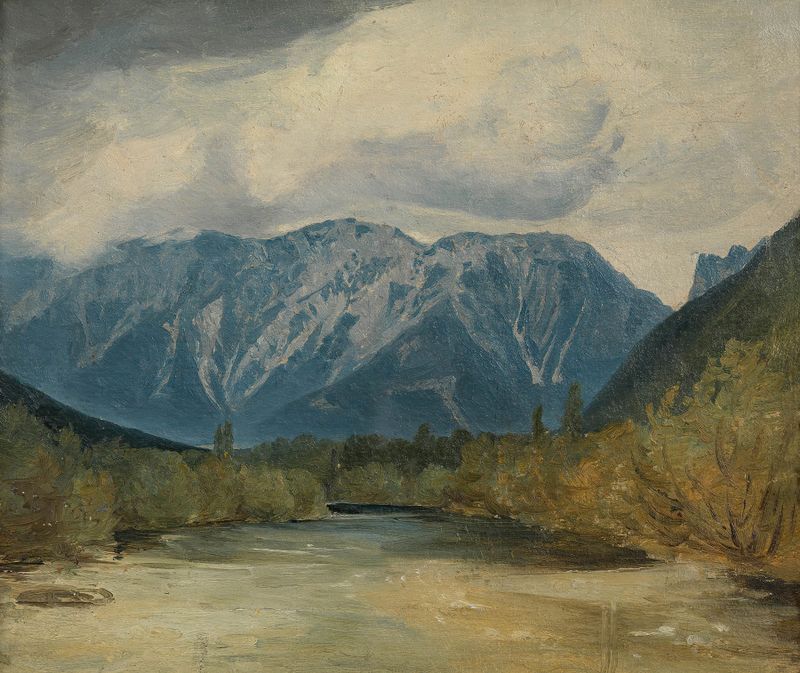
Die Rax in Niederösterreich
Adalbert Stifter
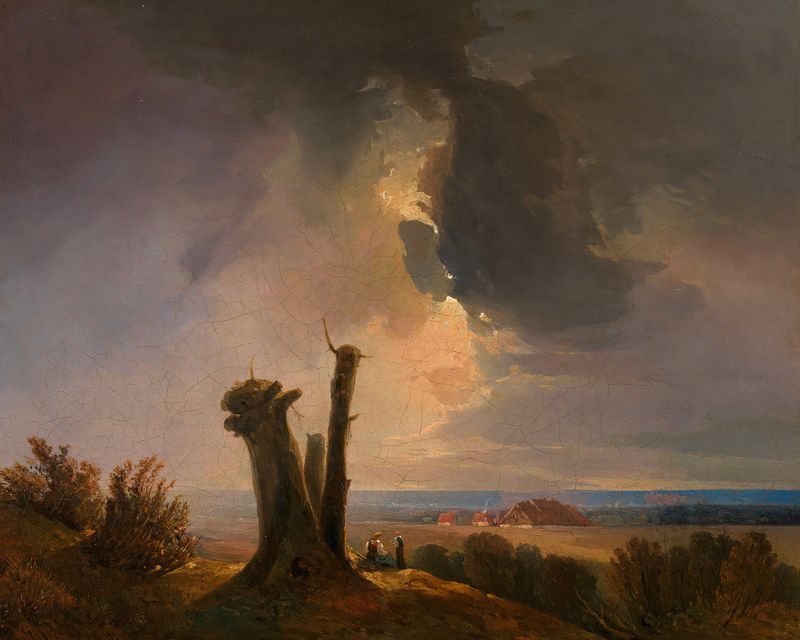
Westungarische Landschaft – Blick vom Leithagebirge
Adalbert Stifter
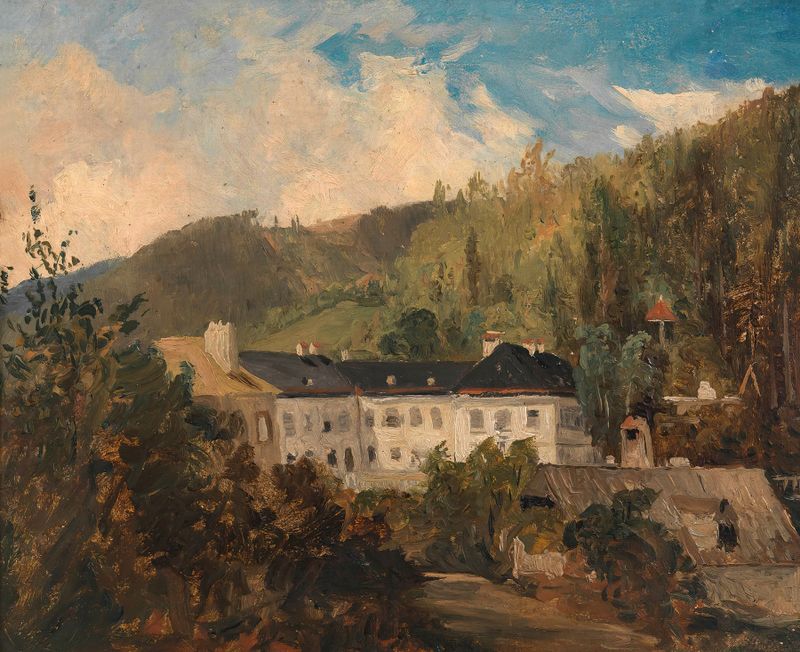
Motiv aus Neuwaldegg
Adalbert Stifter
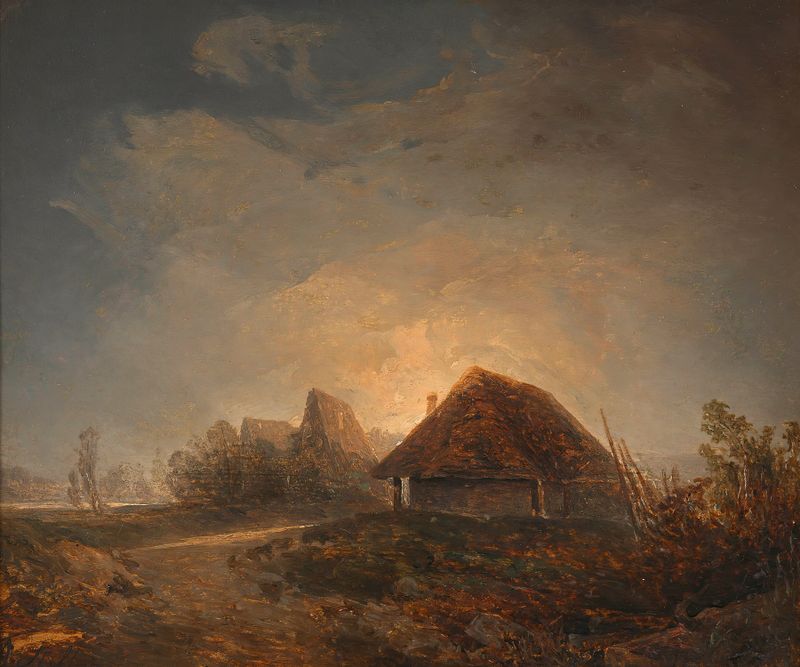
Westungarische Landschaft mit Hütten und aufgehendem Mond
Adalbert Stifter
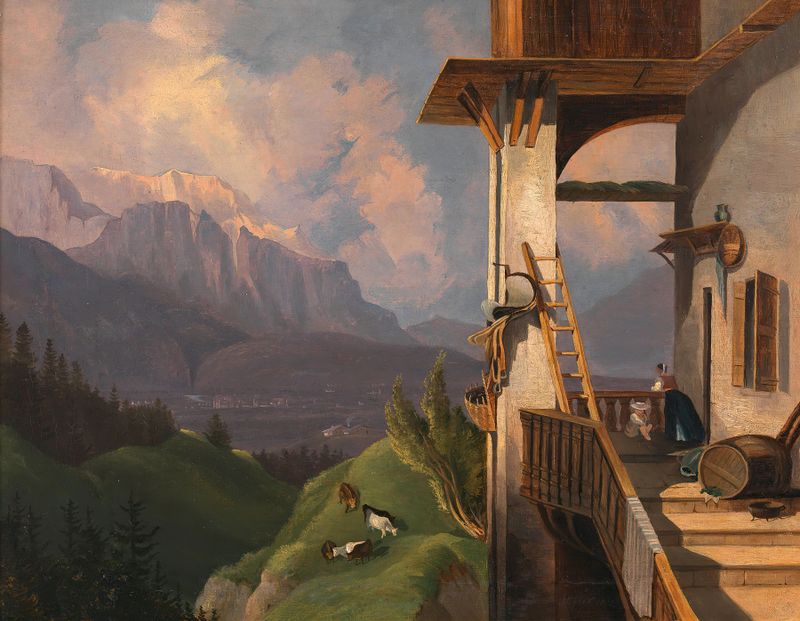
Innsbruck mit der Nordkette
Adalbert Stifter
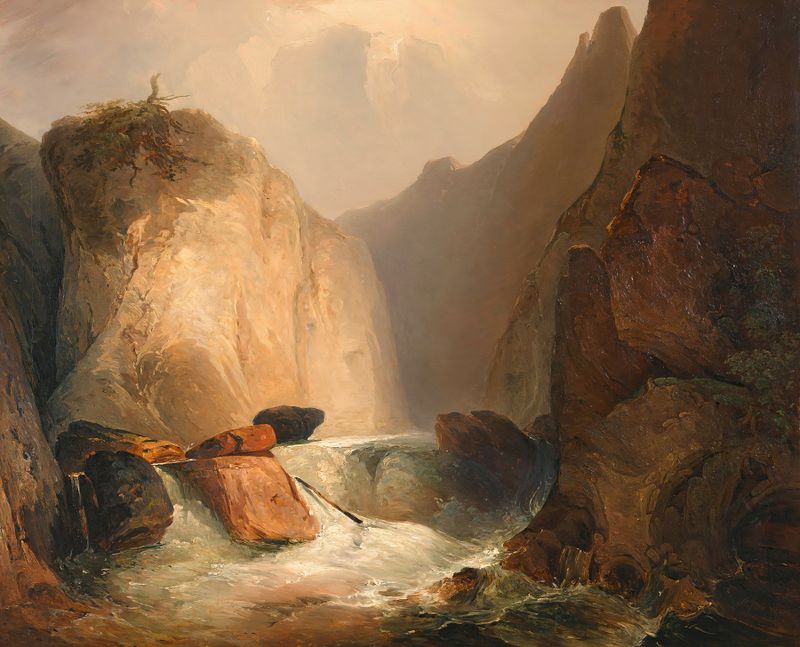
Felspartie – Moldauenge bei Hohenfurt
Adalbert Stifter
Im Gosautal (Oberösterreich)
Adalbert Stifter
Der Sarstein bei Alt-Aussee
Adalbert Stifter





