
Polonia II — History & Facts
When Polonia II was first exhibited in 1861, it caused an immediate stir in Warsaw, where public gatherings and displays of patriotism were strictly monitored by the Russian authorities. The painting arrived at a moment of simmering unrest, just two years before the January Uprising against Russian rule. Viewers recognized in it not only a work of art, but a coded call for national solidarity—a dangerous gesture at a time when Polish identity itself was under threat.
The authorities reportedly considered confiscating the painting, but it survived, passing quietly from hand to hand among Polish patriots. At the heart of Polonia II, Jan Matejko captures a somber procession of chained Polish patriots, freshly sentenced after the failed 1861 demonstrations. The central figure, a woman in mourning black, personifies Poland herself—her head bowed, hands bound, flanked by fellow captives. The heavy chains are not only literal but symbolic, representing the bondage of the nation under foreign rule.
Matejko’s use of shadow and muted color intensifies the mood of grief and endurance. Unlike Delacroix’s Liberty Leading the People, which surges with revolutionary energy, this painting is quiet, its heroism found in suffering and solidarity rather than victory. The precise medium of Polonia II remains uncertain, but it is thought to be oil on canvas, typical of Matejko’s practice. The painting’s early history is shrouded in secrecy, reflecting the dangers of patriotic art in partitioned Poland.
It passed through private collections before entering public view in the late 19th century, by which time Matejko was recognized as the chronicler of Poland’s national drama. Today, Polonia II stands as a testament to art’s power to sustain hope and memory, and it remains one of the most moving works from the artist’s early career.
More Artworks by Jan Matejko
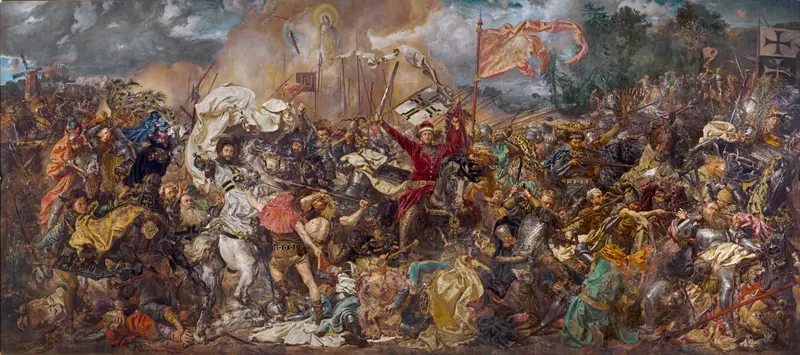
Battle of Grunwald
Jan Matejko

Stańczyk
Jan Matejko

Battle of Raclawice
Jan Matejko
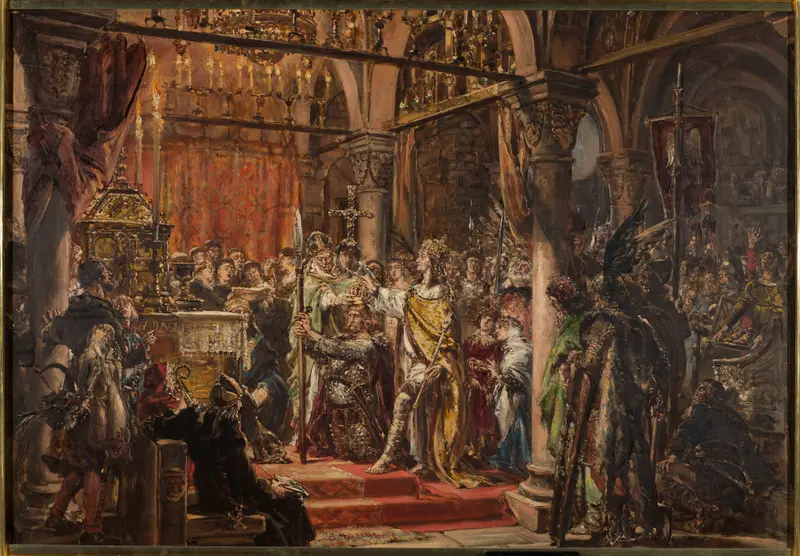
Coronation of the First King, 1001 AD, from the series “History of Civilization in Poland”
Jan Matejko
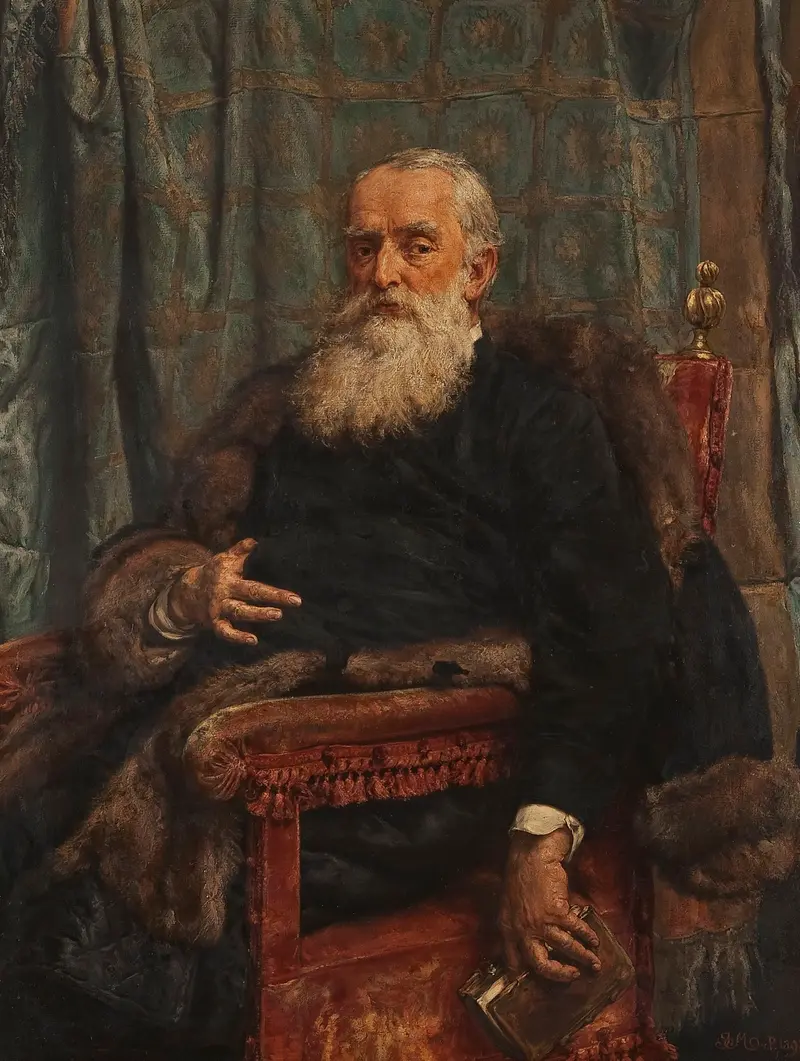
Portrait of Henryk Krajewski
Jan Matejko
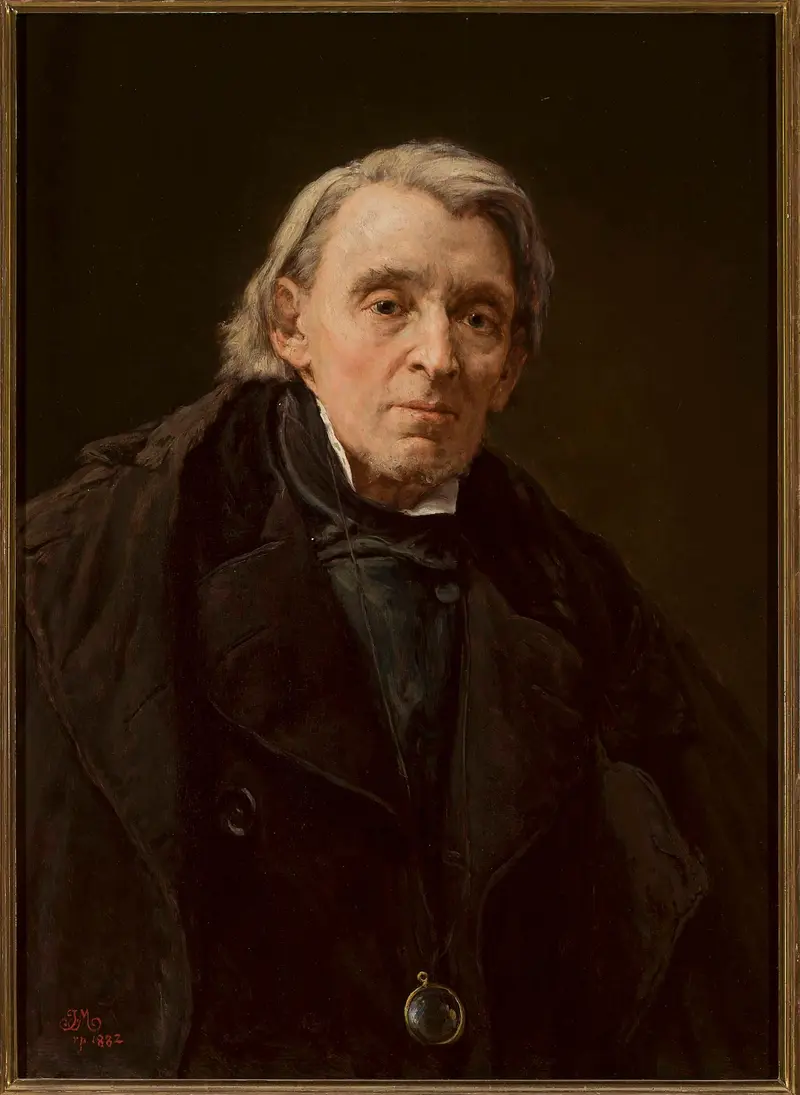
Portrait of Karol Podlewski
Jan Matejko
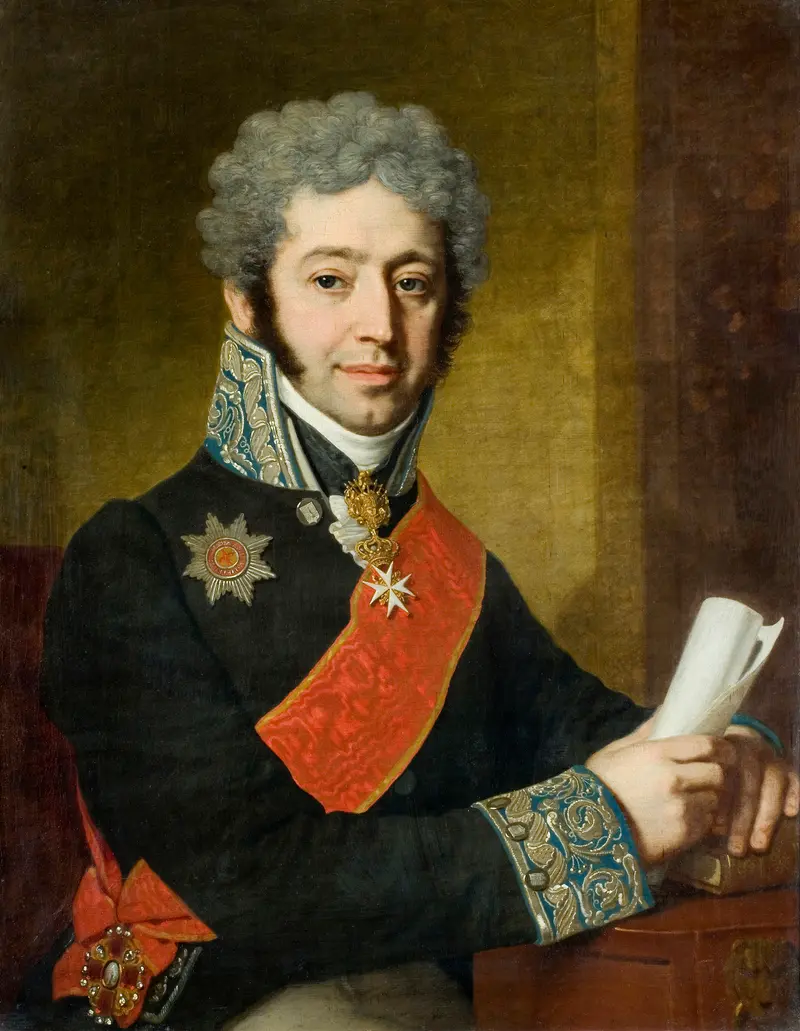
Portrait of Potocki and Poninski
Jan Matejko
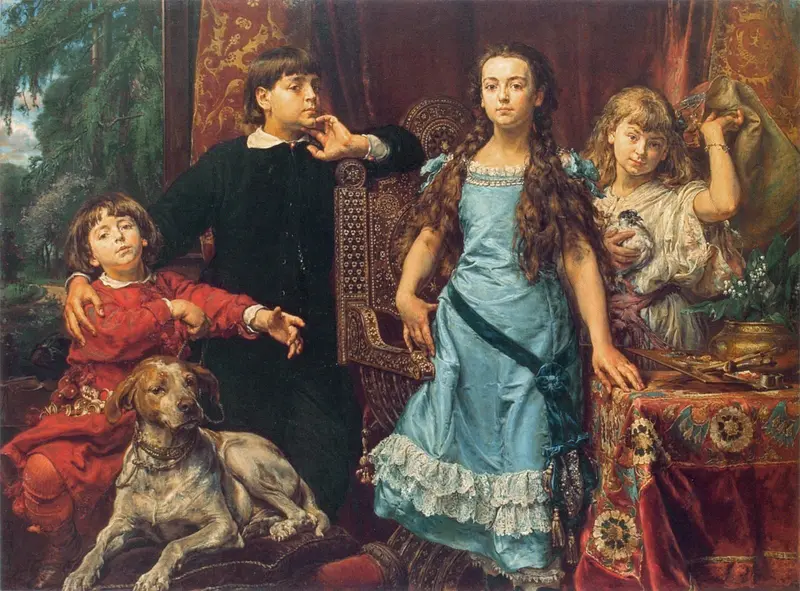
Portrait of the artist's four children
Jan Matejko
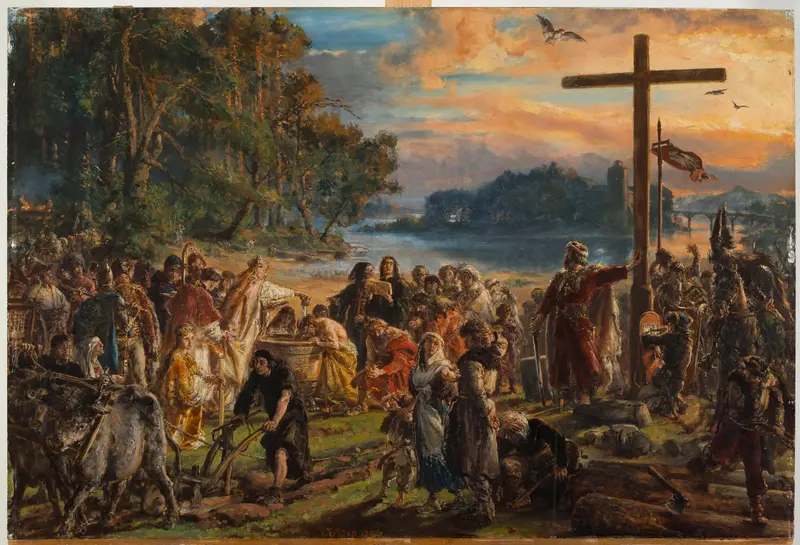
Introduction of Christianity in Poland
Jan Matejko
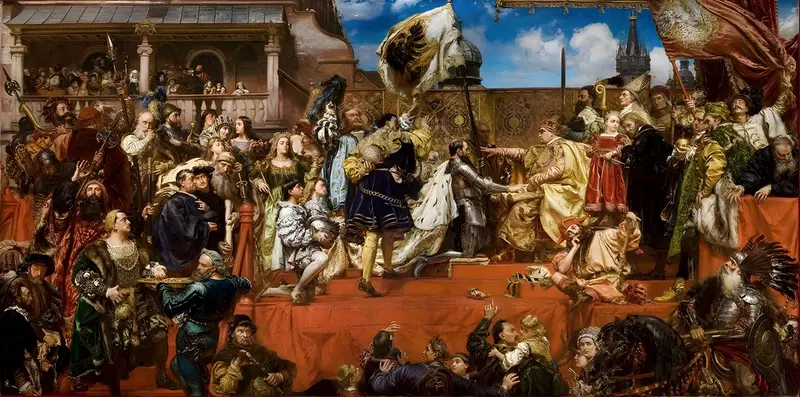
Prussian Homage
Jan Matejko





