
Pond at Gylieu — History & Facts
Could a single brushstroke hold eternity? In Pond at Gylieu, the whispered depth of melancholy invites contemplation, drawing viewers into a world where time seems suspended. Look to the left at the gentle ripples in the pond's surface, a mirror reflecting the soft blues and muted greens that breathe life into the scene. The painter’s deft brushwork captures the delicate interplay of light and shadow, guiding the viewer’s eye across the canvas. Notice how the trees lean towards the water, their reflections blending with the foliage, creating a harmonious balance that evokes a sense of calm yet hints at an underlying sadness. Within this tranquil landscape lies a poignant contrast: the serenity of nature juxtaposed with the inevitability of change.
The stillness of the pond suggests a moment frozen in time, yet the movement of the clouds overhead hints at the passage of time and the fleeting nature of beauty. Every brushstroke embodies a quiet longing, inviting the viewer to reflect on their own transient existence. Created between 1854 and 1869, this work emerged during a significant period for the artist, who was exploring the interplay of light and landscape in his travels throughout France. As a leading figure of the Barbizon School, he captured the essence of rural life while witnessing significant shifts in the world of art.
In this setting, Daubigny found a canvas for his introspective spirit, allowing his brush to translate the whispers of nature into a profound visual experience.
More Artworks by Charles François Daubigny
Browse all →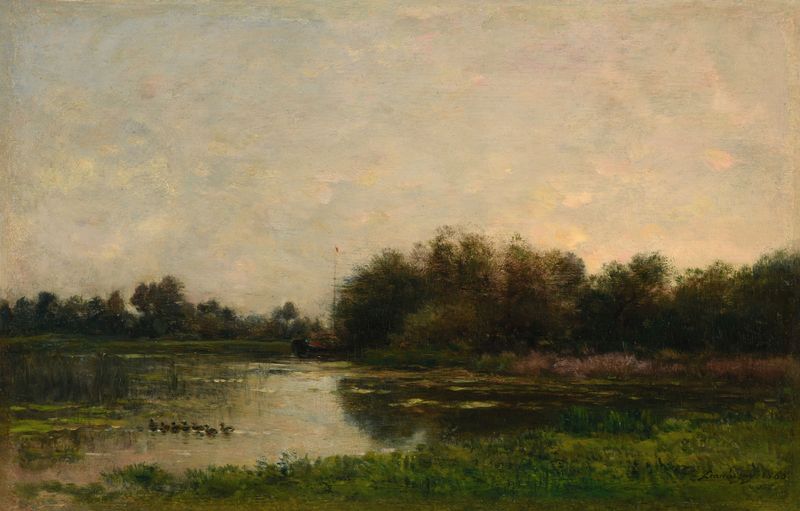
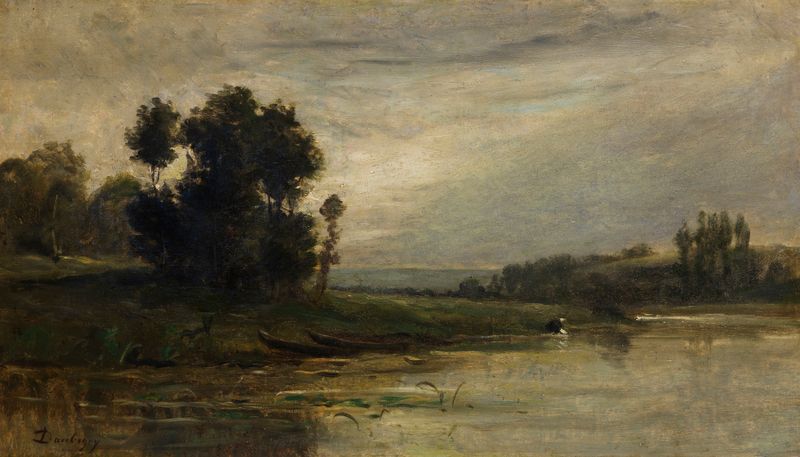
Bords de l’Oise
Charles François Daubigny
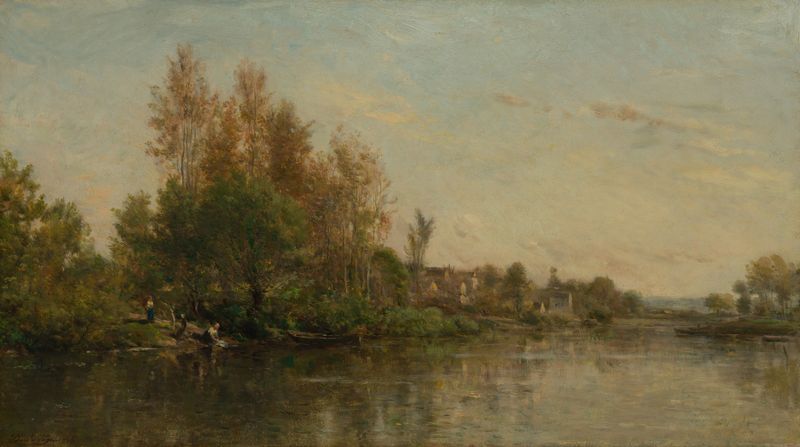
Bords de l’Oise
Charles François Daubigny
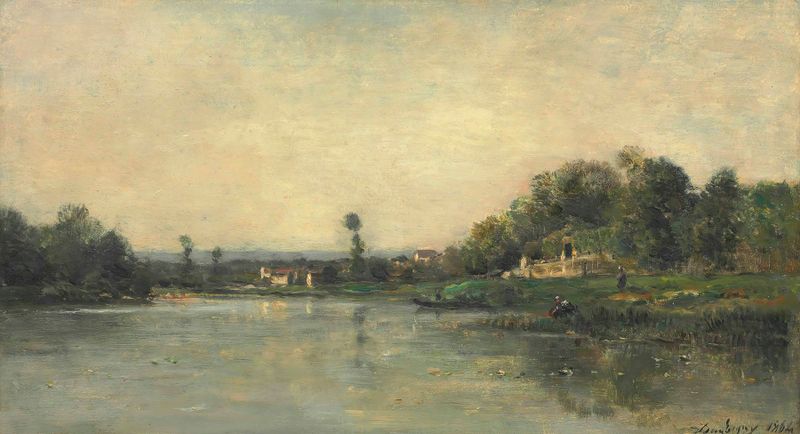
The Banks of the Oise
Charles François Daubigny
Les Bords De L’oise
Charles François Daubigny
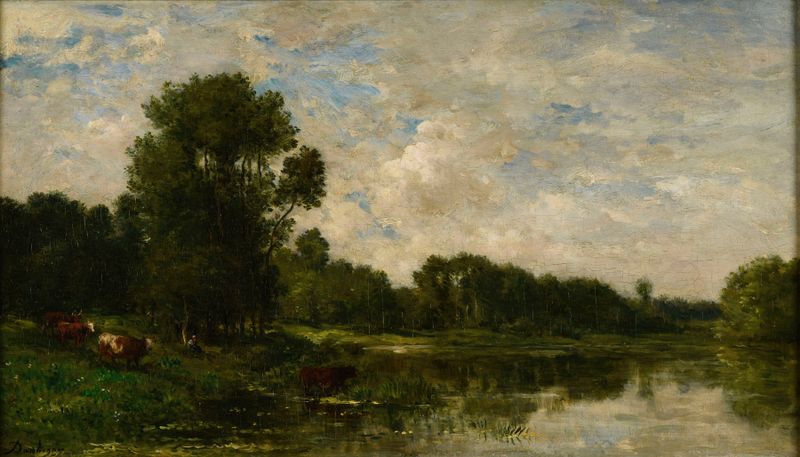
Bords de l’Oise
Charles François Daubigny
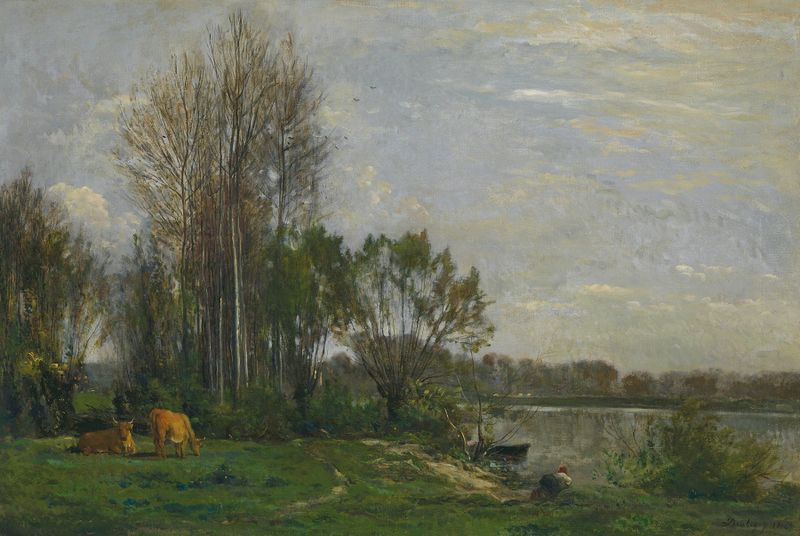
Les Bord De L’oise
Charles François Daubigny
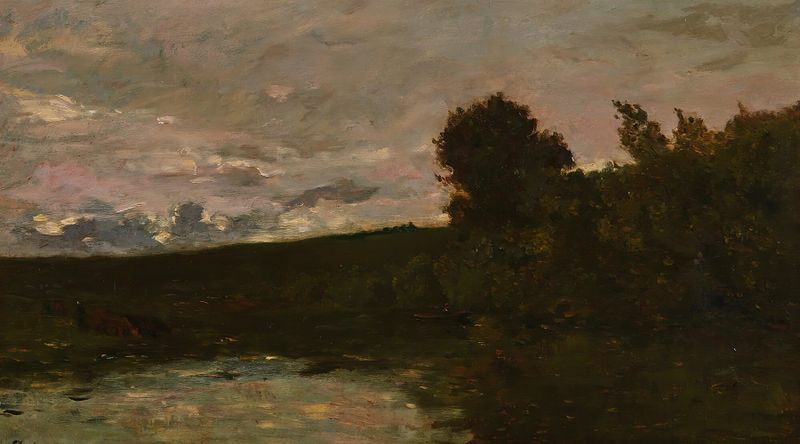
Bord De Riviére
Charles François Daubigny
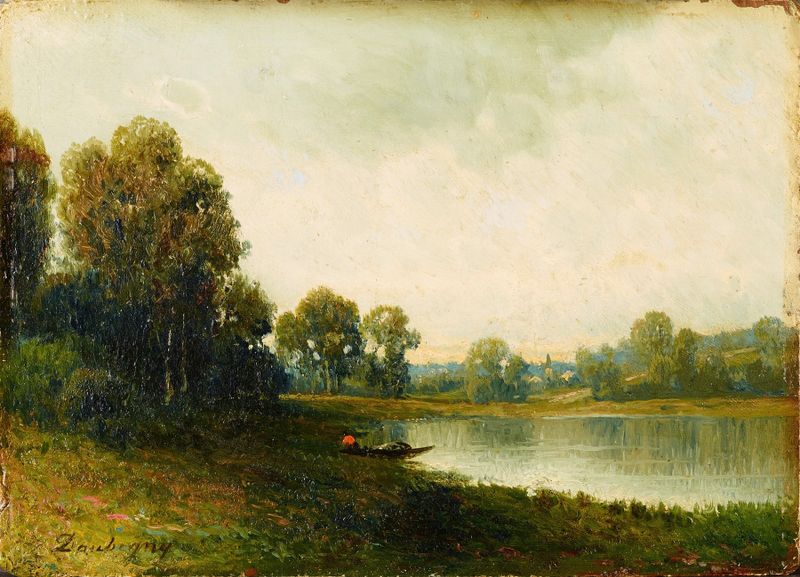
Landscape
Charles François Daubigny
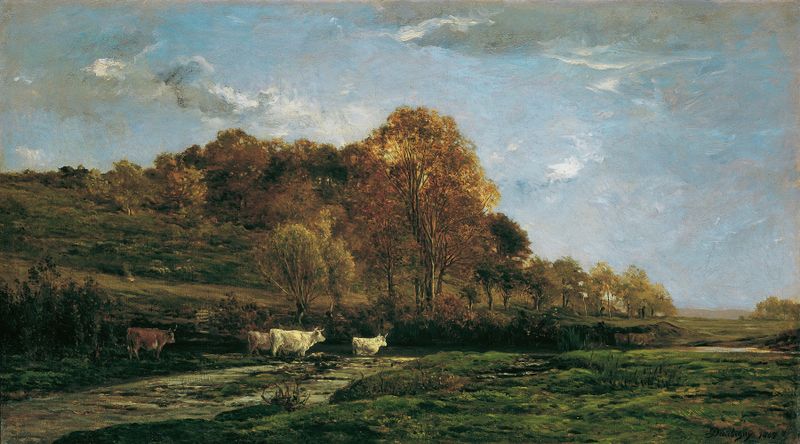
Herbstliche Aulandschaft Abendstimmung
Charles François Daubigny
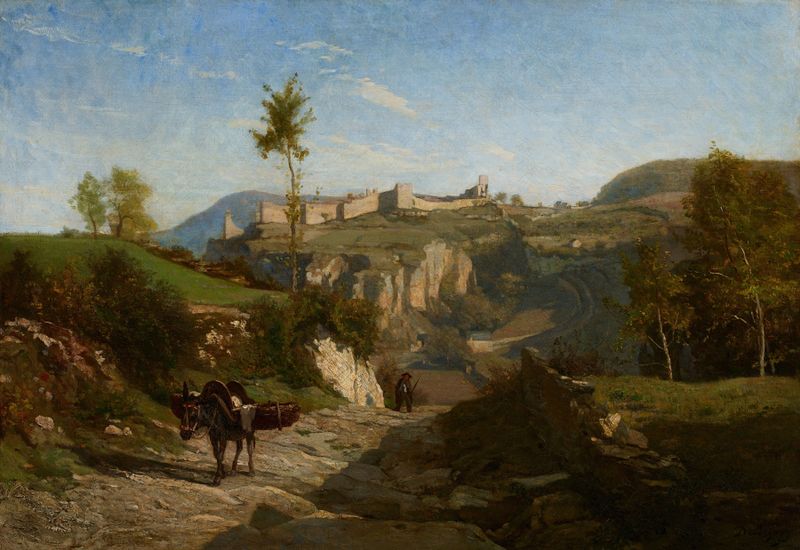
Landscape near Crémieu
Charles François Daubigny





