
Ponte Mammolo te Rome — History & Facts
What if beauty was never meant to be finished? The fleeting nature of a moment captured in time challenges us to embrace the unfinished, the yearning that lies beneath the surface. Focus on the far-reaching landscape, where the gentle curves of the hills beckon your gaze upwards. Notice how the warm ochres and greens mingle under a sky brushed with soft clouds, creating a sense of tranquility. The bridge, a central motif, elegantly arches over the serene waters, inviting the viewer to cross into a world of possibility.
Breenbergh’s meticulous attention to detail reveals the textures of the foliage and the glimmering reflections in the water, illuminating the harmony between nature and human craftsmanship. Yet, within this idyllic scene, there is an underlying tension. The figures traversing the bridge appear small against the backdrop of vastness, evoking a sense of solitude amidst beauty. The juxtaposition of the solid bridge and the ephemeral play of light on water creates a dialogue about permanence and impermanence, echoing a universal longing for connection in a transient world.
The lush greenery, while vibrant, hints at the passage of time—reminding us that every moment is both exquisite and evanescent. Created in 1639, this work emerged during a period of artistic flourishing in the Netherlands, where Breenbergh was influenced by classicism and the burgeoning landscape tradition. Living in Rome at the time, he was immersed in the beauty of the Italian countryside, encapsulating that experience in this painting. His exploration of light and space resonated with the era's ideals, marking a pivotal moment in his artistic journey and contributing to the rich tapestry of Baroque art.
More Artworks by Bartholomeus Breenbergh
Browse all →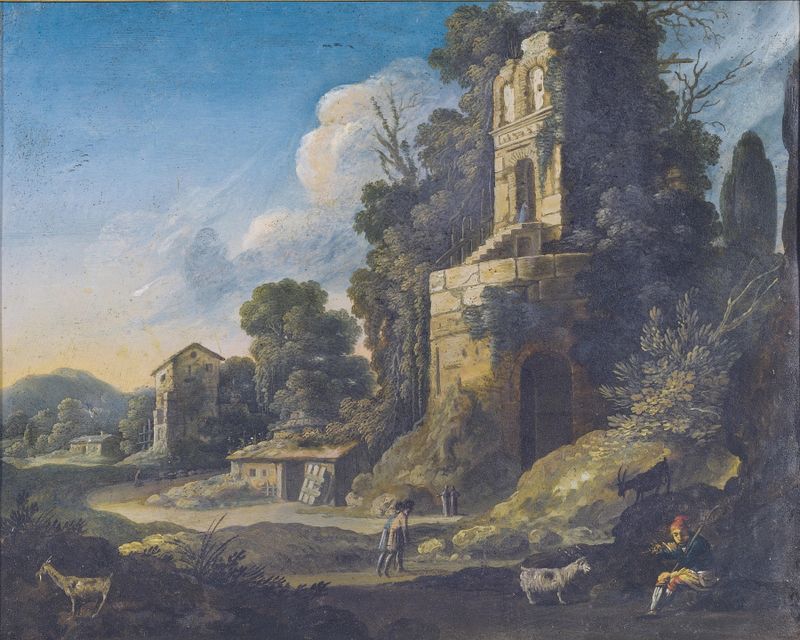
Italianate landscape with buildings and a herdsman playing pipes
Bartholomeus Breenbergh

Arcadian Landscape
Bartholomeus Breenbergh

Ruïnes van keizerlijk paleis te Rome
Bartholomeus Breenbergh

Ruïne van het Colosseum
Bartholomeus Breenbergh
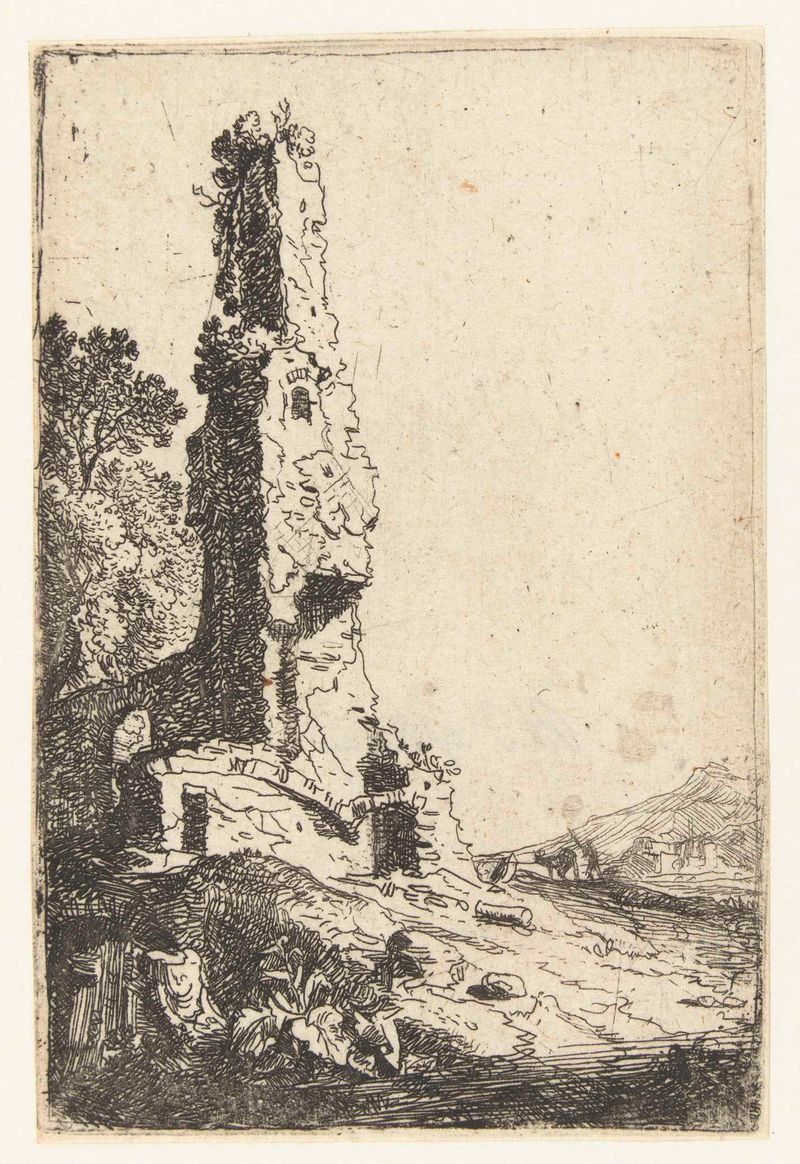
Ruïnes van de stadsmuren van Rome
Bartholomeus Breenbergh
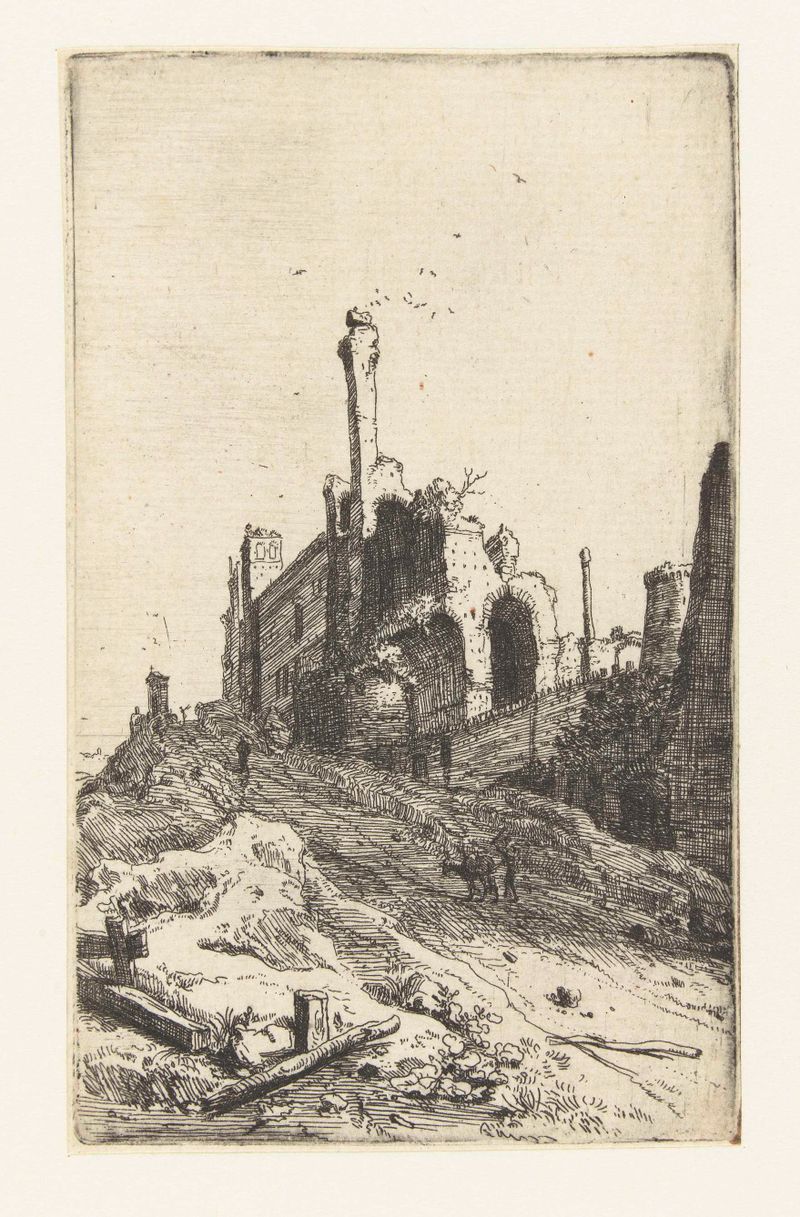
Ruïnes van een paleis te Tivoli
Bartholomeus Breenbergh

Figures Among Ruins By The Tiber
Bartholomeus Breenbergh

Italian Landscape with the Aurelian Wall
Bartholomeus Breenbergh
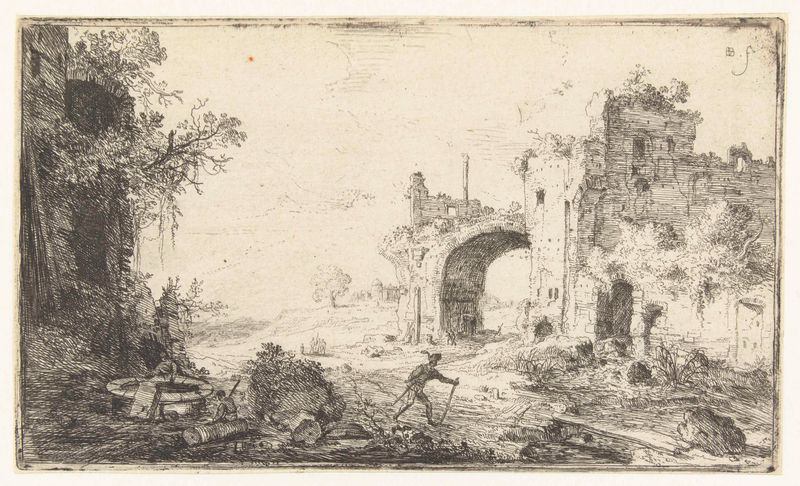
Ruïnes van de thermen van Caracalla
Bartholomeus Breenbergh
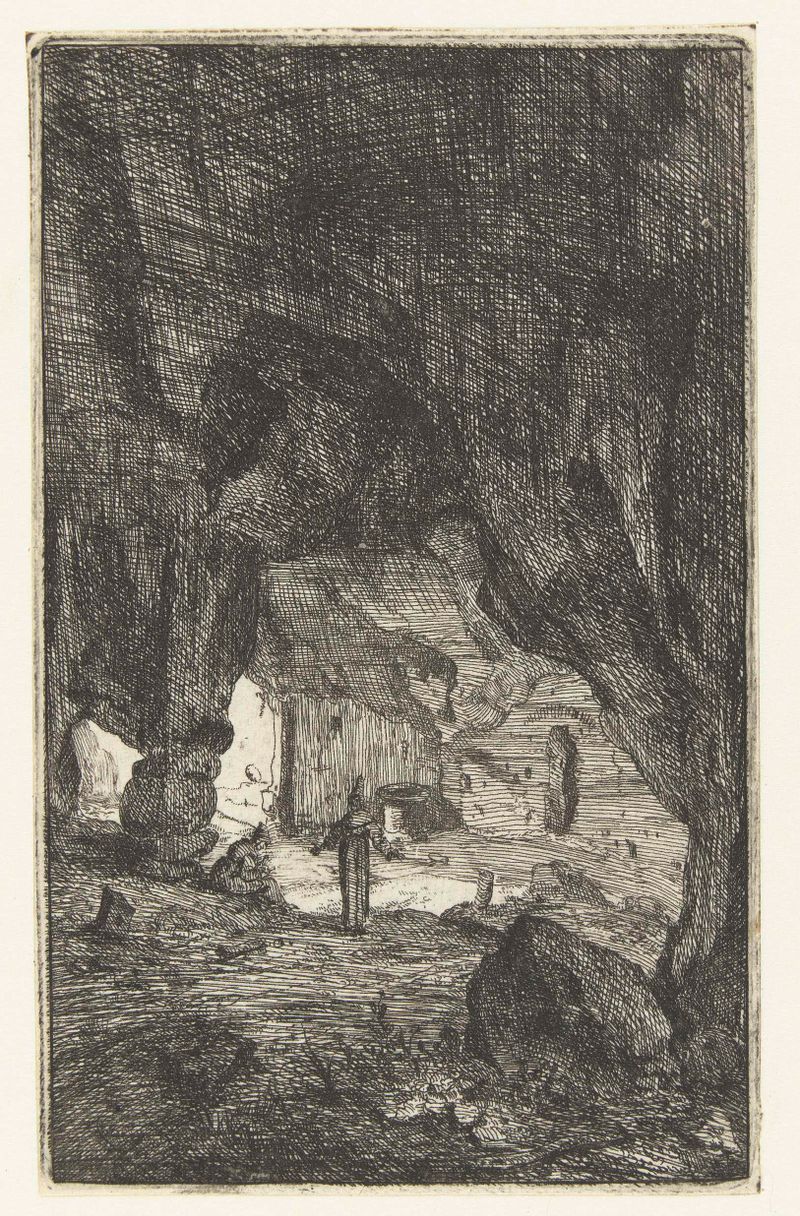
Interieur van een grot
Bartholomeus Breenbergh





