
Poort te Rome — History & Facts
Can beauty exist without sorrow? The duality of yearning and fulfillment dances at the heart of Etienne Bosch's Poort te Rome, a piece that captures the essence of longing in each brushstroke. Look to the left at the archway, its ancient stones imbued with a warm, golden hue that invites you to step into the scene. The composition draws the eye along the pathway, leading us through a subtle interplay of light and shadow, where deep blues and earthy browns evoke a sense of nostalgia. Notice how Bosch employs soft textures to create a tactile quality, blending the ethereal and the real, balancing the allure of the gateway against the encroaching shadows of the surrounding landscape. Yet, there is more beneath the surface.
The archway stands as a metaphor for possibility, a threshold between the known and the unknown. The lush greenery hints at life and vibrancy but also signifies the passage of time, a gentle reminder of what may have faded away. This tension between hope and loss reverberates through the piece, inviting viewers to reflect on their own journeys of desire and fulfillment. Bosch painted Poort te Rome between 1873 and 1931, a period marked by significant changes in the art world, transitioning from Impressionism to the emerging modern styles.
Living in the Netherlands during this time, he grappled with the evolving artistic landscape and his own personal experiences, which would shape his approach to blending realism with romantic yearning. This work stands as a testament to his ability to encapsulate emotion within the context of a changing world.
More Artworks by Etienne Bosch
Browse all →
Gezicht op de achterkant van de Notre Dame in Parijs Notre Dame
Etienne Bosch
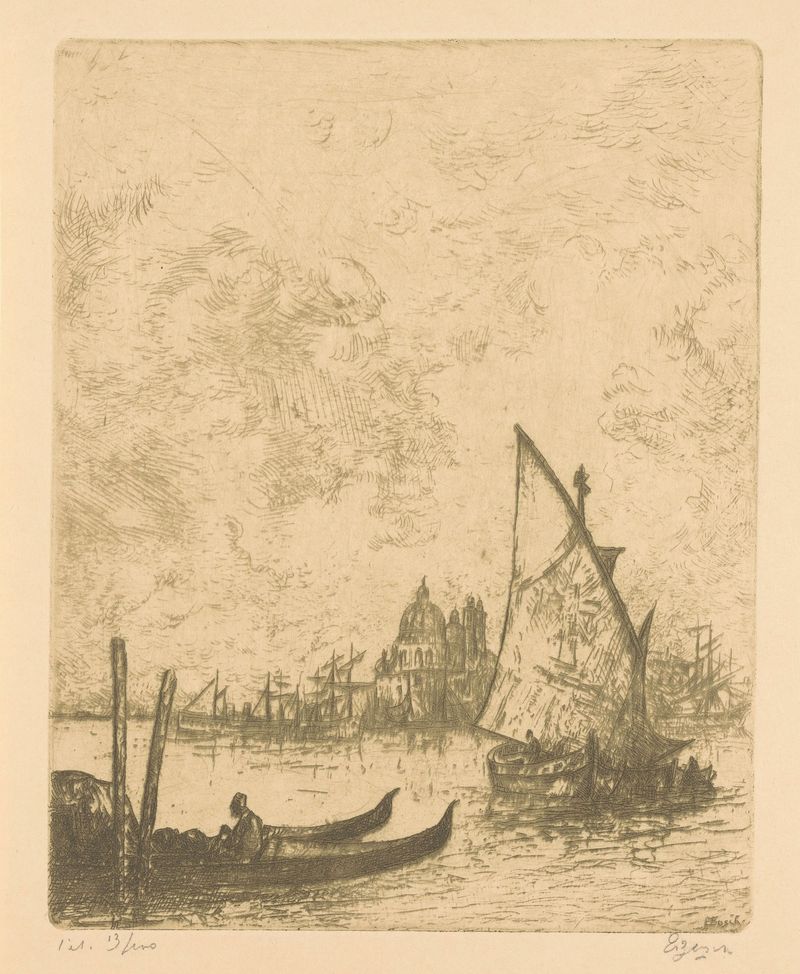
Venetië
Etienne Bosch

Amsterdamse poort te Haarlem
Etienne Bosch

Le Palatin Rome
Etienne Bosch

Landschap bij Rome
Etienne Bosch
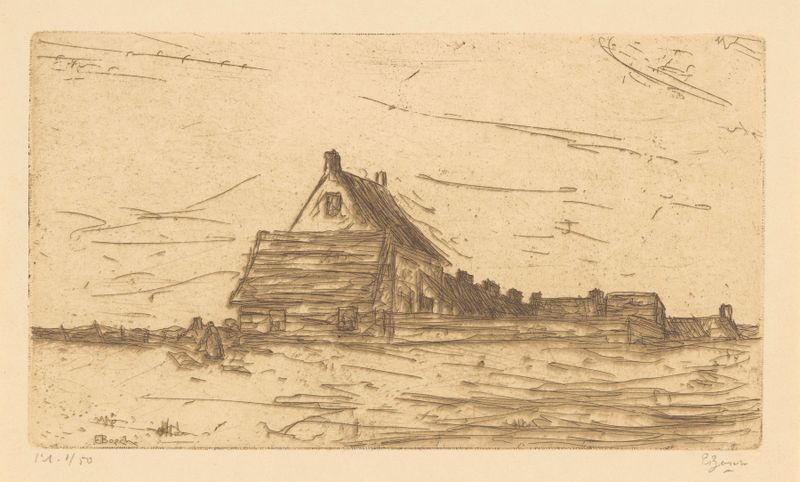
Boerenwoning
Etienne Bosch

Scheveningen
Etienne Bosch
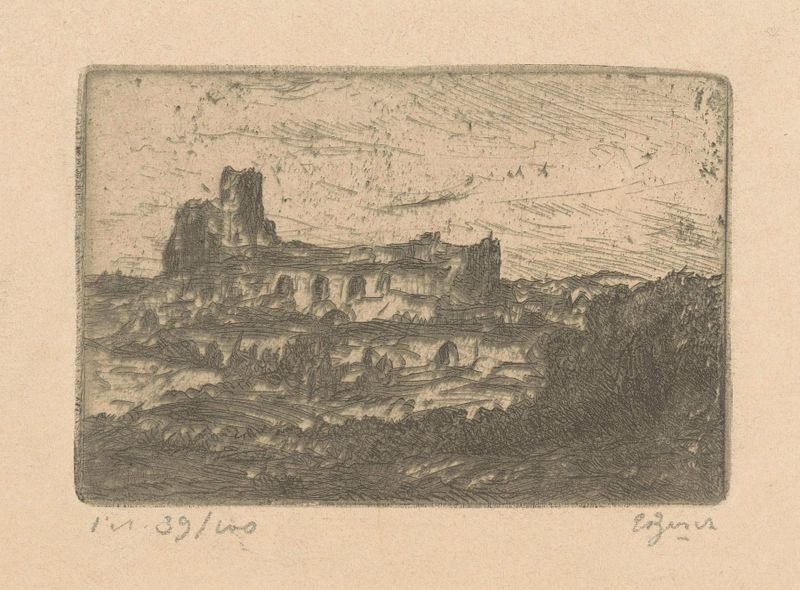
Ruïne Rome
Etienne Bosch
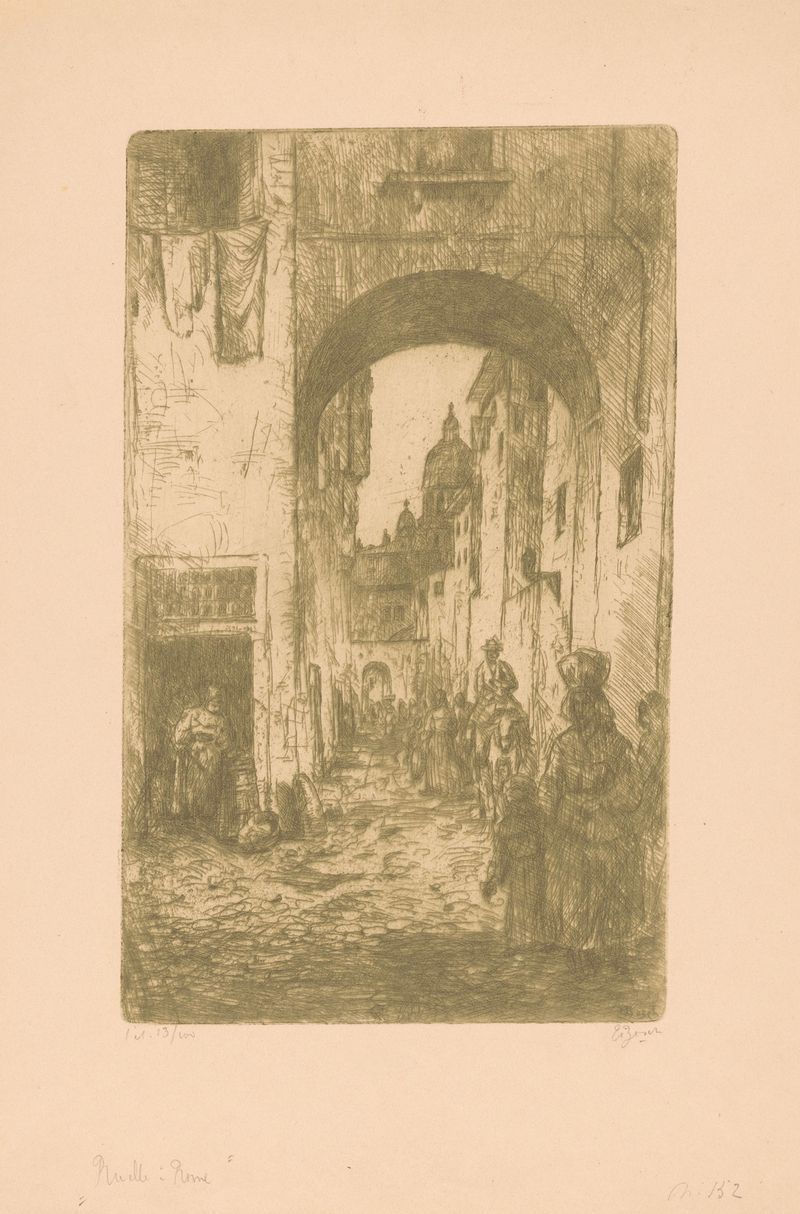
Ruelle, Rome
Etienne Bosch
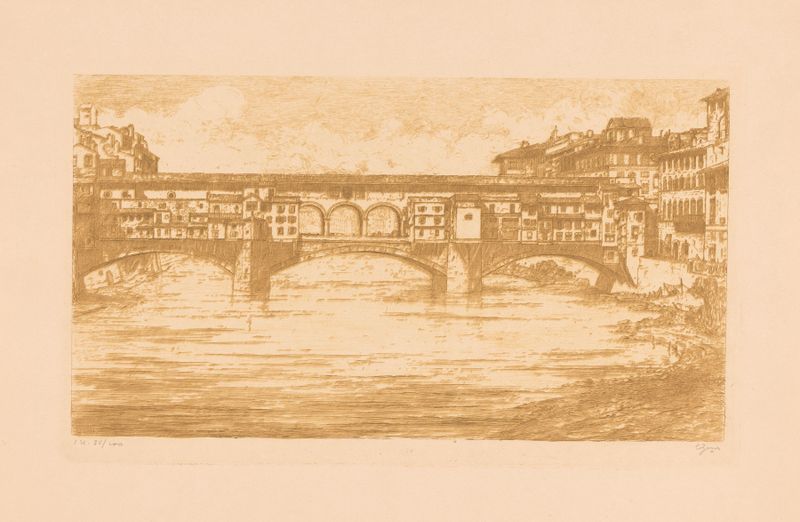
Ponte Vecchio in Florence
Etienne Bosch
More Architecture Art
Browse all →
The statue of Liberty
Frédéric Auguste Bartholdi

View of Houses in Delft, Known as ‘The Little Street’
Johannes Vermeer

View of Houses in Delft, Known as ‘The Little Street’
Johannes Vermeer

The Cathedral in Rouen. The portal, Grey Weather
Claude Monet

The yellow house
Vincent van Gogh

The Church in Auvers-sur-Oise, View from the Chevet
Vincent van Gogh