
Porsenna hoort dat Cloelia is ontsnapt — History & Facts
In a world where the boundaries of power and freedom clash, the narrative of rebellion unfolds through art, captivating the spirit of revolution. Look to the center of the canvas where the figures are gathered, their expressions a blend of disbelief and determination. The artist masterfully employs a restrained palette of muted earth tones, yet the vibrancy of emotion pierces through. Notice how the light illuminates the central figure, her posture both defiant and poised, symbolizing not just escape but the very act of claiming one’s destiny.
The surrounding crowd, draped in darker hues, creates a striking contrast that heightens the tension—here, the oppressed faces a formidable power. Within the artwork lies a duality of emotion—an indomitable spirit of hope juxtaposed with the gravity of loss. The subtle tension in the figures’ poses captures the moment of revelation and unrest, as the news of Cloelia’s escape ripples through the assembly. Each hand gesture and gaze conveys a silent plea for change, while the shadows that loom hint at the potential consequences of such bravery.
The mere act of escape transforms into a resonant symbol of resilience, challenging the viewer to ponder the cost of freedom. Georg Pencz painted this significant work between 1546 and 1547 during the tumultuous period of the Renaissance, when Europe was rife with social and political upheaval. Living in Nuremberg, Pencz was deeply influenced by humanist ideals and the shifting tides of power that surrounded him. This artwork reflects a moment in history where personal narratives of courage began to intertwine with broader calls for social change, marking a pivotal point in the collective consciousness of his time.
More Artworks by Georg Pencz
Browse all →
Parabel van de zaaier
Georg Pencz

Parabel van de arbeiders in de wijngaard
Georg Pencz
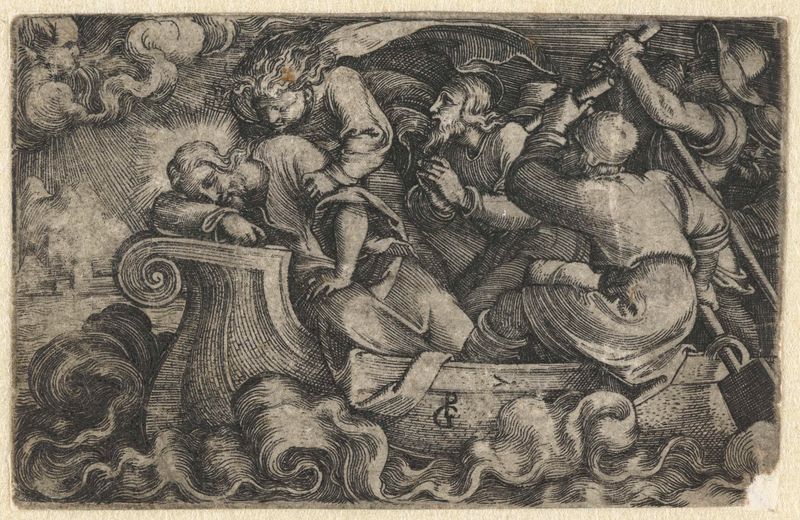
Discipelen wekken slapende Christus tijdens storm op Meer van Galilea
Georg Pencz

Afgunst (Invidia)
Georg Pencz
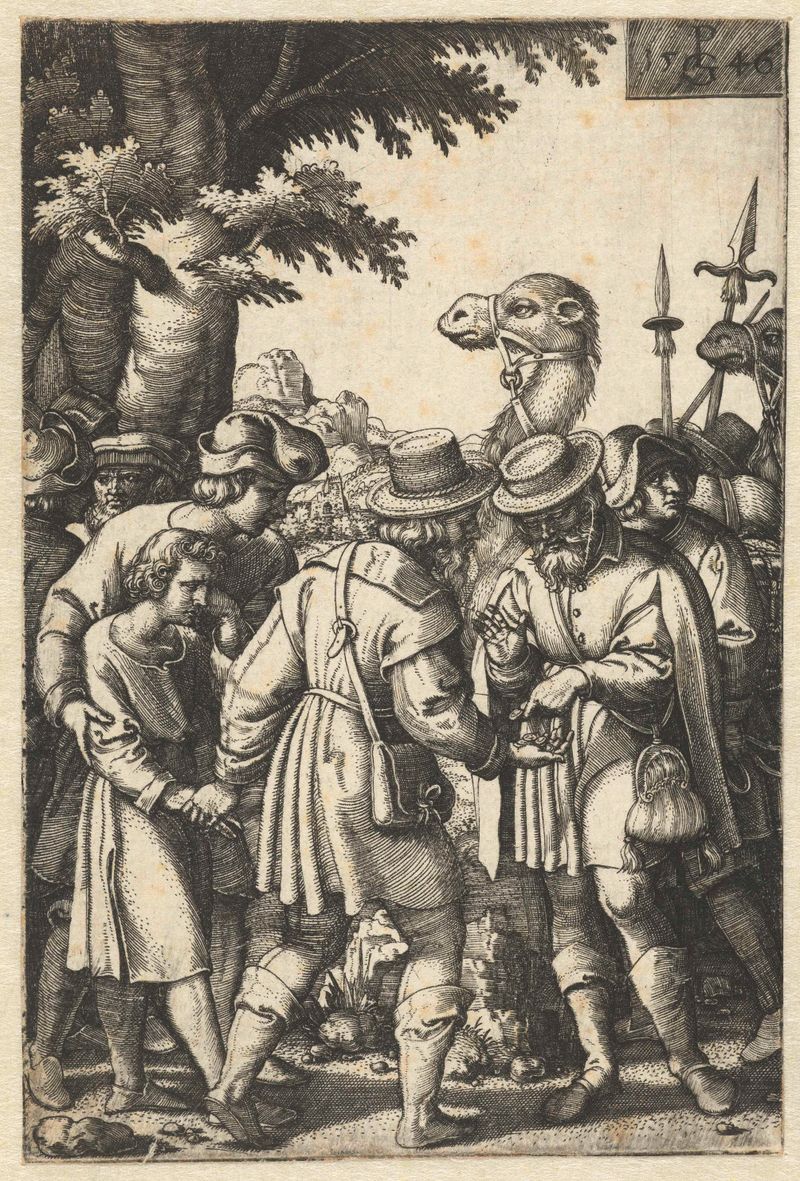
Jozef wordt verkocht aan kooplieden op weg naar Egypte
Georg Pencz

Aanbidding der koningen
Georg Pencz
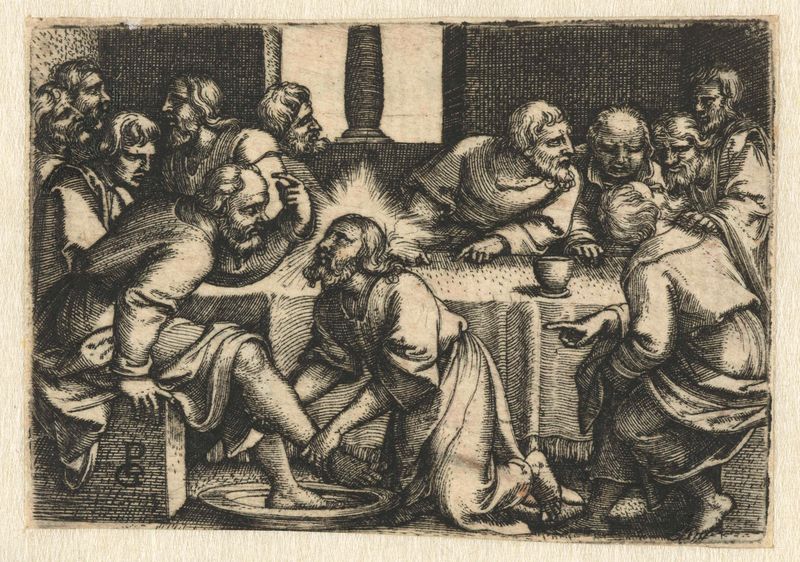
Petrus protesteert als Christus zijn voeten wast
Georg Pencz
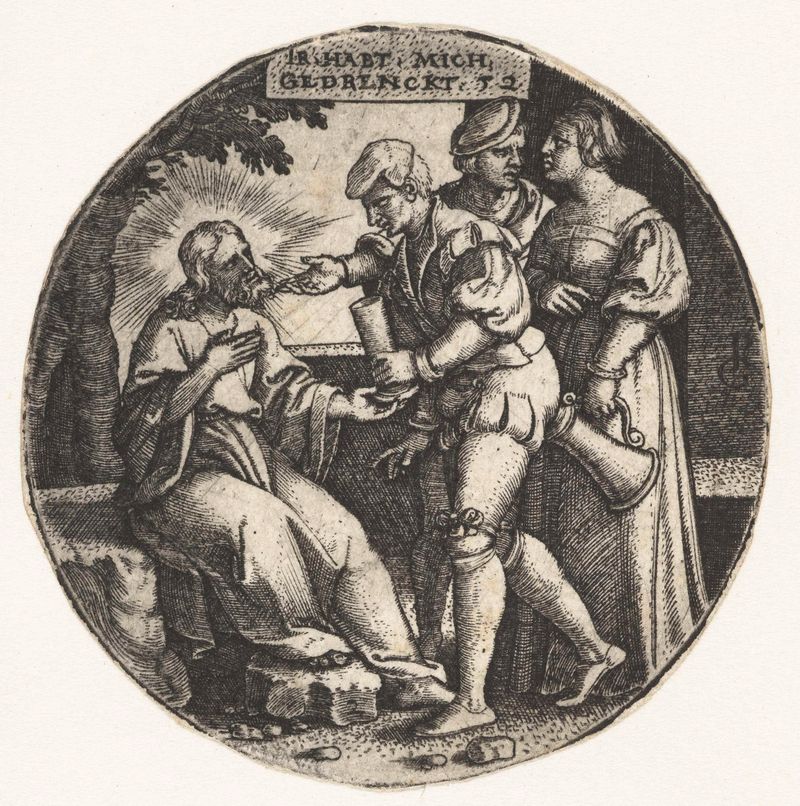
Christus heeft dorst en krijgt drinken aangeboden
Georg Pencz
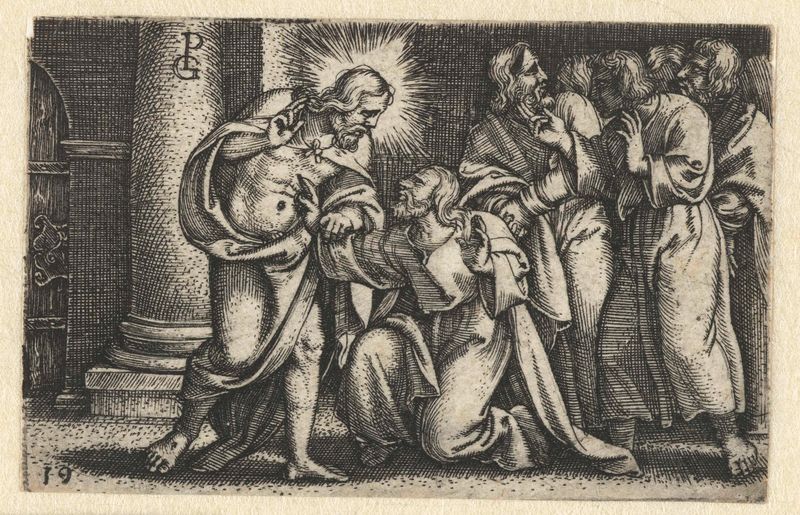
Ongelovige Thomas raakt wonden Christus aan
Georg Pencz

Offer van Abraham van Isaak
Georg Pencz
More Historical Art
Browse all →
The Night Watch Militia Company of District II under the Command of Captain Frans Banninck Cocq
Rembrandt van Rijn

Lincoln Memorial
Henry Bacon

The Third of May 1808
Francisco de Goya

Isaac and Rebecca, Known as ‘The Jewish Bride’
Rembrandt van Rijn

The Charge of the Mamelukes (1814)
Francisco de Goya

De vier ruiters van de apocalyps
Albrecht Dürer