
Port with Seagulls — History & Facts
Where does light end, and longing begin? The delicate dance of light in Port with Seagulls invites viewers to ponder the fragility of existence and the shadows of unspoken fears that linger beneath the surface. Look to the left at the wispy clouds, their soft whites and greys mirroring the gentle movement of the water below. The brushstrokes are both fluid and deliberate, creating a sense of tranquility that juxtaposes the wildness of the seagulls soaring above. Notice how the light falls upon the dock, illuminating the figures who blur into the background, their silhouettes captured in a moment of stillness, as if caught in a suspended breath. Yet, amidst this serene vista, there lies a tension between the vibrant life in the sky and the quietude at the water’s edge.
The seagulls, often symbols of freedom, evoke a sense of longing for escape, while the muted colors of the port suggest confinement and solitude. This interplay of elements reflects not only the beauty of the scene but also the undercurrents of fear—the fear of stagnation, isolation, and the relentless passage of time. Félix Hilaire Buhot painted Port with Seagulls in 1886, during a period of artistic experimentation in France as Impressionism evolved. At this time, Buhot was exploring the interplay of light and atmosphere, drawing inspiration from his surroundings in Dieppe.
The world was undergoing significant changes, with industrialization casting new shadows over traditional landscapes, prompting artists like Buhot to capture moments of beauty amidst an evolving reality.
More Artworks by Félix Hilaire Buhot
Browse all →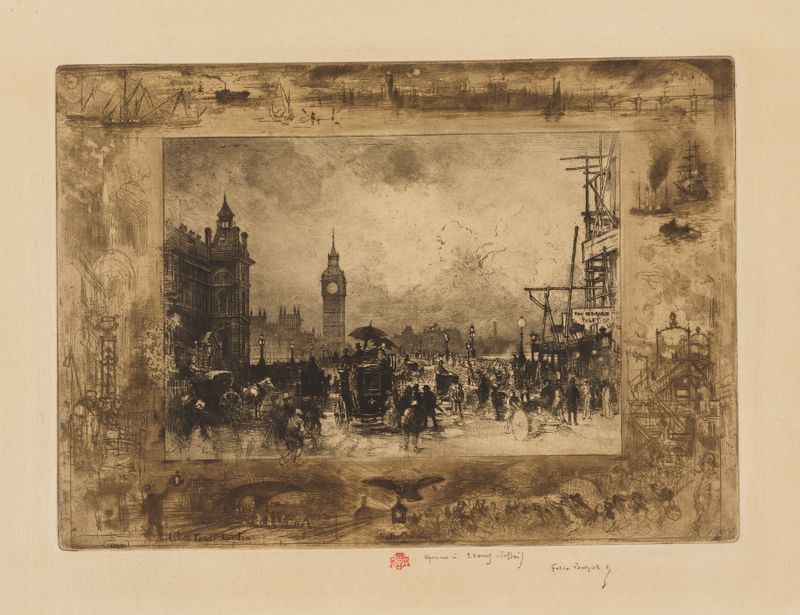
Westminster Bridge, or Westminster Clock Tower
Félix Hilaire Buhot
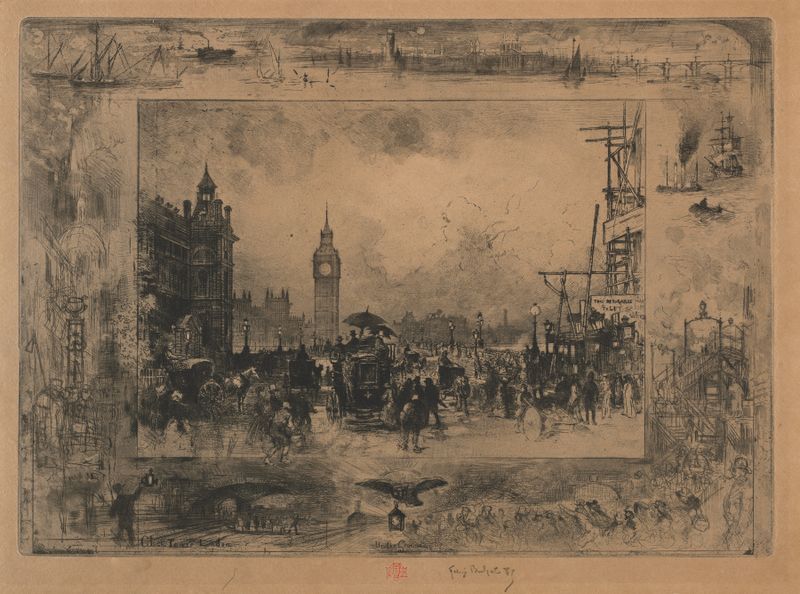
Westminster Bridge, or Westminster Tower
Félix Hilaire Buhot
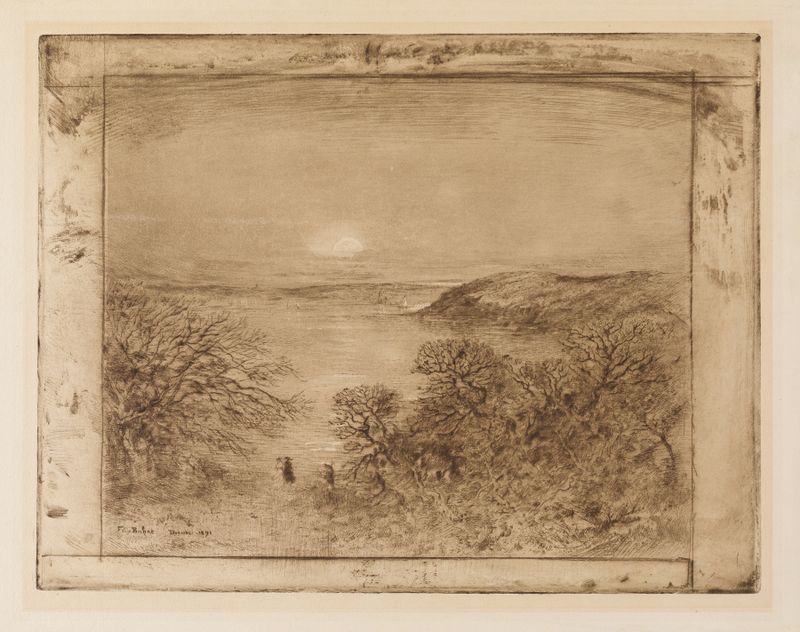
Moonrise at Dinard
Félix Hilaire Buhot
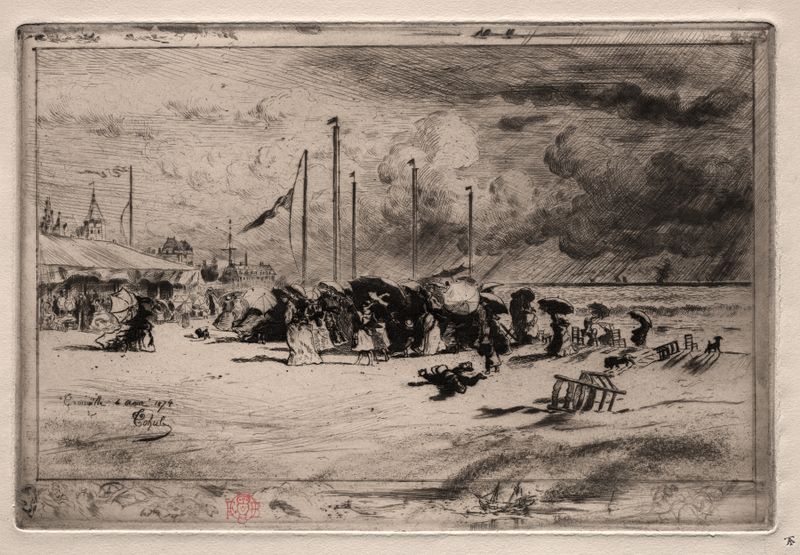
A Squall at Trouville
Félix Hilaire Buhot
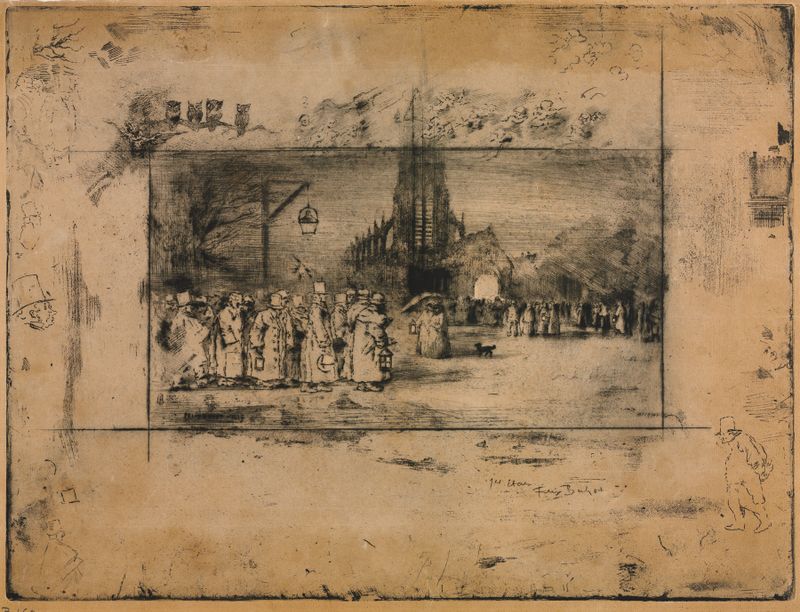
The Midnight Mass
Félix Hilaire Buhot
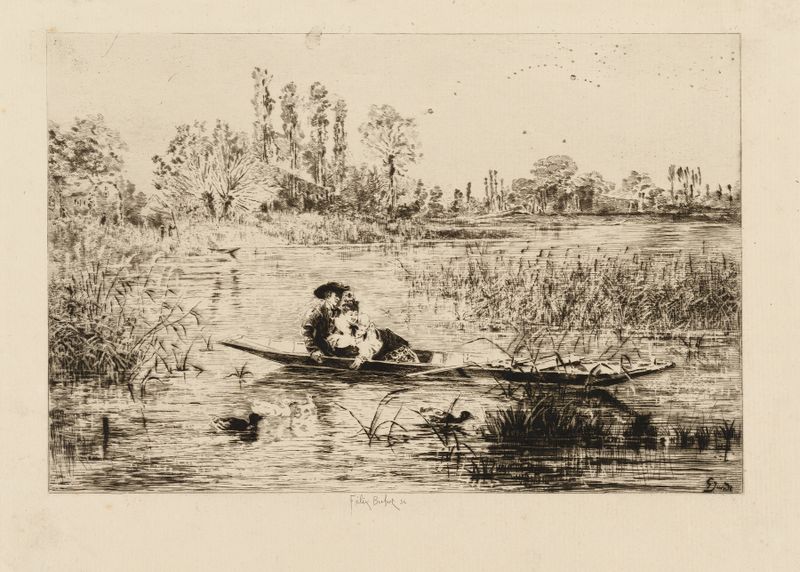
On the Thread of the Water
Félix Hilaire Buhot
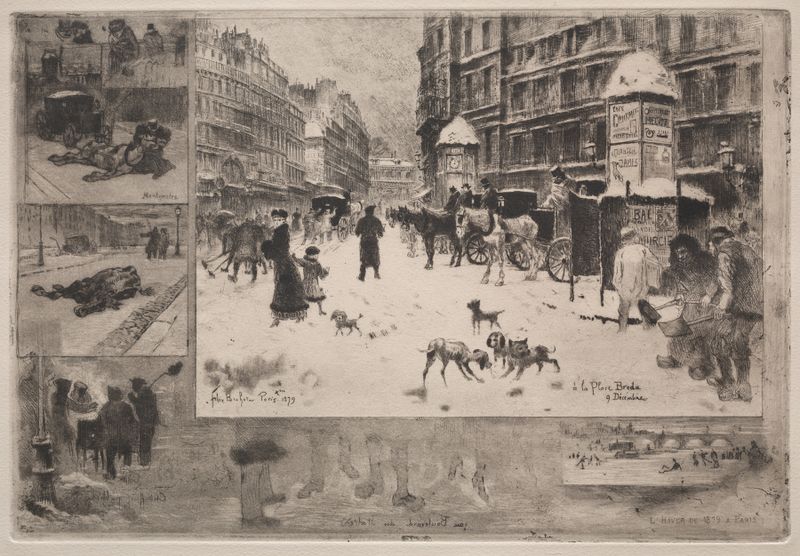
Winter in Paris
Félix Hilaire Buhot
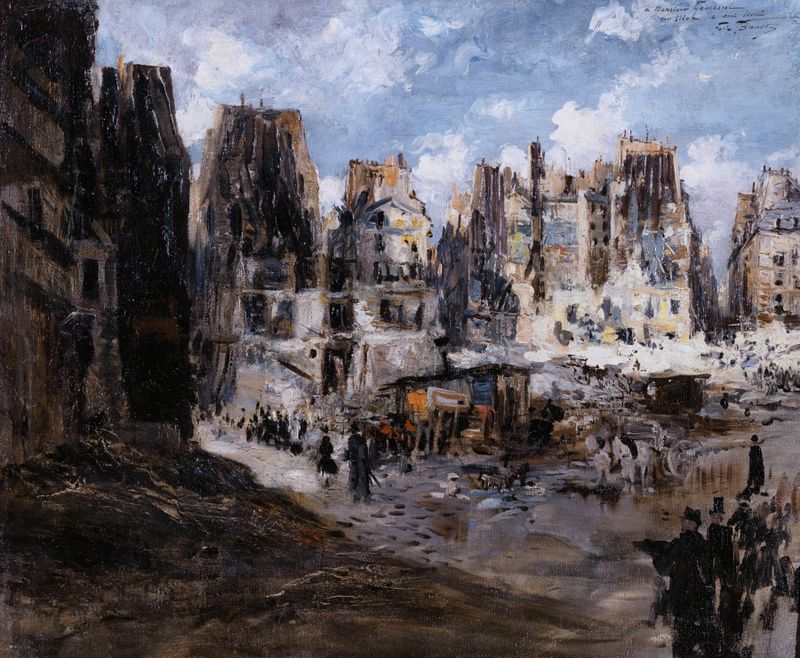
Le percement de l’avenue de l’Opéra.
Félix Hilaire Buhot
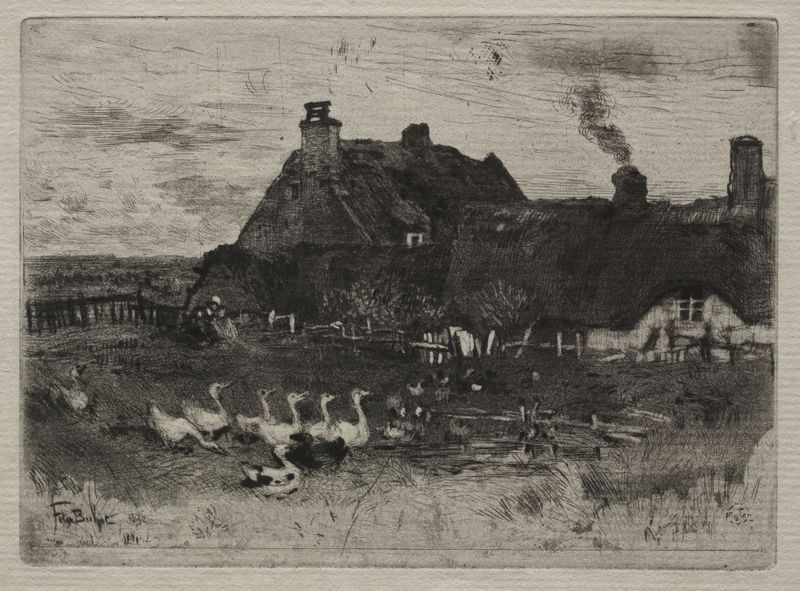
Thatched Cottages
Félix Hilaire Buhot
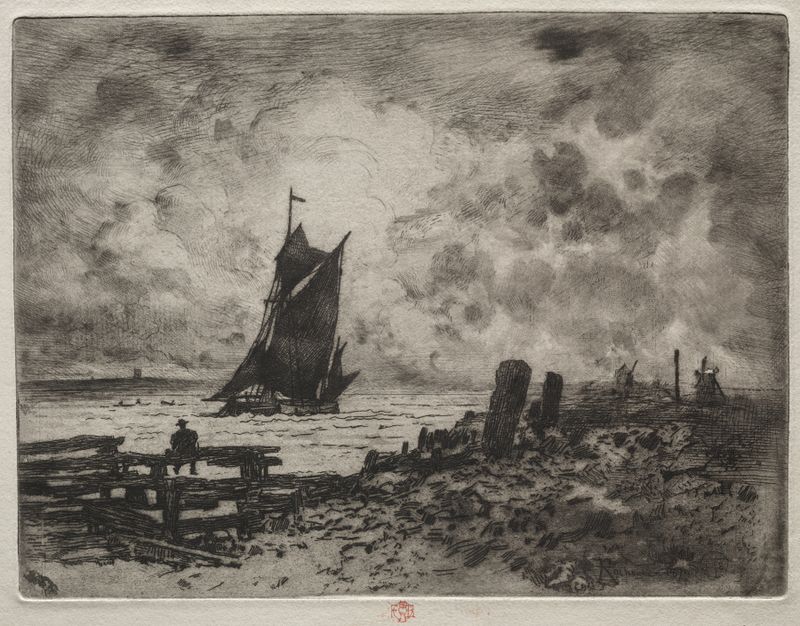
The Little Marine; Souvenir of Medway
Félix Hilaire Buhot





