
Portrait de femme — History & Facts
A single strand of pearls rests at the base of her throat, catching what little light the artist has allowed into this intimate oval. The woman’s gaze is direct, almost appraising, as if she has just been interrupted in a private moment. Her features are rendered with a quiet clarity, the brushwork soft but unflinching—there is no attempt to flatter, only to record.
The dark, enveloping background pushes her face forward, so that the viewer cannot help but meet her eyes. Every detail, from the gentle highlight on her cheek to the modest glint of her earring, is a deliberate invitation to linger. Works like Portrait de femme by Aelbert Cuyp belong to a world where portraiture was both a declaration of status and a keepsake of presence. In the 17th century, such images were often commissioned by prosperous families or individuals eager to assert their place in a rapidly changing society.
The painting’s small scale and oval format suggest it was meant for close viewing, perhaps kept in a private room or among treasured possessions. Acquired by the Musée des Beaux-Arts de Carcassonne in 2000, this portrait now stands as a rare testament to the quieter, more personal side of Dutch art—history has kept few traces of the sitter, but her steady gaze continues to ask us to look back.
More Artworks by Aelbert Cuyp

The Maas at Dordrecht
Aelbert Cuyp
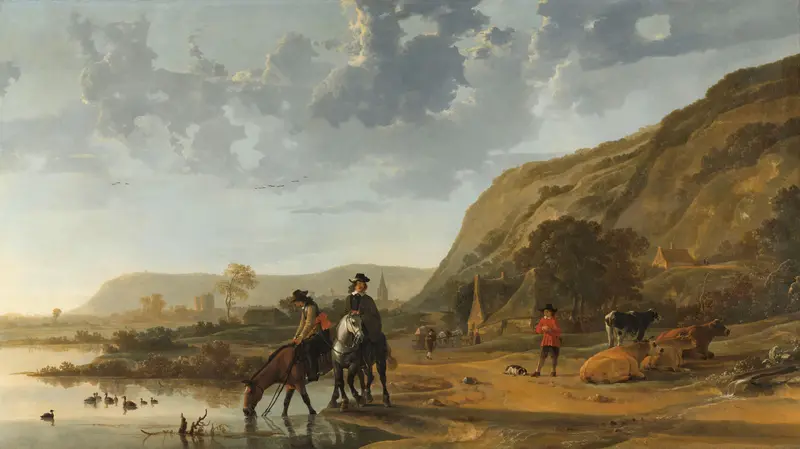
River Landscape with Riders
Aelbert Cuyp

The Maas at Dordrecht
Aelbert Cuyp
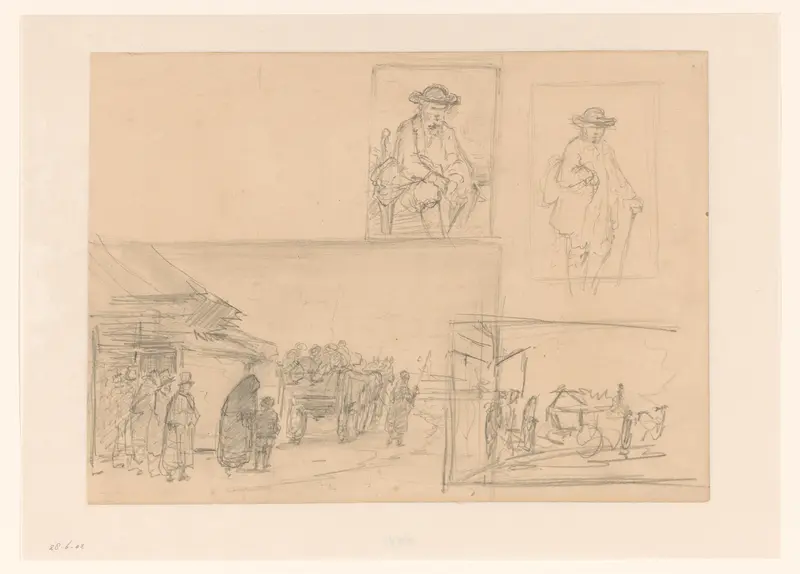
Gezicht op Dordrecht
Aelbert Cuyp
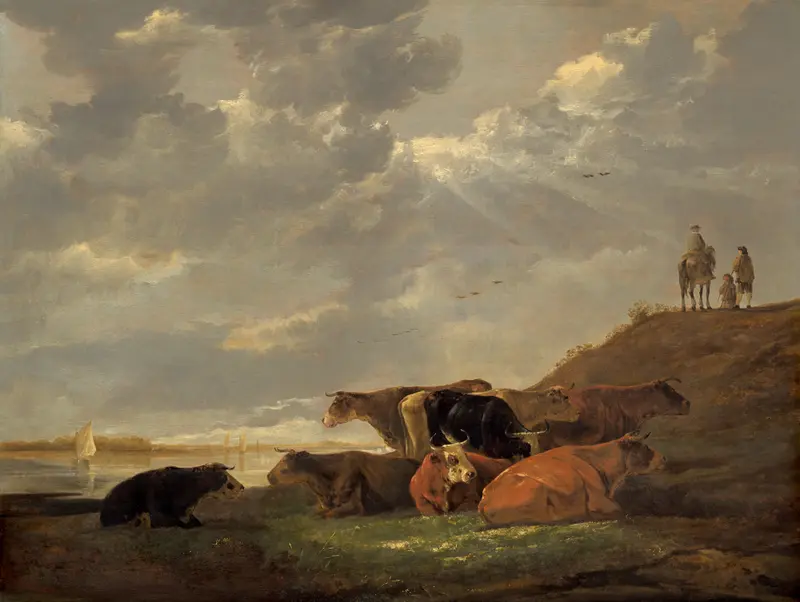
River Landscape with Cows
Aelbert Cuyp
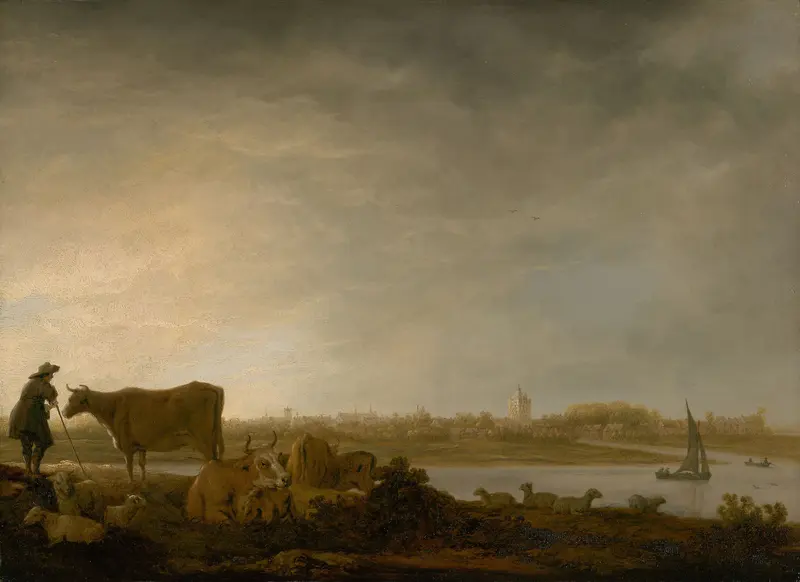
A View of Vianen with a Herdsman and Cattle by a River
Aelbert Cuyp
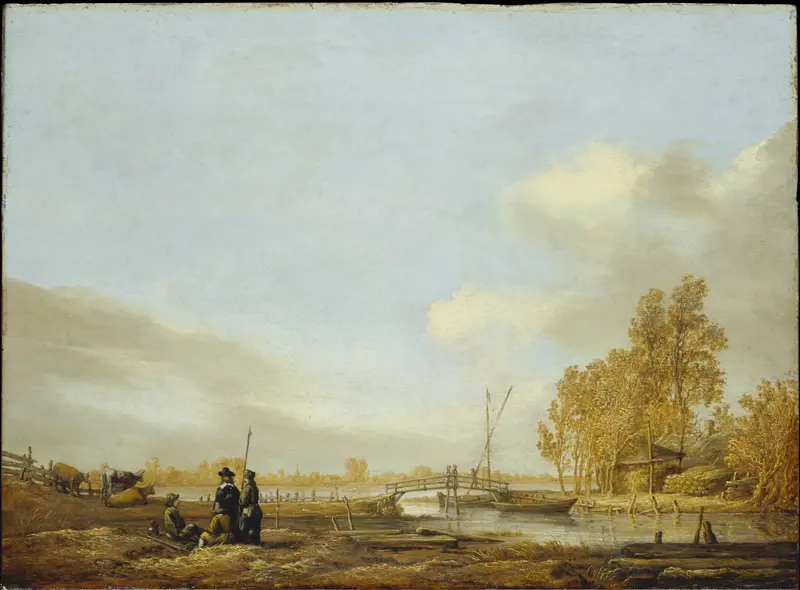
River Landscape with Footbridge
Aelbert Cuyp
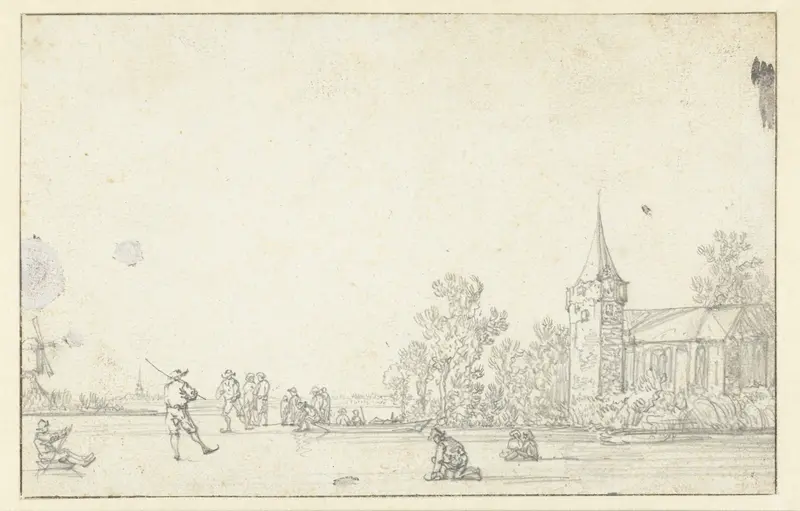
Bevroren rivier met schaatsers bij een kerk
Aelbert Cuyp

Cattle near a River
Aelbert Cuyp
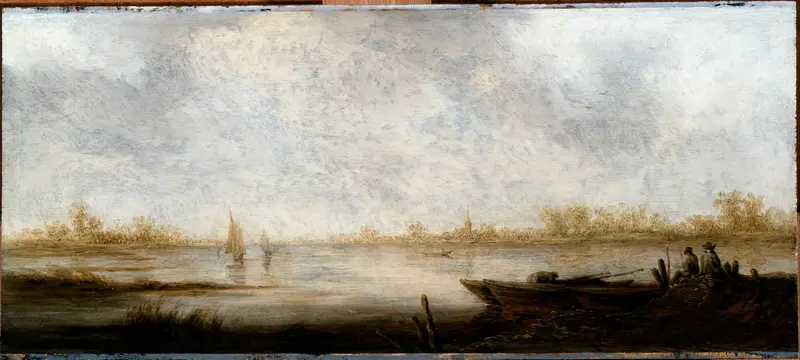
River Landscape
Aelbert Cuyp





