
Portrait de Julie Duvidal de Montferrier — History & Facts
When François Gérard painted Portrait de Julie Duvidal de Montferrier, he immortalized not just a sitter but a woman whose own artistry quietly rivaled his. Julie Duvidal de Montferrier was a respected painter and miniaturist in early 19th-century France, a rare achievement for a woman of her time. The portrait stands as a testament to the mutual recognition between two artists, each aware of the other’s talent.
While the exact date and circumstances of its commission remain uncertain, the painting’s existence hints at the close-knit circles of Parisian artistic society under the shadow of Napoleon and the Restoration. In the portrait, Julie is seated with a composed, intelligent gaze, her dark hair neatly arranged and her dress rendered with Gérard’s characteristic precision. The light falls softly across her face, highlighting her clear eyes and the slight, knowing smile that suggests both confidence and reserve. Gérard’s handling of fabric and flesh recalls his celebrated Portrait of Madame Récamier, yet here he grants his subject a quiet authority, perhaps in recognition of her own skills as a painter.
The absence of overt symbols or background distractions focuses attention on Julie herself, inviting viewers to consider her as both muse and creator—a subtle but powerful statement in an era when women artists often remained in the shadows. The painting’s later history is as elusive as its origins. Like many works by François Gérard, it has passed through private collections, sometimes attributed simply as a “portrait of a lady” before its sitter was securely identified. Today, Portrait de Julie Duvidal de Montferrier is valued not only for Gérard’s refined technique but also as a rare glimpse into the networks of women artists in 19th-century France.
It stands as a quiet monument to both painter and subject, each deserving of recognition in the story of French art.
More Artworks by François Gérard

Portrait of Emperor Napoleon I
François Gérard
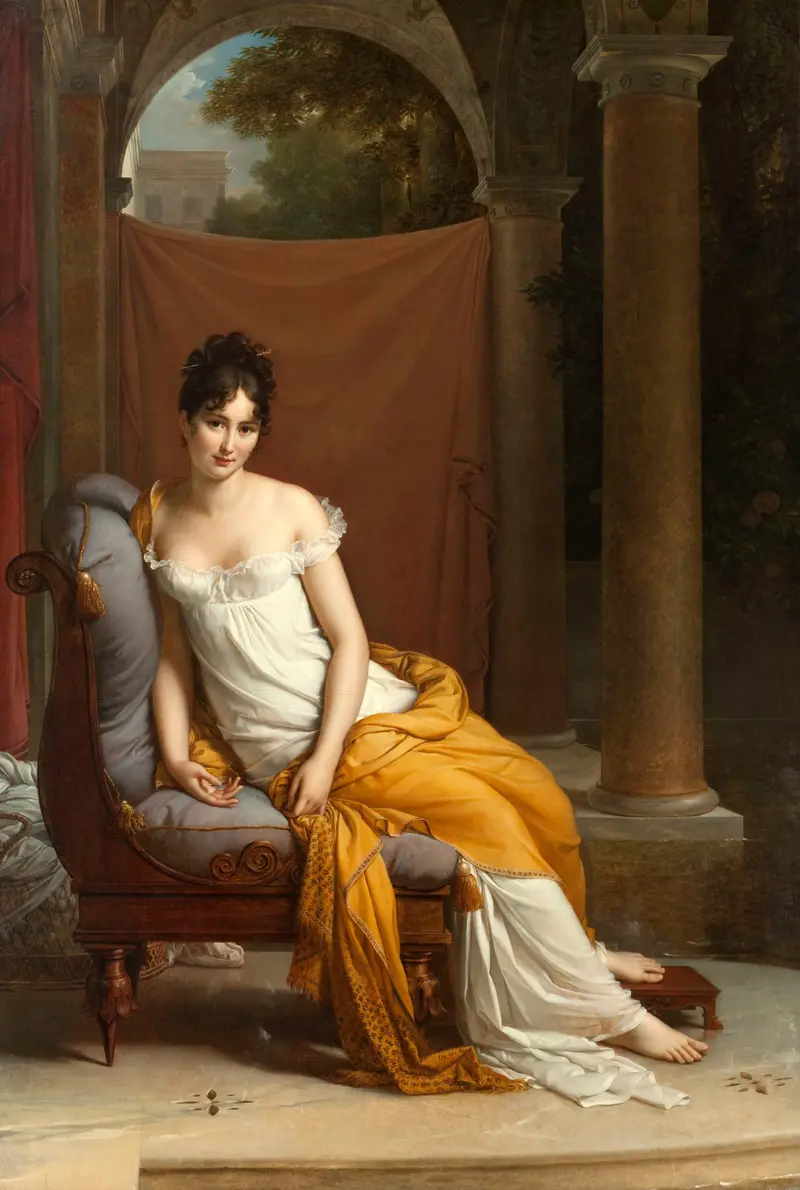
Portrait of Juliette Récamier, née Bernard
François Gérard
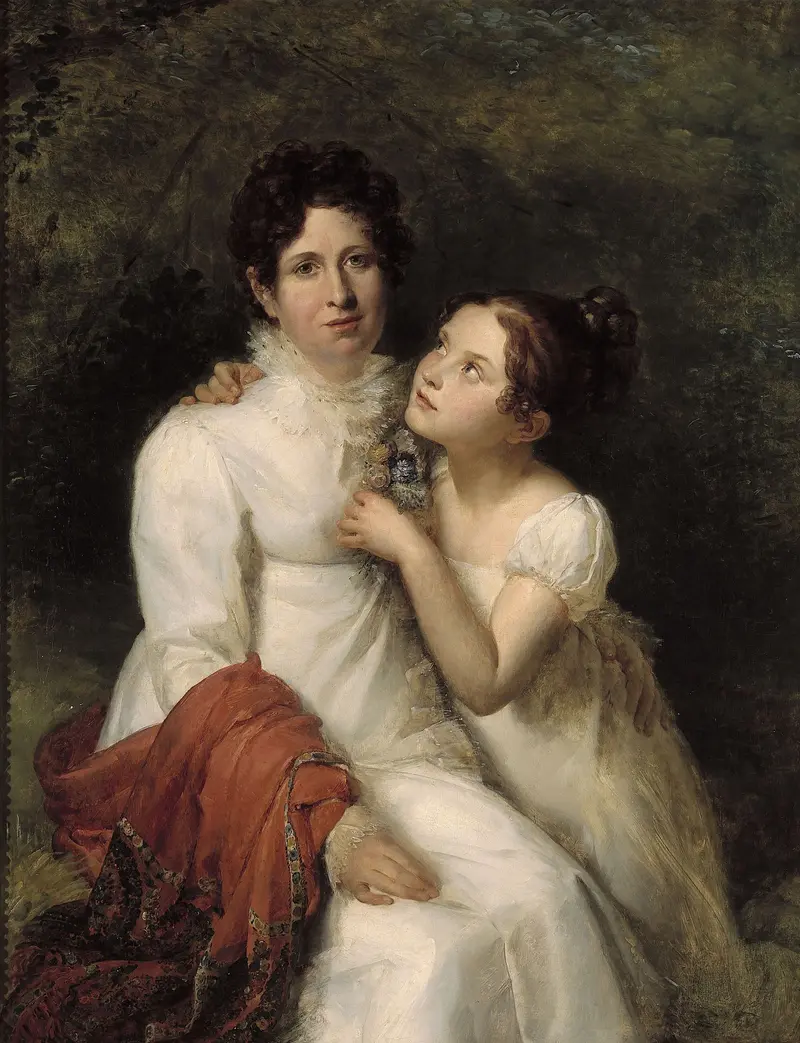
Portrait de Madame Bauquin Du Boulay et de sa nièce Mademoiselle Bauquin de La Souche
François Gérard
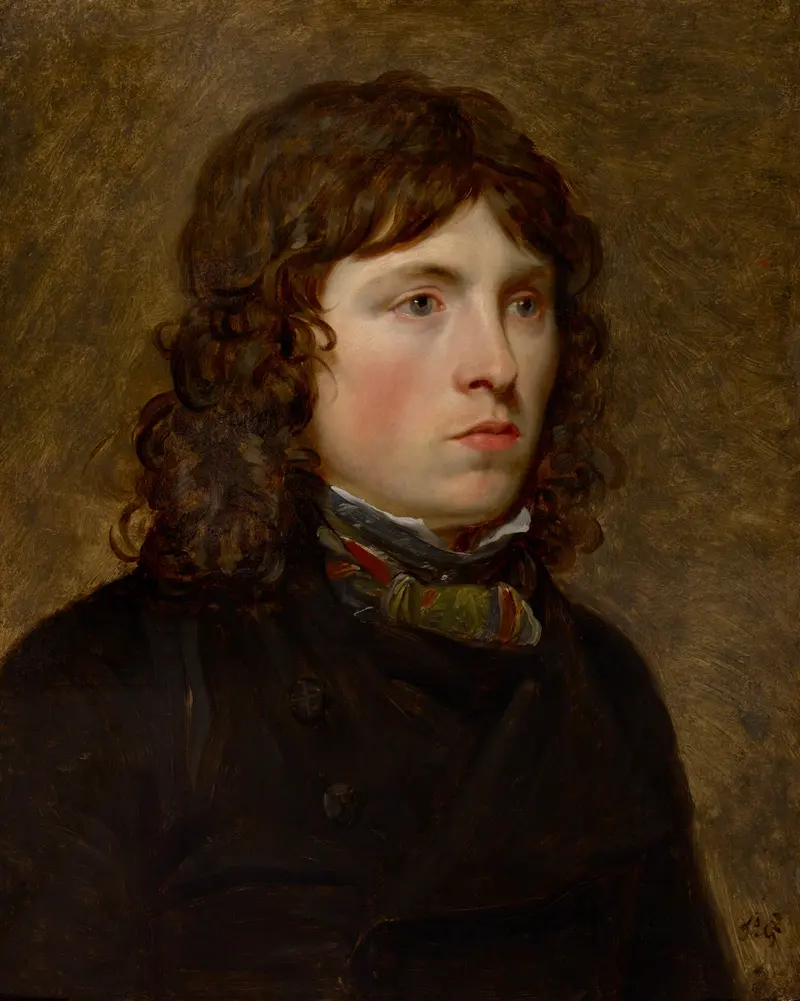
Portrait of G. F. Reverdin
François Gérard
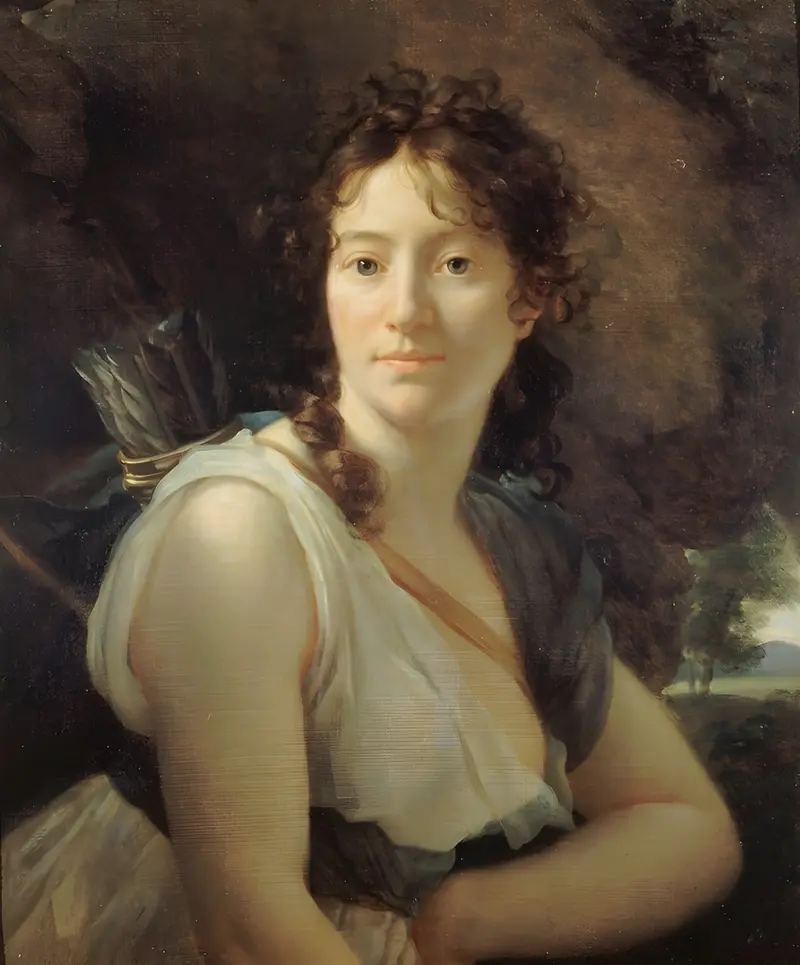
Portrait Of Mademoiselle Duchesnois (1777-1835), Member Of The Comédie-Française, In The Role Of Dido.
François Gérard
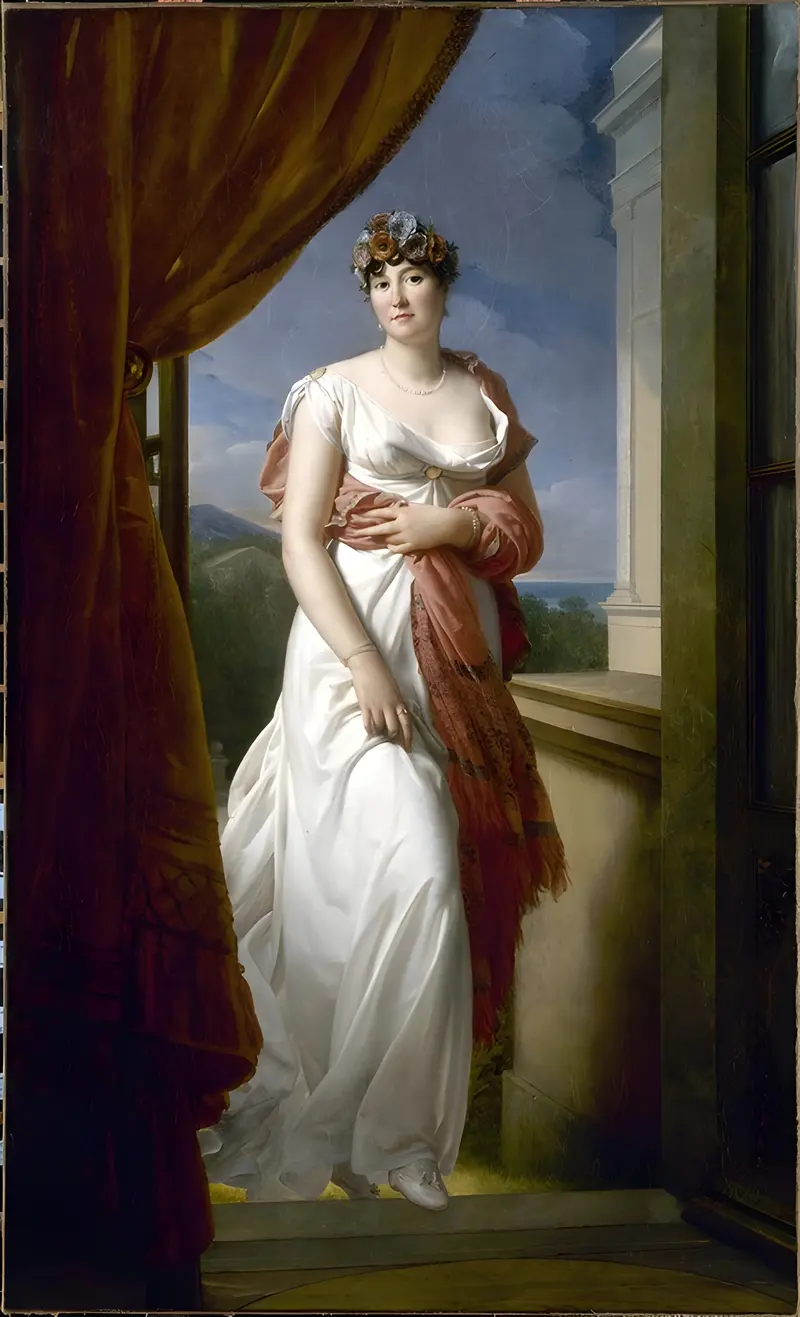
Portrait Of Theresia Cabarrus (1773-1835), Wife Tallien, Then Princess Of Caraman-Chimay
François Gérard
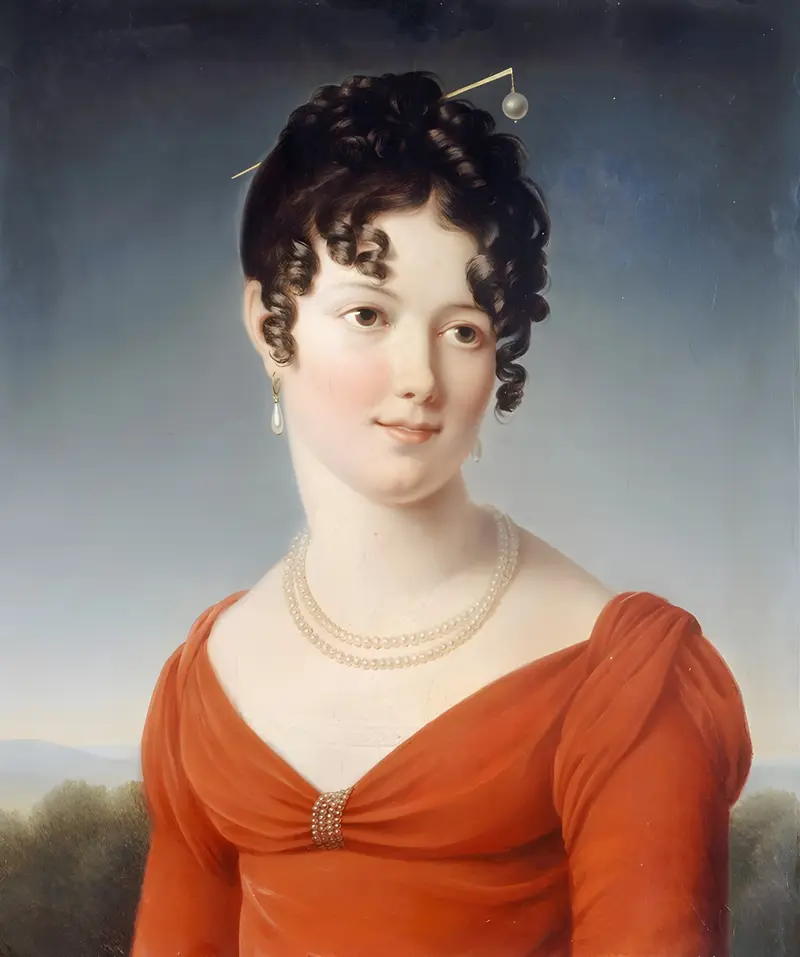
Bust Portrait Of Alexandrine-Anne De La Pallu, Marquise De Flers (1786-1832)
François Gérard
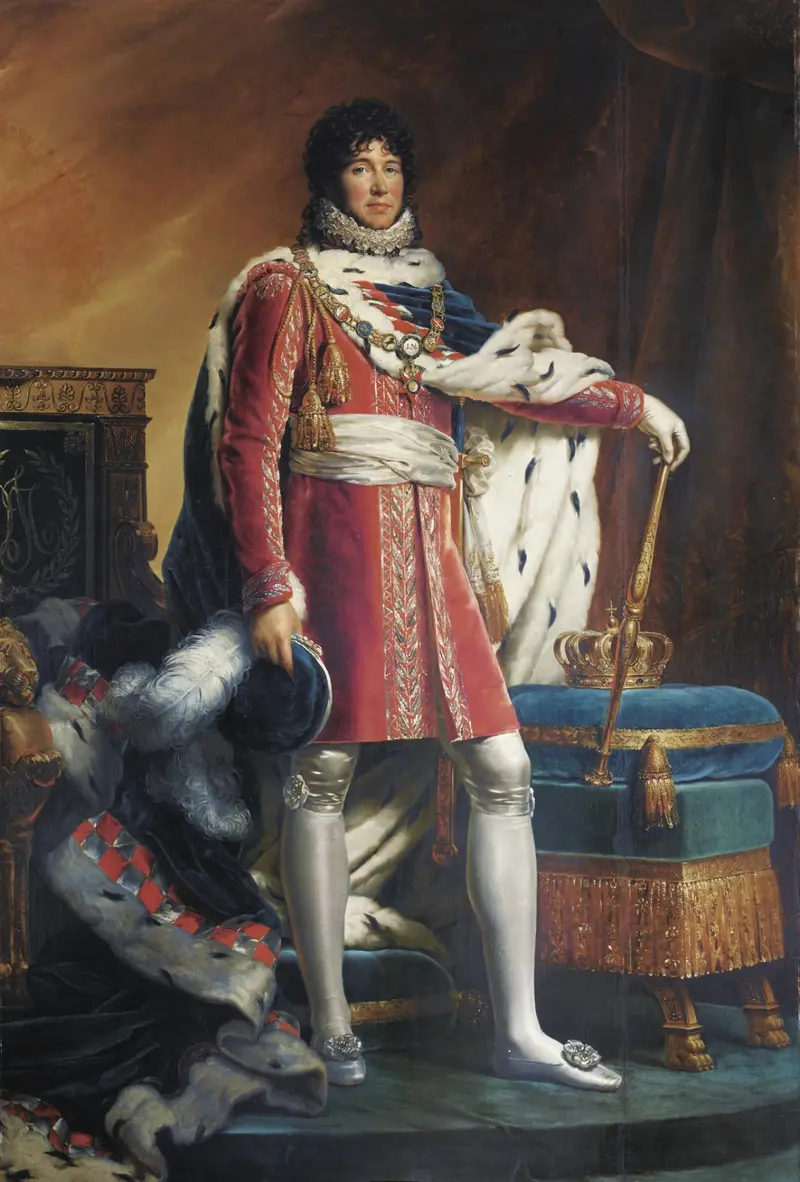
Portrait of Joachim Napoléon Murat, King of Naples and of the two Sicilies
François Gérard
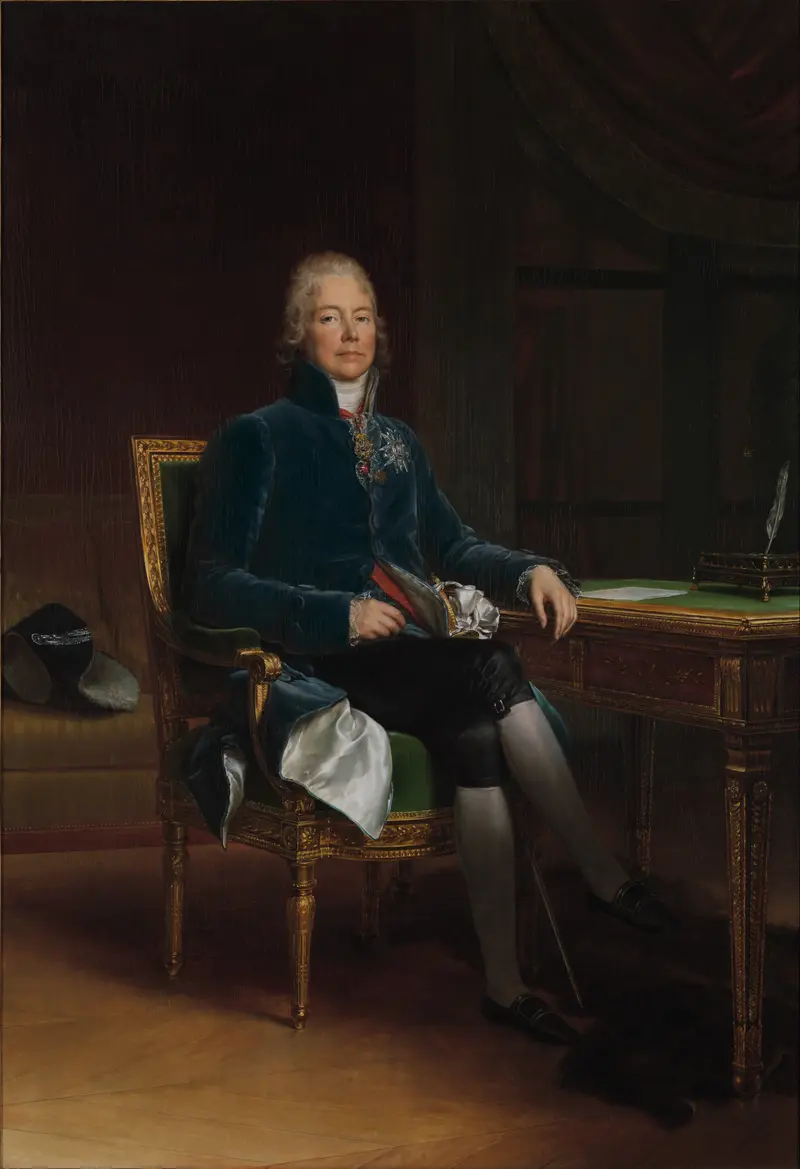
Charles Maurice de Talleyrand Périgord (1754–1838), Prince de Bénévent
François Gérard
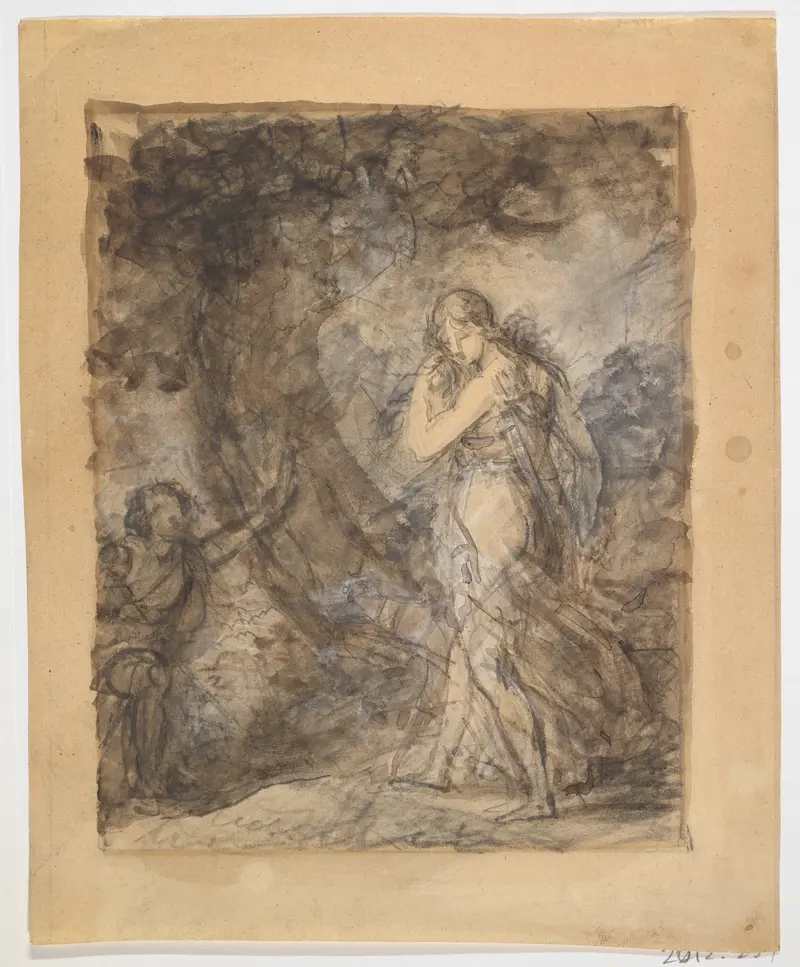
Daphnis Running toward Chloe
François Gérard





