
Portrait de Mademoiselle Jeanne Faraill — History & Facts
The first thing to catch the eye in Portrait de Mademoiselle Jeanne Faraill is the bold geometry of the girl's striped dress, slicing through the soft, floral haze of the background like a declaration of presence. Her stance—one hand resting at her waist, the other hanging at her side—suggests both poise and a certain youthful self-consciousness, as if she has been summoned to stand still in a world that prefers her in motion. The pink wallpaper, patterned with delicate flowers, sets a gentle stage, but it is the girl's unwavering gaze and the crisp lines of her attire that command the scene.
The large green plant in its ornate pot, placed almost as a companion, adds a note of domesticity and life, while the patterned carpet grounds the composition in the comforts of a well-appointed home. Painted between 1888 and 1889, this portrait belongs to a moment in French art when the boundaries between tradition and modernity were in flux. Artists like Aristide Maillol—better known later for his sculpture—were experimenting with new ways to capture the personalities of their sitters, often children of the bourgeoisie, who were dressed in the latest fashions and posed in the familiar spaces of middle-class life. Such portraits were both family records and statements of taste, meant to be displayed in salons or parlors as evidence of refinement and affection.
History has kept few traces of Jeanne Faraill herself, but the painting’s survival in a modern collection, as listed by Christie's, invites us to linger in this carefully constructed world, where every stripe and flower has its part to play.
More Artworks by Aristide Maillol

Paysage à Banyuls
Aristide Maillol
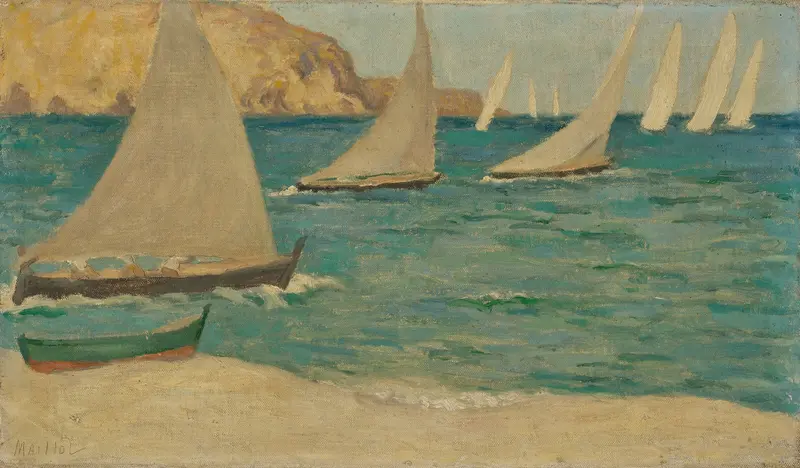
Les Régates
Aristide Maillol
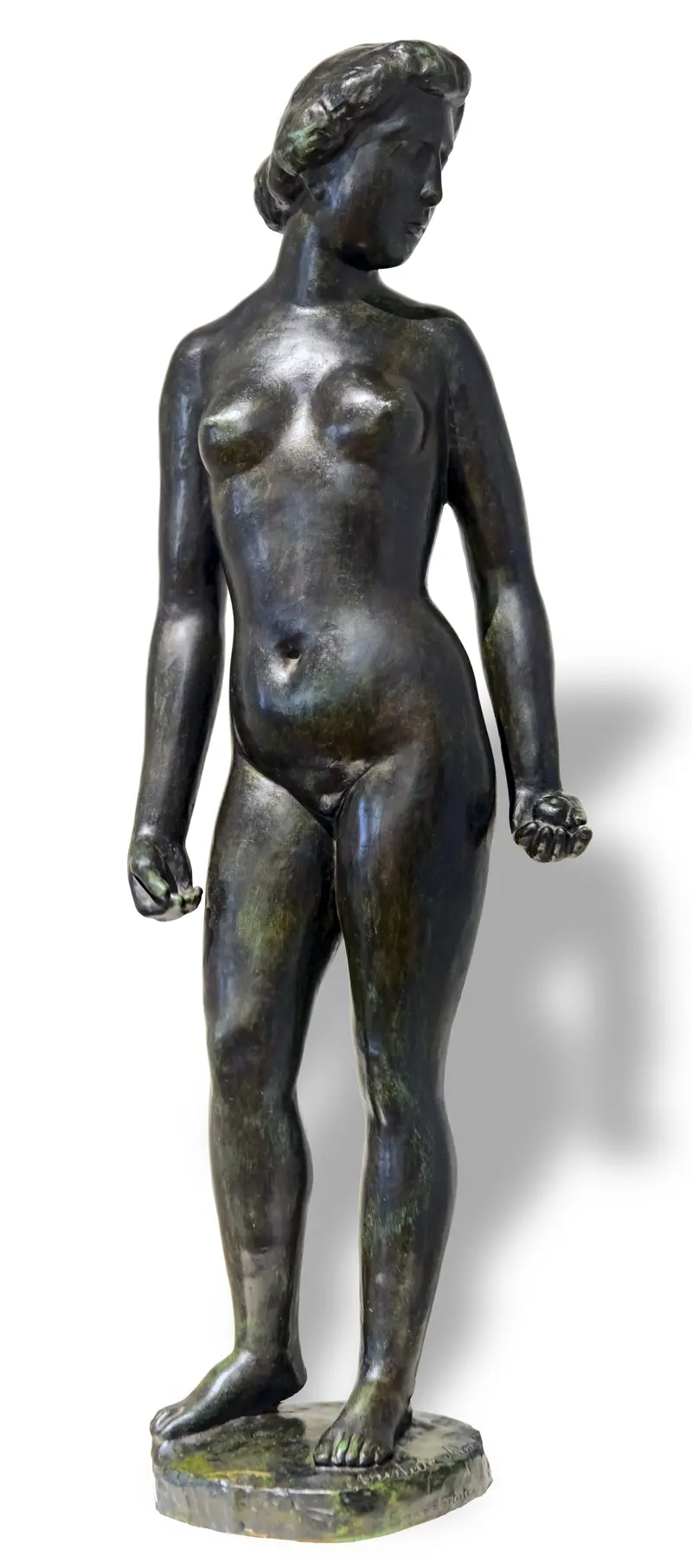
Eve with the Apple
Aristide Maillol
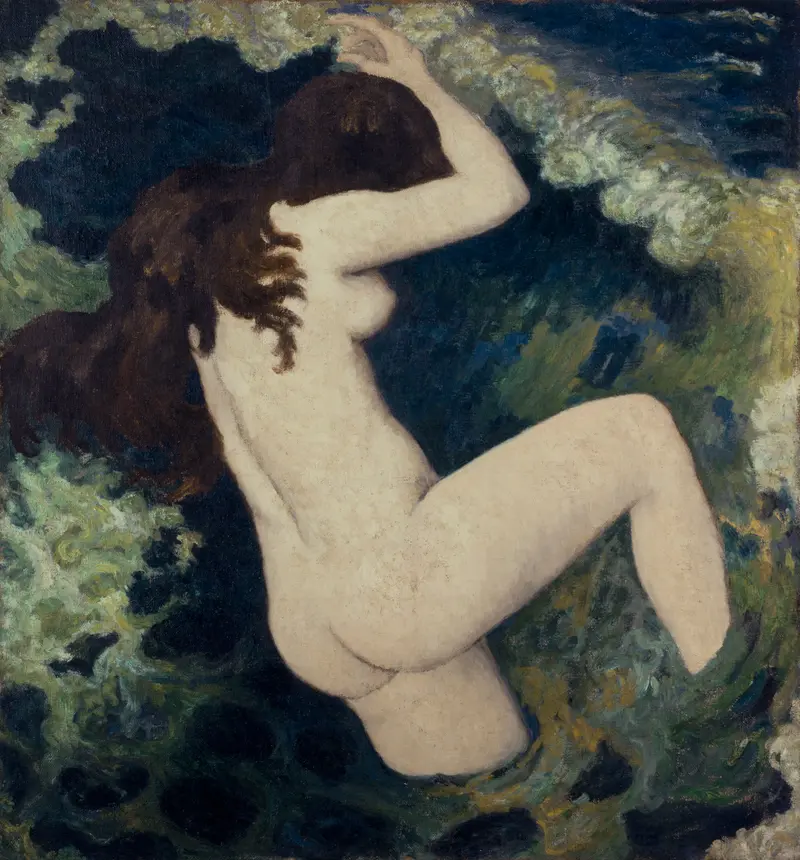
La vague
Aristide Maillol
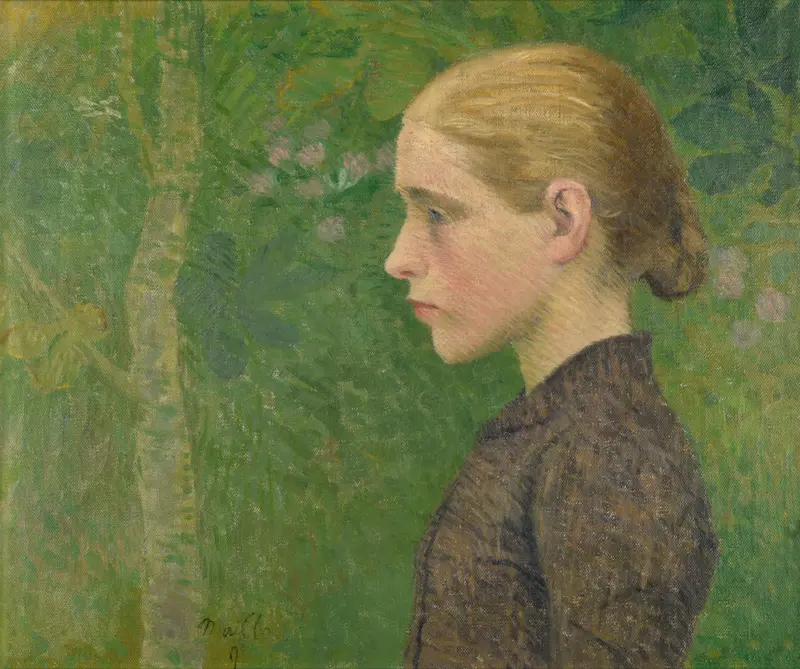
Jeune paysanne en buste
Aristide Maillol
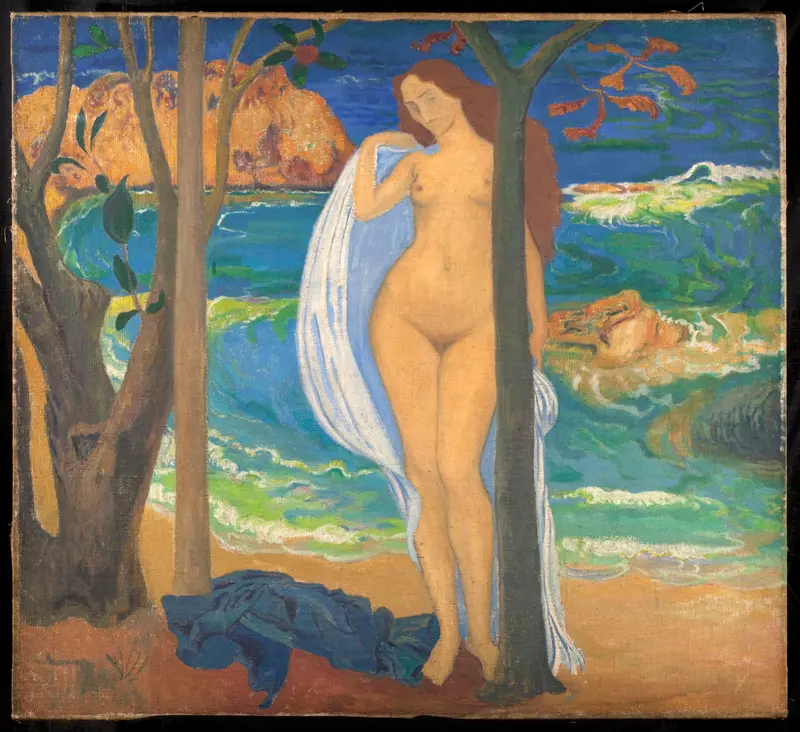
Méditerranée
Aristide Maillol
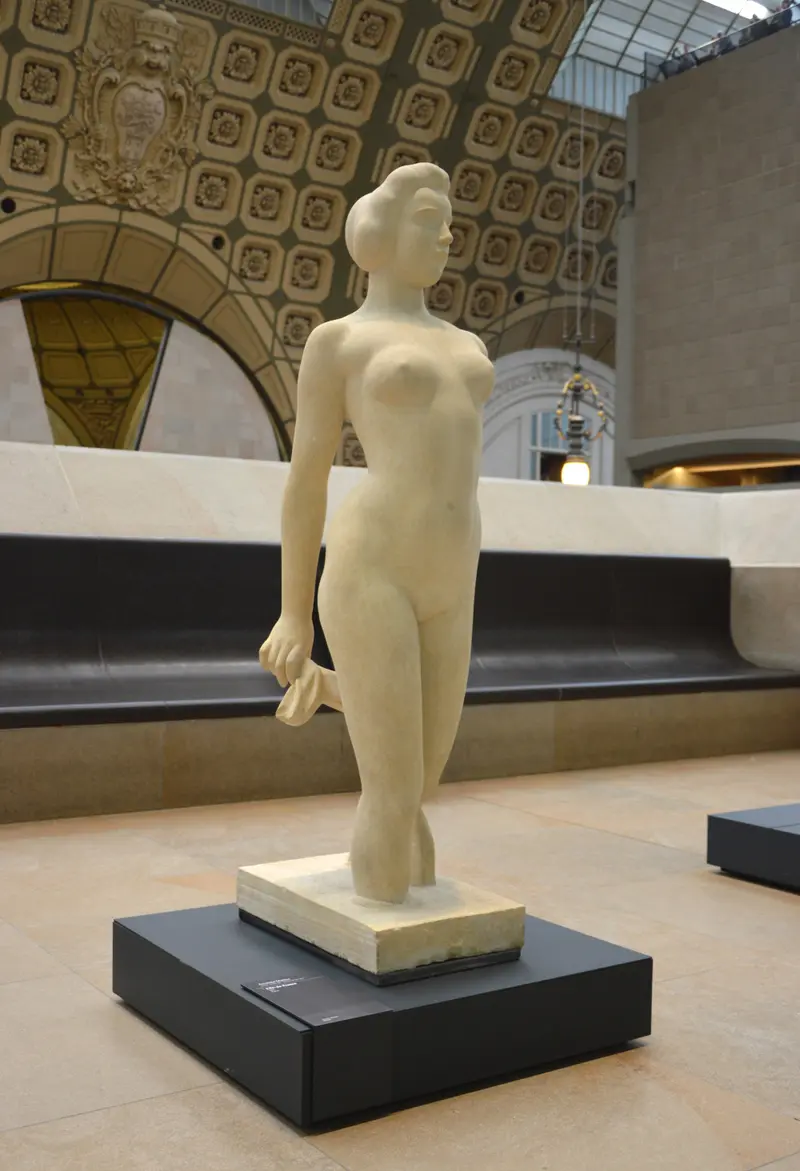
Ile de France
Aristide Maillol
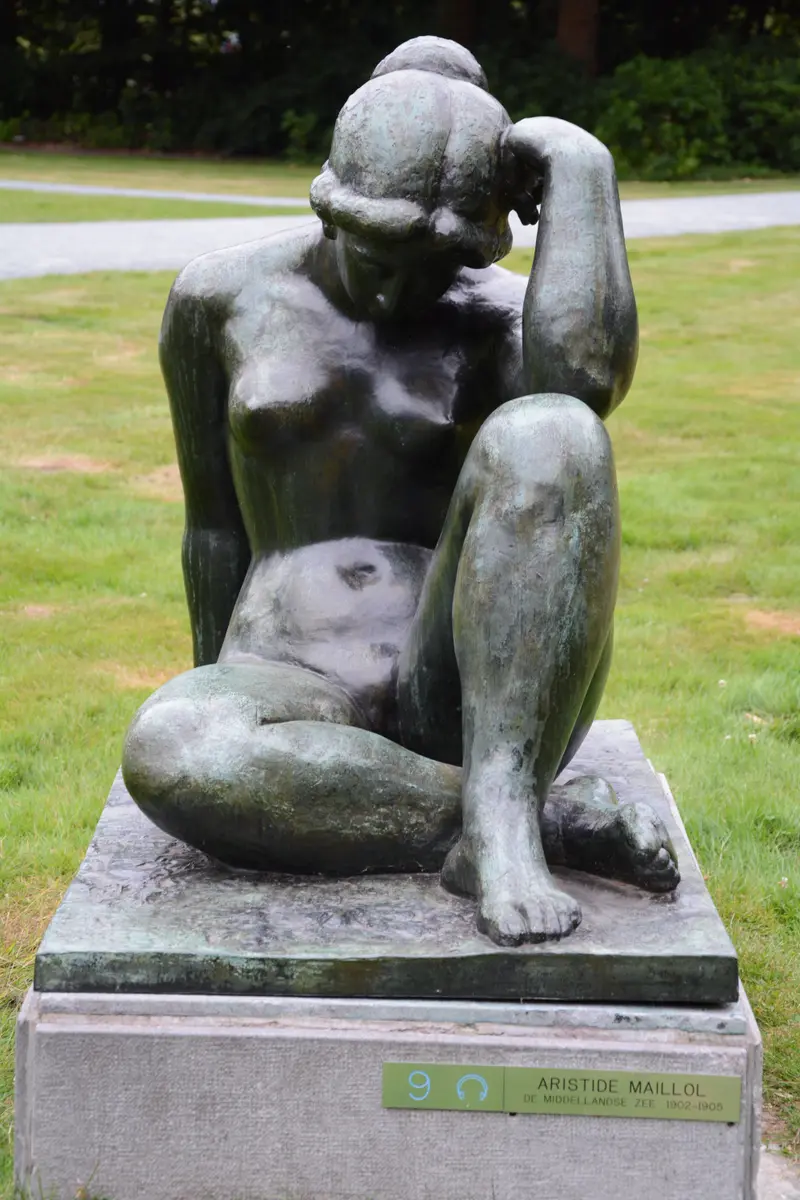
La Méditerranée
Aristide Maillol
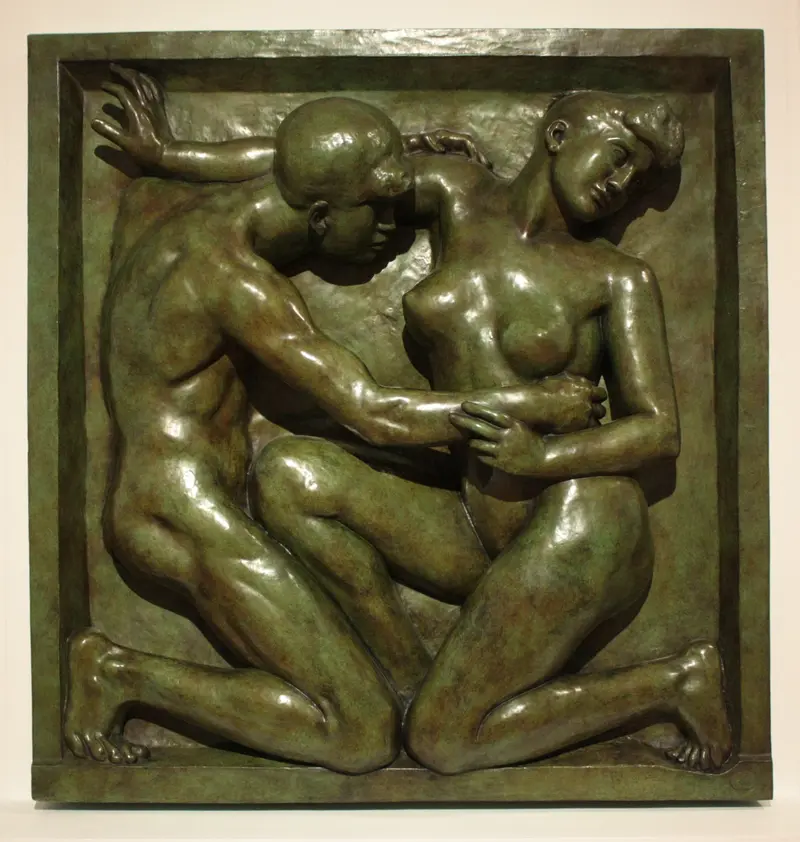
Le Désir
Aristide Maillol
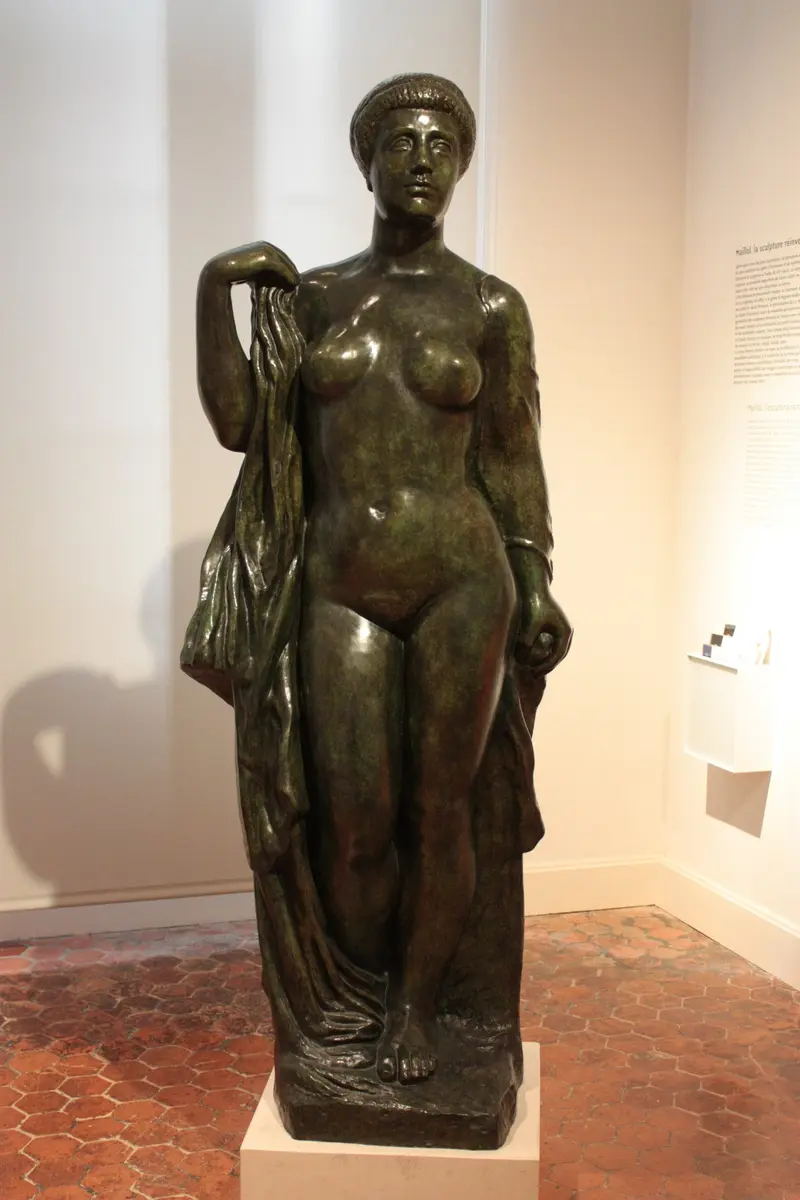
La Baigneuse drapée by Aristide Maillol
Aristide Maillol





