
Portrait of a donor — History & Facts
A man stands in quiet profile, hands pressed together in prayer, his gaze fixed just beyond the viewer as if seeking something both inward and eternal. The fur-lined robe drapes heavily around his shoulders, its dark mass setting off the pale, almost sculptural quality of his face and hands. Behind him, a delicate landscape unfurls: rolling hills, a scattering of trees, and the pale towers of a distant city, all bathed in the cool, silvery light of the north.
The composition draws the eye upward from the man's folded hands to his intent expression, then outward to the world behind him—a world that feels at once real and remote. Every detail, from the crisp edge of his collar to the careful articulation of the masonry, signals a sitter of means and gravity, yet the mood is one of introspection rather than display. Works like this Portrait of a donor, painted by Adriaen Isenbrant in the early sixteenth century, were often created as acts of devotion and remembrance. In the Low Countries of this period, it was common for wealthy patrons to commission their likenesses for inclusion in altarpieces or as standalone panels, their prayers made perpetual through art.
The date 1534 places this painting at a moment when the old forms of piety were being questioned and reinvented, yet the donor’s pose and setting remain rooted in tradition. Though history has kept few traces of this particular sitter’s identity or journey, the painting’s stillness and careful construction invite us to linger, to imagine the hopes and fears that might have shaped such a commission, and to follow the donor’s gaze into the painted distance.
More Artworks by Adriaen Isenbrant
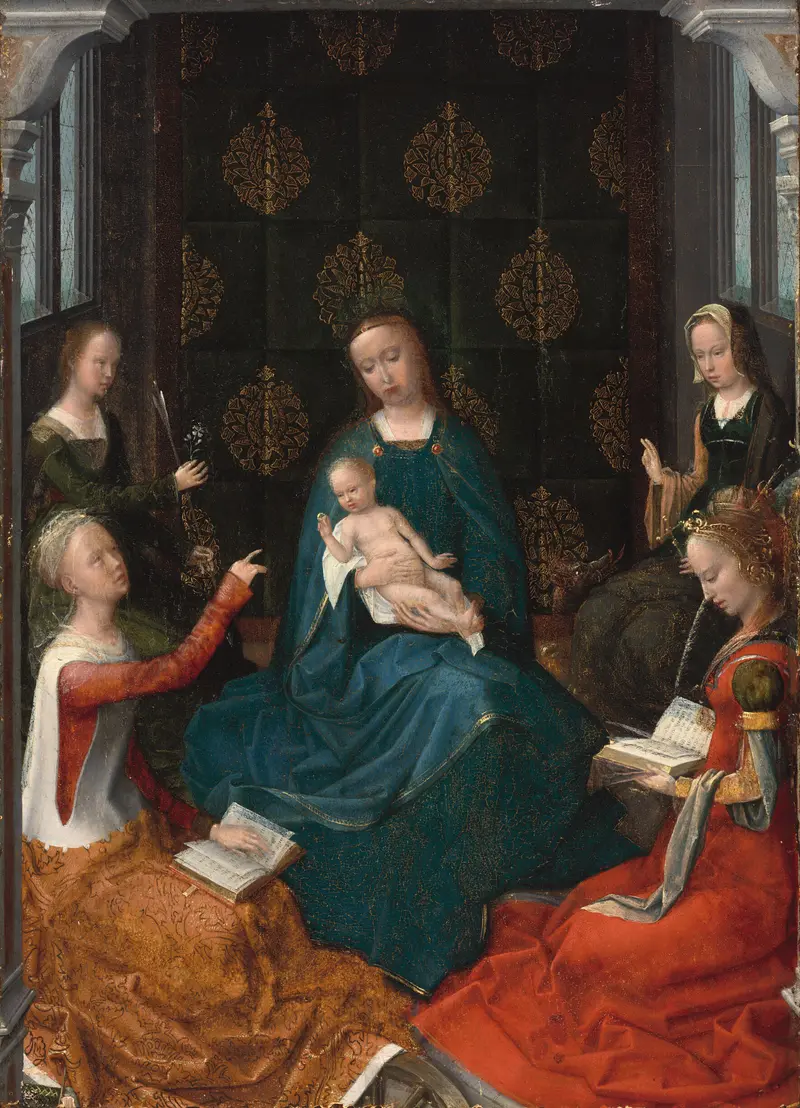
The Mystic Marriage of Saint Catherine of Alexandria with Three Female Saints: Ursula, Margaret of Antioch, and an Unidentified Martyr
Adriaen Isenbrant
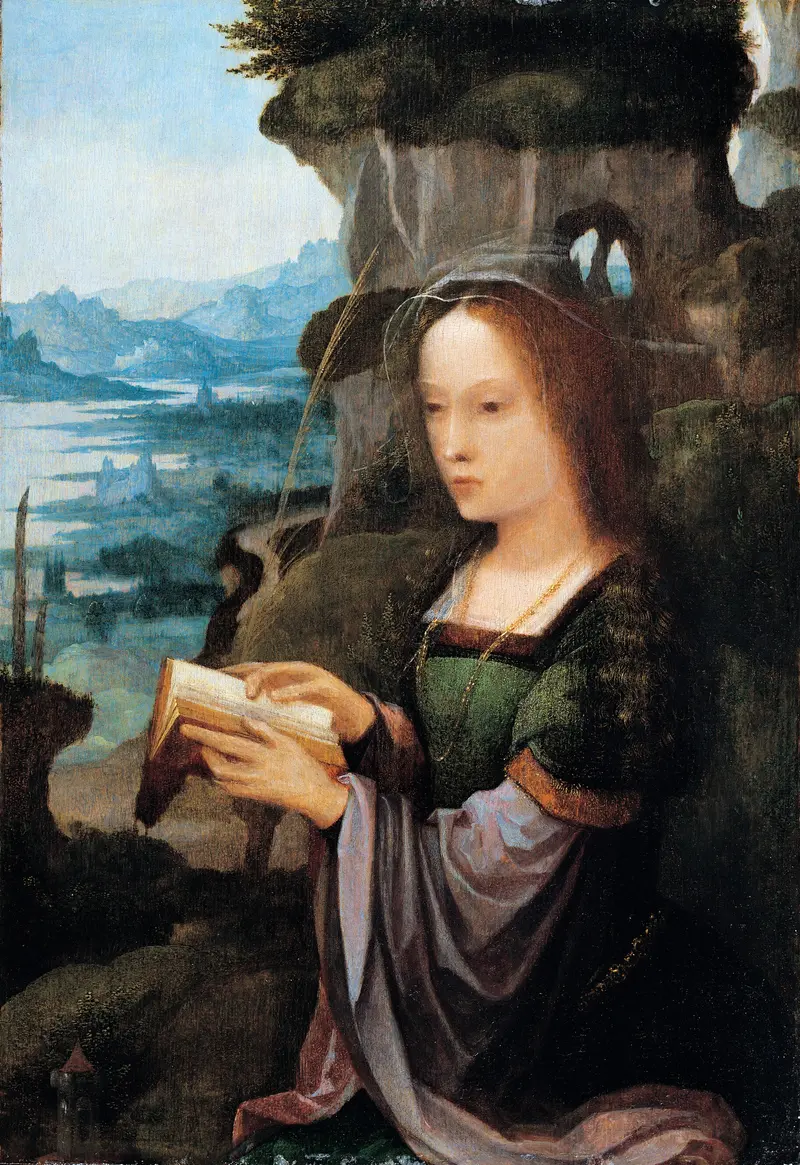
Saint Barbara
Adriaen Isenbrant
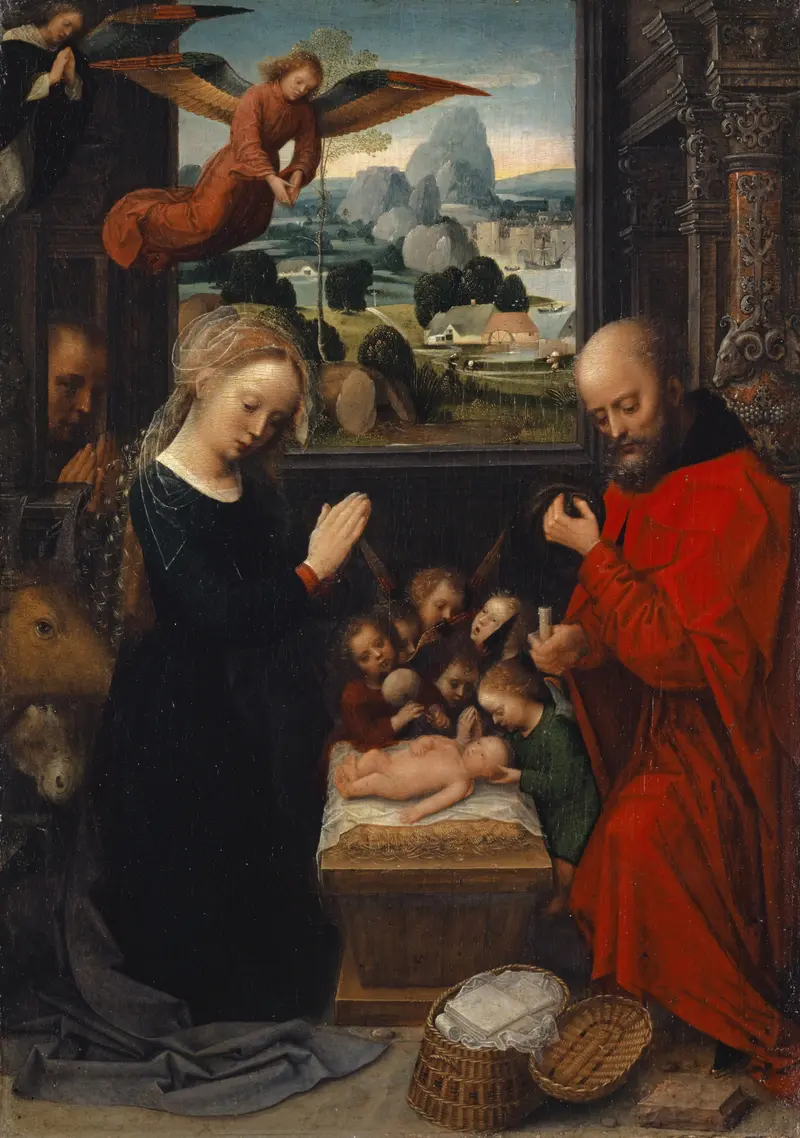
The Nativity
Adriaen Isenbrant
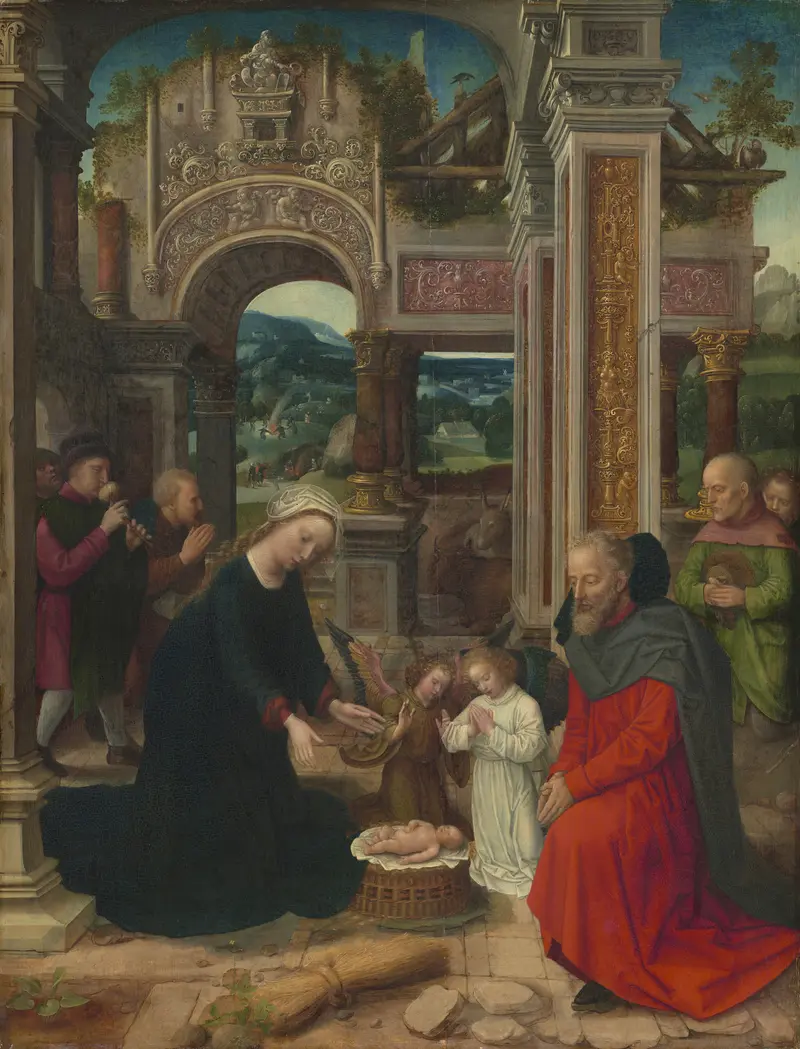
The Adoration of the Shepherds
Adriaen Isenbrant
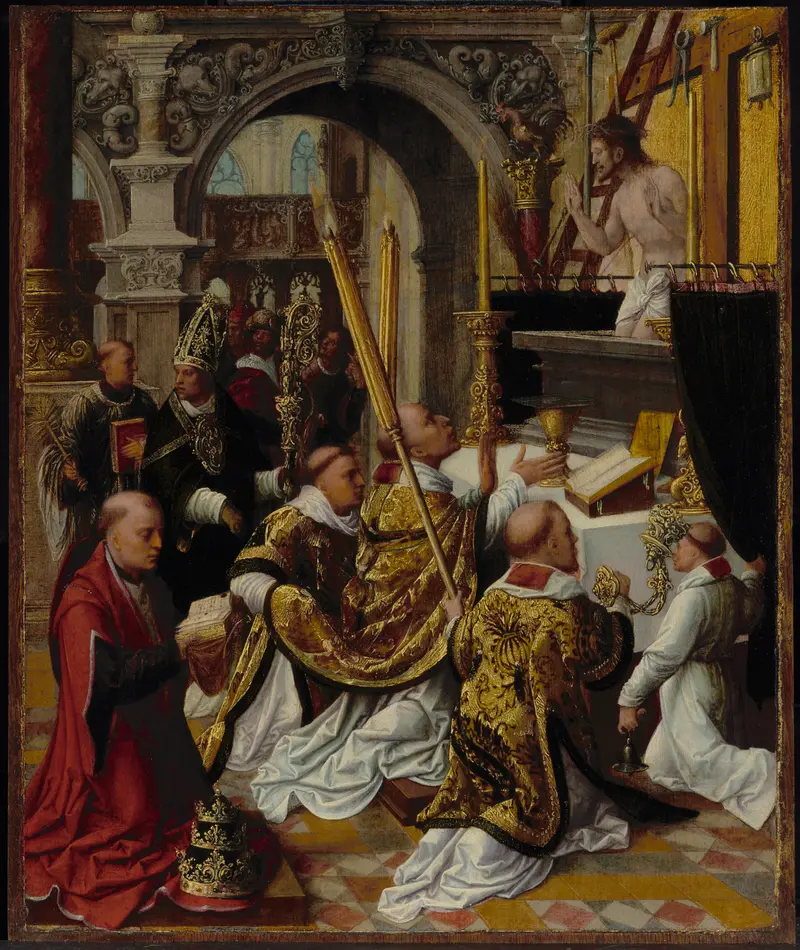
The Mass of Saint Gregory the Great
Adriaen Isenbrant
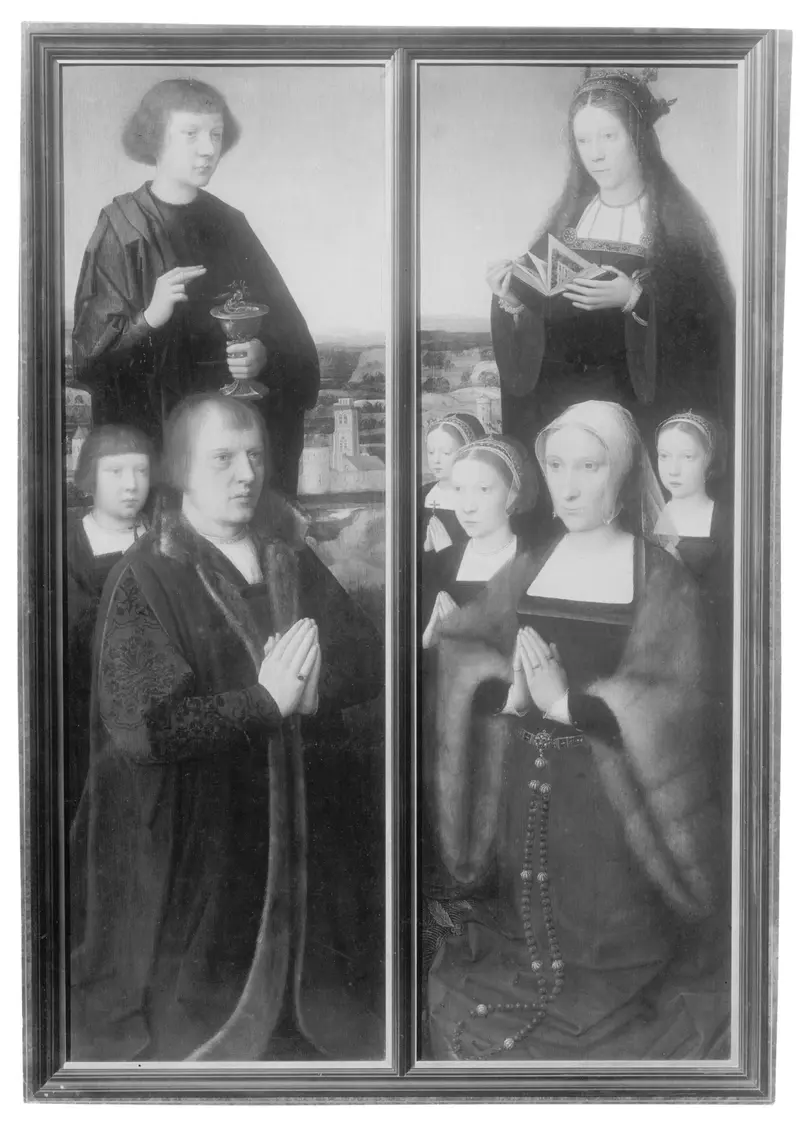
Wings of a polyptych with donors -Man with son and Saint, Woman with daughters and Saint (burned)
Adriaen Isenbrant
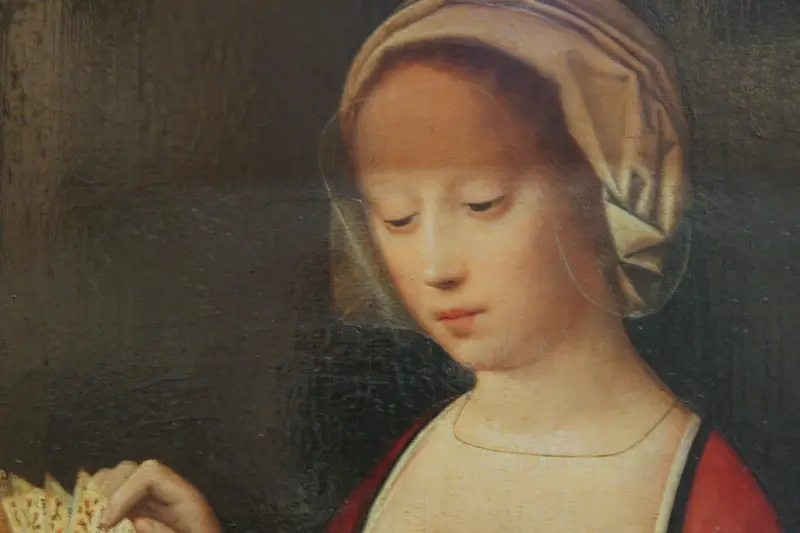
Mary Magdalene Reading
Adriaen Isenbrant
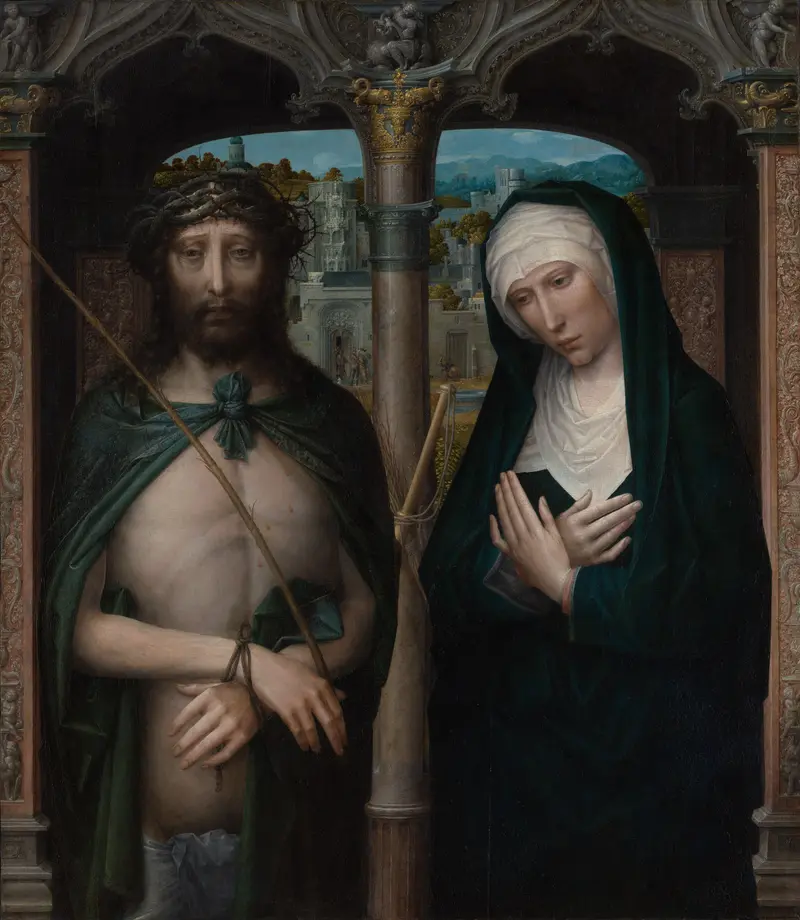
Christ Crowned with Thorns (Ecce Homo), and the Mourning Virgin
Adriaen Isenbrant
Madonna and Child
Adriaen Isenbrant
The 12-Year-Old Jesus in the Temple
Adriaen Isenbrant





