
Portrait of a Genoese Nobleman — History & Facts
No one knows for certain who sits for Portrait of a Genoese Nobleman, but the sitter’s identity has sparked debate for centuries, with some suggesting he was a member of the powerful Doria or Spinola families—names that carried enormous weight in late 16th-century Genoa. The painting stands as a rare example of Tintoretto’s engagement with the Genoese elite, a community more often associated with artists like Van Dyck or Rubens. Its air of mystery is heightened by the lack of documentation: no commission records survive, and even the medium remains uncertain, adding to the sense that the portrait itself is a puzzle left unsolved. The nobleman fixes the viewer with a direct, almost challenging gaze, his hand resting on the hilt of a sword—a gesture that signals both status and readiness.
His dark, opulent clothing is trimmed with delicate lace, and a heavy gold chain lies across his chest, marking him as a man of wealth and consequence. The background is subdued, drawing the eye to the sitter’s sharply lit face and the subtle play of light on his garments, a technique Tintoretto often used to heighten psychological presence. Unlike the more theatrical portraits of Titian, here the drama is internal: the sitter’s slight turn and compressed lips suggest guarded confidence, a man accustomed to power but aware of its burdens. Little is known of the painting’s early journey, though it likely remained in Genoa for generations, passed down through noble hands before entering the broader European art market.
Attribution to Tintoretto was once questioned, given the artist’s large workshop and the prevalence of imitators, but stylistic analysis and comparison with authenticated late works have largely settled the matter in his favor. Today, Portrait of a Genoese Nobleman is recognized as a testament to Tintoretto’s versatility beyond his Venetian commissions, offering a rare glimpse into the world of Genoese aristocracy at the height of its power. Its current home in the museum allows viewers to encounter both the sitter’s enigma and the painter’s restless, probing brush.
More Artworks by Tintoretto
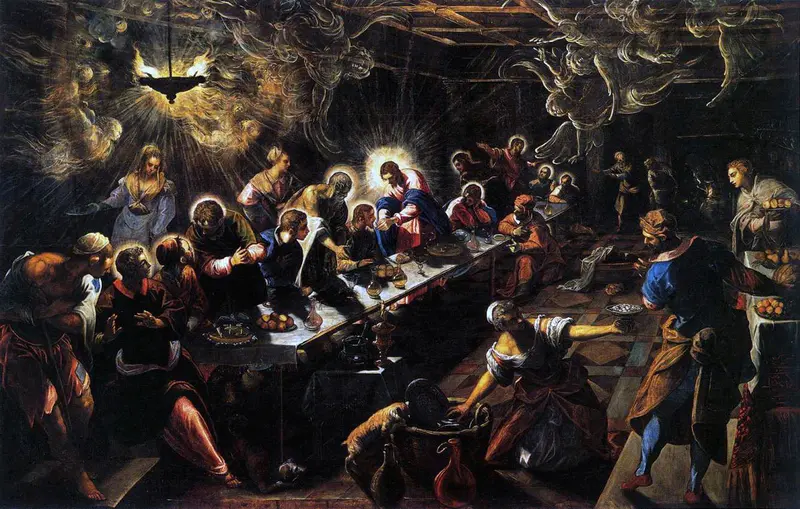
The Last Supper
Tintoretto
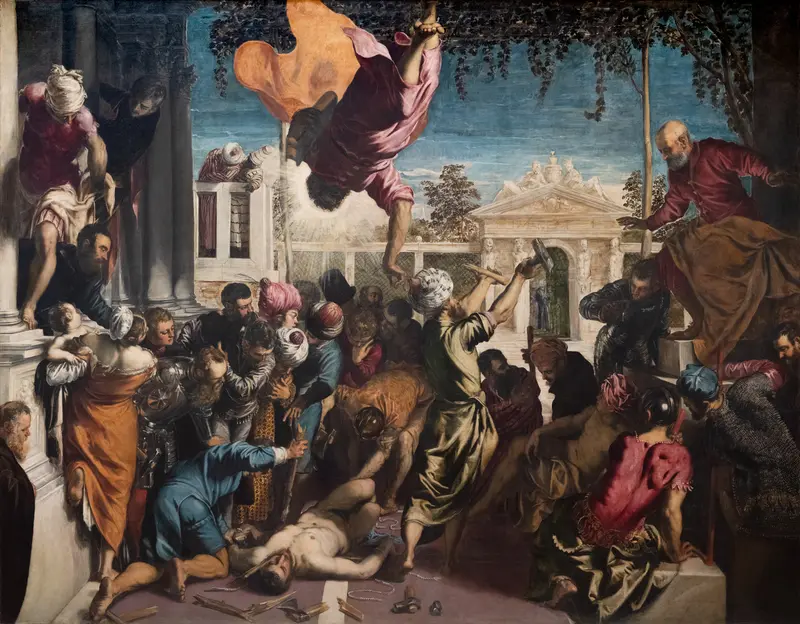
The Miracle of the Slave
Tintoretto
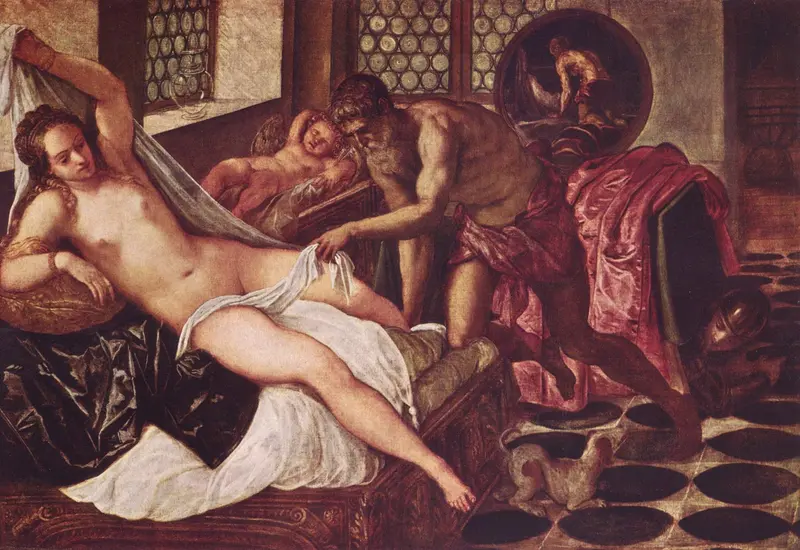
Venus and Mars Surprised by Vulcan
Tintoretto

Adoration of the Shepherds
Tintoretto
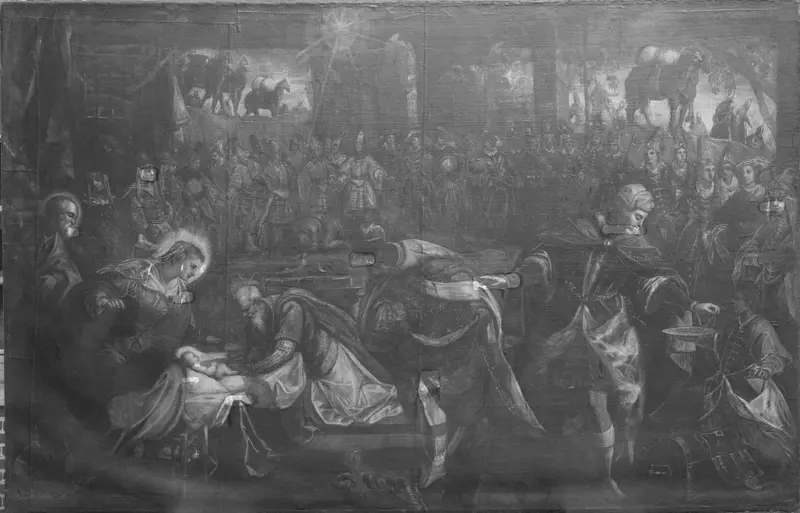
Adoration of the Magi
Tintoretto
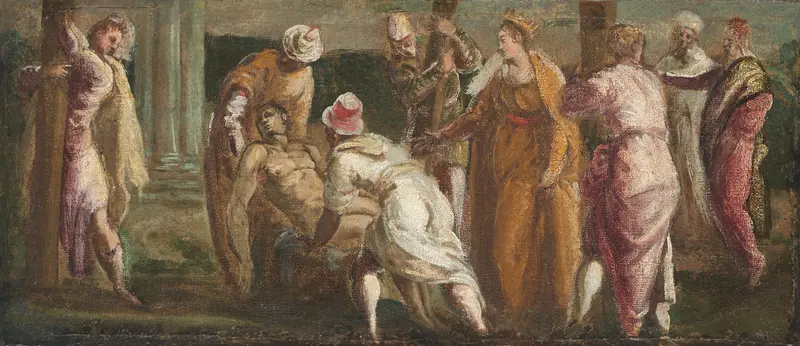
Saint Helen Testing the True Cross
Tintoretto
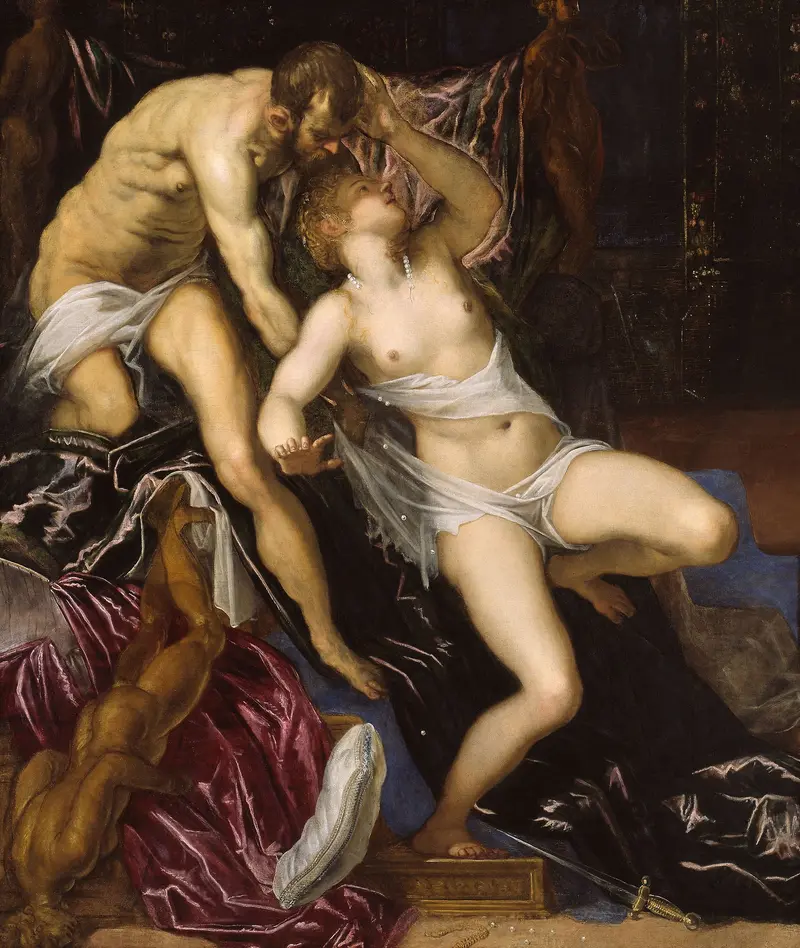
Tarquin and Lucretia
Tintoretto
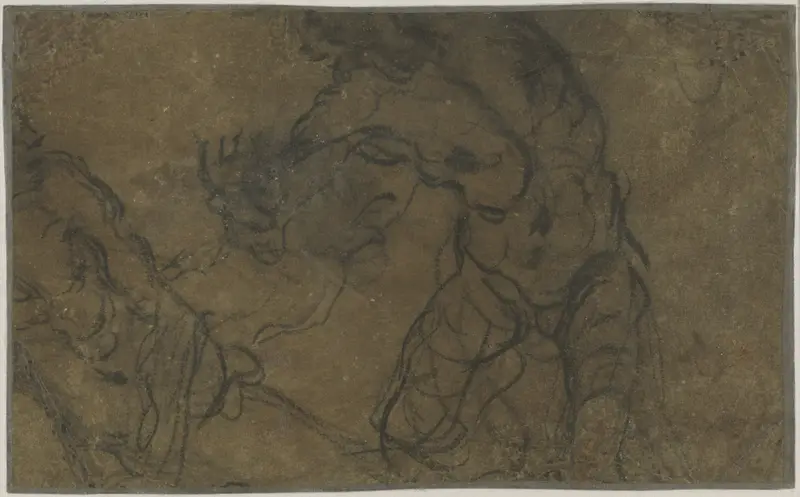
Two Male Figures in Motion (verso)
Tintoretto
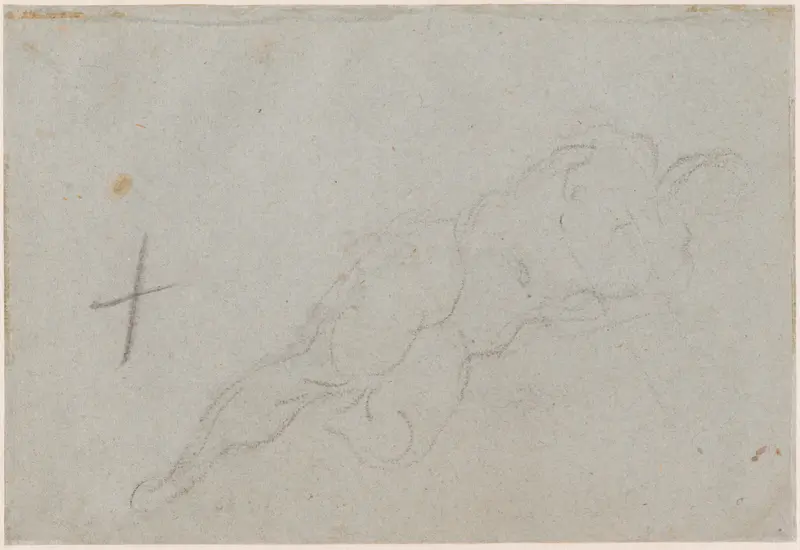
A Female Nude [verso]
Tintoretto
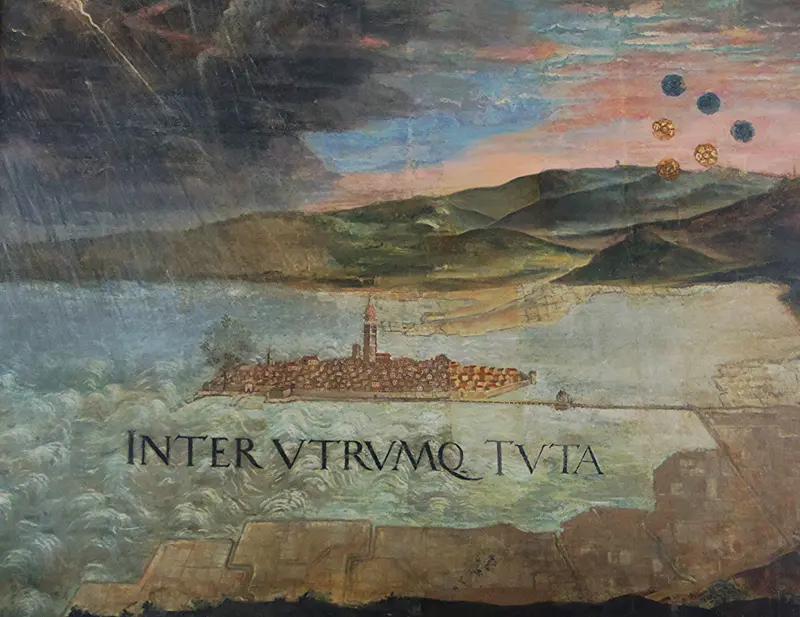
Veduta Kopra
Tintoretto





