
Portrait of a Gentleman — History & Facts
No other painting by John Linnell has provoked as much speculation about its sitter as Portrait of a Gentleman. Despite Linnell’s reputation as a meticulous chronicler of his subjects, the identity of this gentleman remains unknown, a rarity among his portraits. This mystery has led to lively debate among art historians: some suggest a connection to the artist’s circle of intellectuals in early Victorian London, while others propose a patron lost to history.
The absence of a date and signature only deepens the intrigue, making this work a puzzle for both scholars and admirers. The gentleman meets our gaze with a directness unusual for the era, his eyes alert beneath a sweep of carefully combed hair. Linnell’s attention to the textures of the dark coat and crisp white collar suggests a man of some means, yet the lack of ostentatious jewelry or insignia keeps his social rank ambiguous. The soft, warm light falls across his features, highlighting a thoughtful expression that hints at inner life rather than public persona.
Unlike the formal rigidity of Sir Thomas Lawrence’s society portraits, Linnell’s approach here is intimate, almost conversational, inviting viewers to wonder about the sitter’s story. As with many of Linnell’s portraits, Portrait of a Gentleman likely began as a private commission, but its subsequent history is obscure. It may have remained in the sitter’s family for generations before entering the art market, as was common with works of this type. Today, the painting is valued not only as an example of Linnell’s skill but also as a window into the shifting conventions of British portraiture in the first half of the nineteenth century.
Its unresolved mysteries continue to attract attention, ensuring its place in both scholarly discussion and public fascination.
More Artworks by John Linnell

A View Near Hampstead
John Linnell
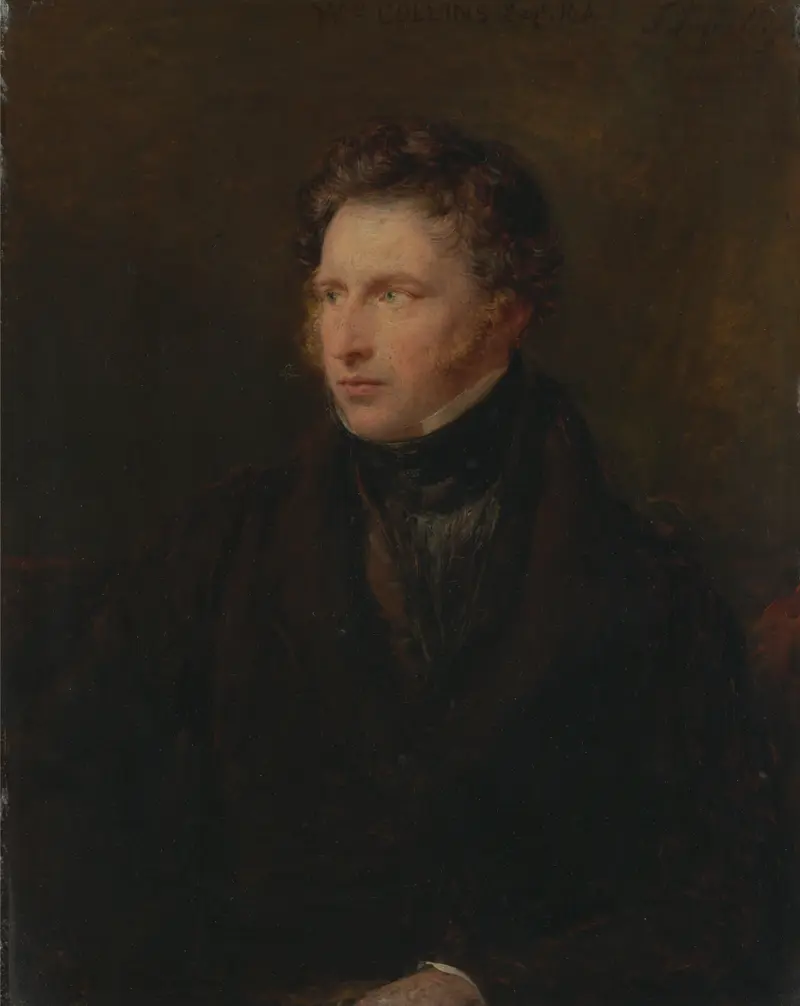
William Collins, R.A.
John Linnell
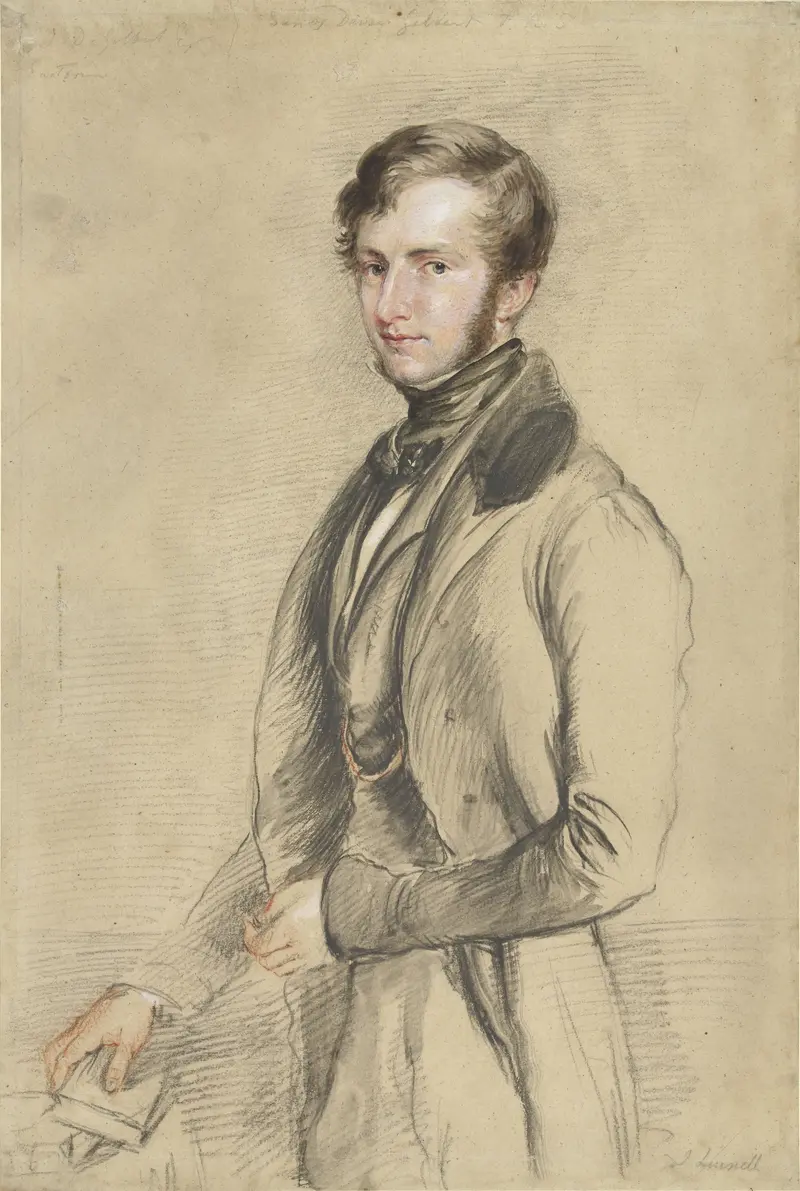
Portrait of John Davies Gilbert
John Linnell
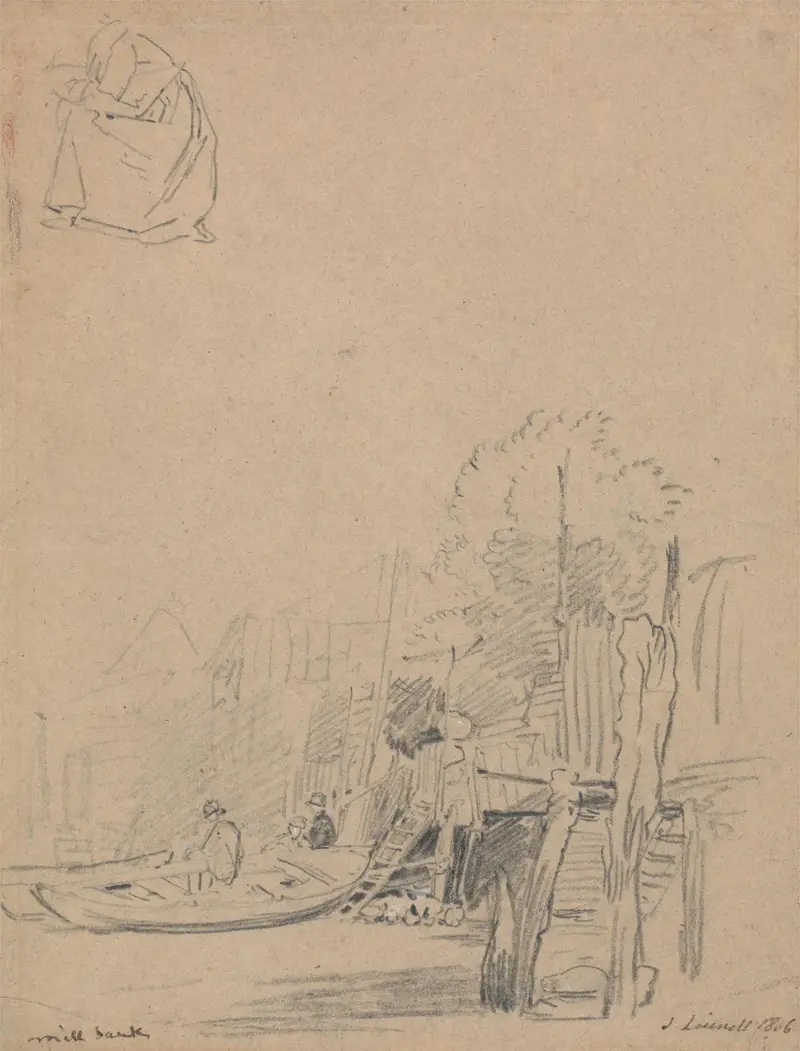
Millbank
John Linnell
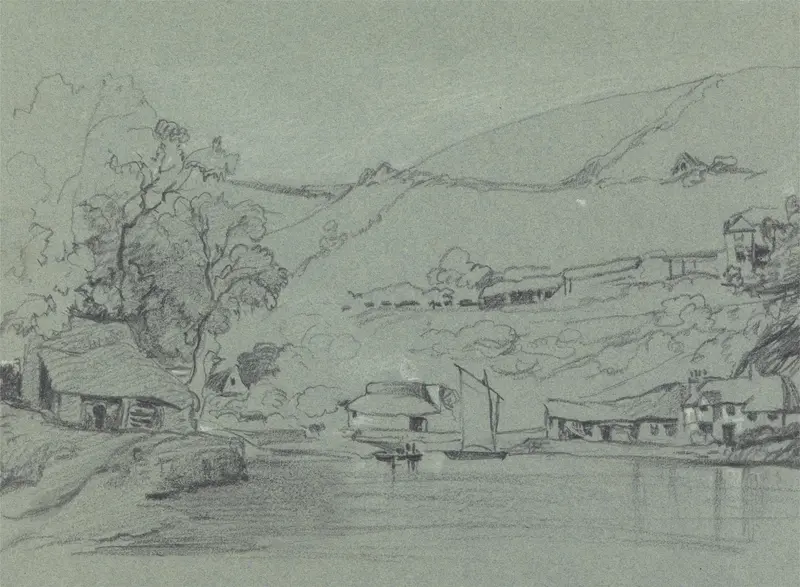
Scene in Kent
John Linnell
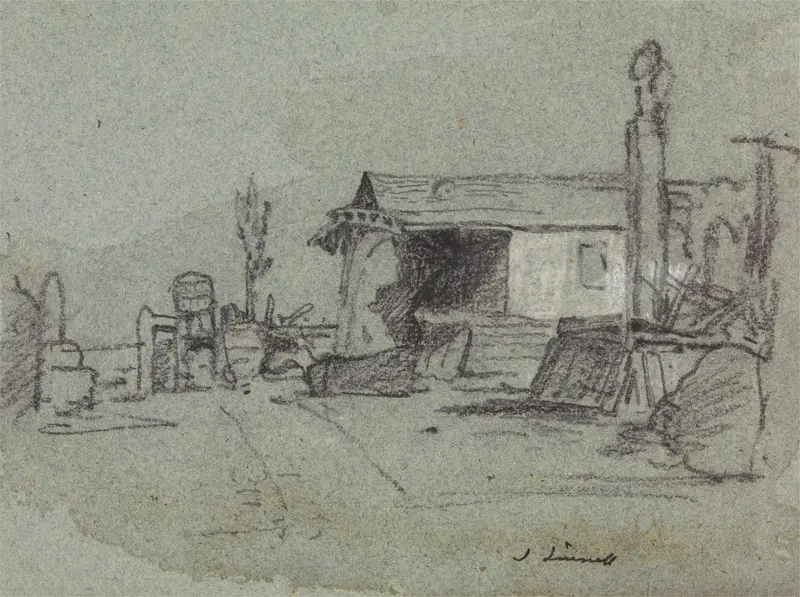
A Scene in the Edgware Road, London
John Linnell
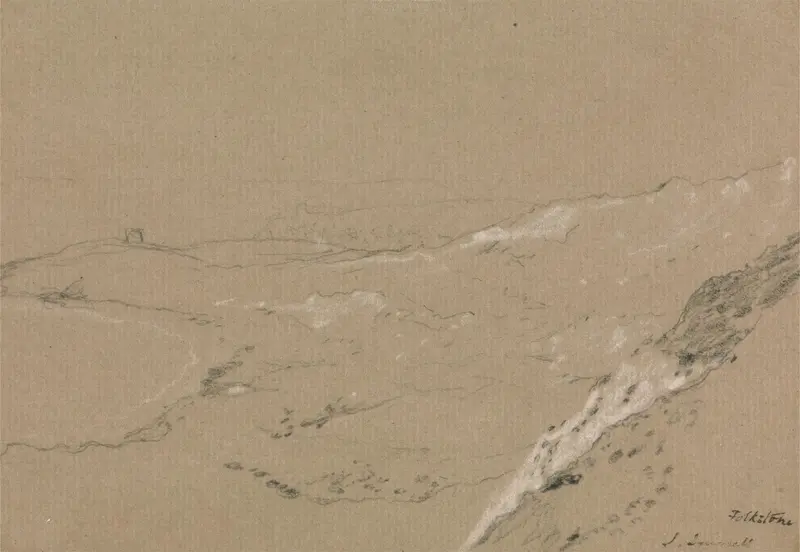
Folkestone
John Linnell
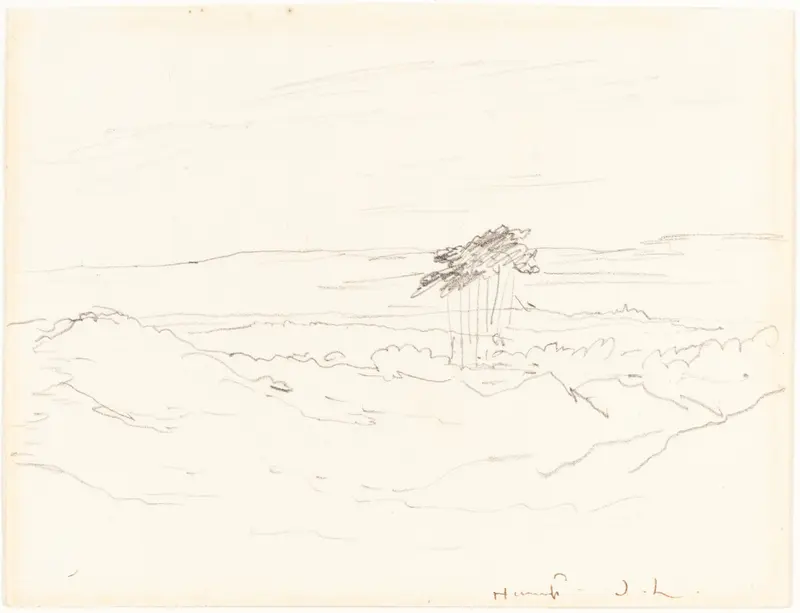
Hampstead Heath
John Linnell
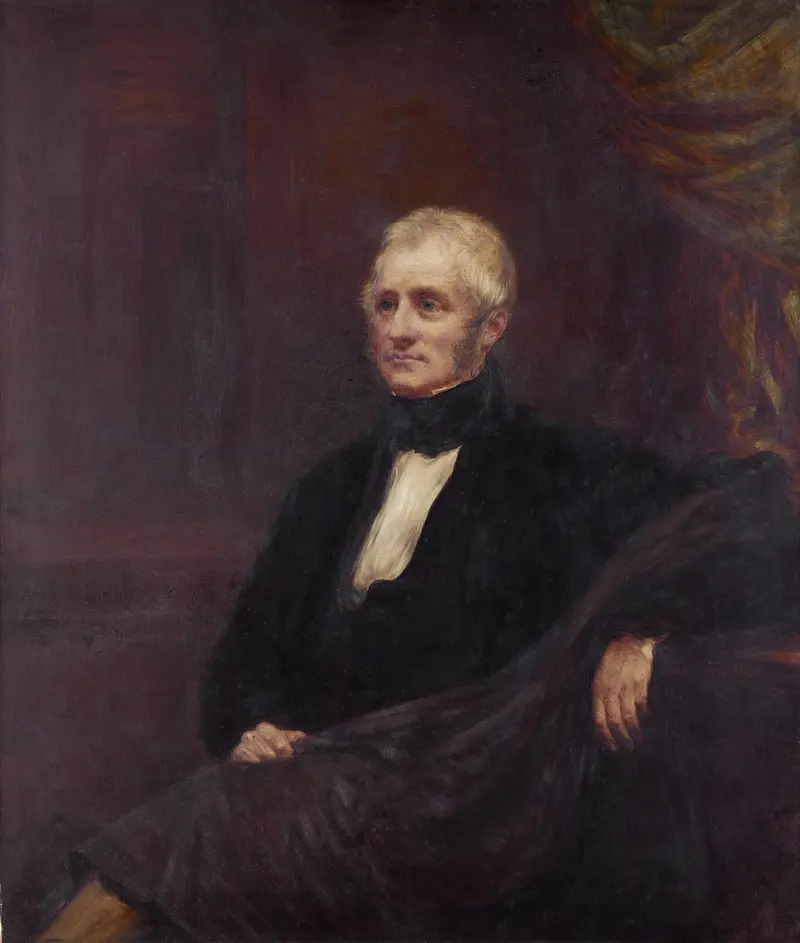
Henry Stephen Fox-Strangways, 3rd Earl Of Ilchester
John Linnell
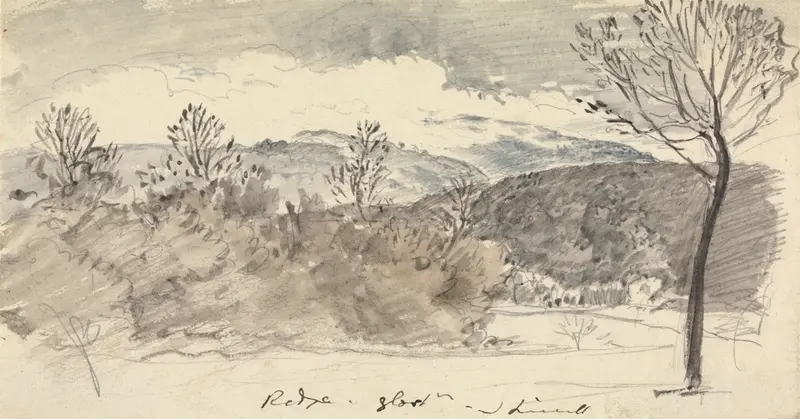
View at Mr. Sheppard’s, The Ridge, Gloucestershire
John Linnell





