
Portrait of a gentleman (Scipione Borghese?) — History & Facts
No one can say for certain who sits before us in Portrait of a gentleman (Scipione Borghese?), a mystery that has intrigued art historians for centuries. The painting has often been linked to Cardinal Scipione Borghese, one of Rome’s most powerful art patrons and a key supporter of Caravaggio himself, but no contemporary record confirms the sitter’s identity. This uncertainty has only deepened the painting’s allure, as scholars debate whether the intense gaze belongs to Borghese or another figure from the artist’s Roman circle.
The portrait stands as a rare example of Caravaggio’s approach to portraiture—a genre he seldom pursued, making each surviving example a subject of close scrutiny. The man in the painting meets the viewer’s eyes directly, his expression caught between confidence and wariness. Caravaggio floods the face and hands with his signature dramatic light, isolating the sitter against a dark, undefined background. The subject’s attire is rich but understated, lacking the overt symbols of ecclesiastical or noble rank, and his slightly parted lips suggest he is about to speak.
Unlike the formal, static poses favored by Titian or Van Dyck, Caravaggio’s sitter appears caught in a fleeting moment, human and vulnerable. The realism of the flesh, the play of light on fabric, and the psychological immediacy all point to Caravaggio’s radical vision for painting the truth of a person. The history of this painting is as shadowy as its background. There is no surviving documentation of its original commission, and its early provenance remains uncertain—a fate not uncommon for Caravaggio’s works, many of which were scattered or misattributed after his turbulent life.
Over the centuries, the portrait has passed through various collections, with attributions shifting as new evidence and scholarship emerged. Today, it is generally accepted as an authentic work by Caravaggio, dating to around 1601, and it offers a rare glimpse into the artist’s short-lived Roman period. The painting’s unresolved identity continues to invite speculation, ensuring its place as both an artwork and an enduring enigma.
More Artworks by Caravaggio
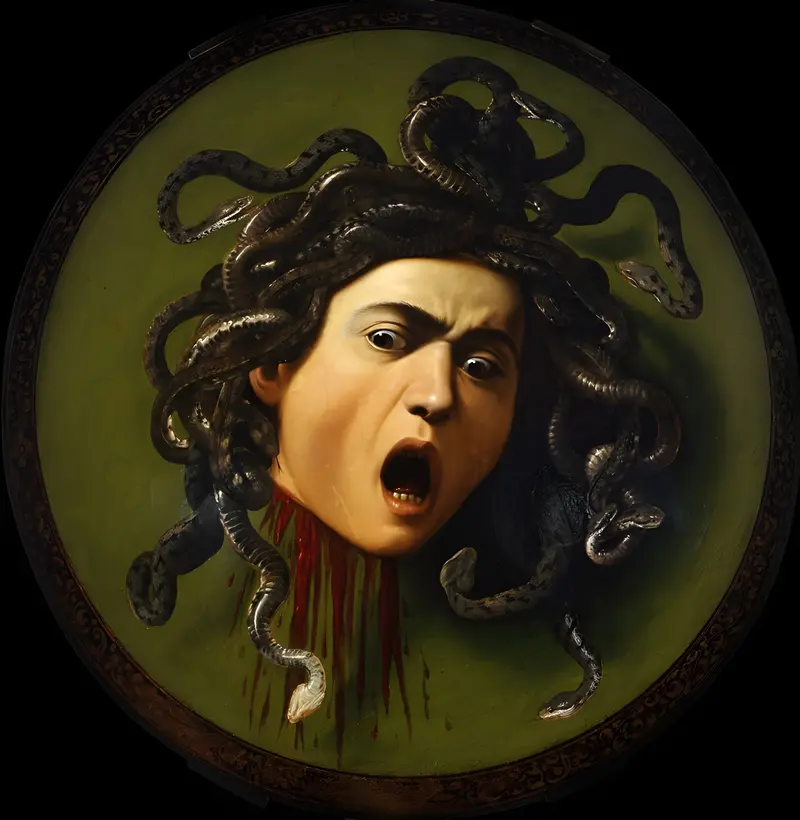
Medusa
Caravaggio
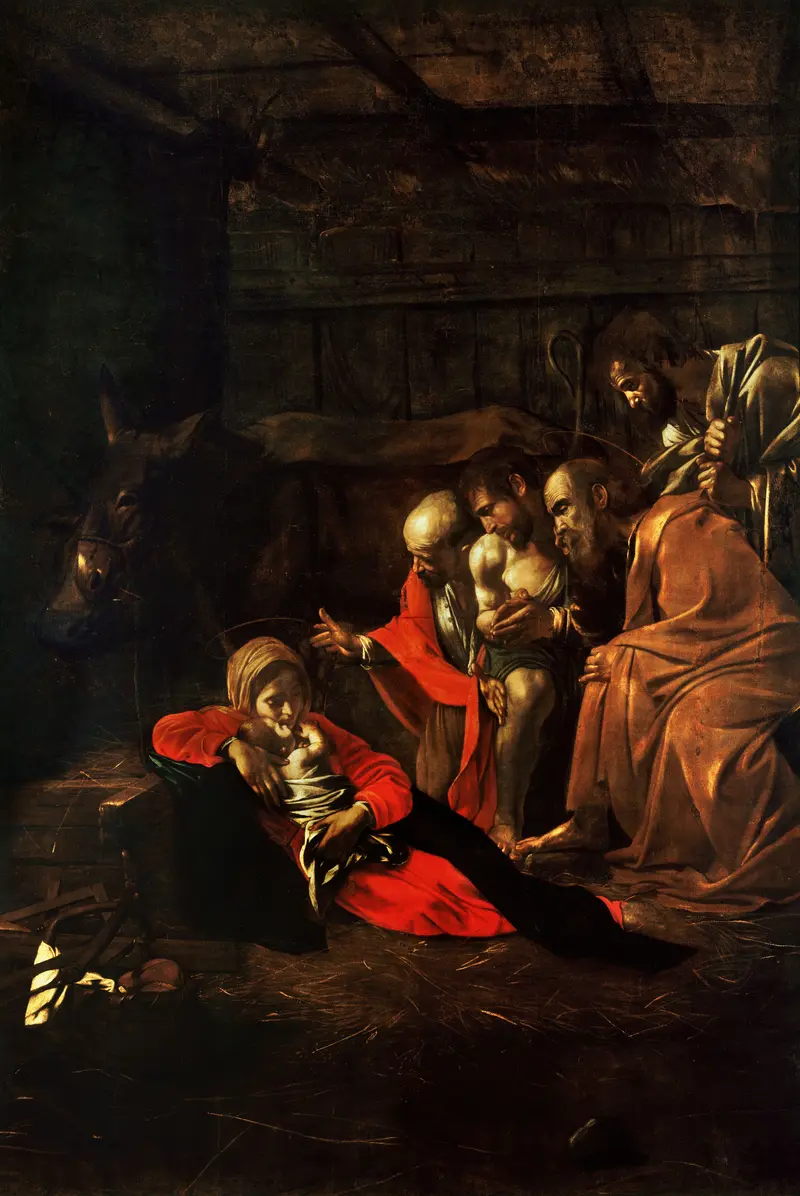
Adoration of the Shepherds
Caravaggio
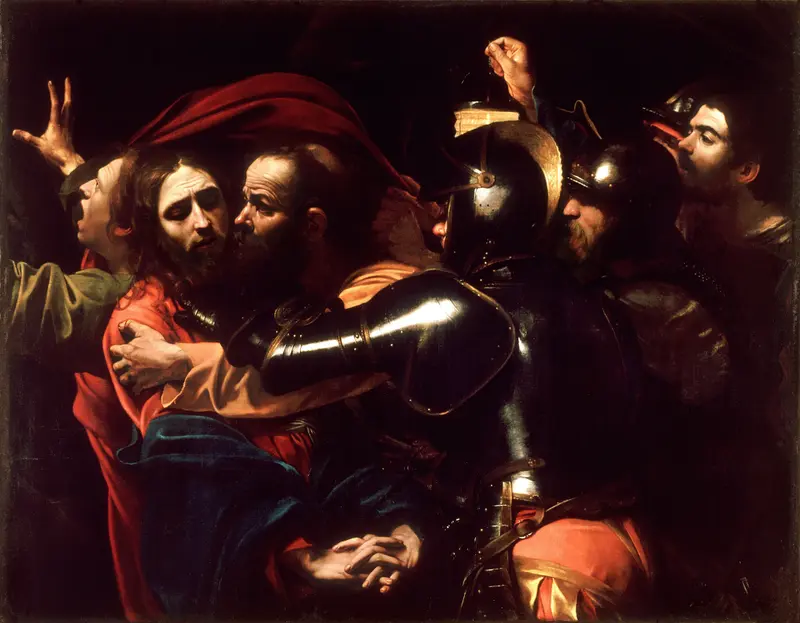
The Taking of Christ
Caravaggio
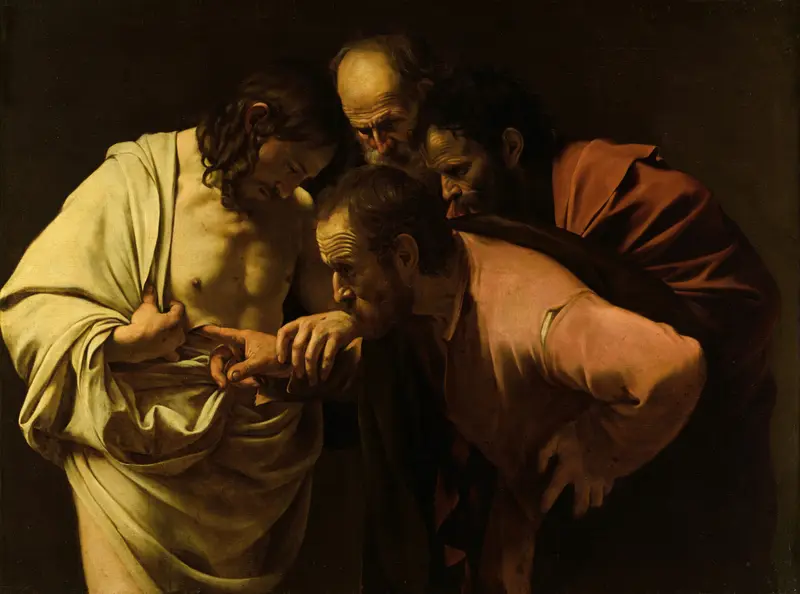
The Incredulity of Saint Thomas
Caravaggio
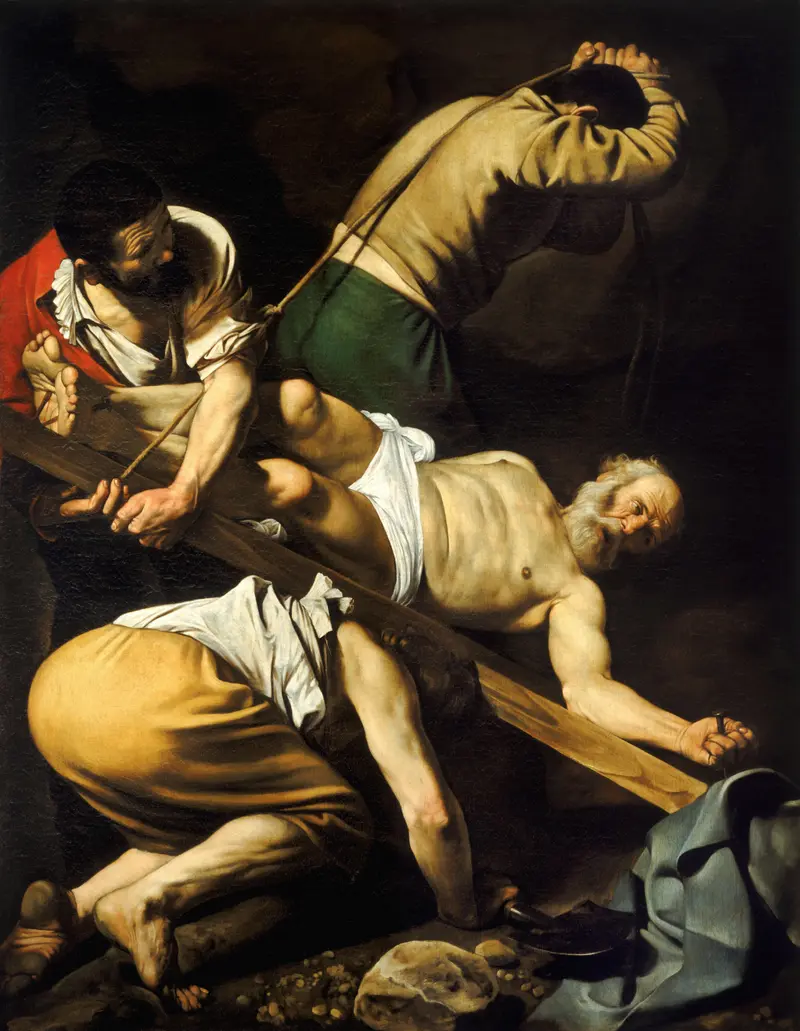
Crucifixion of Saint Peter
Caravaggio
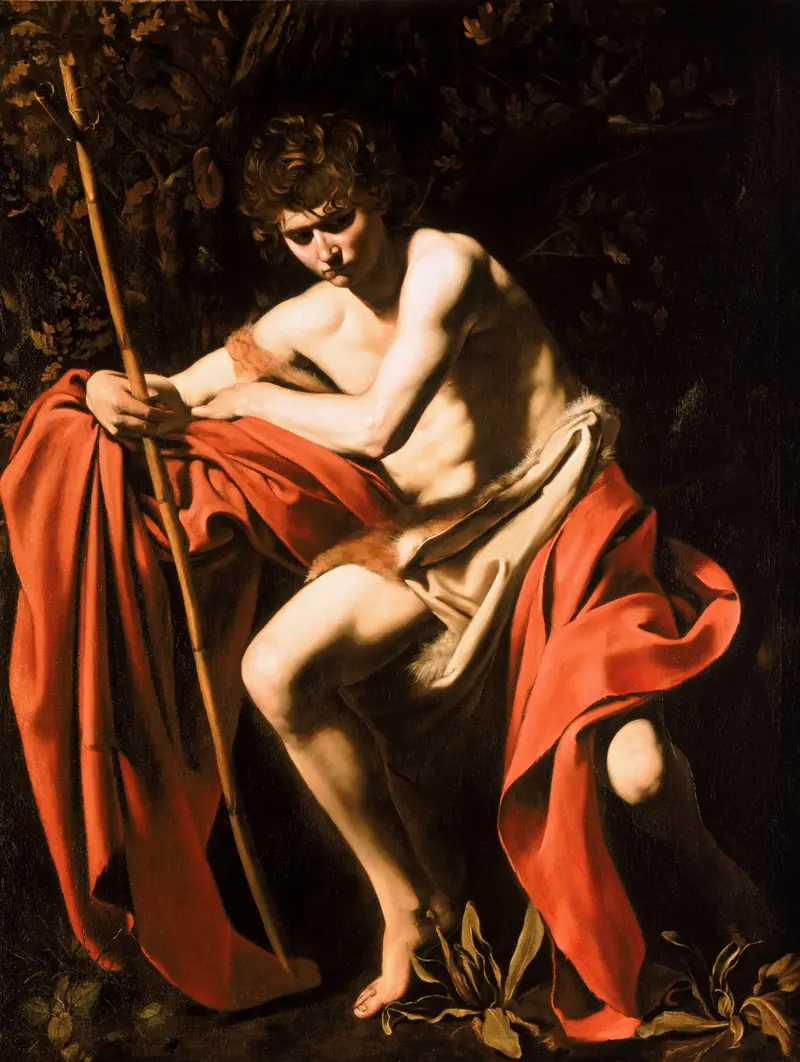
Saint John The Baptist In The Wilderness
Caravaggio

Saint Matthew and the angel
Caravaggio
The Inspiration of Saint Matthew
Caravaggio

Conversion on the Way to Damascus
Caravaggio
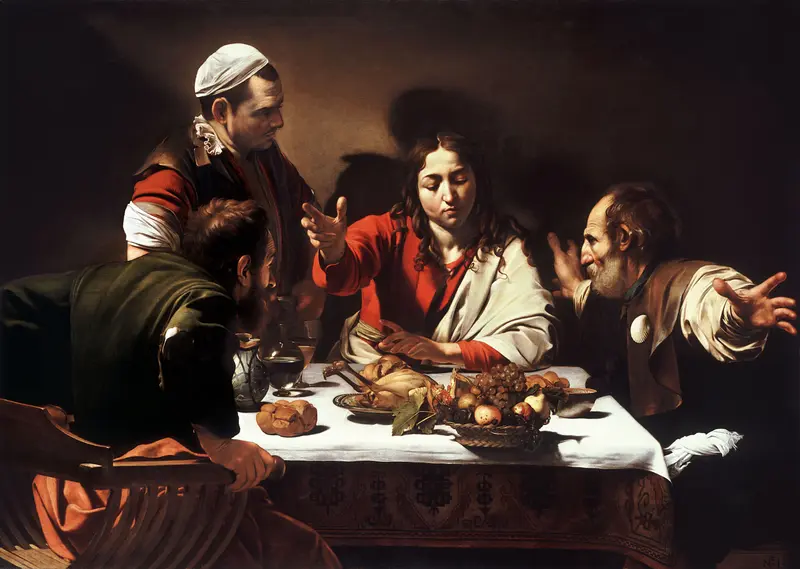
Supper at Emmaus
Caravaggio





