
Portrait of a Lady — History & Facts
What first catches the eye is the crystalline clarity with which the sitter’s profile emerges against an unbroken sky—a vision of poise and self-possession. The light falls evenly across her features, revealing the delicate flush of her cheek and the smooth, almost sculptural modeling of her forehead and nose. Every detail feels chosen to signal status: the intricate lacework on her sleeve, the gleam of pearls at her neck and in her hair, the careful arrangement of her coiffure.
The sitter’s gaze is calm, directed just past the viewer, as if she is both present and already a memory. The blue background, free of distraction, gives her a timeless presence, while the finely rendered textures invite the viewer to linger over every thread and jewel. Painted around 1470, this Portrait of a Lady by Antonio del Pollaiuolo belongs to a moment when Florentine society was discovering the power of individual likeness. Such portraits were often commissioned to mark marriages or family alliances, their purpose as much social as artistic.
The profile view, inherited from ancient coins and medals, was favored for its clarity and dignity, and artists like Pollaiuolo competed to capture not just a face but a sense of lineage and virtue. While history has kept few traces of this particular sitter or the painting’s journey, its style and precision root it firmly in the world of Renaissance Florence—a world where art, fashion, and identity were woven together as tightly as the gold threads in her sleeve. Look again at her expression: reserved, assured, and quietly aware of being seen.
More Artworks by Antonio del Pollaiuolo

Martyrdom of Saint Sebastian
Antonio del Pollaiuolo
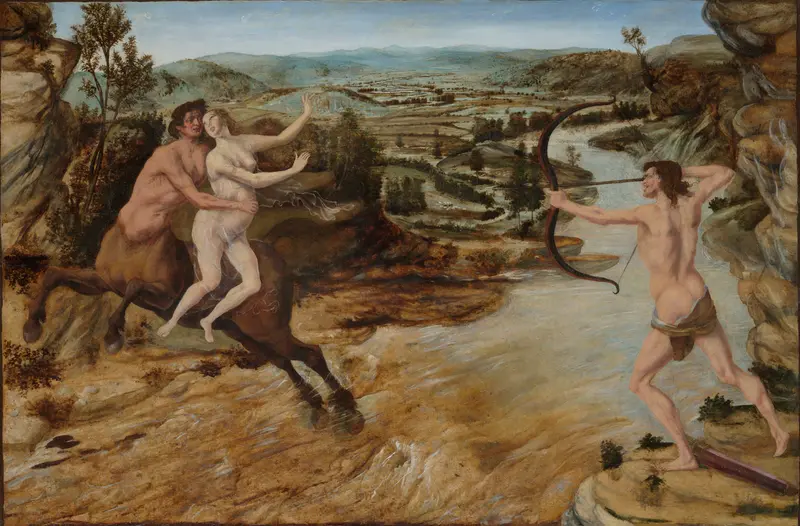
Hercules and Deianira
Antonio del Pollaiuolo
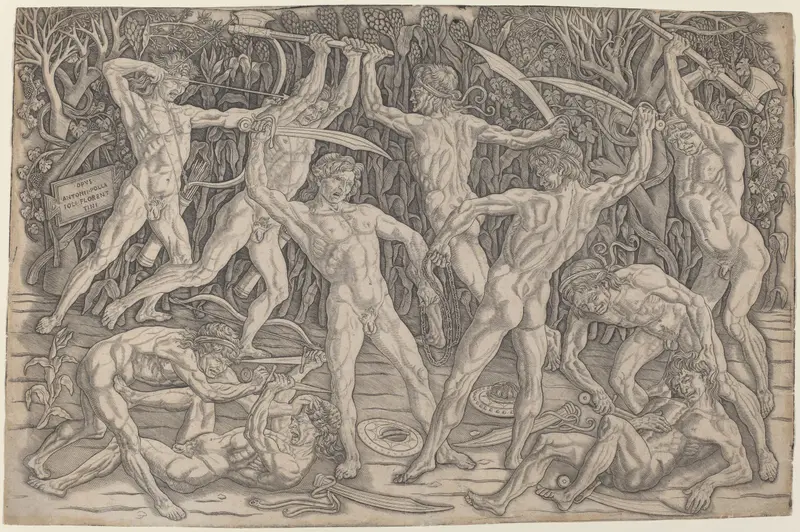
Battle of the Nudes
Antonio del Pollaiuolo
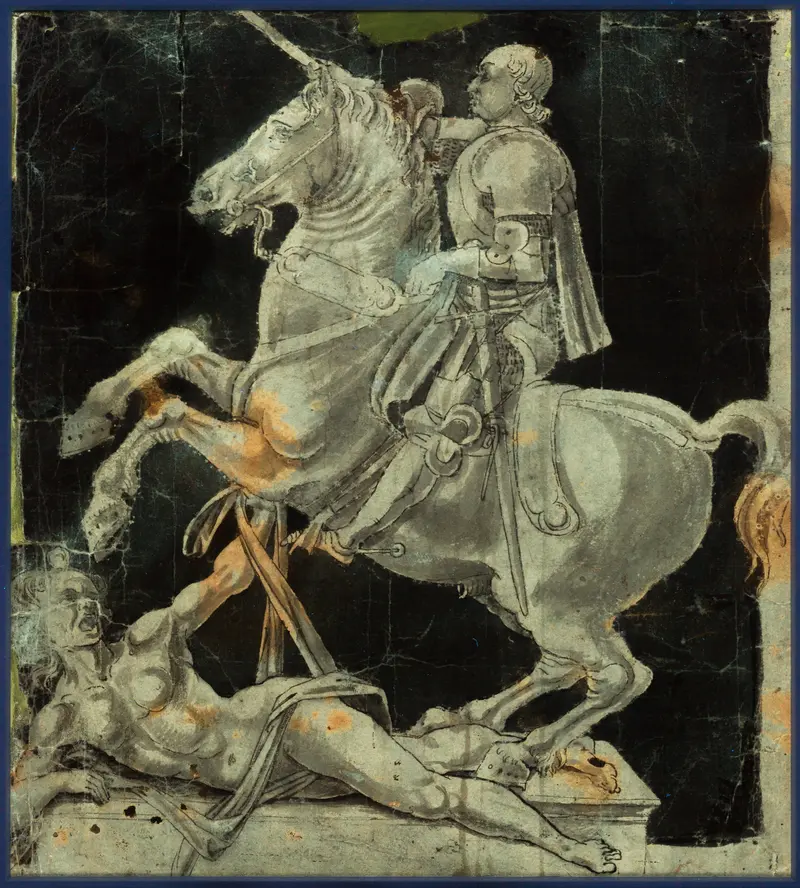
Study for the Equestrian Monument to Francesco Sforza
Antonio del Pollaiuolo
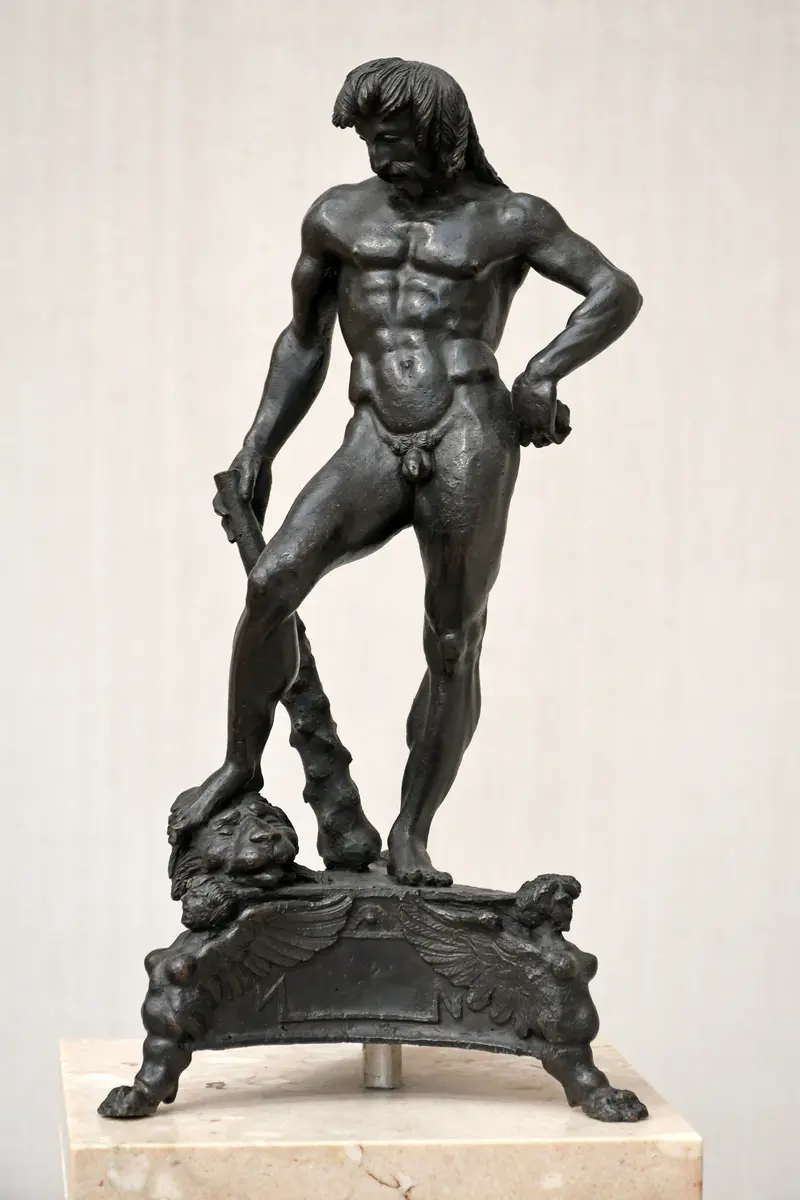
Heracles
Antonio del Pollaiuolo
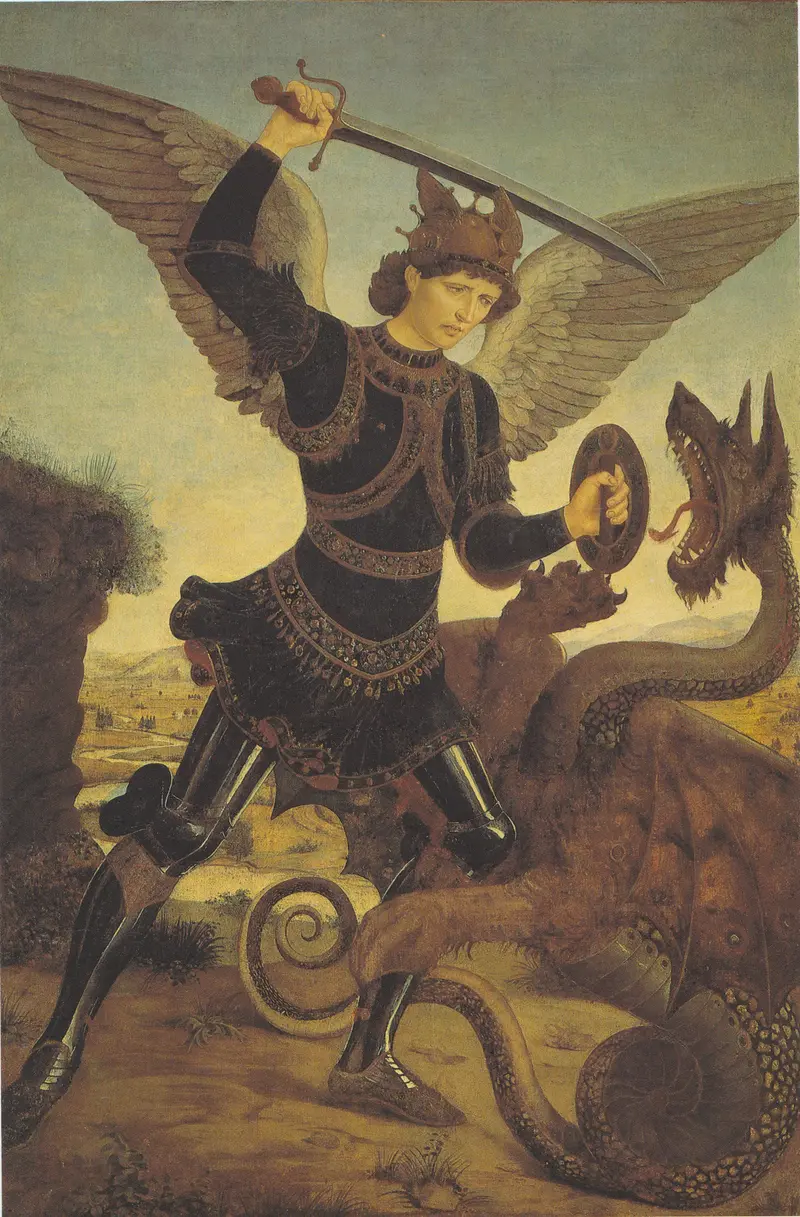
Archangel Michael and the dragon
Antonio del Pollaiuolo
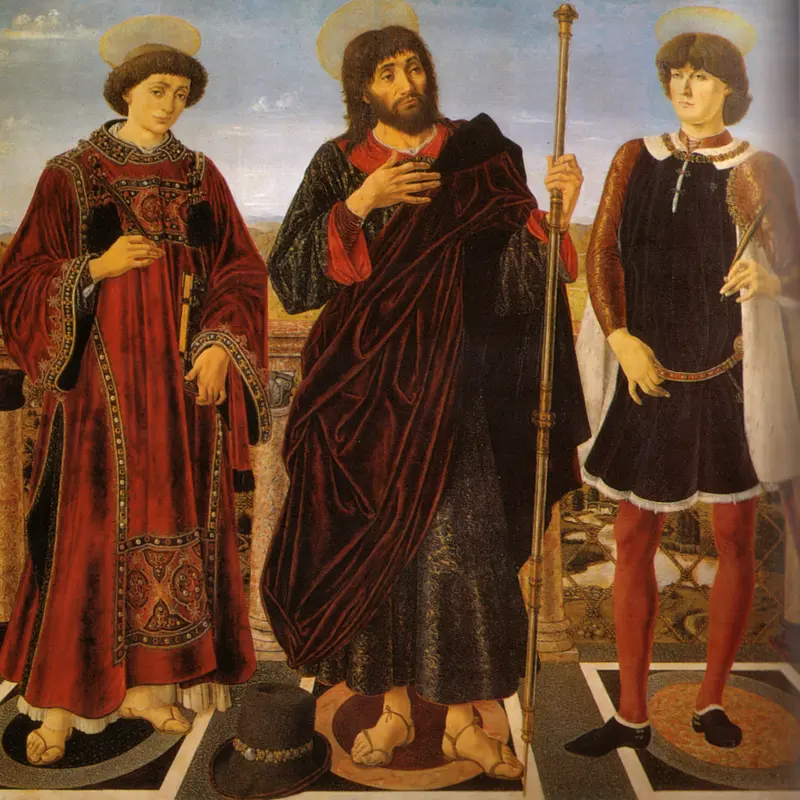
Cardinal of Portugal's Altarpiece
Antonio del Pollaiuolo
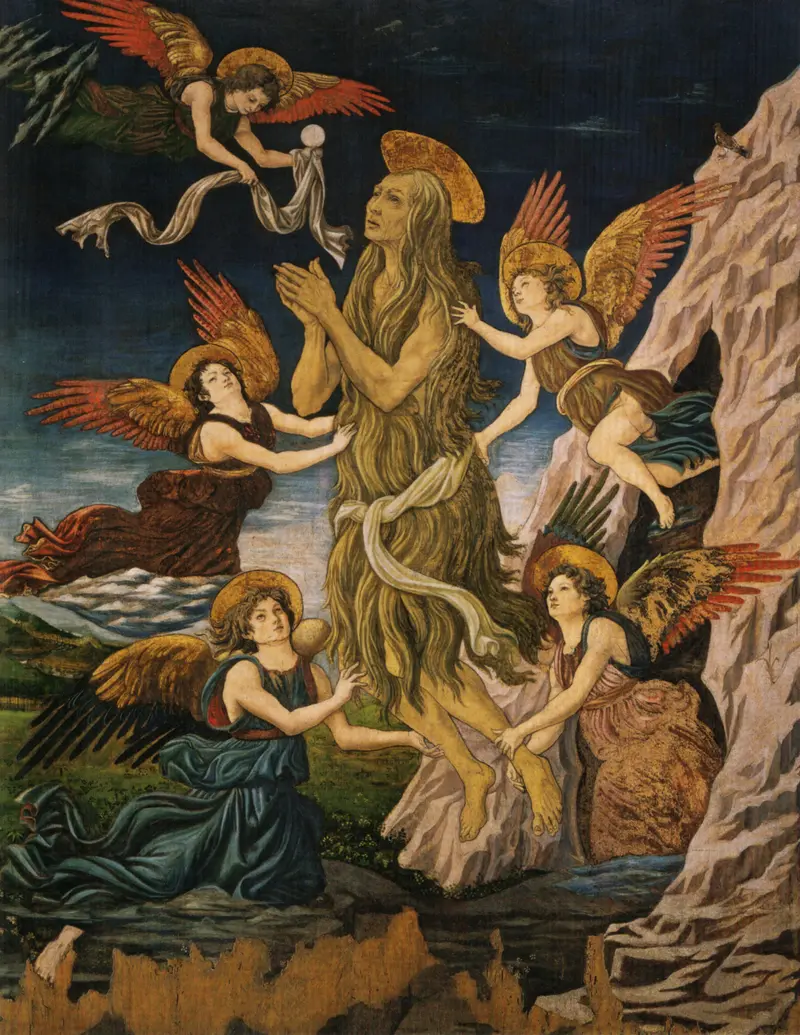
Elevation of the Magdalen
Antonio del Pollaiuolo
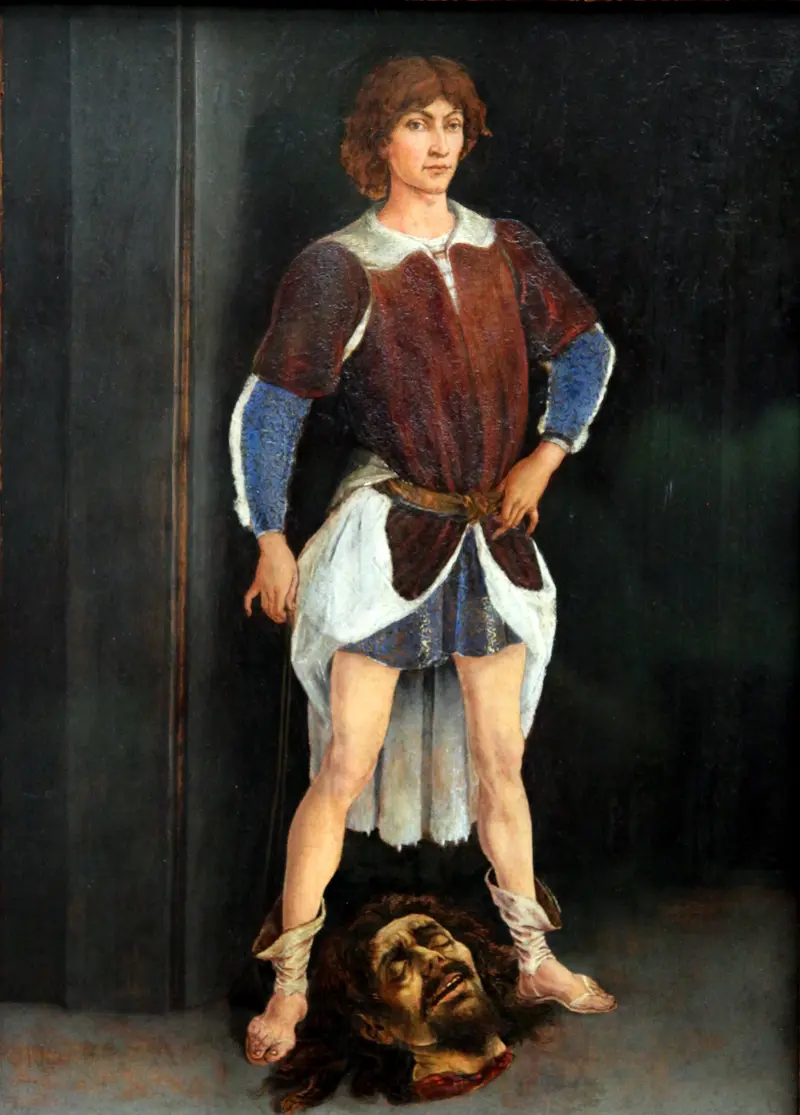
David Victorious
Antonio del Pollaiuolo





