
Martyrdom of Saint Sebastian — History & Facts
A tangle of bodies, taut with tension, draws the eye to the center of this scene: the martyrdom of Saint Sebastian, rendered with a clarity and energy that seem to vibrate from the panel itself. The drama unfolds beneath a classical arch, where Sebastian, stripped and bound to a column, stands serenely amid the chaos of his execution. The archers, each caught in a different moment of action, twist and strain as they draw their bows, their muscles sharply defined, their faces intent.
The artist’s fascination with anatomy is unmistakable—every limb and sinew is carefully modeled, turning violence into a study of the human form. Light pours in from the left, illuminating Sebastian’s pale body and casting the executioners into a complex web of shadows, heightening the sense of spectacle. Painted before 1475, this work belongs to a world on the cusp of the High Renaissance, when Florentine artists were obsessed with the revival of classical ideals and the observation of nature. Scenes of martyrdom like this were commissioned for churches and confraternities, intended to inspire both awe and devotion through their combination of suffering and grace.
The Pollaiuolo brothers—Antonio and Piero—were renowned for their skill in depicting the body in motion, and their works often served as a showcase for the new science of anatomy. Today, this painting resides in the National Gallery, a rare survivor from a period when such images were both acts of faith and feats of artistic daring. The longer you look, the more the painting rewards you: each archer’s gesture, each fold of cloth, each shaft of light is a testament to the restless curiosity of its makers.
More Artworks by Antonio del Pollaiuolo
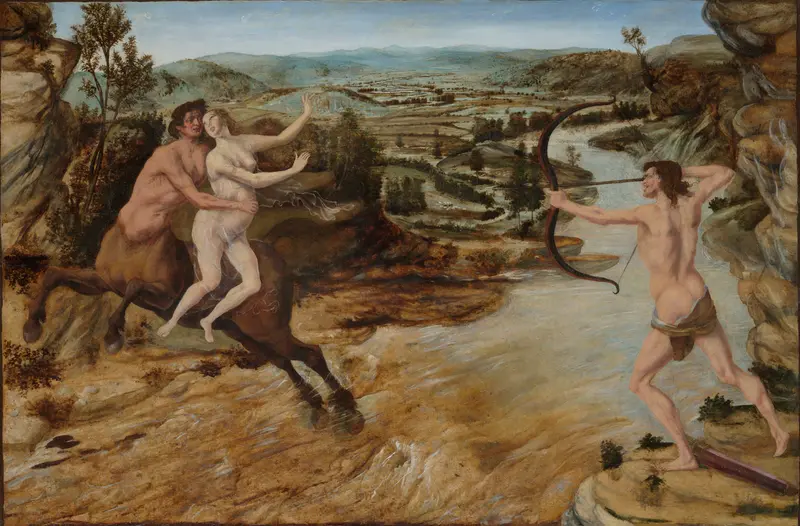
Hercules and Deianira
Antonio del Pollaiuolo
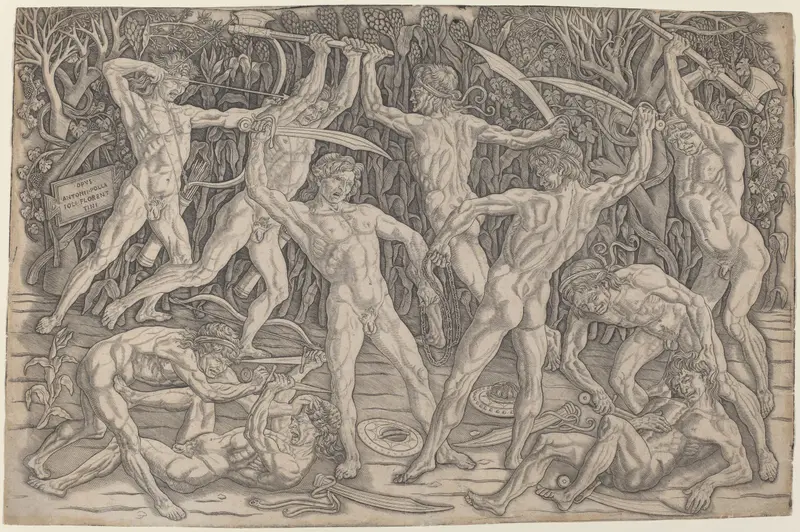
Battle of the Nudes
Antonio del Pollaiuolo
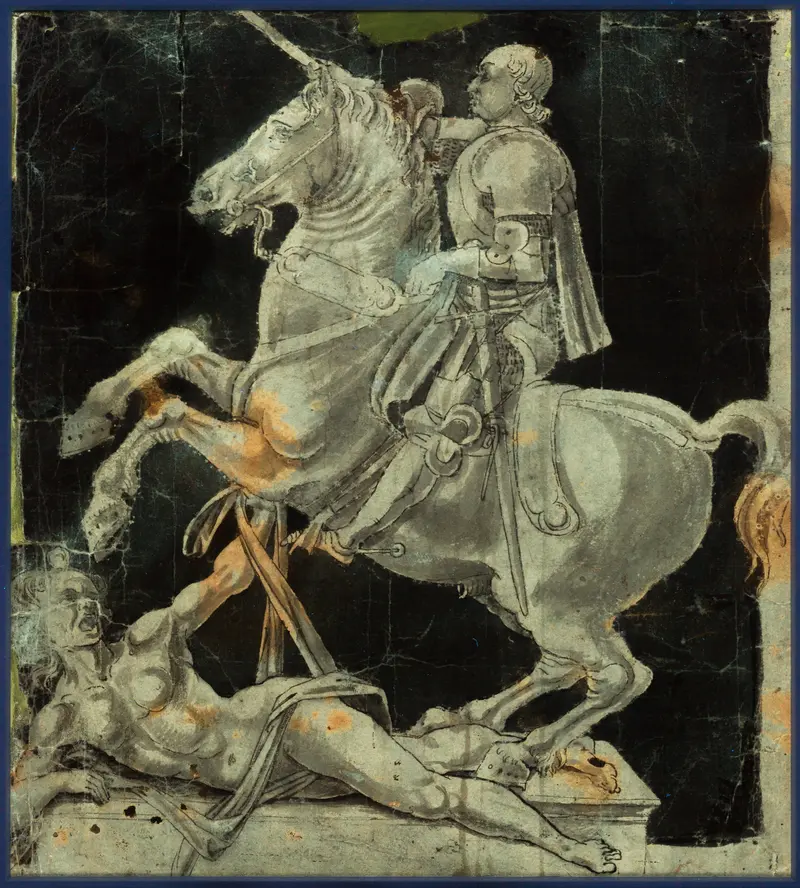
Study for the Equestrian Monument to Francesco Sforza
Antonio del Pollaiuolo
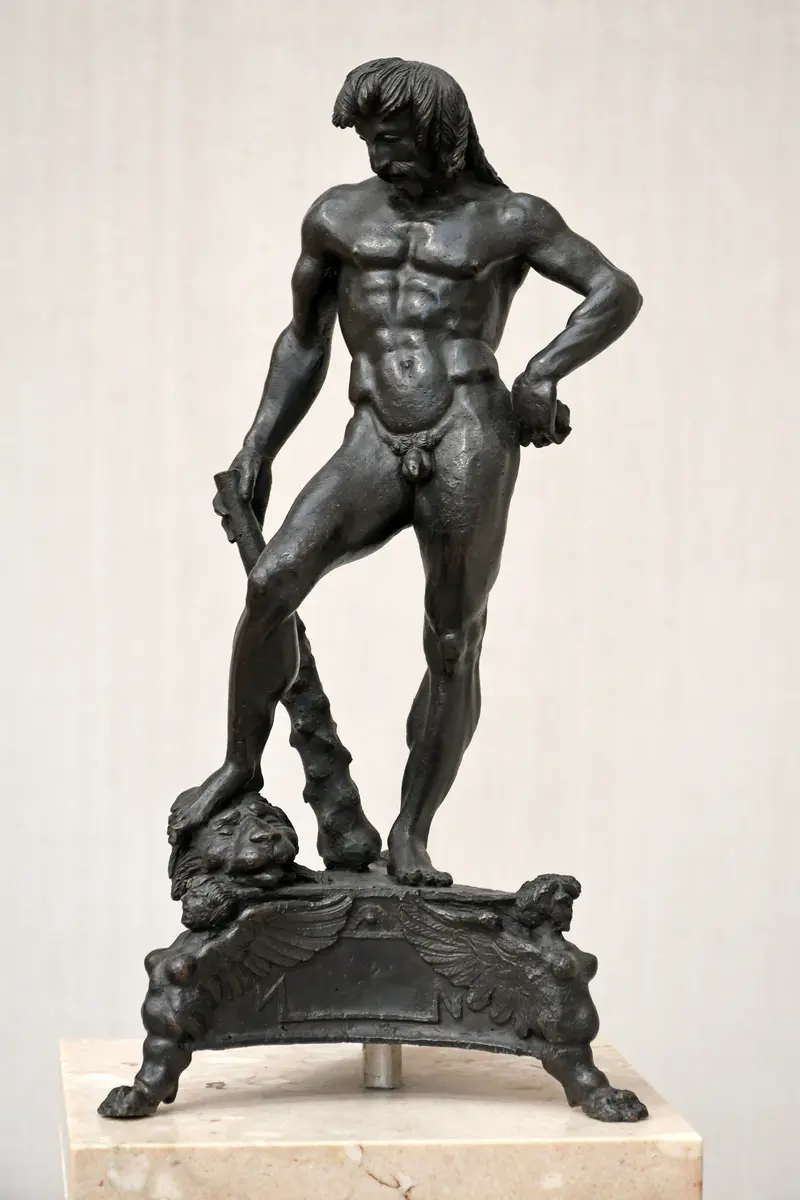
Heracles
Antonio del Pollaiuolo
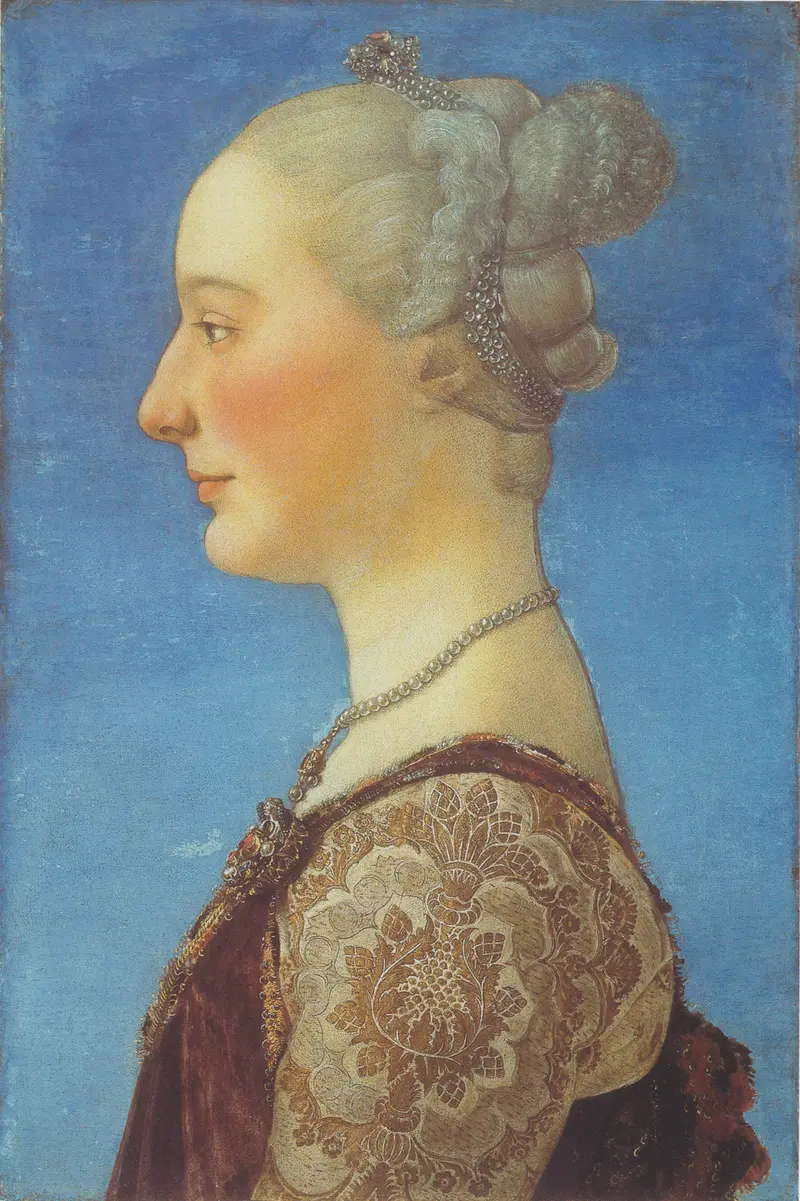
Portrait of a Lady
Antonio del Pollaiuolo
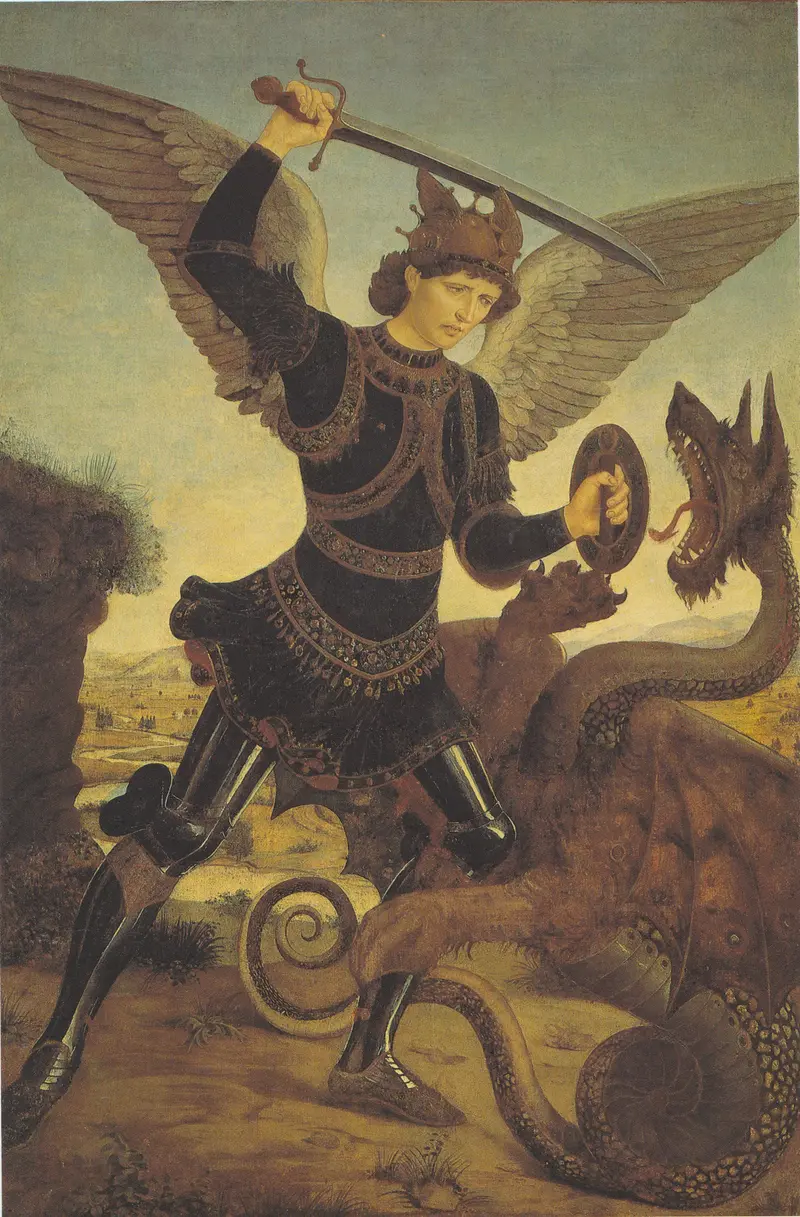
Archangel Michael and the dragon
Antonio del Pollaiuolo
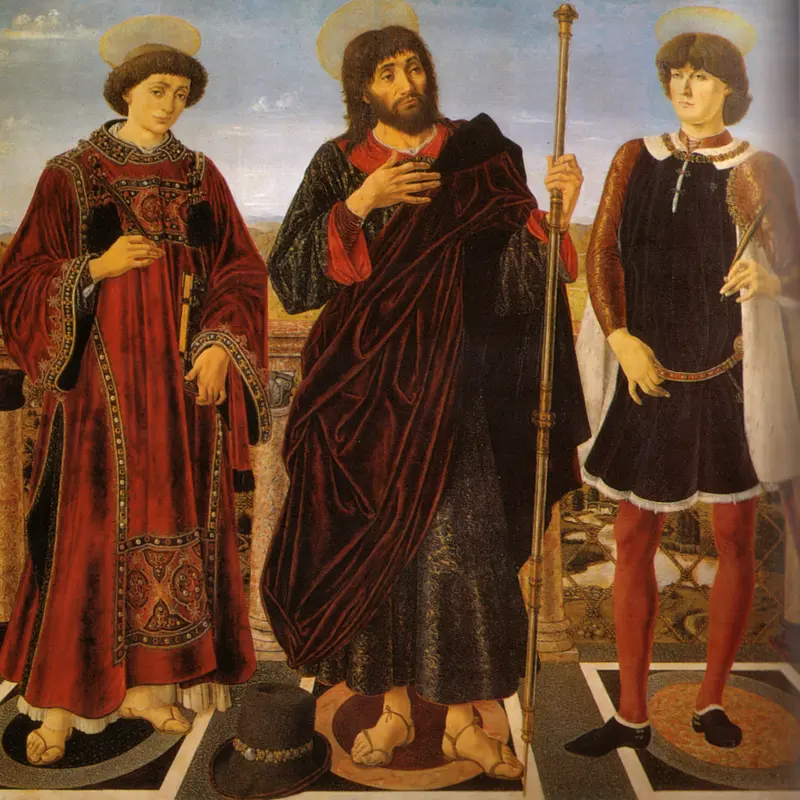
Cardinal of Portugal's Altarpiece
Antonio del Pollaiuolo
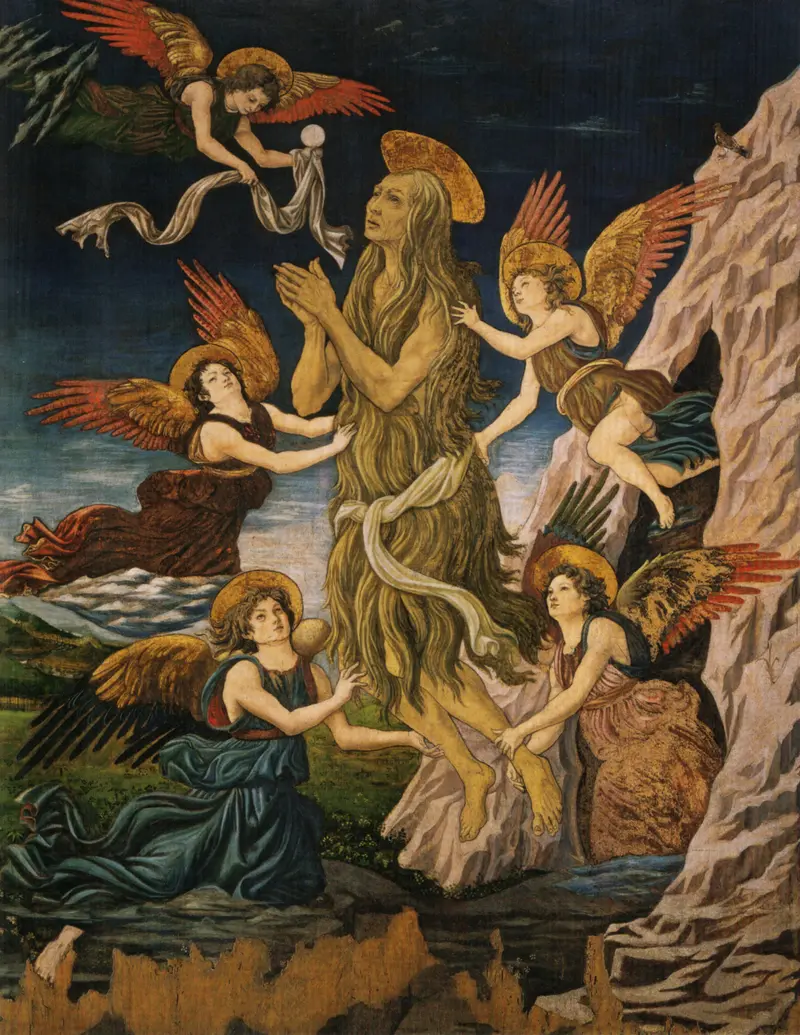
Elevation of the Magdalen
Antonio del Pollaiuolo
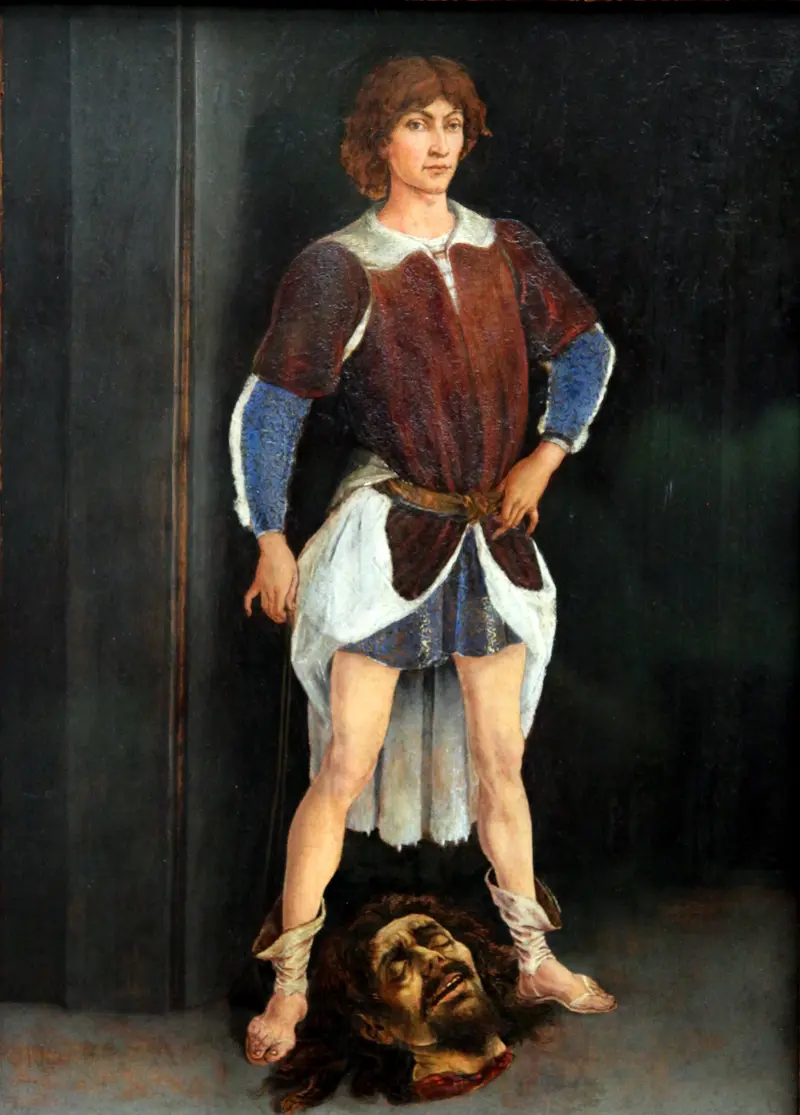
David Victorious
Antonio del Pollaiuolo





