
Study for the Equestrian Monument to Francesco Sforza — History & Facts
Few Renaissance projects ever matched the ambition of the planned equestrian monument to Francesco Sforza, Duke of Milan, for which Antonio del Pollaiuolo produced this surviving study. Commissioned in the late 15th century by Sforza’s widow, Bianca Maria Visconti, the monument was intended to rival the grandeur of ancient Roman statuary and to immortalize the founder of the Sforza dynasty. While the final bronze colossus was never realized, the idea itself sparked a fierce competition among artists, including Leonardo da Vinci, whose own designs for the Sforza monument remain famous.
The existence of Pollaiuolo’s study is a rare testament to this high-stakes artistic rivalry and the feverish creativity of Renaissance Milan. In the drawing, the Duke sits upright on a powerful horse, captured at the moment of poised readiness—a leader surveying the battlefield or a city at peace under his rule. The animal’s taut muscles and the Duke’s commanding posture speak of military prowess and authority, while the detailed harness and armor hint at both technological innovation and the prestige of Milanese arms. Pollaiuolo’s line is energetic and precise, emphasizing anatomical accuracy, a hallmark of his Florentine training.
Compared to Leonardo’s more experimental and naturalistic studies for the same monument, Pollaiuolo’s approach is direct and heroic, aiming for clarity and monumentality rather than psychological nuance. The fate of Study for the Equestrian Monument to Francesco Sforza remains partly shrouded in uncertainty. Its medium—whether pen, chalk, or metalpoint—and exact date are still debated by scholars, but it is generally placed in the 1480s, during Pollaiuolo’s mature period. The drawing’s survival is remarkable, given the monument’s cancellation and the dispersal of Pollaiuolo’s works after his death.
Today, the study is valued not only as a rare glimpse into a lost Renaissance masterpiece but also as evidence of Pollaiuolo’s role in shaping the iconography of power in Italian art. It stands as a reminder of a moment when artists, patrons, and cities vied to leave their mark in bronze and stone, even if only the paper dreams remain.
More Artworks by Antonio del Pollaiuolo

Martyrdom of Saint Sebastian
Antonio del Pollaiuolo
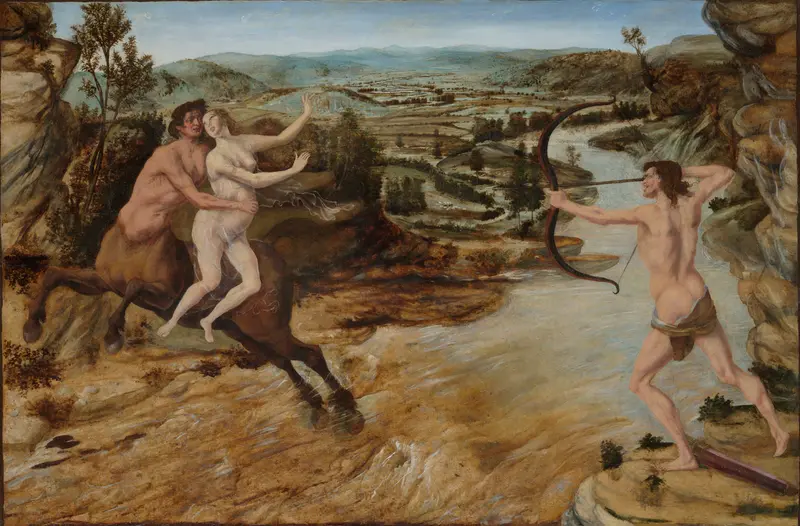
Hercules and Deianira
Antonio del Pollaiuolo
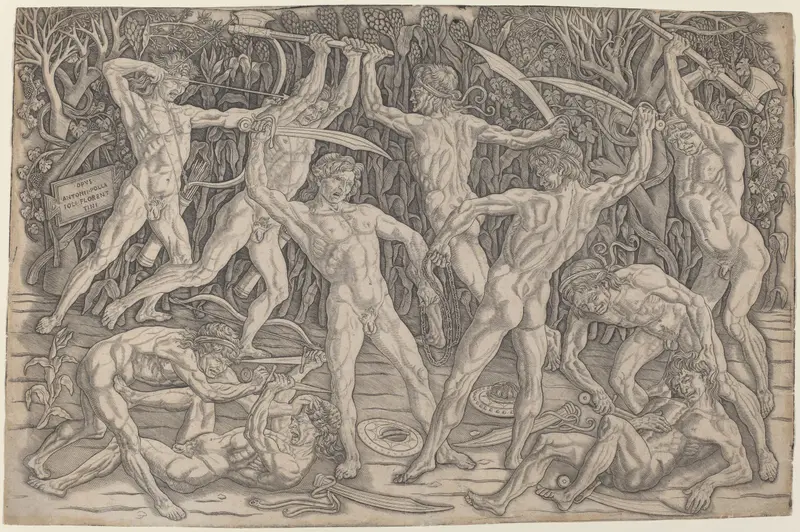
Battle of the Nudes
Antonio del Pollaiuolo
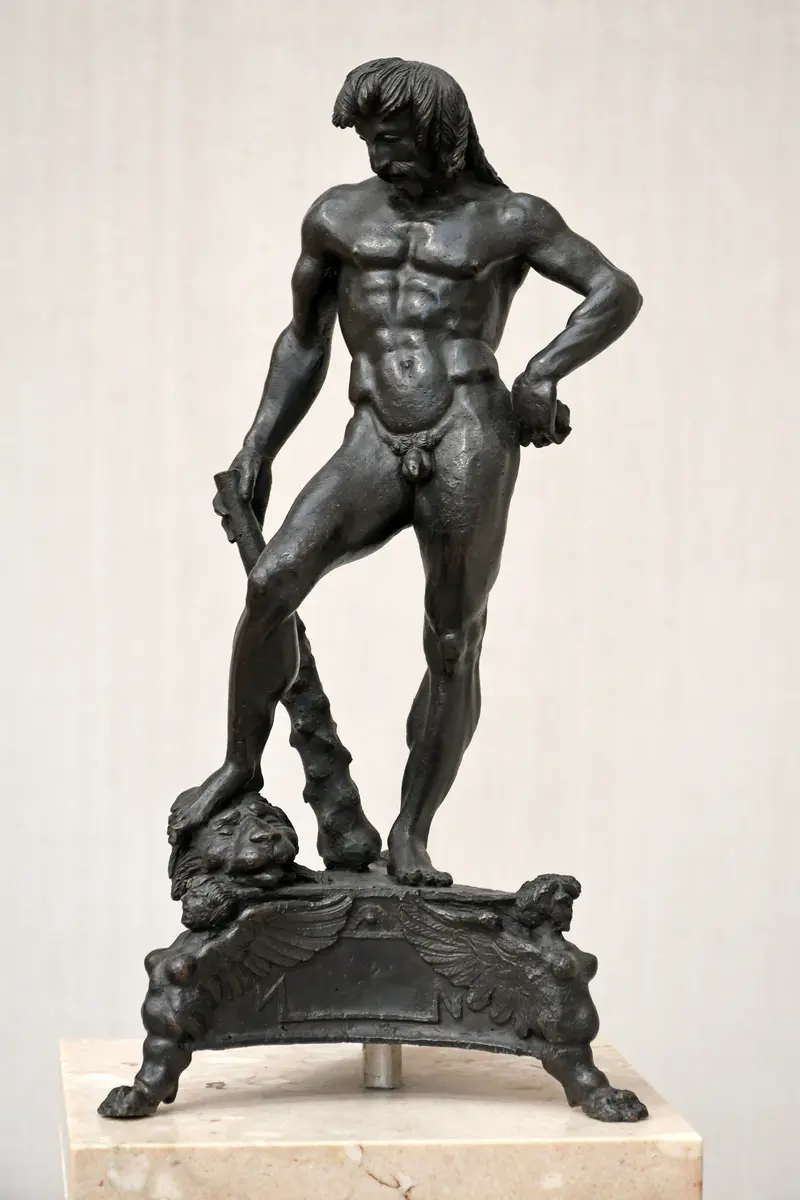
Heracles
Antonio del Pollaiuolo
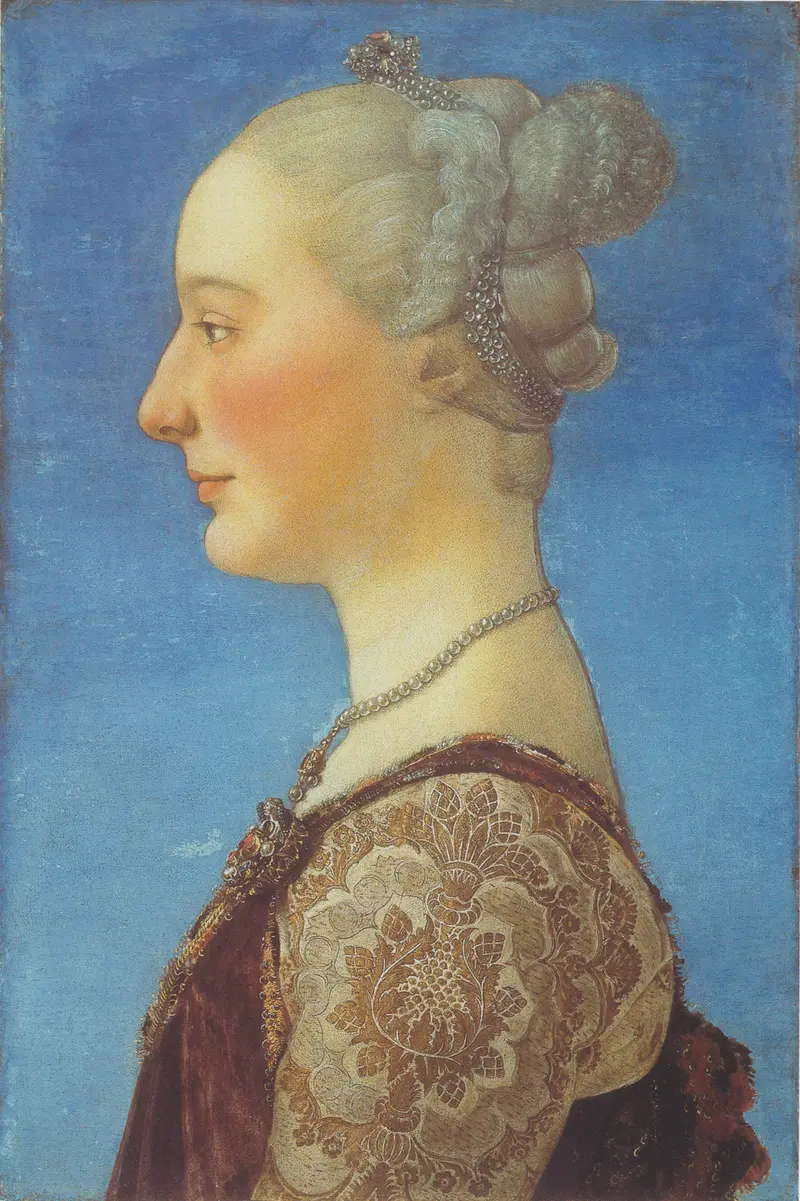
Portrait of a Lady
Antonio del Pollaiuolo
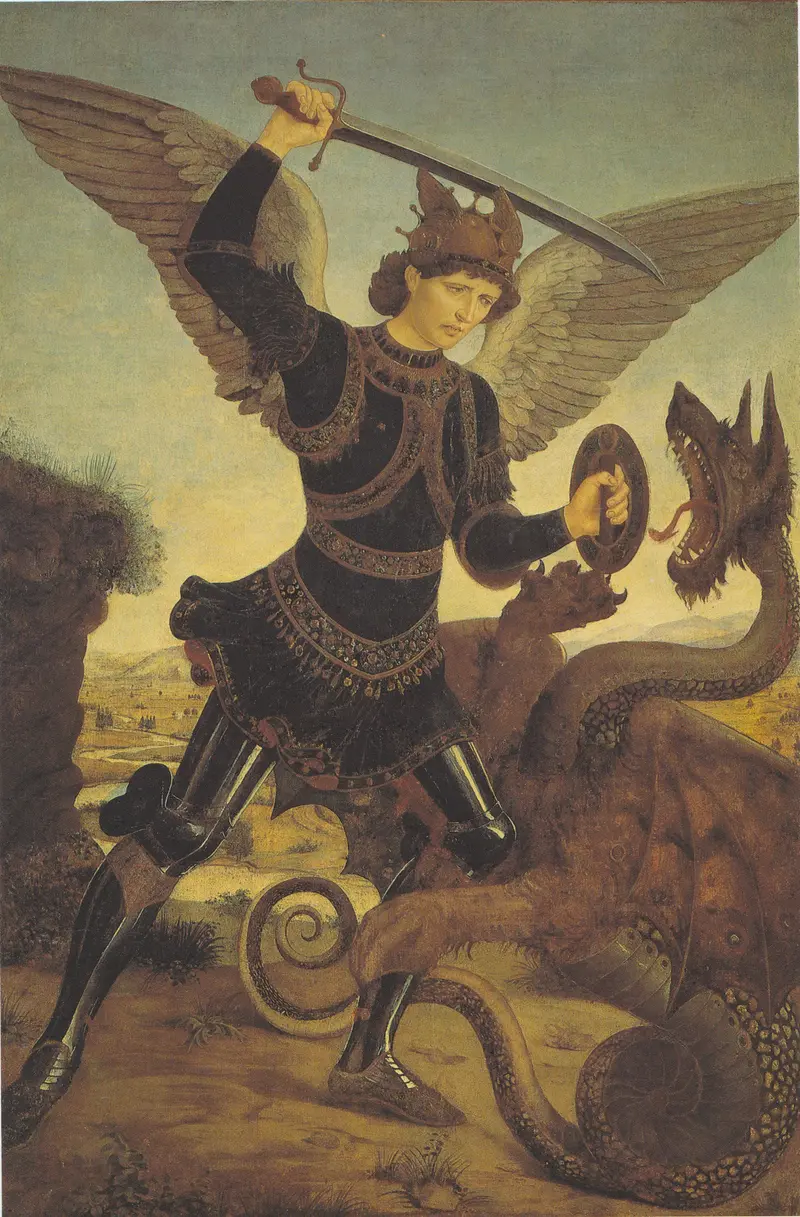
Archangel Michael and the dragon
Antonio del Pollaiuolo
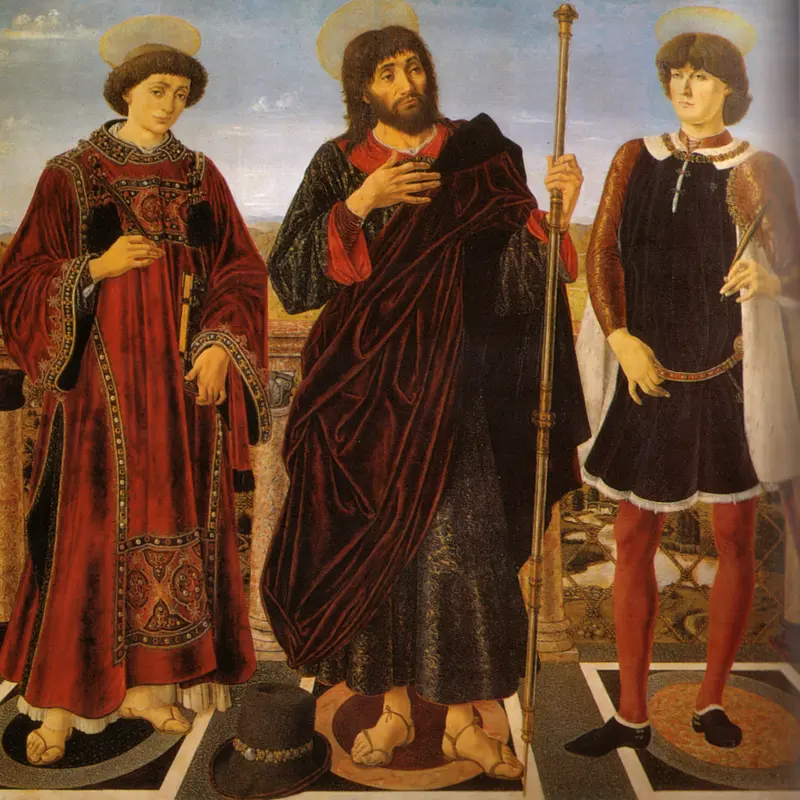
Cardinal of Portugal's Altarpiece
Antonio del Pollaiuolo
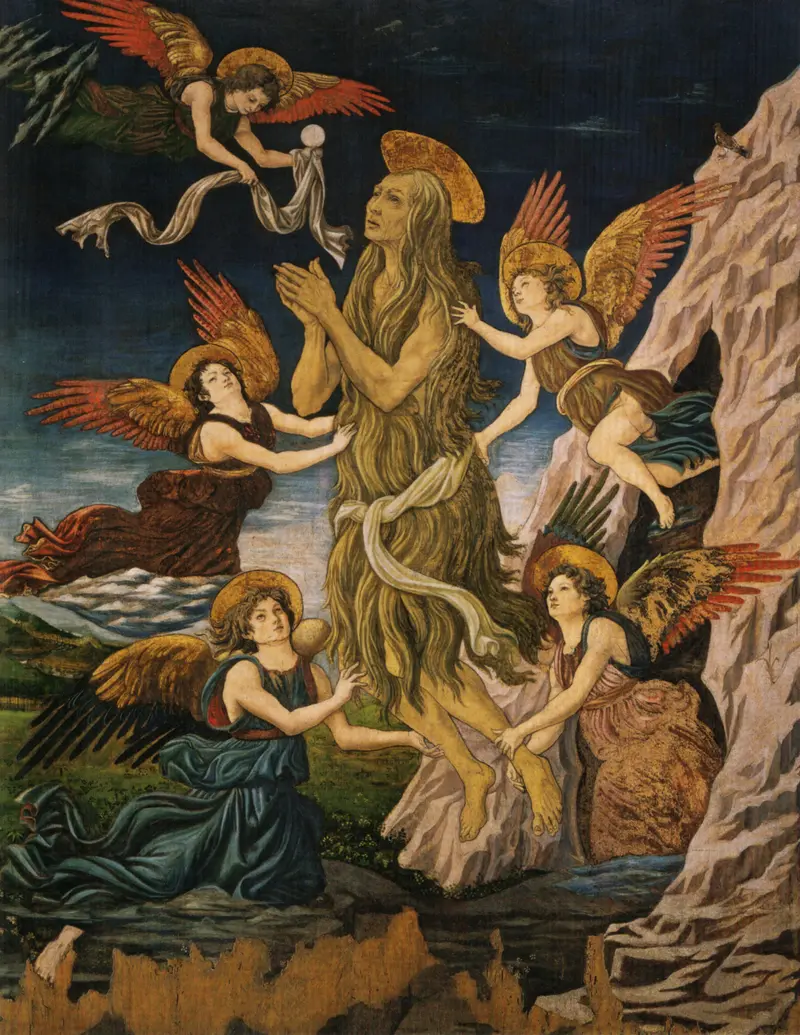
Elevation of the Magdalen
Antonio del Pollaiuolo
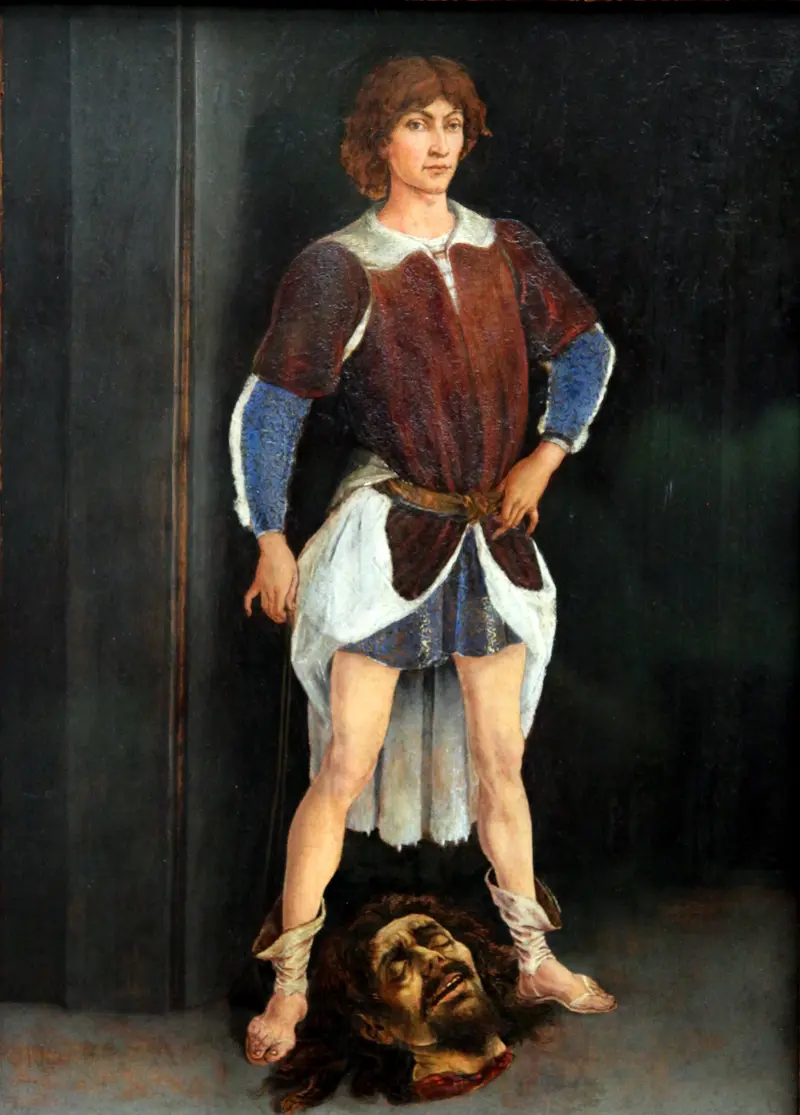
David Victorious
Antonio del Pollaiuolo




