
Hercules and Deianira — History & Facts
Few Renaissance artists were as fascinated by the human body in motion as Antonio del Pollaiuolo, and nowhere does this obsession come alive more dramatically than in his Hercules and Deianira. This work stands out because it is one of several treatments by Pollaiuolo of the mythic labors and loves of Hercules, a subject he returned to repeatedly, both in painting and sculpture. Scholars have long noted that, while other Florentine artists preferred serene Madonnas or saints, Pollaiuolo reveled in scenes of struggle and tension, pushing anatomy and emotion to the fore.
The precise date and commission for this painting remain uncertain, but its intensity and focus on the human form mark it as a product of the energetic Florentine workshops of the late 15th century. The moment captured here is fraught with peril and passion: Deianira, wife of Hercules, is being carried off by the centaur Nessus, who has offered to ferry her across a river but instead attempts to abduct her. Hercules, bow drawn, stands poised to strike from the riverbank, his muscles taut with fury and resolve. The composition surges with diagonal lines—the centaur’s rearing body, Deianira’s outstretched arms, Hercules’ arrow—all converging on the drama at the painting’s heart.
The chain in Deianira’s hand may symbolize her marital bond, threatened by the centaur’s violence, while the wild landscape heightens the sense of chaos. Compared to Rubens’ later, more theatrical version of the same myth, Pollaiuolo’s treatment is leaner, with a sharper focus on anatomy and the psychological tension between the figures. The physical history of Hercules and Deianira is as layered as its mythic subject. The painting’s original patron is unknown, and its early provenance is lost to time—a common fate for works by Pollaiuolo, whose smaller panels often circulated among private collectors rather than in grand public commissions.
Over the centuries, the painting has been attributed and reattributed, as scholars pieced together the artist’s oeuvre from scattered records and stylistic clues. Today, it is recognized as a key example of Pollaiuolo’s fascination with myth and movement, and it stands as a testament to the Florentine drive to capture the body in all its dynamic complexity.
More Artworks by Antonio del Pollaiuolo

Martyrdom of Saint Sebastian
Antonio del Pollaiuolo
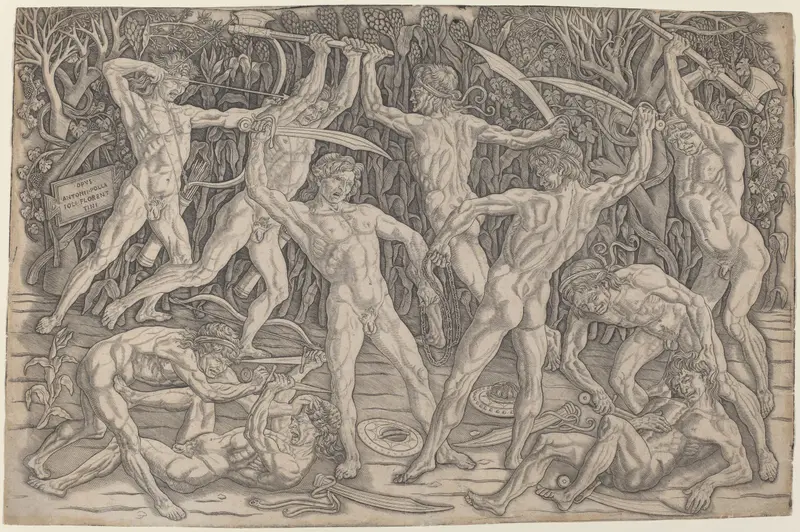
Battle of the Nudes
Antonio del Pollaiuolo
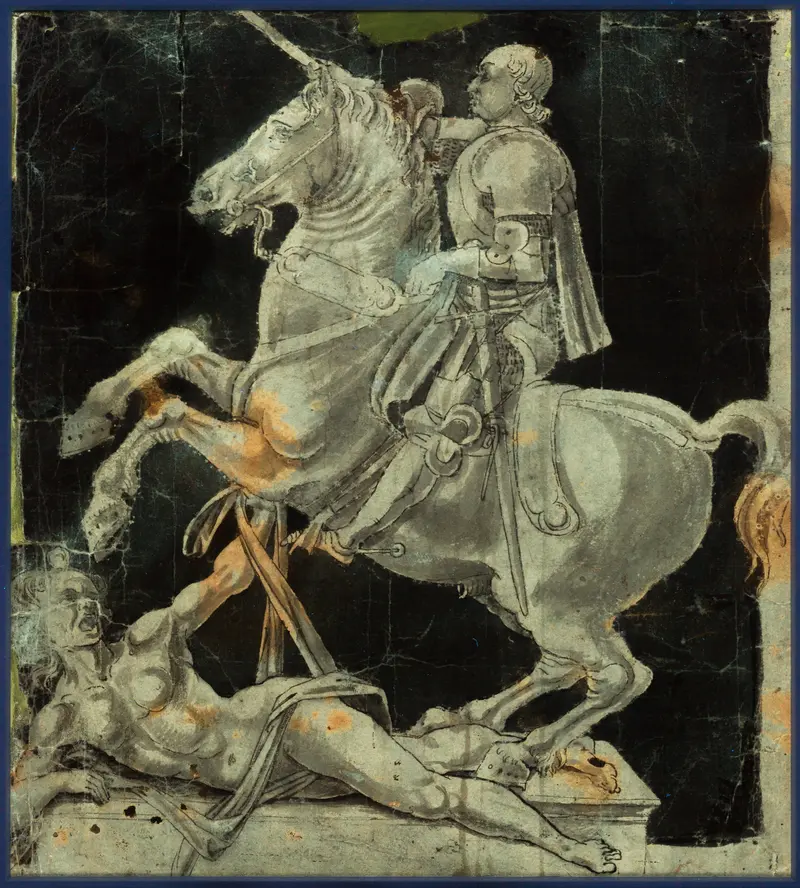
Study for the Equestrian Monument to Francesco Sforza
Antonio del Pollaiuolo
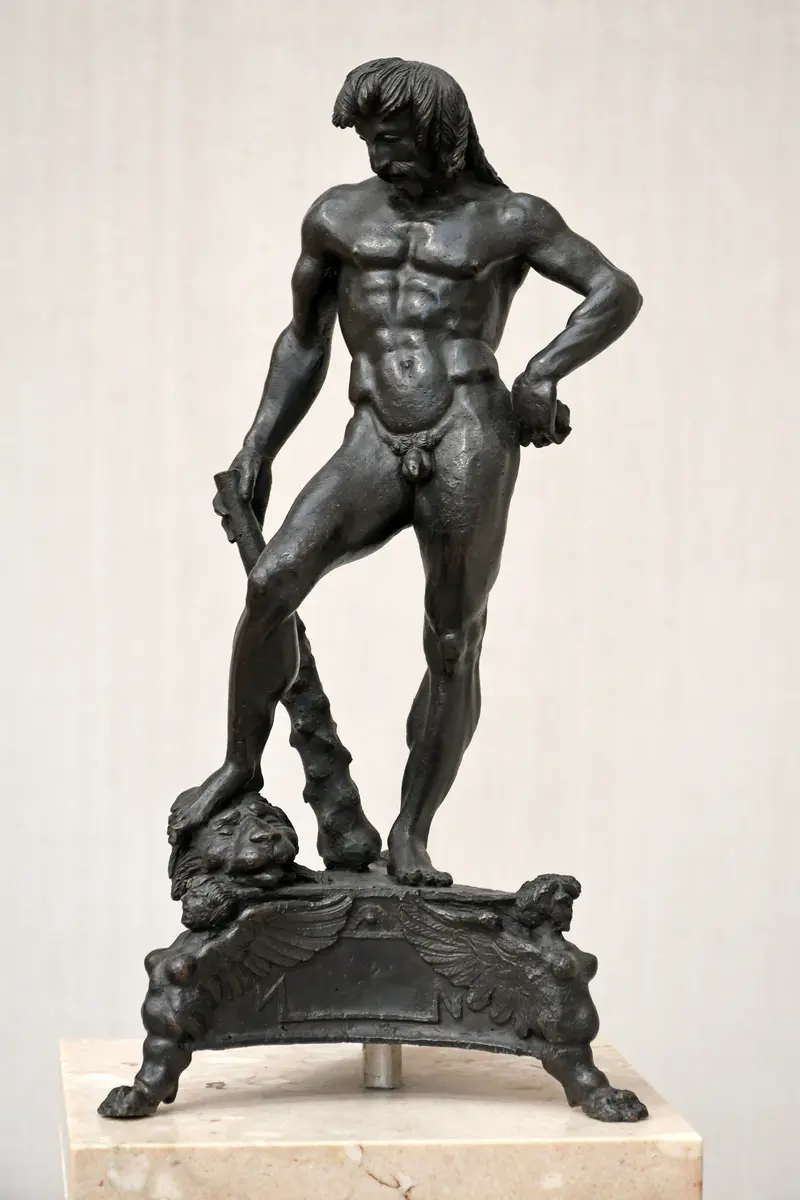
Heracles
Antonio del Pollaiuolo
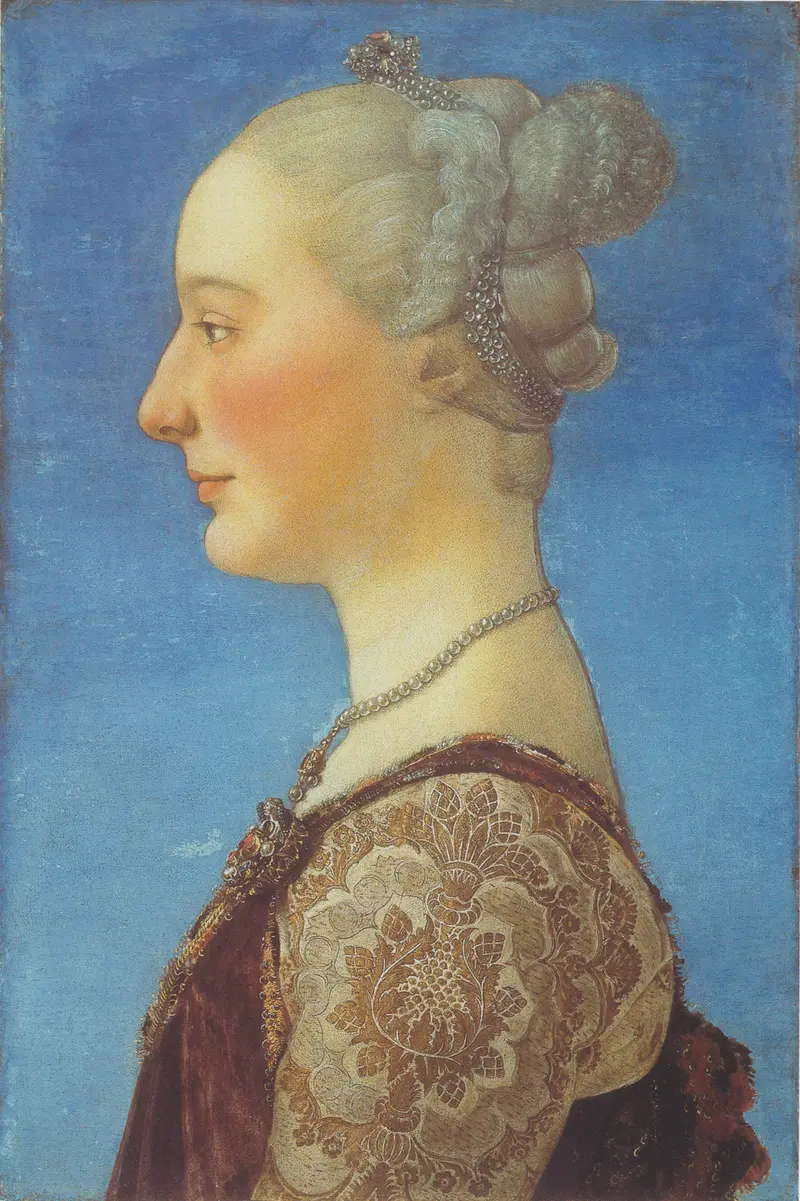
Portrait of a Lady
Antonio del Pollaiuolo
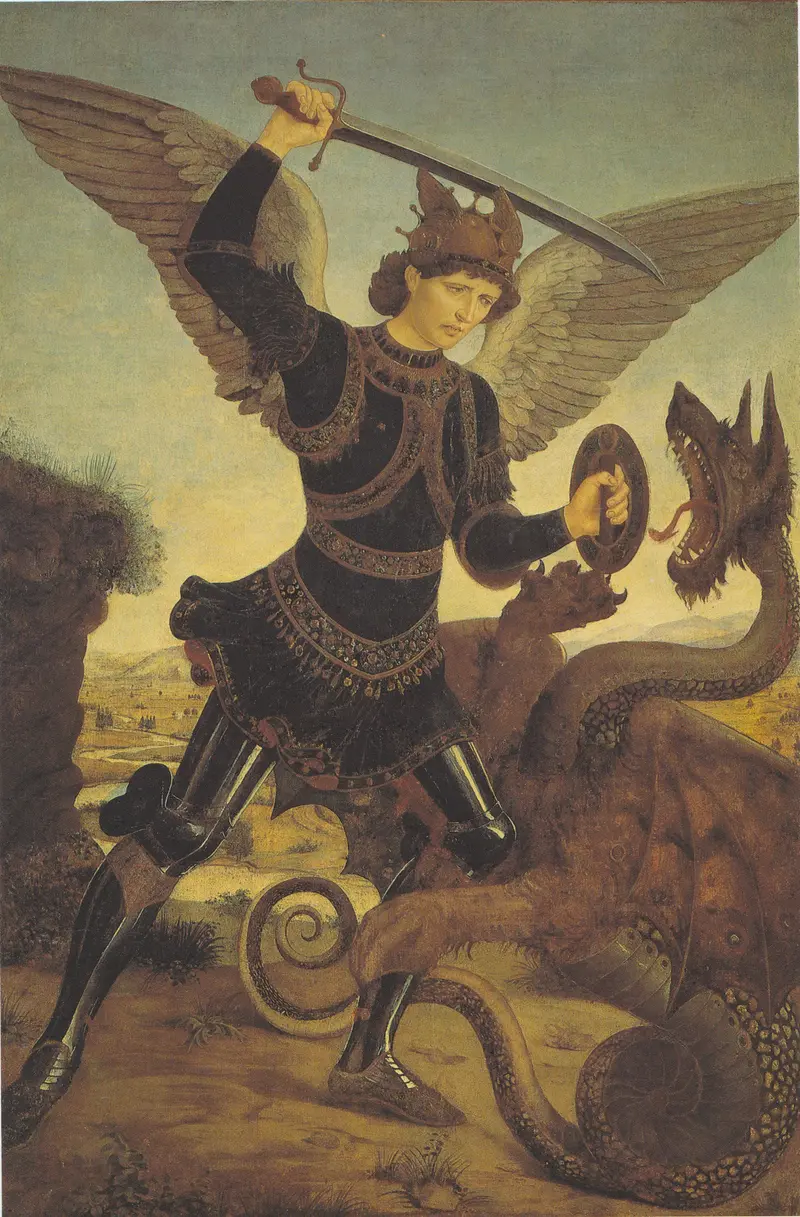
Archangel Michael and the dragon
Antonio del Pollaiuolo
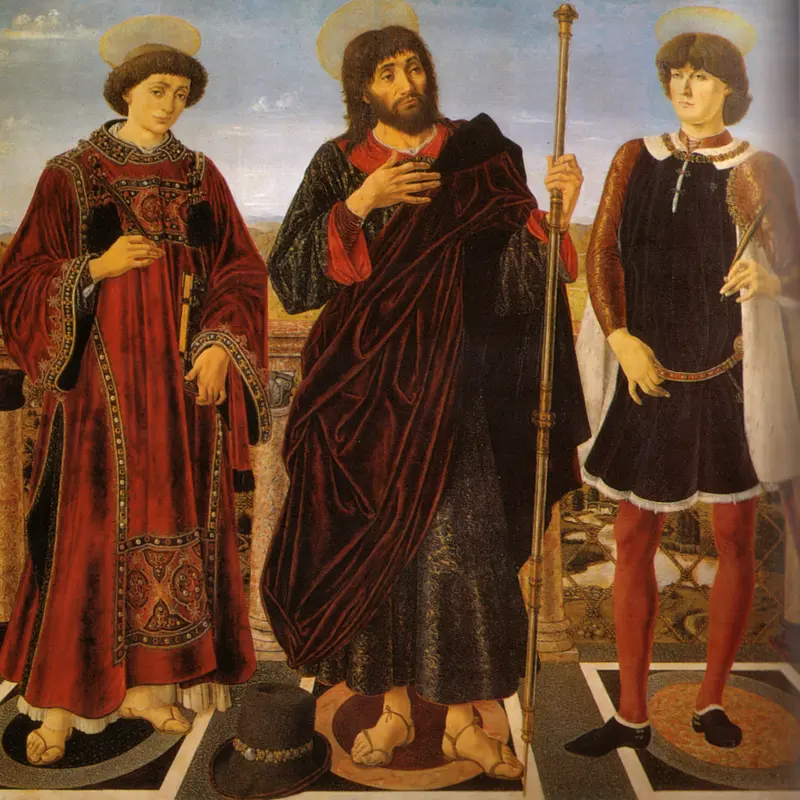
Cardinal of Portugal's Altarpiece
Antonio del Pollaiuolo
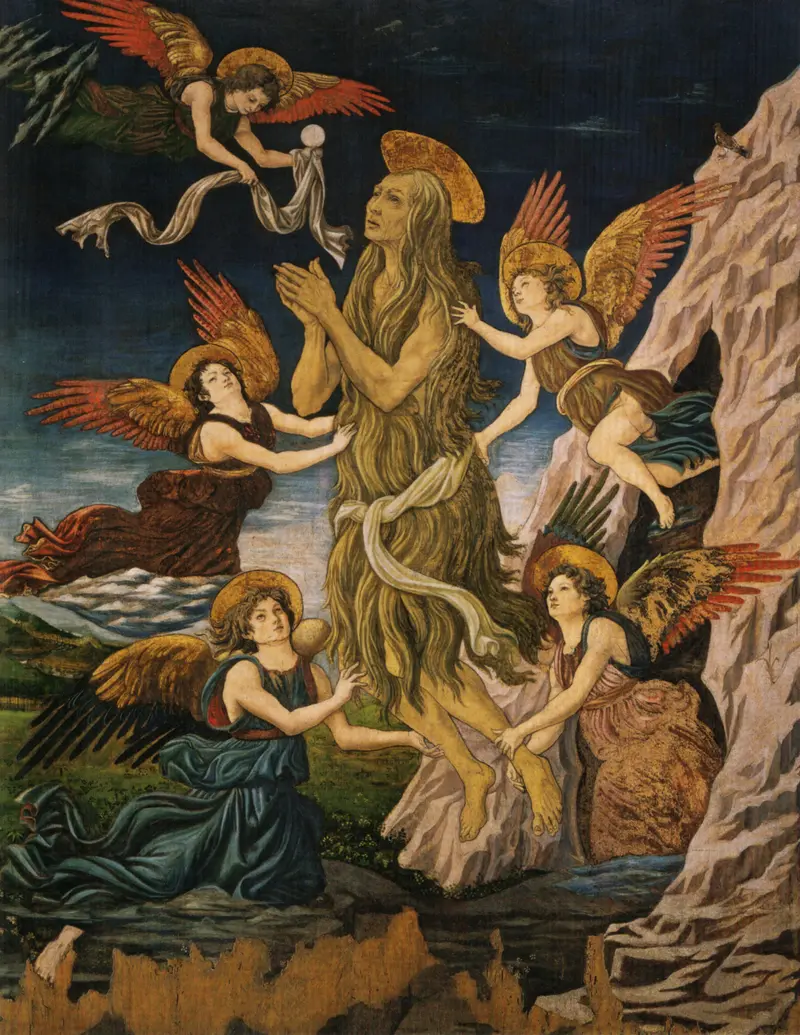
Elevation of the Magdalen
Antonio del Pollaiuolo
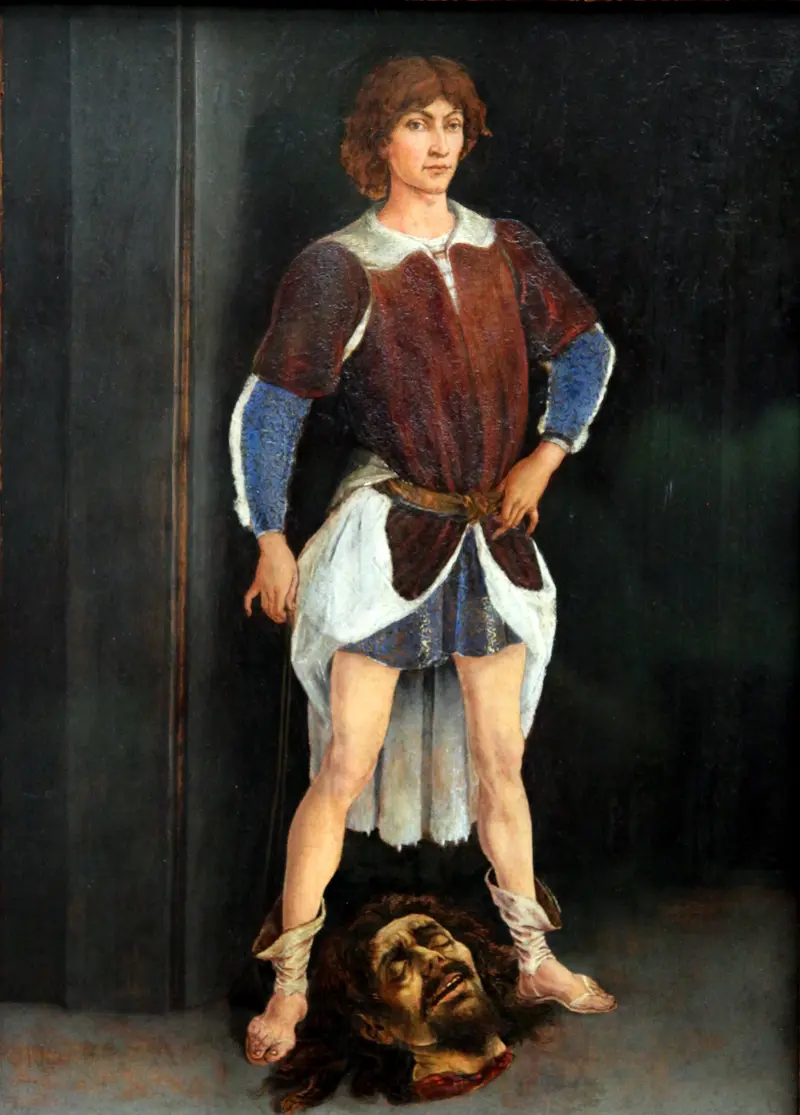
David Victorious
Antonio del Pollaiuolo





